Custom OEM LED Smart Lighting Solutions

Guangdong Lijah Light Co., Ltd. — Professional Smart Lighting OEM/ODM Exporter

Pioneering the Smart Luminescence Era

How Guangdong Lijah Light Co., Ltd. Redefines Modern Industrial Lighting through Custom OEM and Advanced IoT Integrations.

Company Profile

Guangdong Lijah Light Co., Ltd. stands as a premier technological hub specializing in the comprehensive research, development, engineering, and manufacturing of state-of-the-art, energy-efficient LED Smart Lighting Solutions. From our headquarters in Guangdong, we orchestrate global supply operations that cater directly to contractors, project developers, and wholesalers worldwide.

Our core mission revolves around integrating intelligent automation with structural endurance. By pairing advanced thermodynamic designs with flexible controls (DALI, Zigbee, Bluetooth Mesh, Motion & Daylight sensors), we assist forward-looking enterprises in establishing resilient green infrastructure.

Research & Development

Innovation is the lifeblood of Lijah Light. Our seasoned R&D engineers work side-by-side with cross-functional product development, mechanical engineering, and optical science divisions. We continually develop patent-pending optic systems and smart driver matrices that optimize overall system efficiency.

By anticipating changes in regional building codes and ecological standards, we design products that feature toolless maintenance setups, switchable CCT parameters, and adaptable power modules that cut SKU count and streamline inventory handling.

Our Vision

As smart cities transition from concept to reality, the demand for networked, responsive illumination systems escalates. We align our manufacturing infrastructure to serve as a reliable engine for this macro shift. Our goal is to achieve recognition as a world-class OEM/ODM powerhouse in commercial and industrial lighting.

By offering bespoke architectural customization alongside standard bulk production, we guarantee that our global partners stay at the absolute forefront of energy efficiency regulations and structural design metrics.

150+
Global Partners
10+
Certifications Held
80k+
Daily Output Capacity
5-Year
Standard Warranty

Industrial Whitepaper: The Evolution of Intelligent Illumination

Deep-dive research into global market architectures, customization metrics, and thermodynamic engineering for modern lighting systems.

1. The Paradigm Shift: From Lumens-per-Watt to Intelligent Networks

Historically, the performance metric of commercial lighting was purely luminous efficacy. While maximizing lumens-per-watt remains a key operational goal, the contemporary industrial space demands networked, sensory-driven systems. Industrial parking garages, expansive logistics centers, and municipal outdoor spaces require responsive lighting that adapts dynamically to ambient human activity and daylight availability.

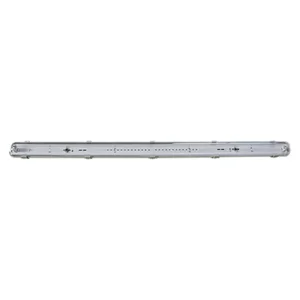
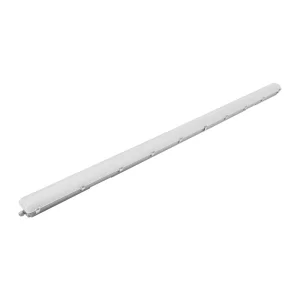
By embedding smart sensors directly into the luminaire array (such as our sensor-integrated, CCT-switchable Vapor Tight Fixtures), operators can achieve additional energy reductions of up to 40% beyond standard LED conversion. These smart configurations communicate through standardized open protocols, allowing building managers to monitor power consumption in real-time, predict component failure, and coordinate emergency schedules without manual onsite configuration.

2. Localized Application Scenarios and Environmental Engineering

Different operating environments require specialized structural profiles. For example:

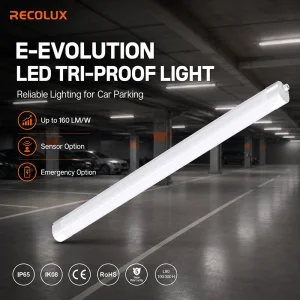
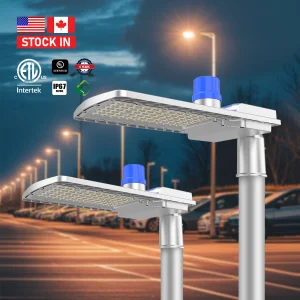
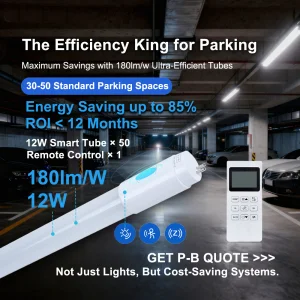
  • Parking Garages and Subterranean Terminals: Subject to high ambient humidity, dust accumulation, and exhaust fumes. Standard light fixtures degrade quickly in these spaces. The application of IP65/IP66 Vapor Tight units utilizing full PC housings ensures total dust-tight protection and resistance to high-pressure water jets. Integrated occupancy sensors keep luminaires at a dimmed 10% standby mode, immediately transitioning to 100% output upon detecting vehicular or pedestrian movement.
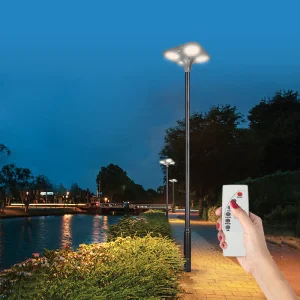
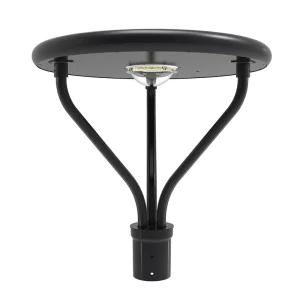
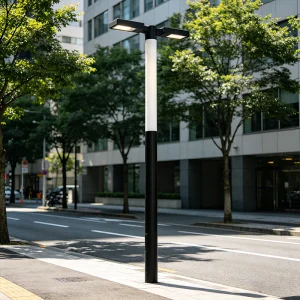
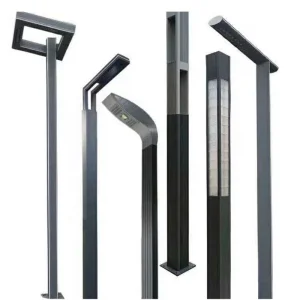
  • Urban Pathways and Public Spaces: Solar-powered, post-top luminaires combined with MPPT (Maximum Power Point Tracking) controllers leverage renewable solar energy while minimizing structural trenching costs. These units operate completely off-grid, storing energy during daylight hours and dynamically adjusting output based on smart motion detection throughout the night.
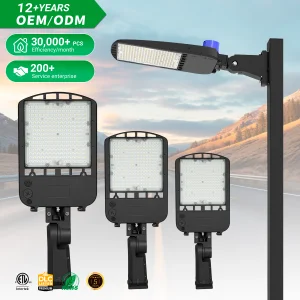
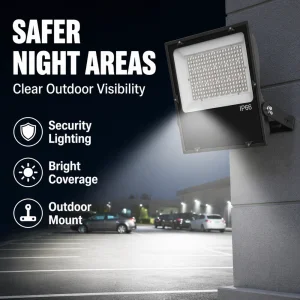
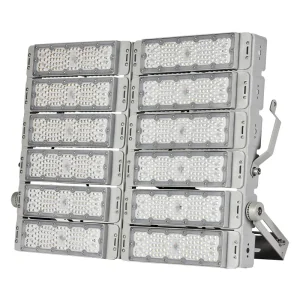
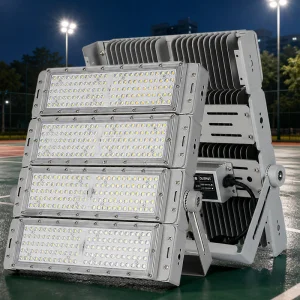
  • Heavy Industrial Zones and Logistics Hubs: High ceiling heights call for high-output, modular tunnel and floodlighting systems that maintain optical integrity even under persistent vibration, line voltage fluctuations, and extreme heat cycles. Die-cast aluminum housings serve as high-capacity heat sinks to ensure junction temperatures do not degrade the sensitive LED diodes.

3. Future Technology Roadmap (2025–2030)

Guangdong Lijah Light keeps its engineering team focused on emerging technological changes:

  • Human-Centric Lighting (HCL): Utilizing dynamic color-temperature tuning to align artificial indoor light profiles with the natural circadian rhythms of workers, boosting productivity and long-term workplace wellness.
  • LiFi & Visible Light Communication (VLC): Transforming ceiling fixtures into ultra-fast, high-security wireless data transmitters for data-dense environments like high-tech cleanrooms or automated warehousing structures.
  • Machine-Learning Predictive Diagnostics: Integrating smart drivers that continuously record runtime metrics, voltage peaks, and thermal data, alerting operators of maintenance needs weeks before a driver reaches its end of life.

China Supply Chain Resilience & Manufacturing Excellence

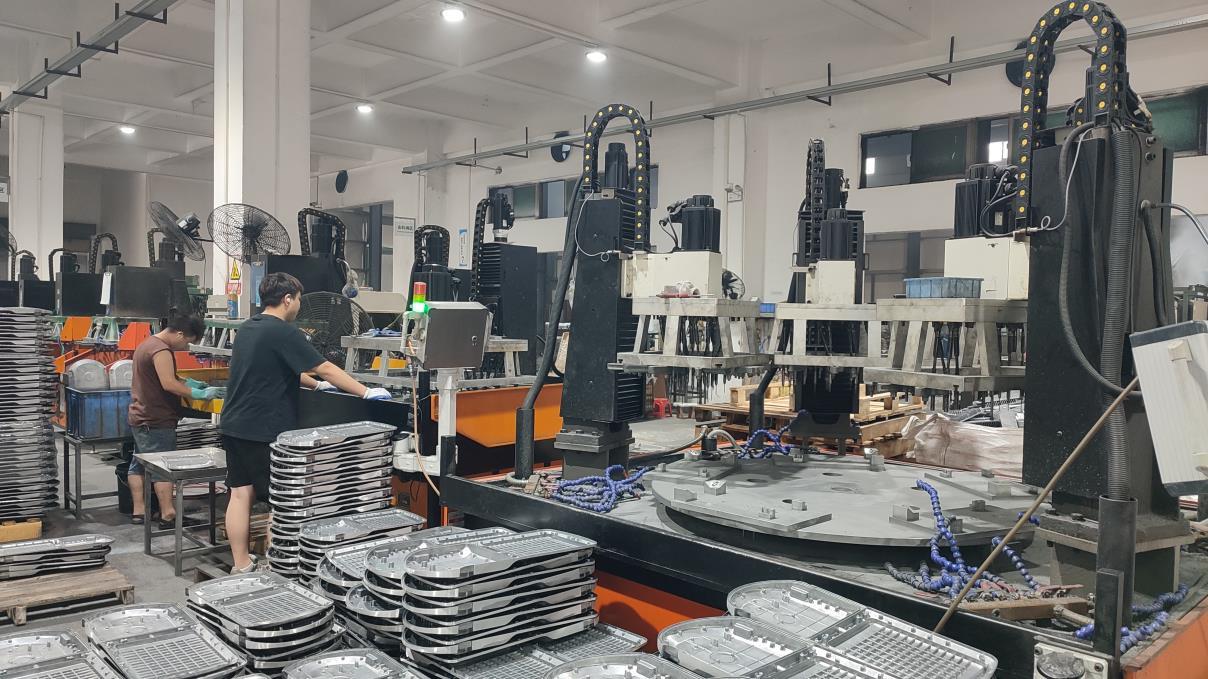
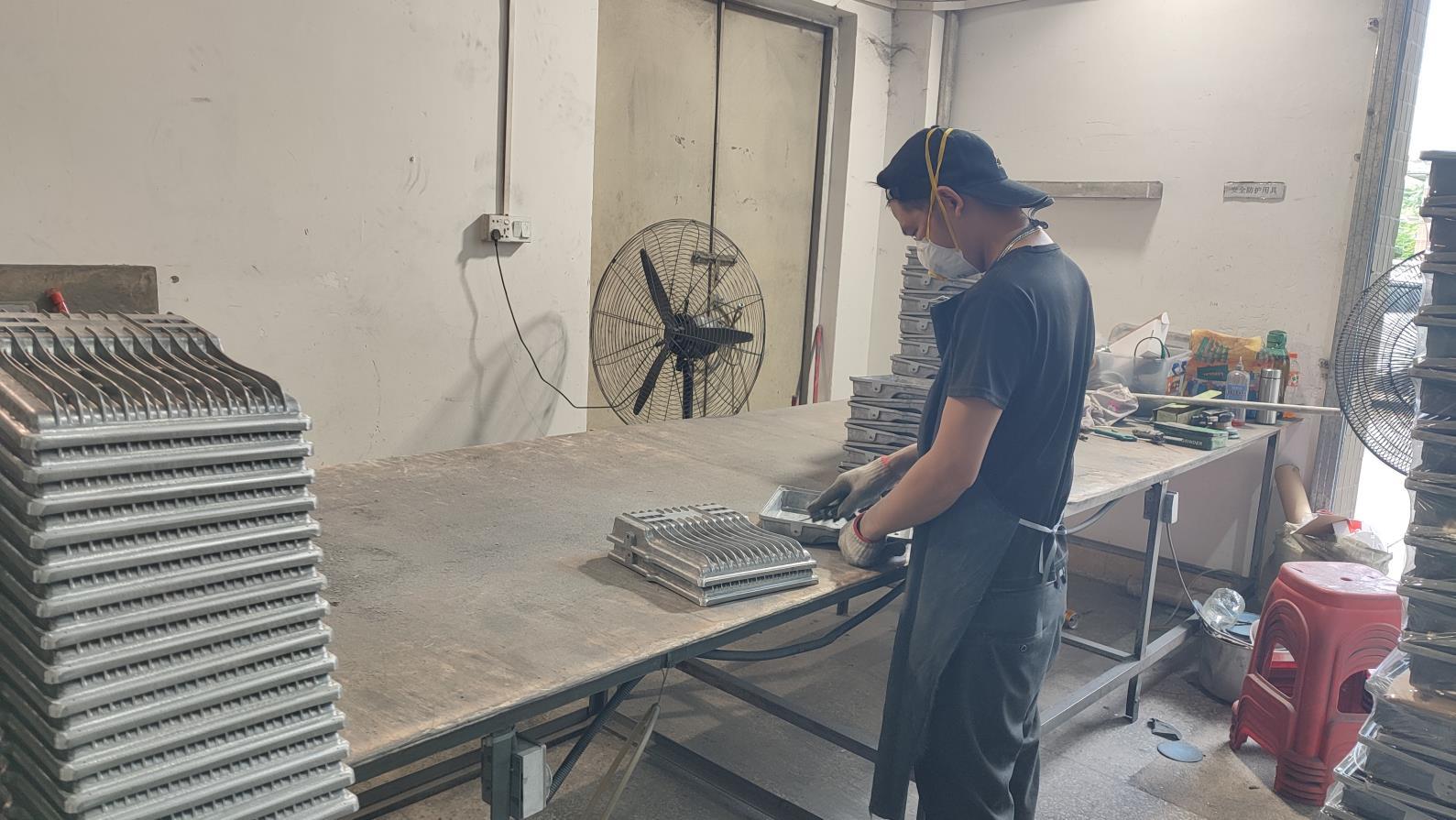
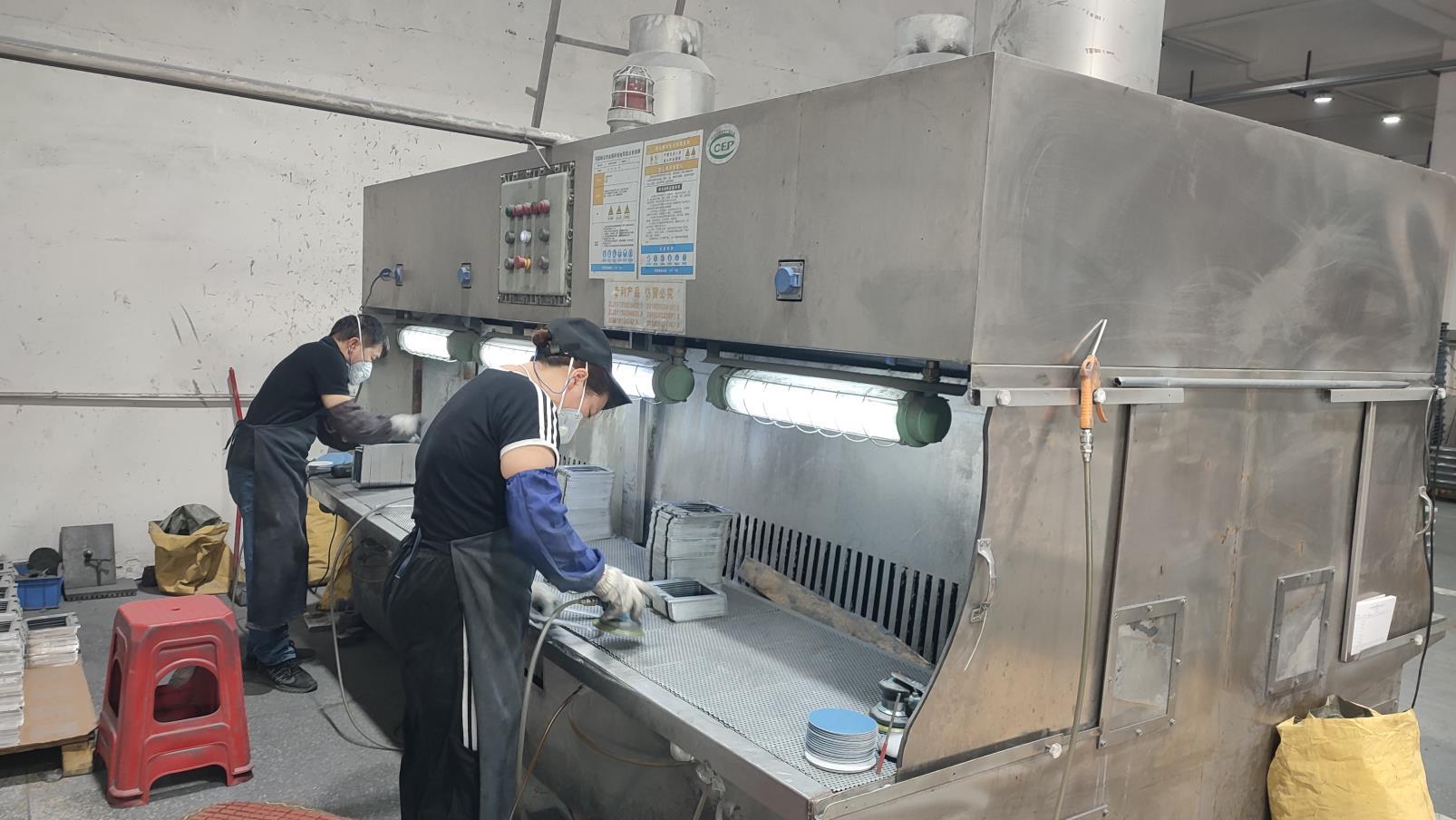
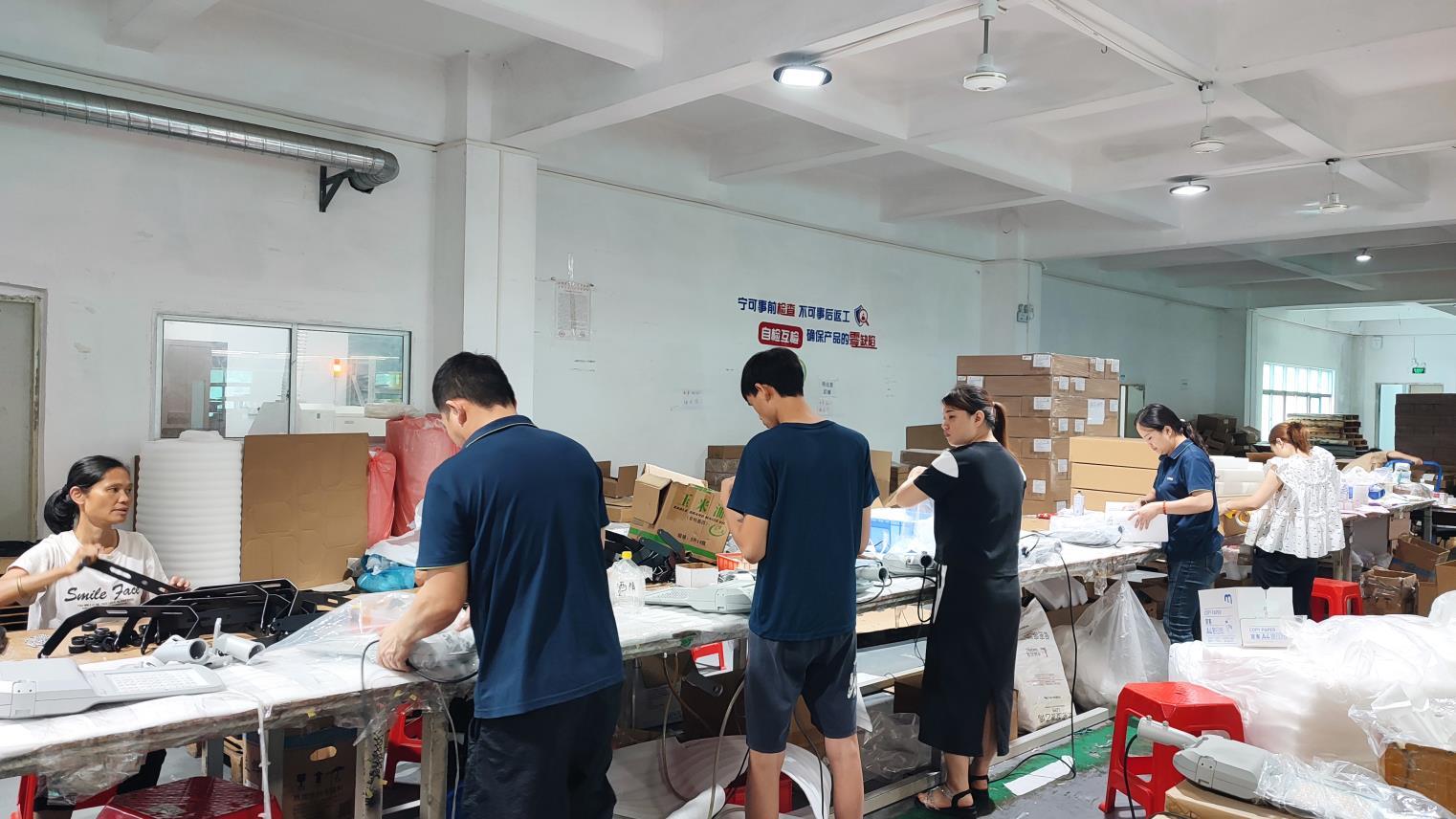
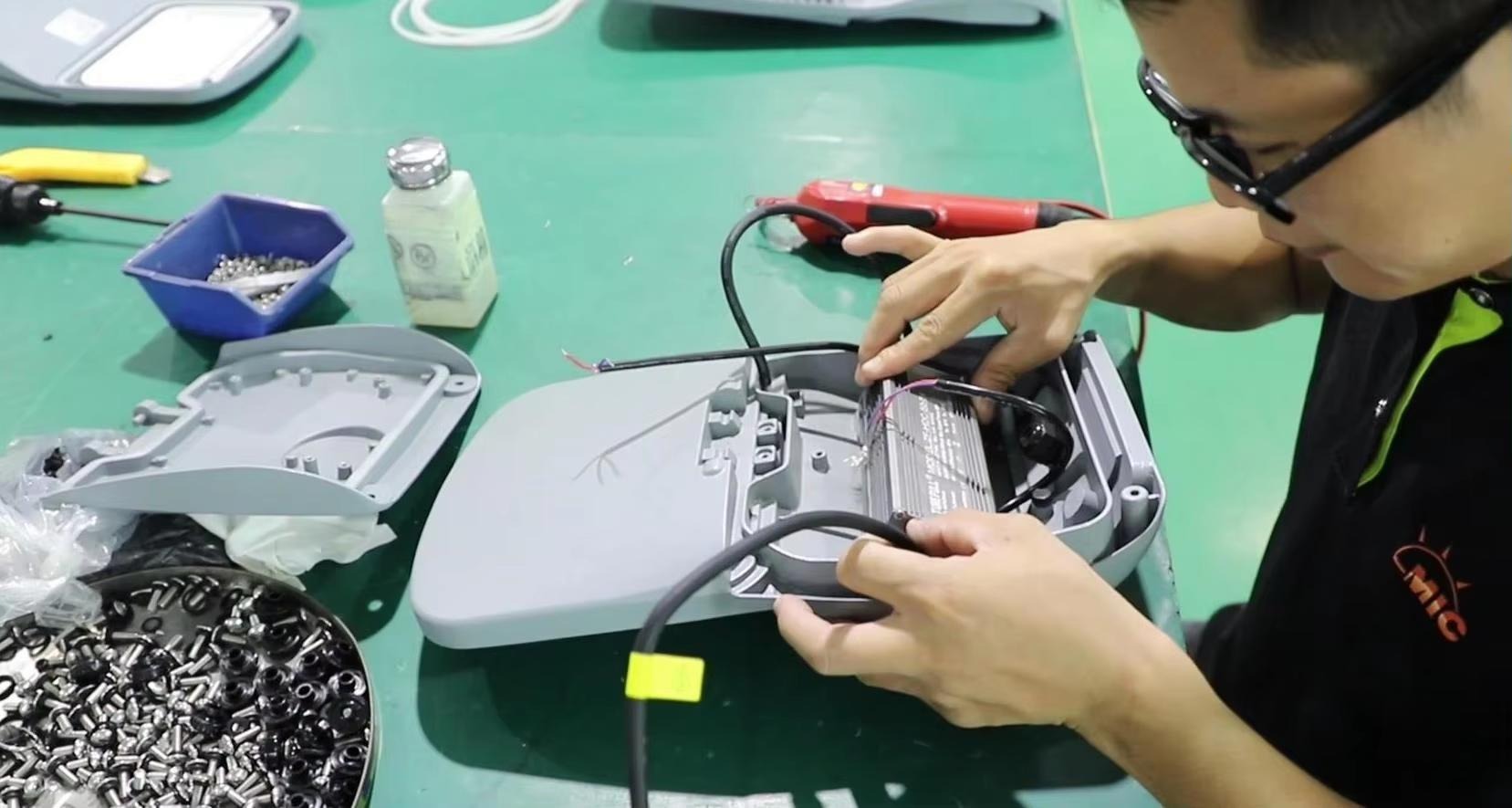
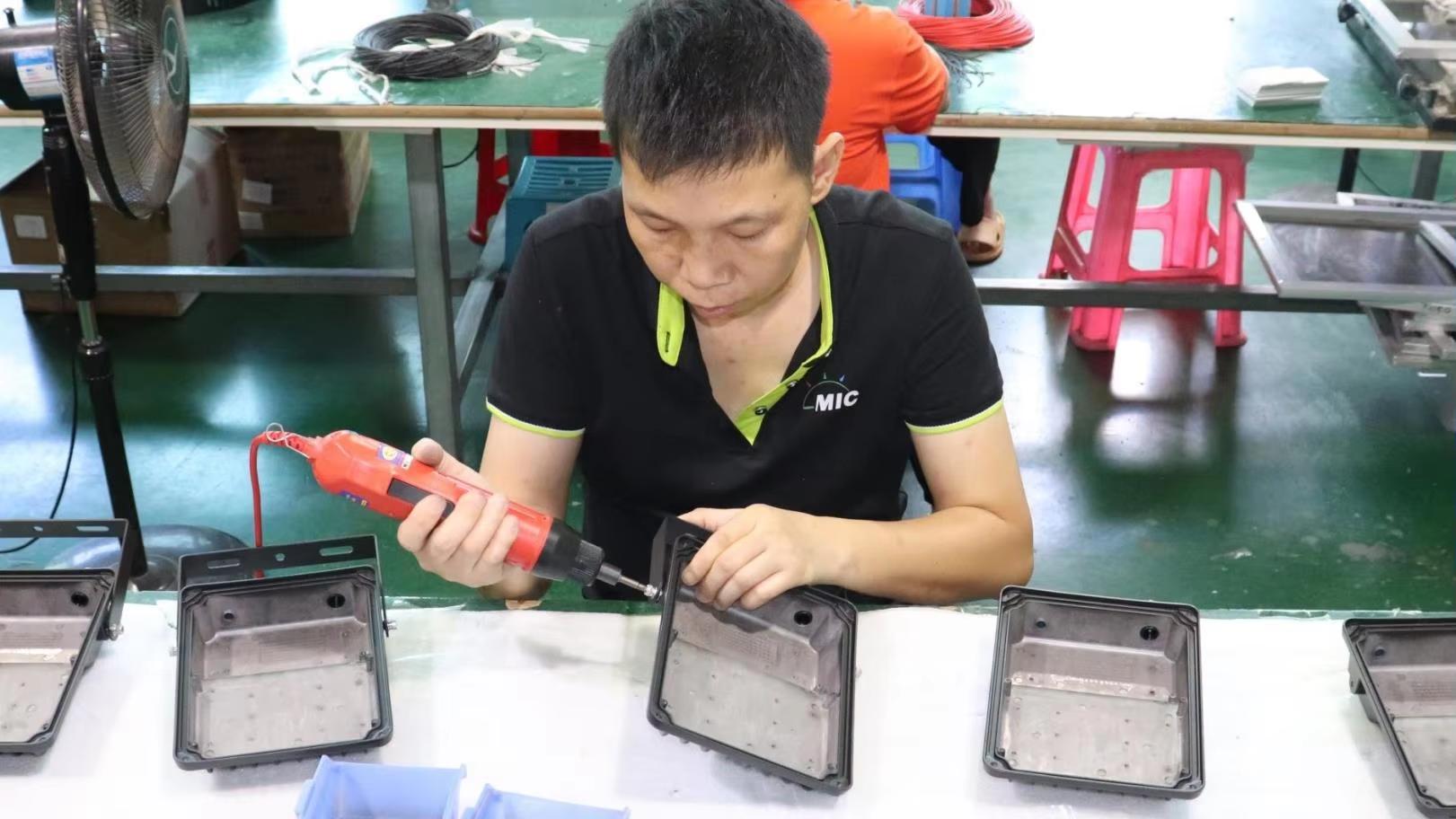
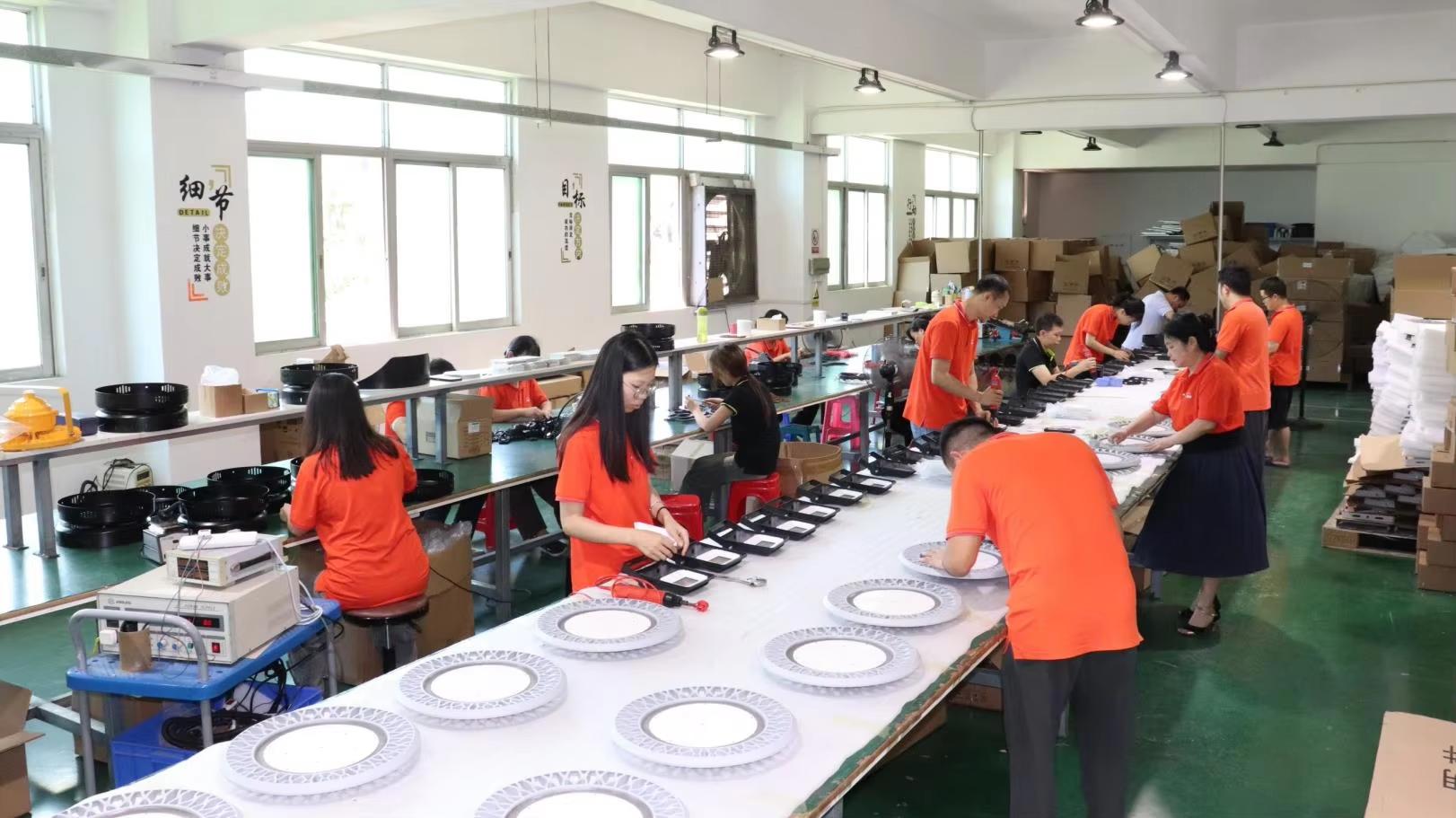
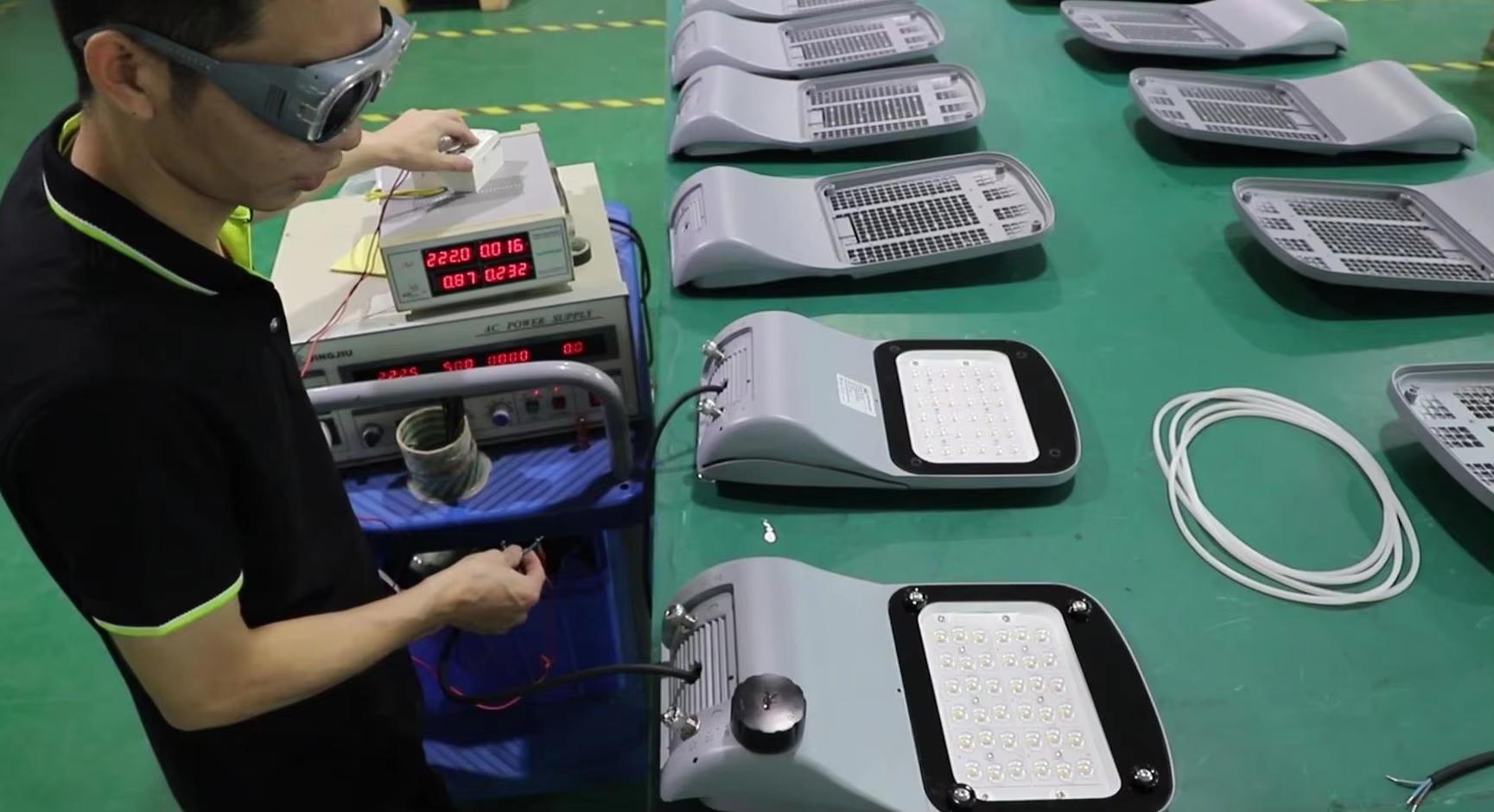
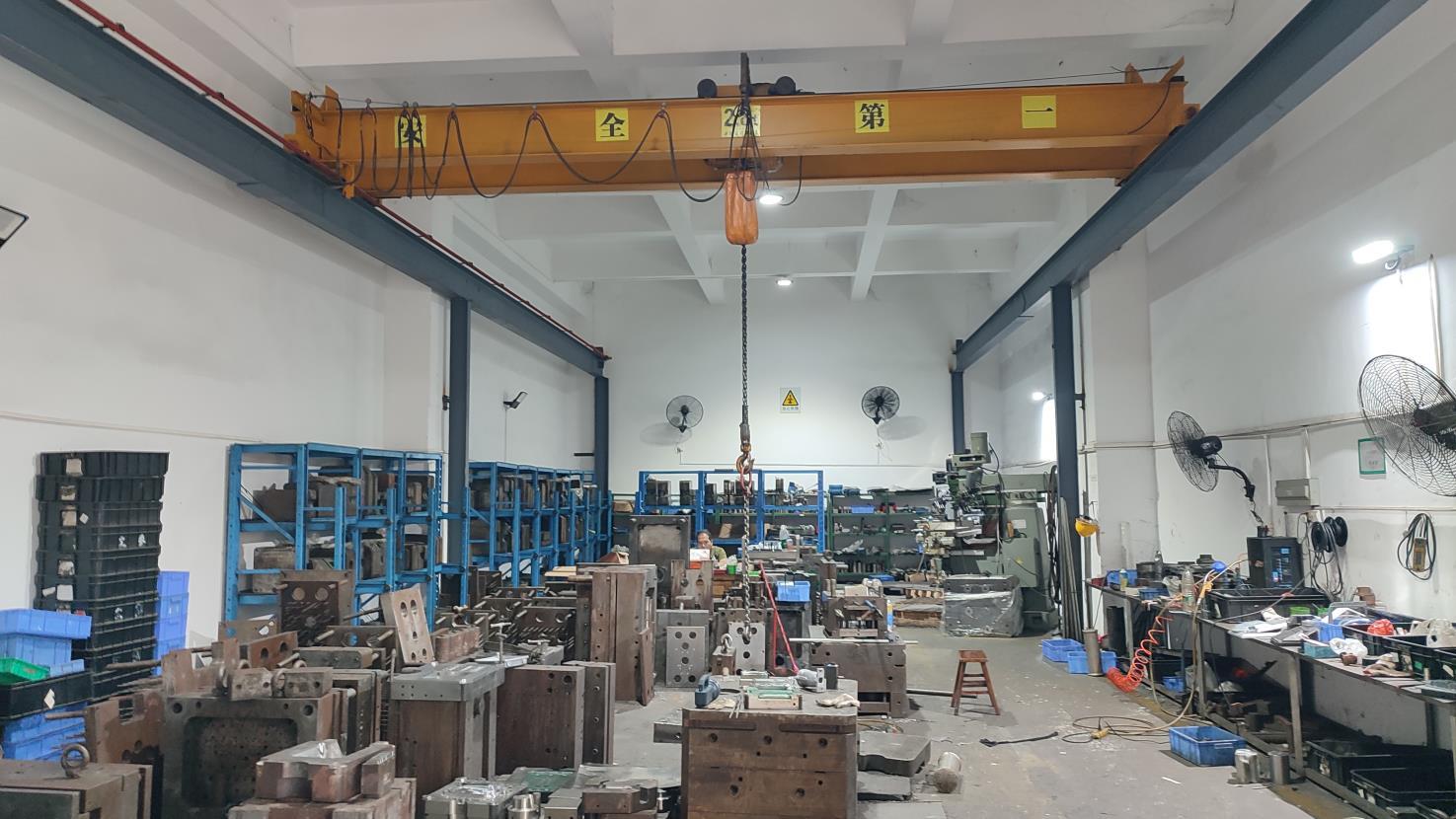
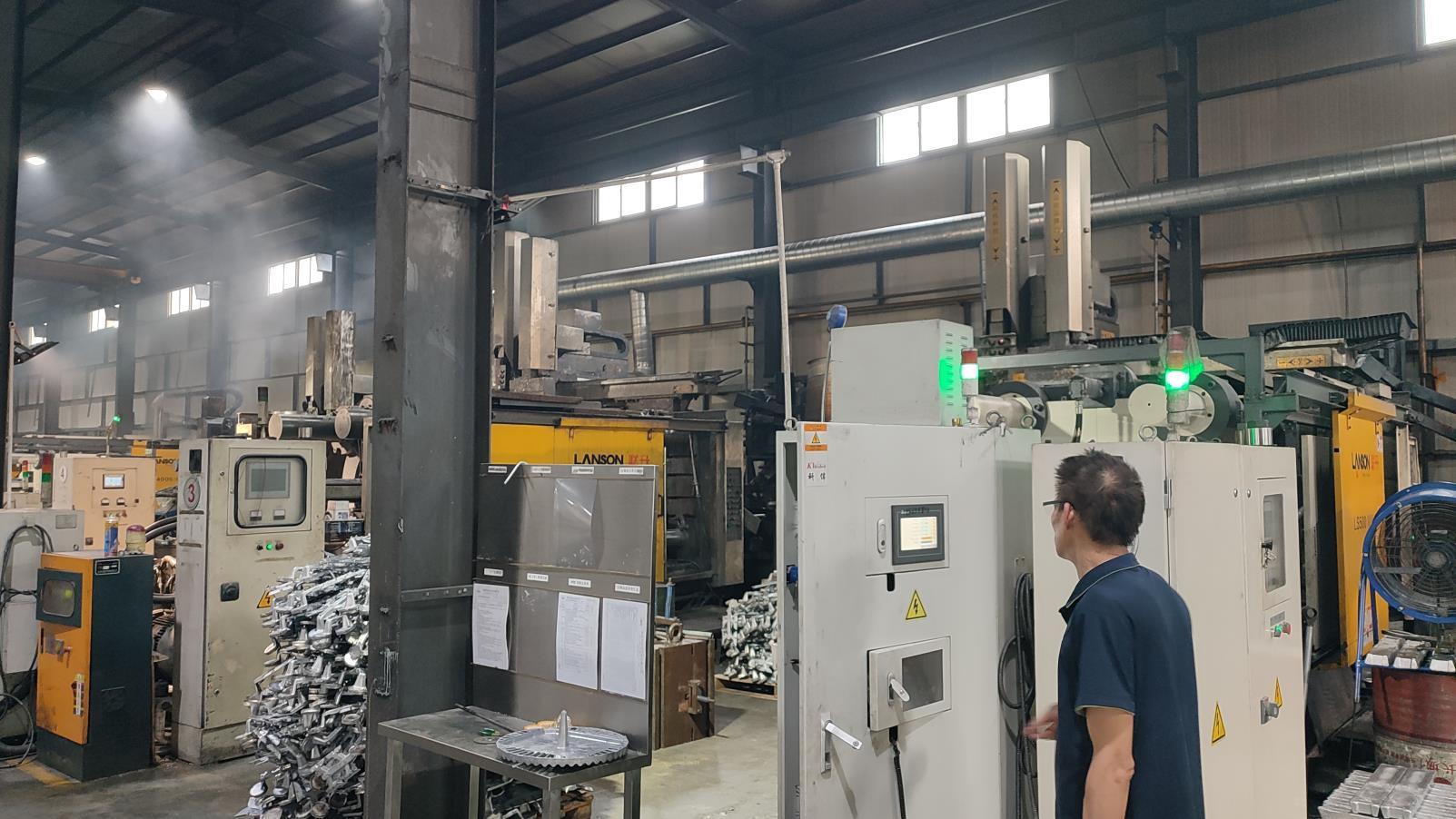
Guangdong’s electronics ecosystem enables us to deliver unmatched speed-to-market and high manufacturing precision. Step inside our automated production facility.
Molding Stage
1. Molding
Die-casting Stage
2. Die-casting
Drilling Process
3. Drilling
Trimming Stage
4. Trimming
Polishing Stage
5. Polishing
Packaging Process
6. Packaging
Parts Assembling 1
7. Parts Assembling 1
Parts Assembling 2
8. Parts Assembling 2
Overall Assembling
9. Overall Assembling
Testing Procedures
10. Testing
Aging Test Protocol
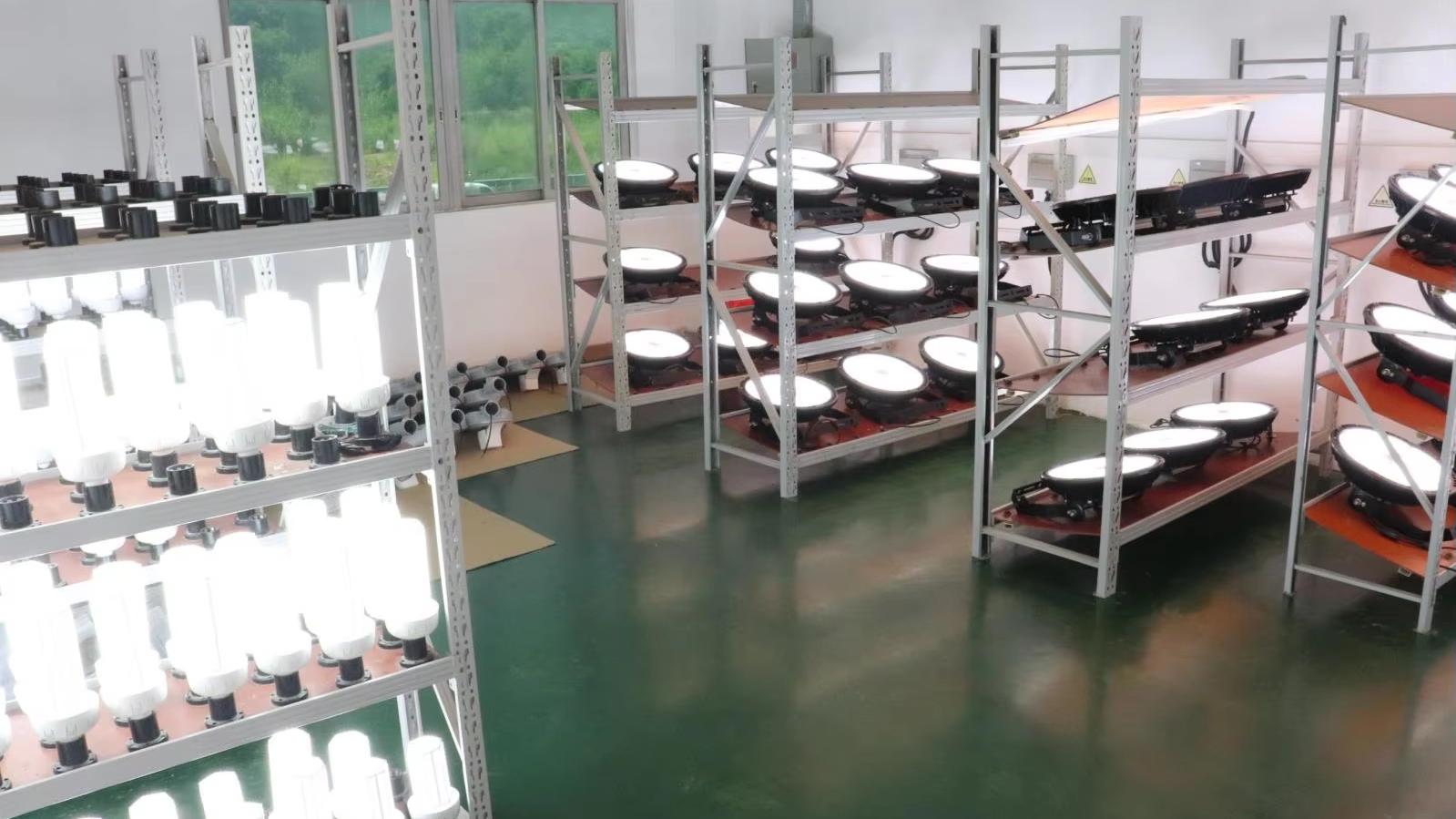
11. Aging Test
Packaging & Warehouse
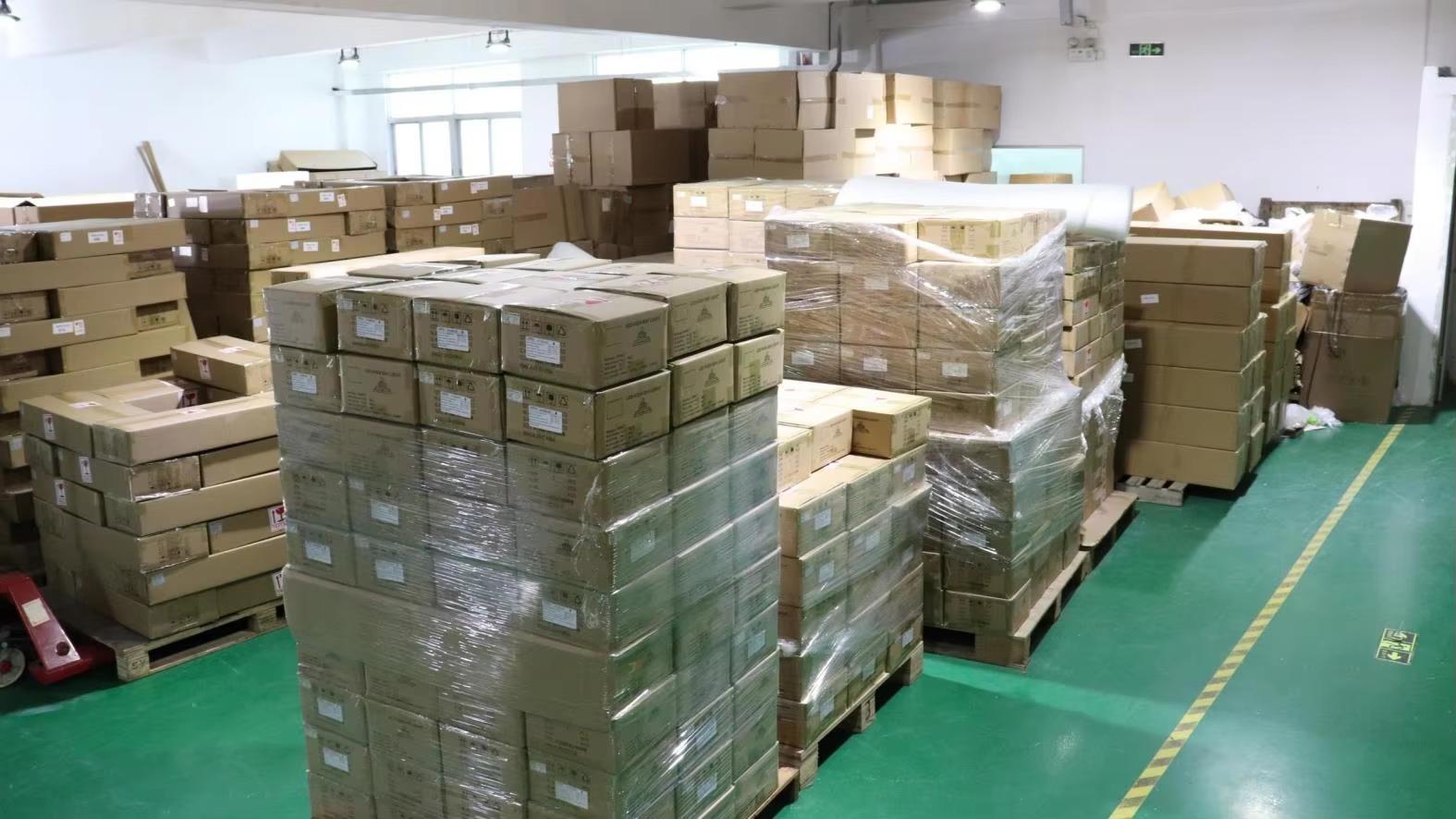
12. Packaging & Warehouse
Die-Casting Machine
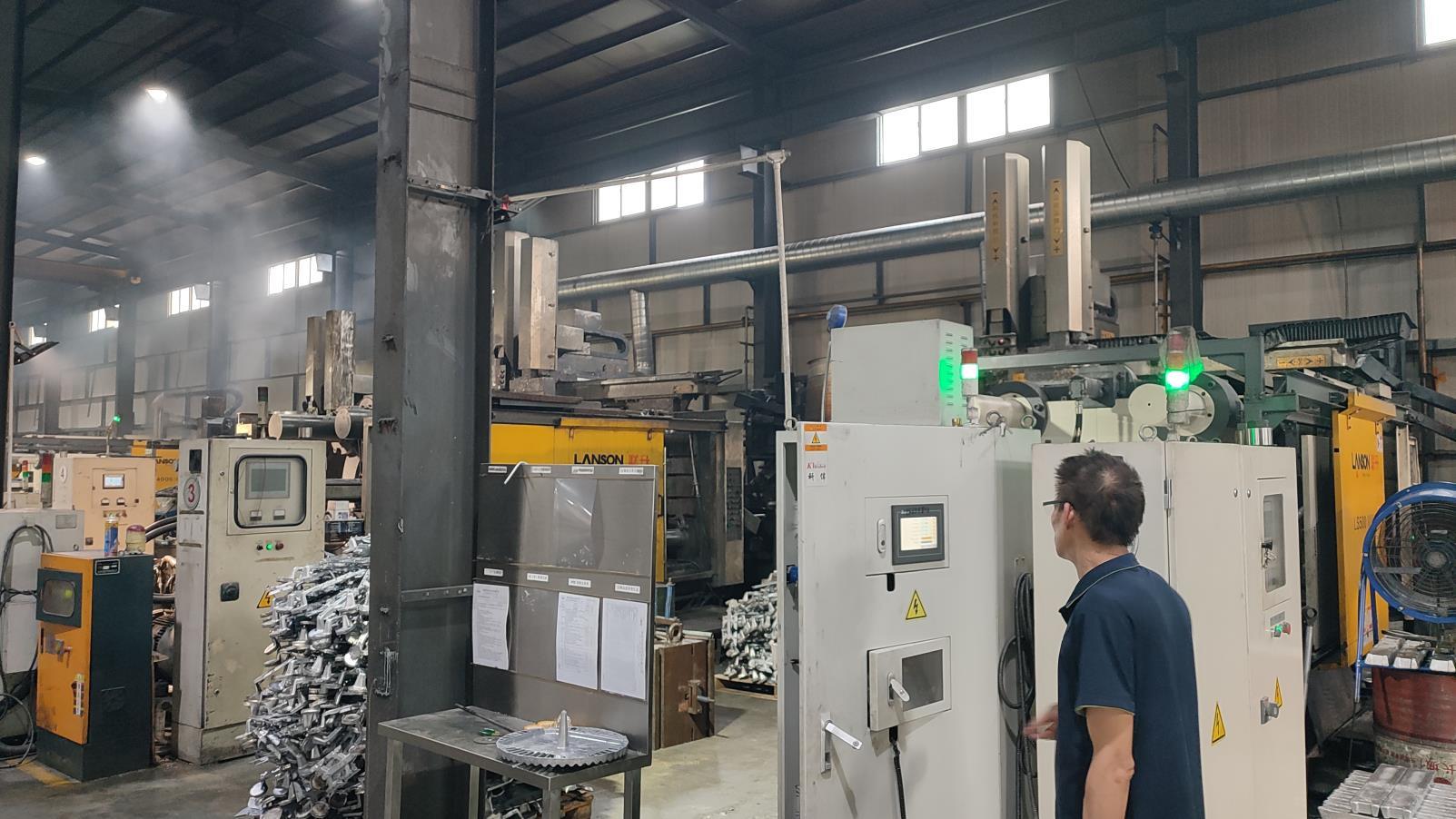
13. Die-Casting Machine

Global Standards & Engineering Compliance

We combine international manufacturing certifications with expert DIALux planning to secure peak reliability and cost savings.

Rigorous Certification Protocols

To meet the strict requirements of international projects, our facilities operate under certified ISO 9001 and ISO 14001 guidelines. Our comprehensive catalog is fully aligned with safety directives:

  • Europe: CE, RoHS, TÜV, ENEC, VDE, CB certifications
  • Oceania: SAA, C-Tick compliance
  • Photometric Standards: Verified LM79 and LM80 chip tests

DIALux Simulation Support

Correct lux distribution is critical for complex industrial applications. Our technical design office provides complete DIALux simulations to calculate lux distribution, unified glare rating (UGR), and mounting distances before fabrication begins.

This service avoids over-lumination and optimizes light distribution patterns, helping clients reduce installation costs and lower initial capital expenses by up to 25%.

OEM/ODM Customization Capabilities

Our factories are set up for rapid product modifications, allowing customized solutions to match specific customer needs:

  • Tailored drive currents for custom lumen outputs
  • Custom architectural paint finishes and corporate branding
  • Integrated smart control sensors (BLE Mesh, DALI-2, Zigbee)
  • Custom optical distributions (Type V, III, or asymmetric configurations)

Expert FAQ: Addressing Key Procurement Questions

Clear, direct answers to common questions about thermal management, driver selections, testing parameters, and compliance.

Why are LM-79 and LM-80 test reports critical for smart industrial LEDs?
An LM-80 report measures lumen maintenance over time (specifically the decay rate of the LED package), confirming the physical lifespan of the diodes. The LM-79 report measures the electrical and photometric characteristics of the entire luminaire, verifying total delivered lumens, efficacy, color temperature, and color rendering index (CRI). Together, these reports ensure your project meets local energy-saving codes and architectural requirements.
What are the primary differences between DALI, ZigBee, and BLE Mesh controls?
DALI is a robust wired system ideal for new commercial construction requiring reliable, interference-free performance. Zigbee and Bluetooth Low Energy (BLE) Mesh are wireless networks that offer easier routing and lower installation costs. BLE Mesh excels in smart commercial applications by allowing sensors, wall controls, and luminaires to form a self-healing network without a central gateway.
How does Guangdong Lijah protect smart electronics against high humidity and power surges?
For moisture protection, we use double-gasketed silicone seals and high-strength polycarbonate housings to achieve IP65/IP66 ratings. For power surge protection, we equip our smart drivers with dedicated Surge Protection Devices (SPD) rated up to 10kV/20kV. This protects sensitive smart controllers and communication chips from voltage spikes commonly found in industrial grids or areas with frequent lightning.
What does "CCT-switchable and Wattage-adjustable" mean for warehouse management?
These features allow installers to change the color temperature (e.g., 3000K, 4000K, 5000K) and adjust the operating wattage (e.g., 30W to 50W) using small switches on the driver housing. This flexibility allows one product SKU to cover multiple project conditions, significantly lowering inventory holding costs for wholesalers and distributors.