High-efficiency, professional-grade LED luminaires supporting customizable distributions, high luminous output, and robust thermal protection systems.
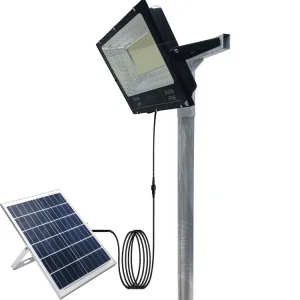
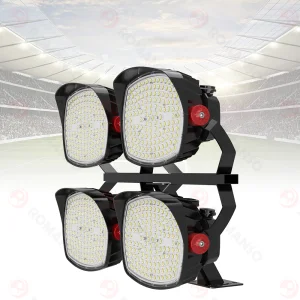
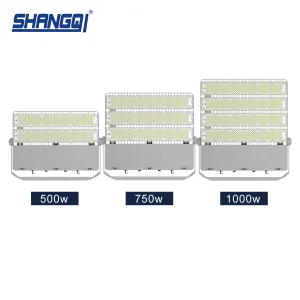
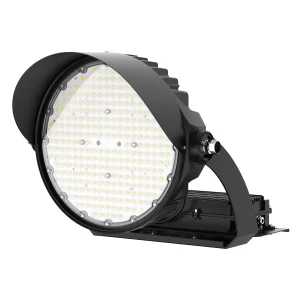
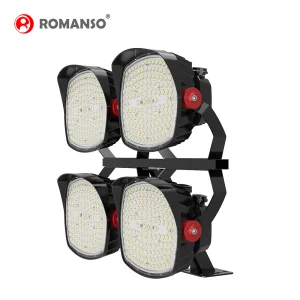
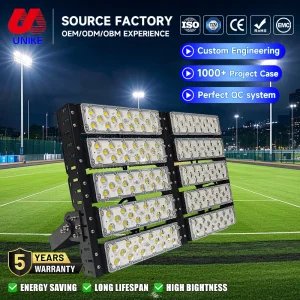
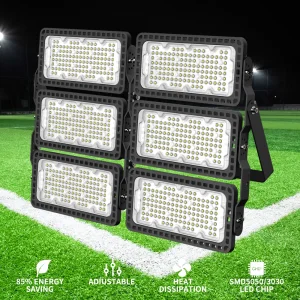
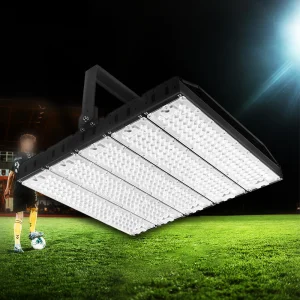
Traditional high-intensity discharge (HID) and metal halide fixtures have long been the industry standard for arena illumination. However, these legacy systems face substantial challenges: long warm-up cycles, rapid lumen depreciation, low energy efficiency, and a lack of granular controls. The rapid evolution of high-efficiency LED stadium lighting has rewritten the standard for global sporting infrastructure.
Modern sports lighting requires extreme performance. It's not just about producing enough lumens; it's about control, uniformity, color fidelity, and thermal durability. Modern LED stadium lighting leverages advanced solid-state optical arrays that direct light precisely onto the playing field, reducing glare and preventing spill light in adjacent residential areas. This optical control allows operators to maintain excellent uniform horizontal and vertical illuminance, crucial for spectator safety, player confidence, and high-definition video broadcasting.
Additionally, modern systems must resist severe environmental conditions. High-mast luminaires are exposed to constant wind loads, temperature swings, and humidity. By combining heavy-duty die-cast aluminum housings with specialized anti-corrosive powder coatings, top-tier manufacturers ensure these systems can operate continuously in coastal regions, high-wind zones, and humid tropical climates.
A trusted, engineering-driven global manufacturing partner for high-performance LED luminaires.
Guangdong Lijah Light Co., Ltd. is a professional manufacturer specializing in the research, development, production, sales, and service of modern, energy-efficient, and intelligent LED lighting solutions. As a technology-driven enterprise, we are committed to providing innovative, reliable, and sustainable lighting products for industrial, commercial, and outdoor applications worldwide.
With years of industry experience, Lijah Light has become a trusted partner for distributors, wholesalers, contractors, and project developers across Europe, Oceania, Southeast Asia, the Middle East, and other international markets. By combining advanced manufacturing technologies with continuous product innovation, we provide customers with high-quality lighting solutions that deliver outstanding performance, long service life, and significant energy savings.
Innovation is the driving force behind our growth. Our R&D team works closely with engineering, marketing, and sales departments to design and deploy lighting systems that meet evolving B2B specifications, including smart controls and extreme thermal management.
Our manufacturing processes operate under a strict quality management system to ensure international conformity. We comply with CE and RoHS directives and hold recognized standard certifications including TÜV, ENEC, VDE, SAA, C-Tick, CB, LM79, and LM80.
We provide professional lighting design support through detailed DIALux simulation services. Our experienced application engineers optimize luminaire quantities, mounting angles, and spatial uniformity, helping clients reduce installation costs while maximizing visual quality.
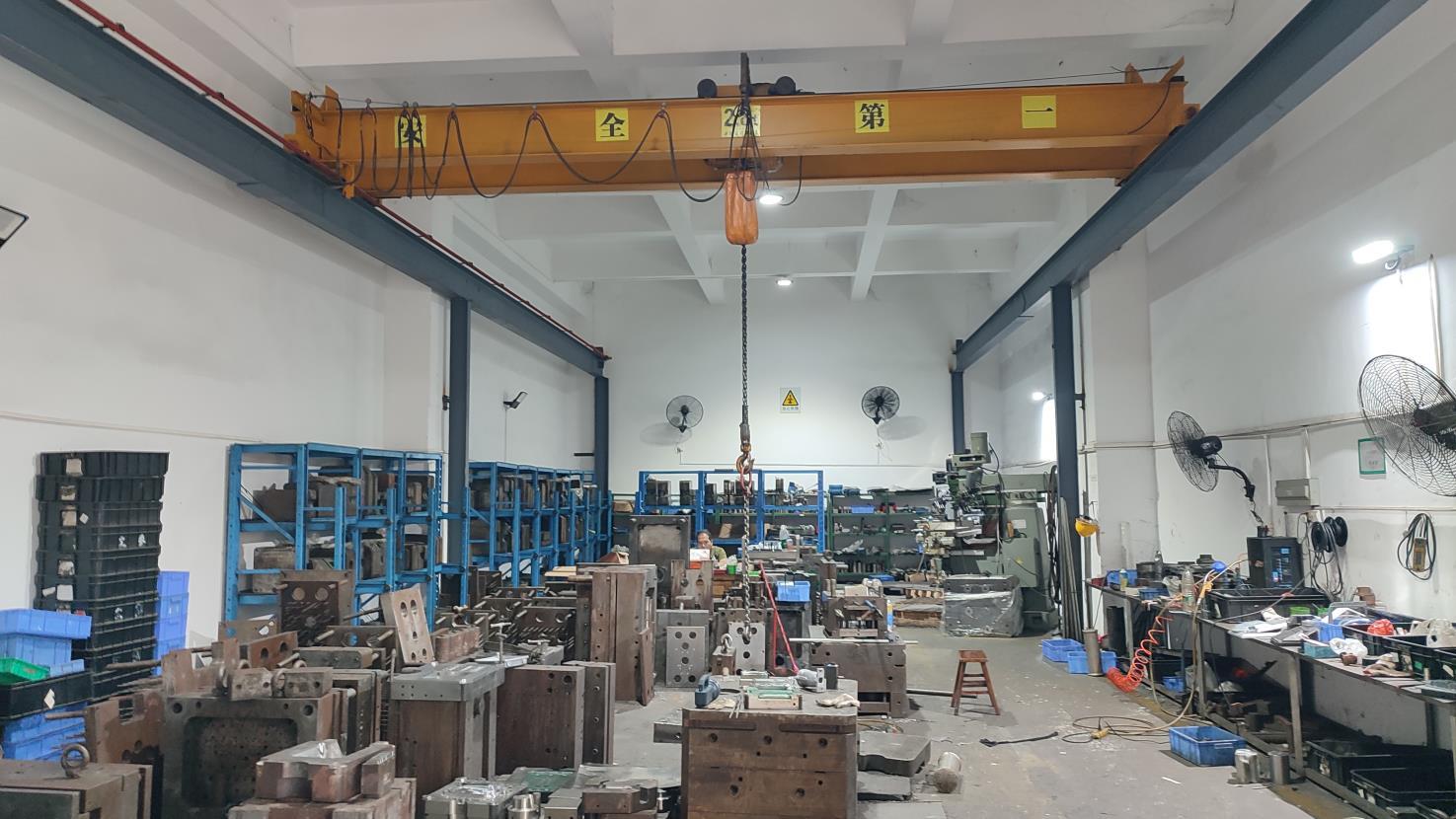
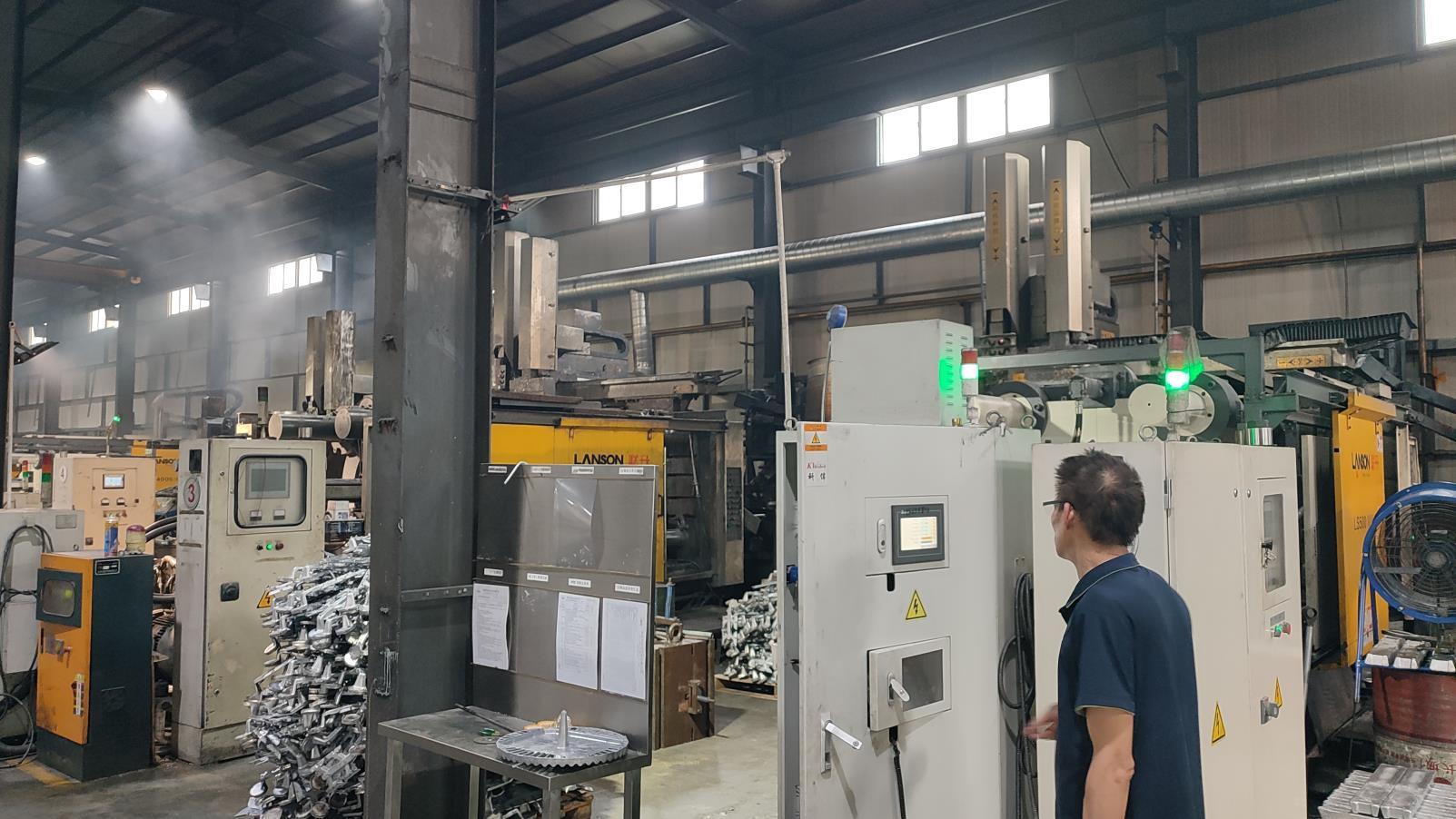
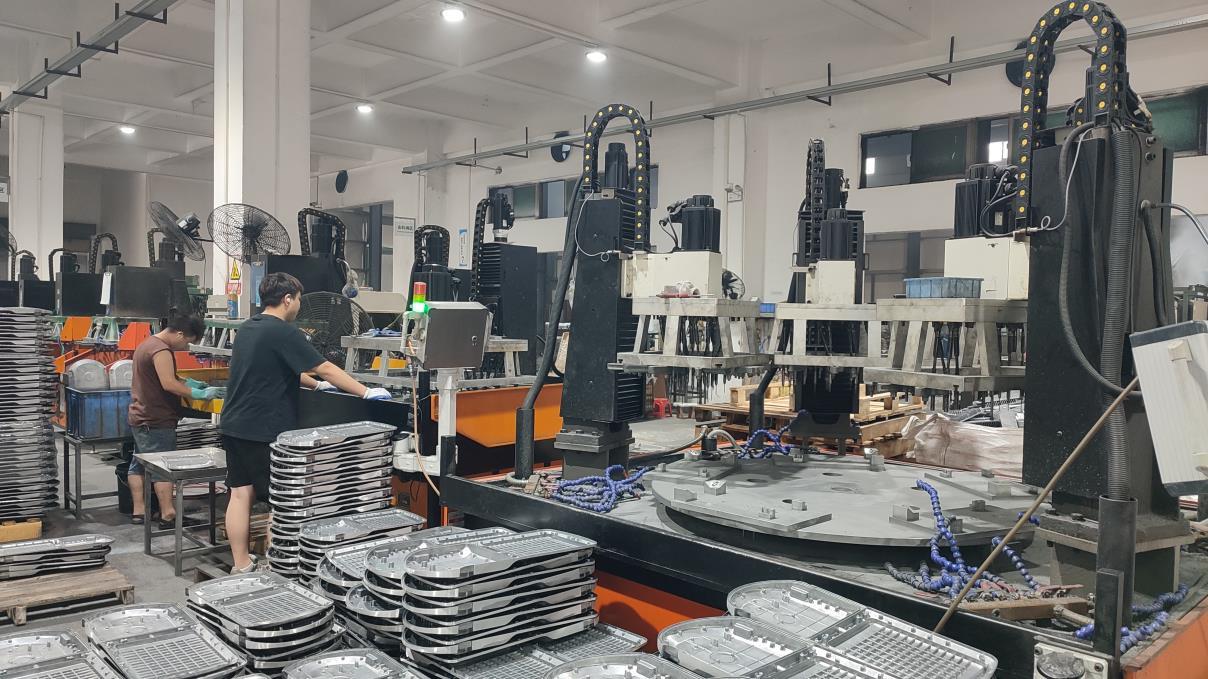
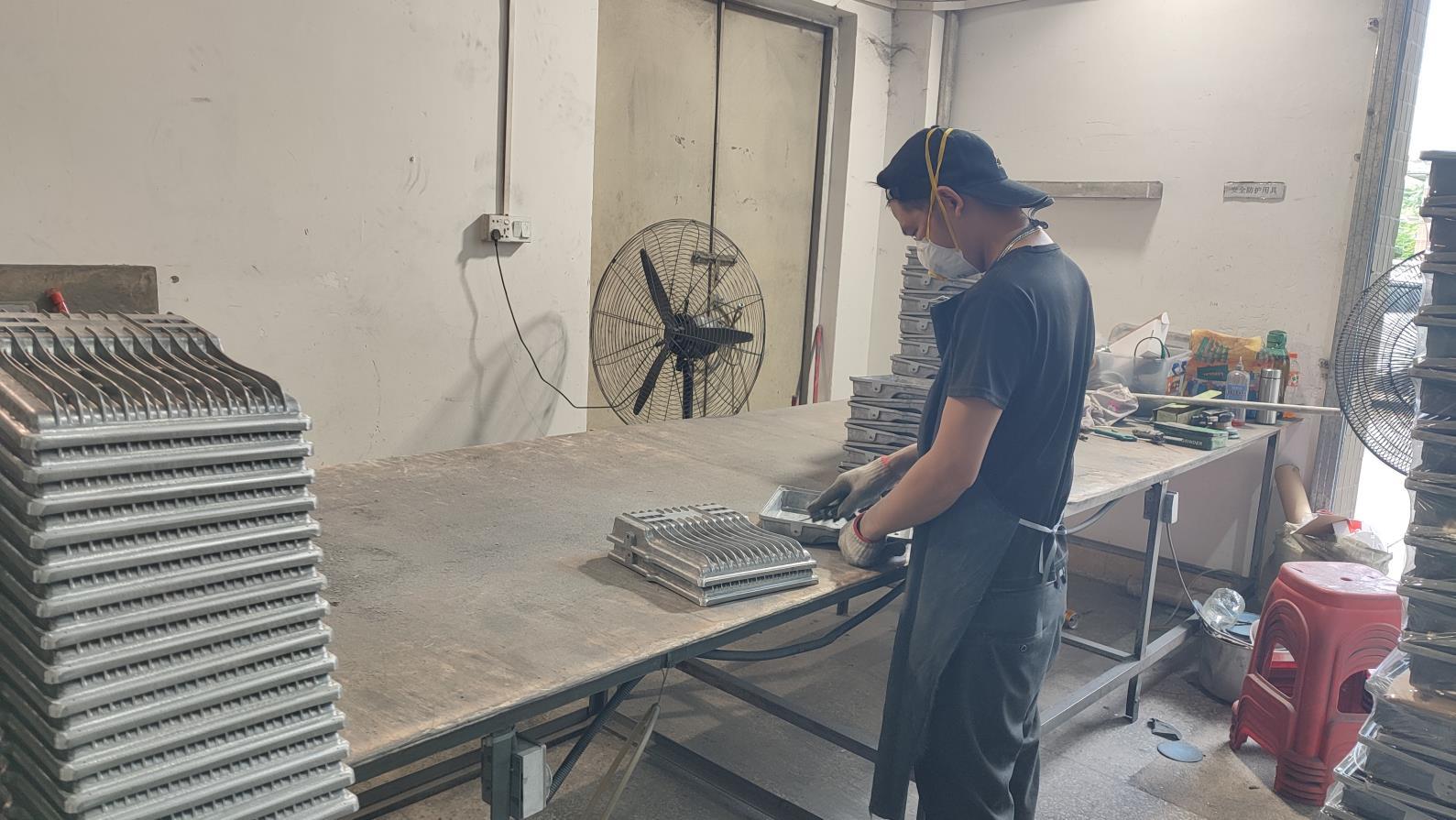
A step-by-step look at our advanced manufacturing lines, ensuring mechanical and thermal reliability.
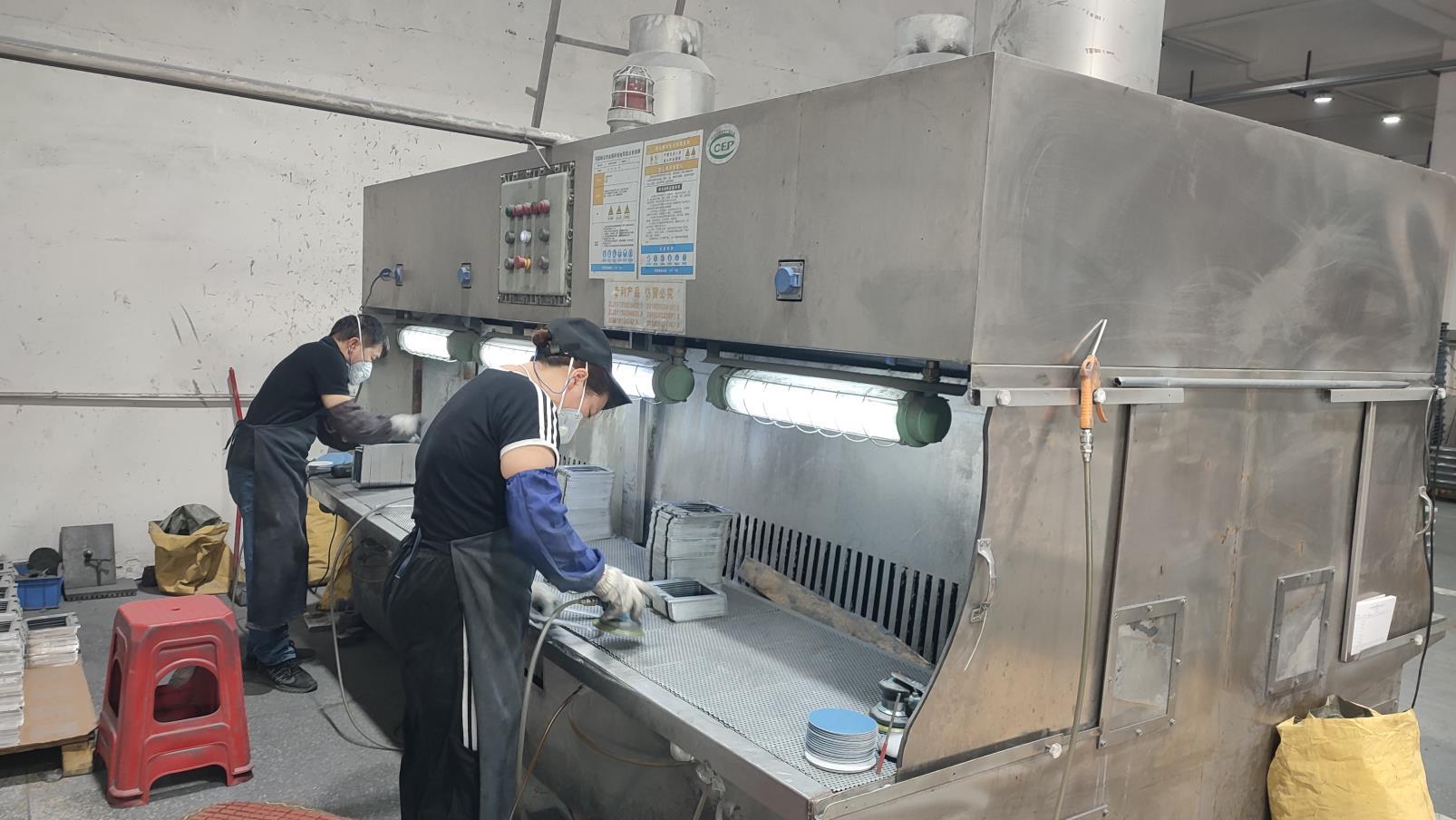
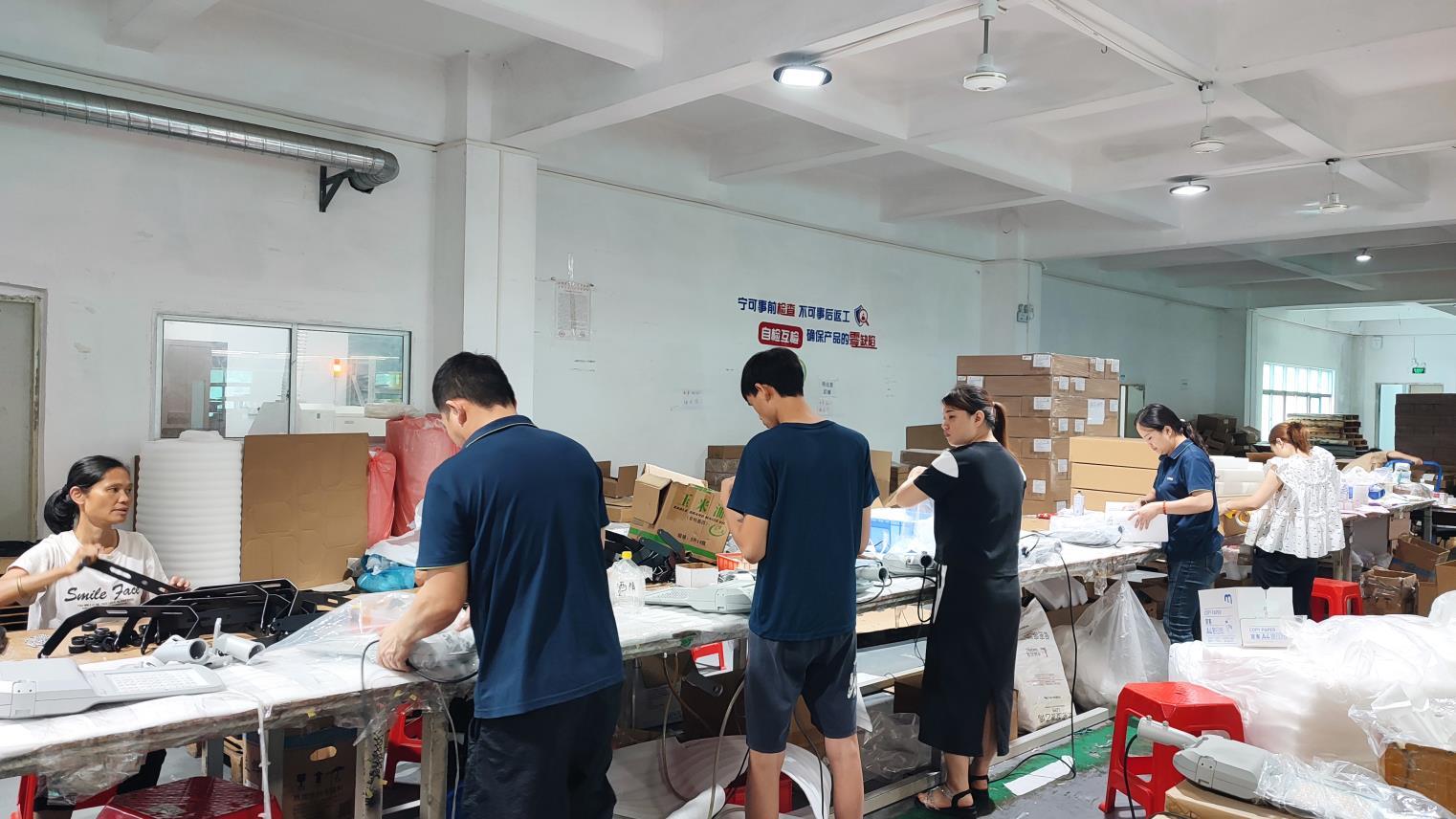
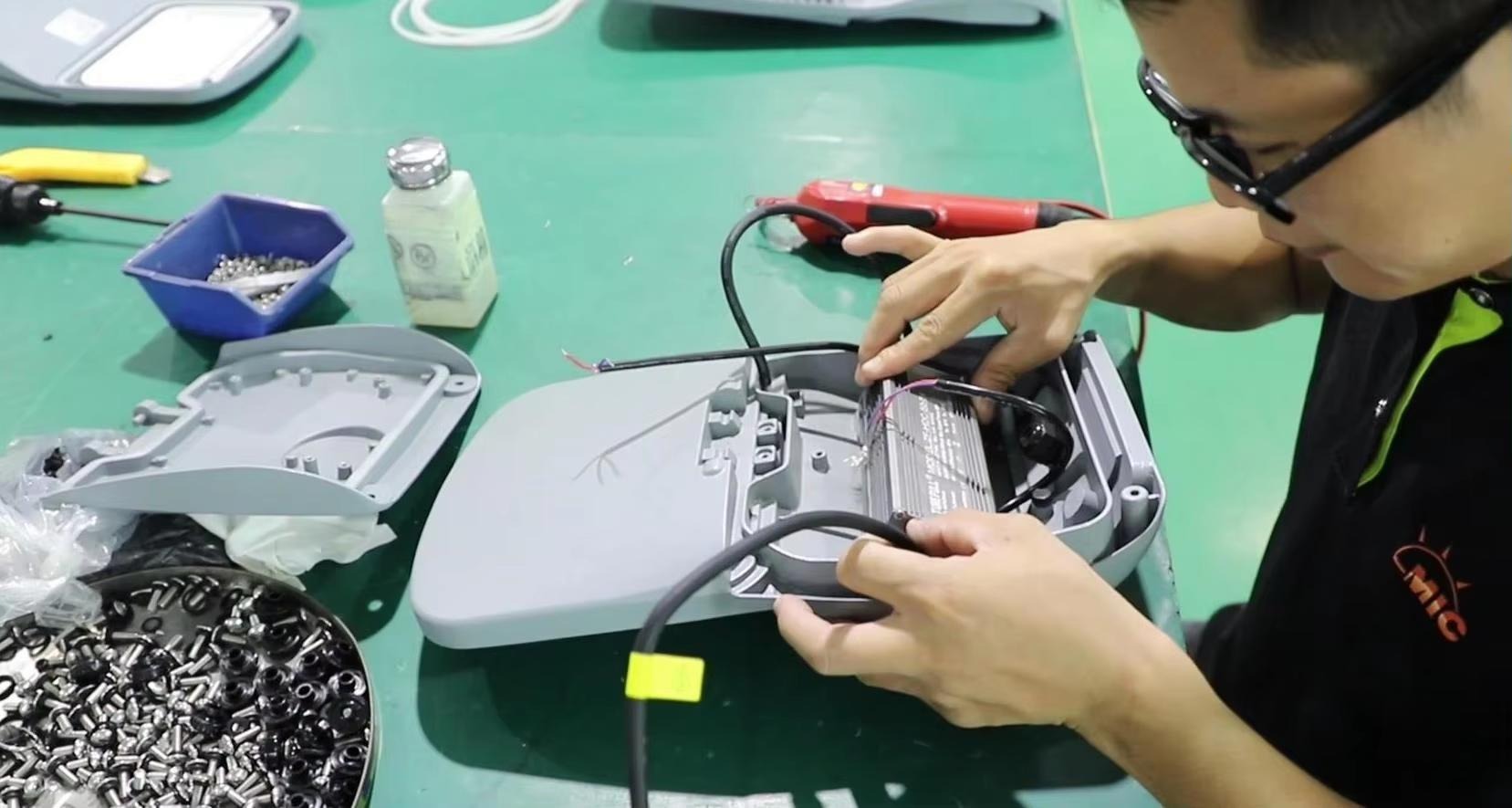
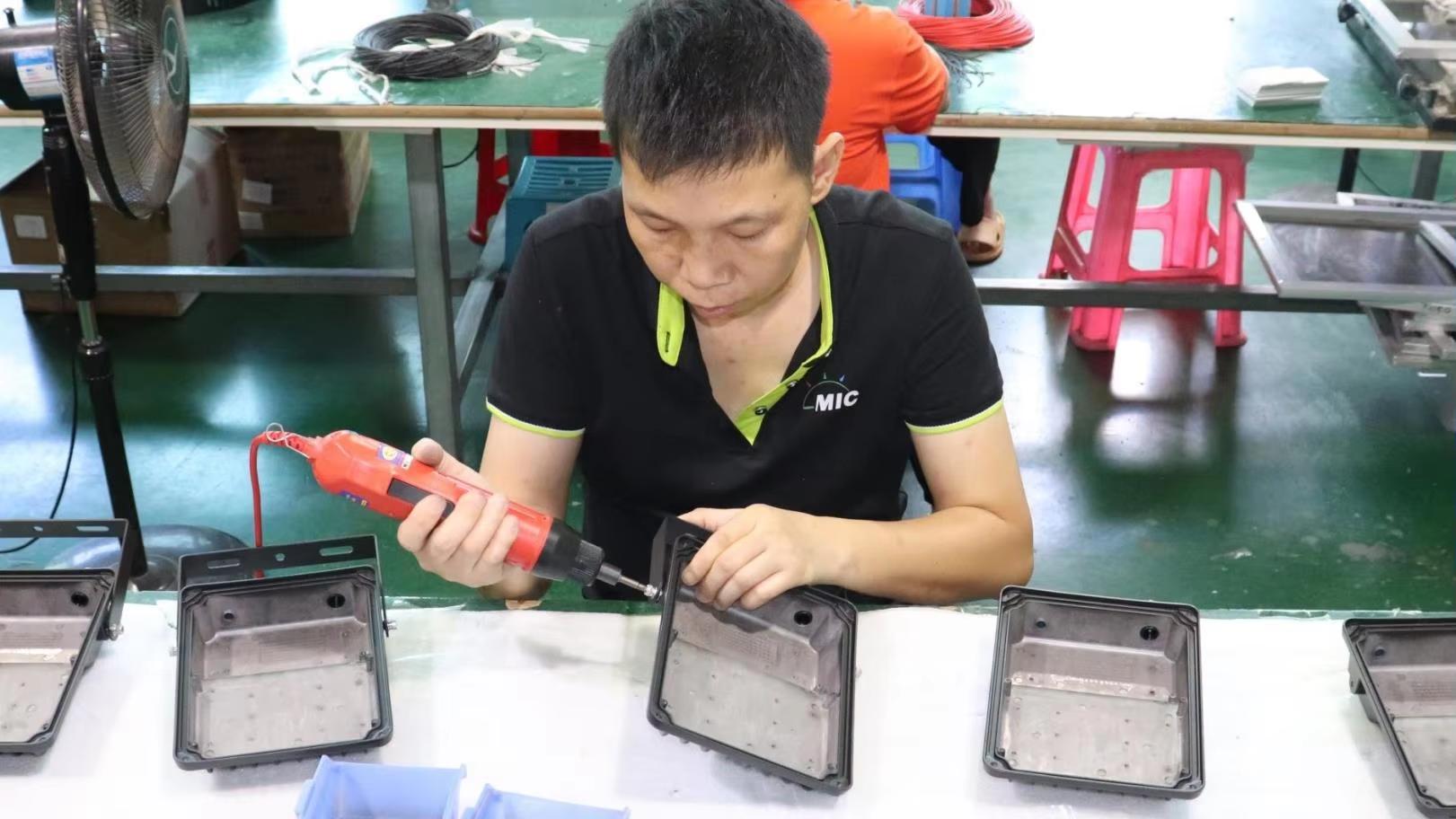
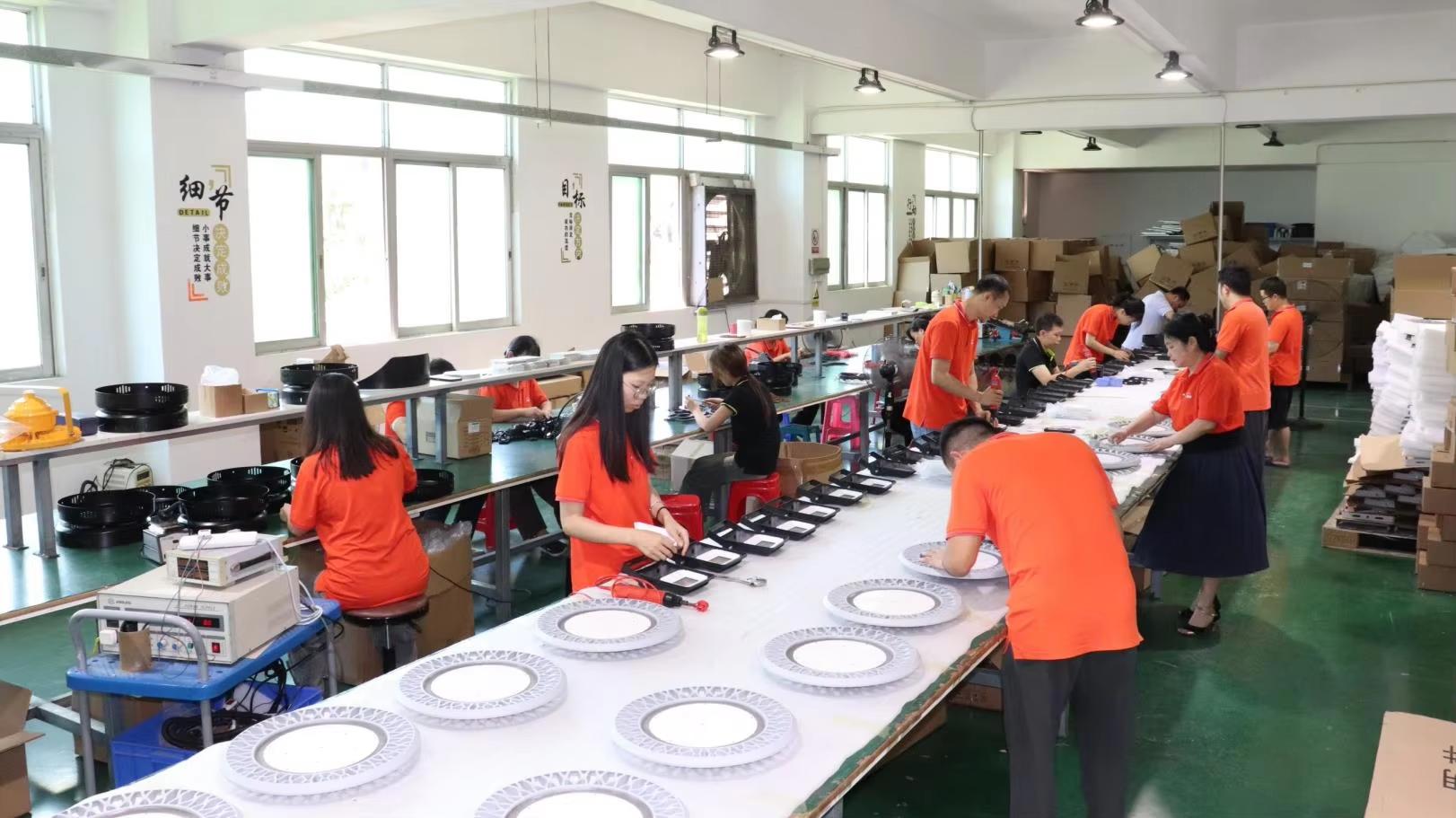
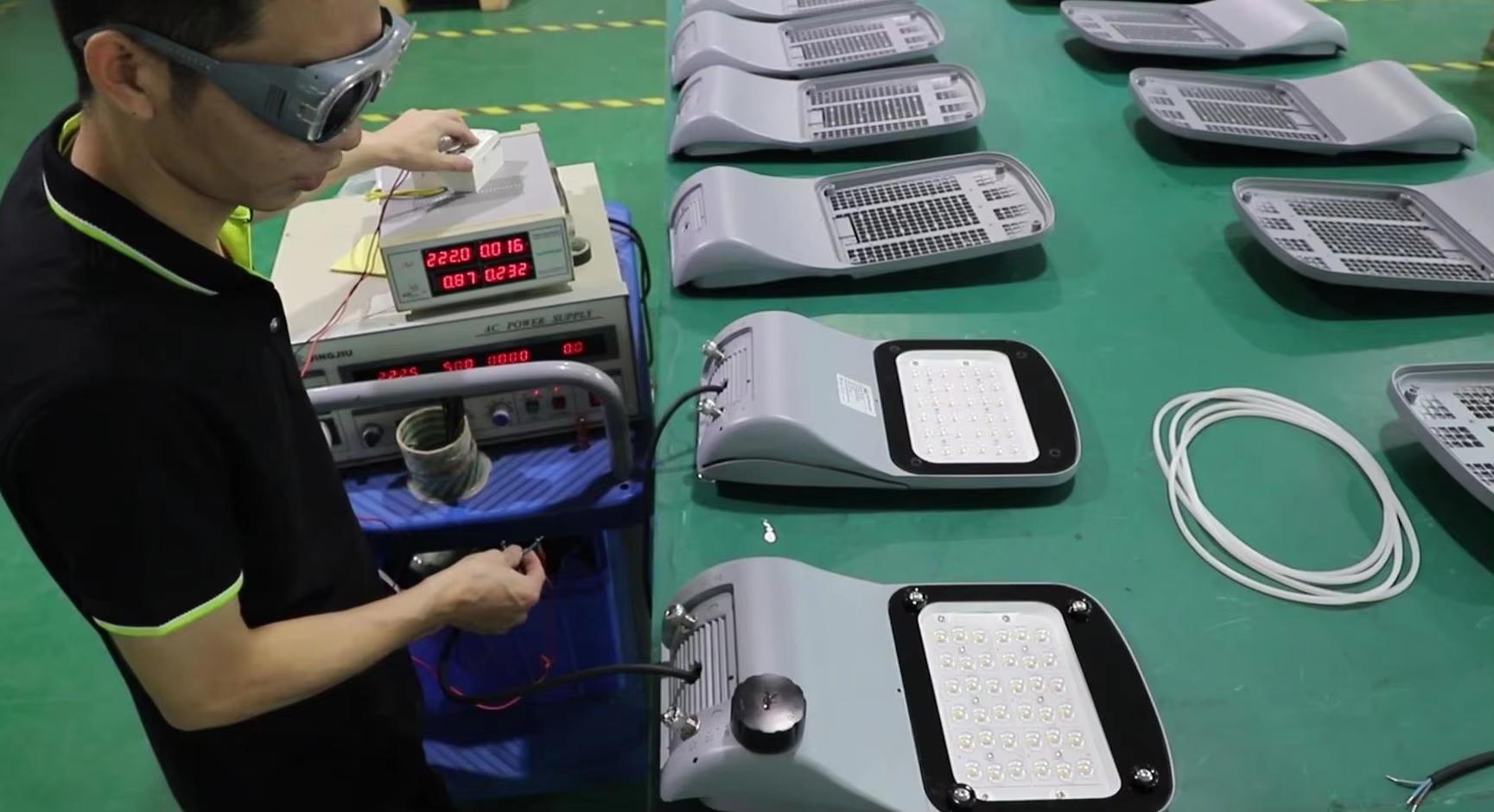
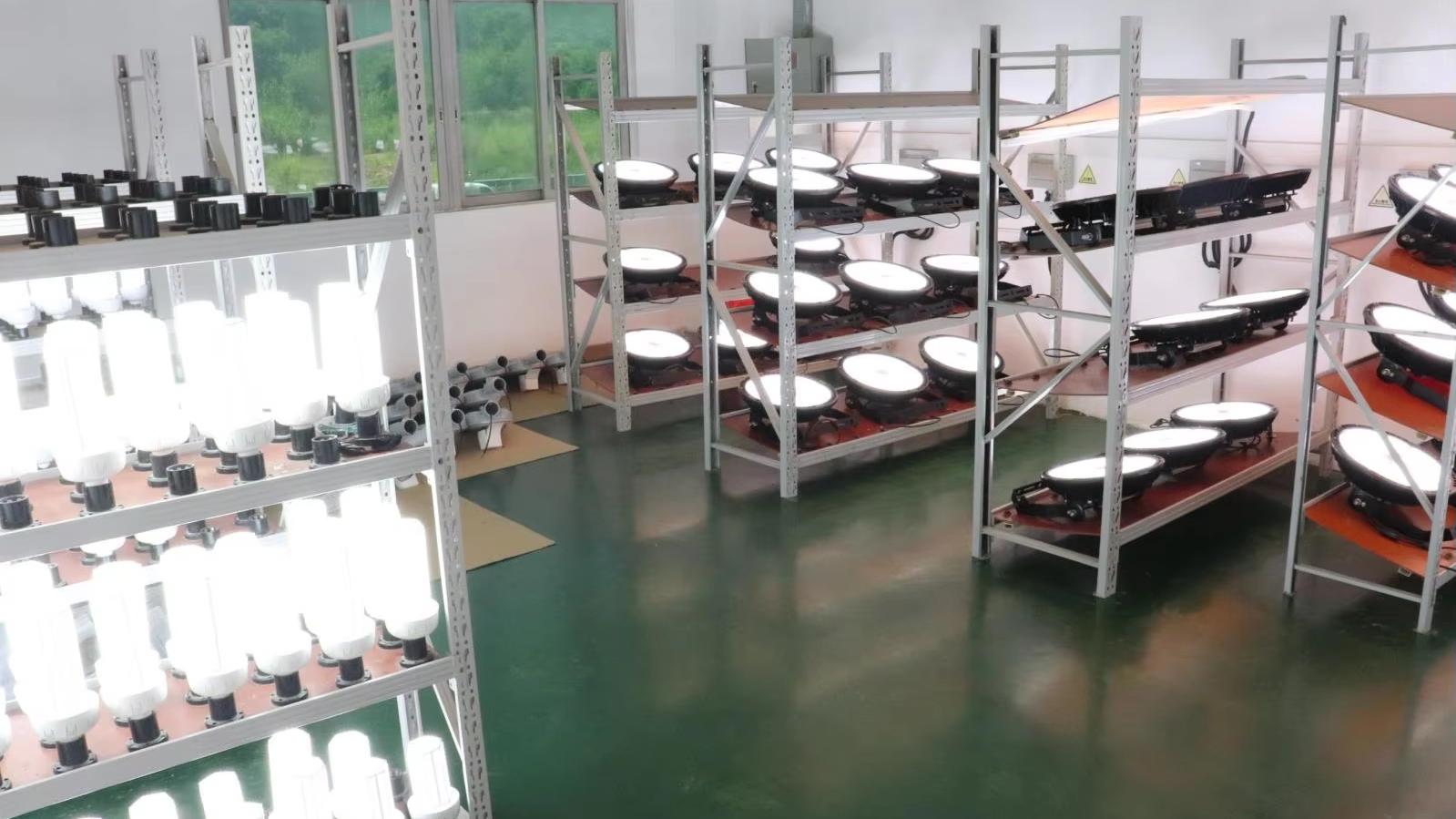
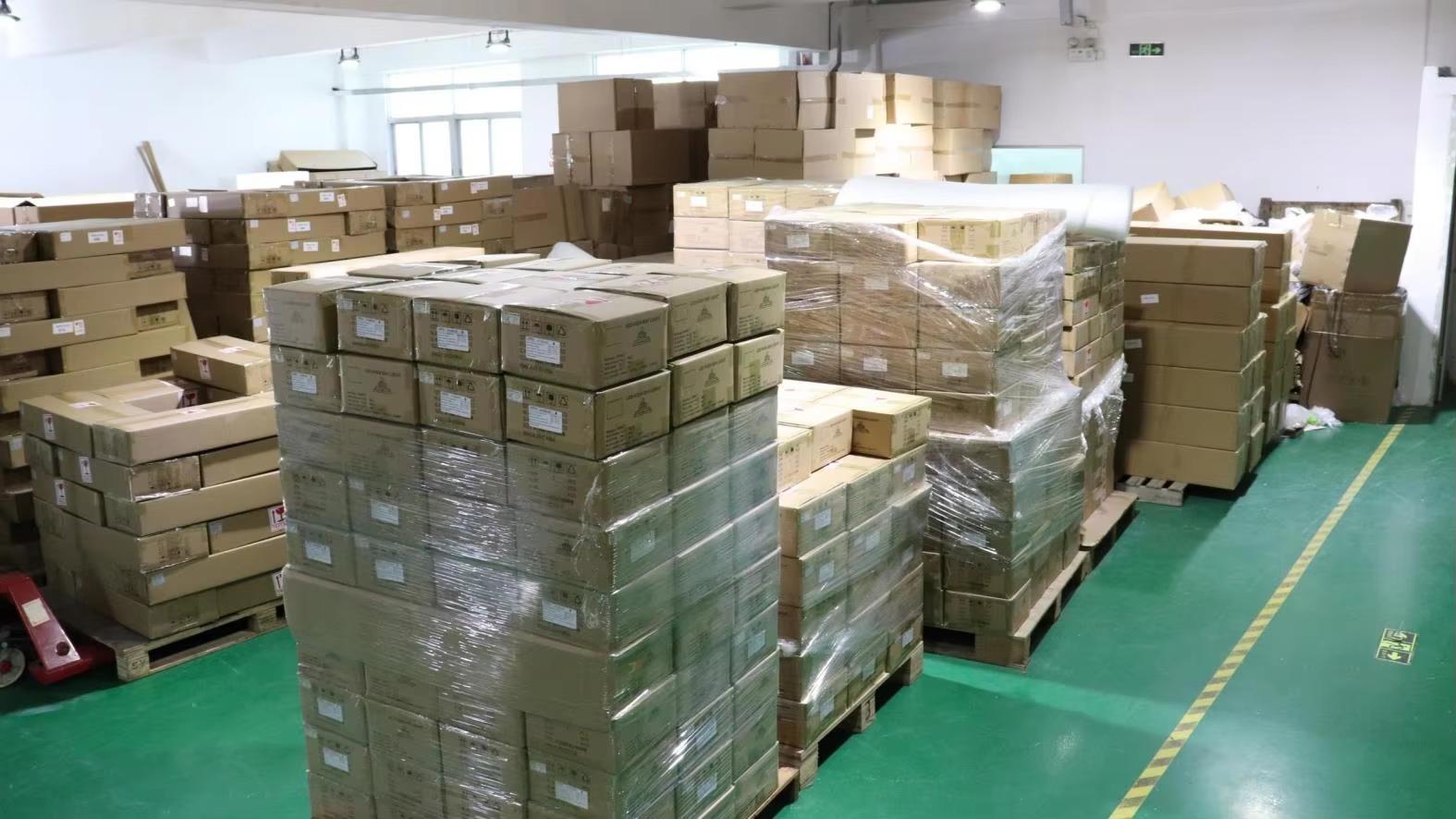
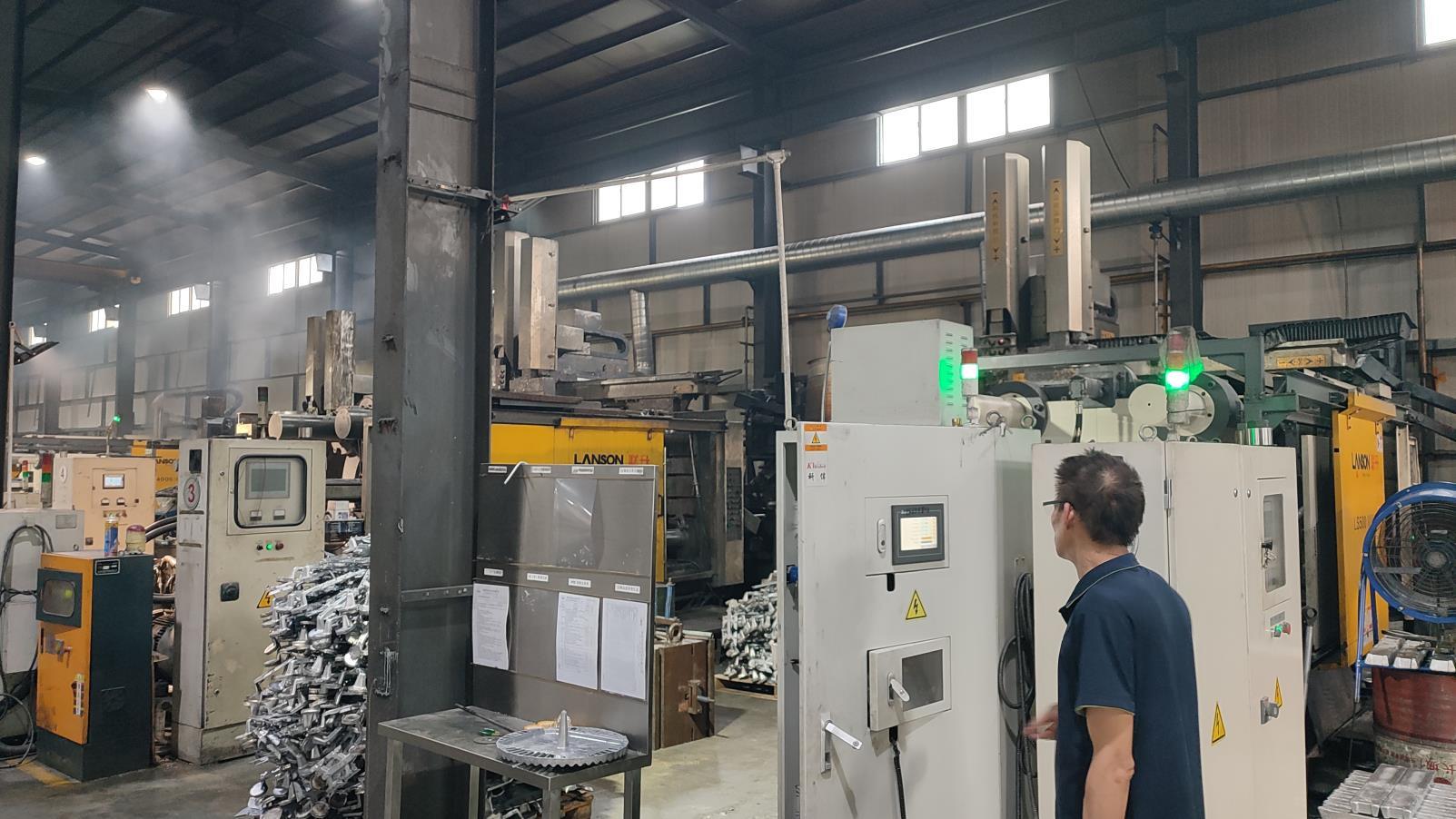
B2B procurement managers, stadium engineers, and municipal stakeholders face strict compliance and performance standards when sourcing outdoor sports lighting. System durability and lighting quality directly impact operational budgets, athlete performance, and broadcasting compatibility.
Modern sports entertainment relies heavily on high-speed digital cameras. Traditional parameters like CRI (Color Rendering Index) are no longer sufficient. Professional installations require compliance with the TLCI (Television Lighting Consistency Index). A TLCI rating greater than 90 ensures color reproduction under camera sensors remains realistic, minimizing color-grading correction time in live production rigs. Furthermore, to support high-frame-rate slow-motion replays, stadium lights must achieve flicker-free operation with a ripple factor of less than 1%.
The heat dissipation mechanism determines the lifespan of high-wattage LED lights. Running 1000W to 2000W LED engines generates significant heat. If thermal paths are inefficient, LED junction temperatures will spike, causing rapid color shift and lumen output drop. We design multi-directional convection heat sinks with air gaps using high-grade ADC12 die-cast aluminum. This configuration keeps junction temperatures below 75°C, ensuring the system reaches a projected L90 lifetime of over 50,000 hours.
High-mast structures up to 40 meters high are subjected to strong winds. High EPA profiles increase structural fatigue on poles and brackets. Our wind tunnel-tested high-mast floodlights feature low-drag aerodynamics, with brackets rated to withstand structural wind loads of up to 60 meters per second (equivalent to Category 5 hurricanes).
For installations over 20 meters, remote-driver mounting is highly advantageous. Placing drivers at the pole base simplifies inspection and replacement, eliminating the need for expensive bucket trucks. Heavy-gauge copper cabling keeps voltage drops under 2% across runs up to 50 meters, maintaining system stability and electrical performance.
Different sports facilities require specialized lighting distributions. A tennis court demands high horizontal uniformity to track fast-moving balls, whereas a football stadium requires precise vertical illuminance to ensure visibility for spectators, players, and camera lenses.
Using DIALux modeling software, our engineers build digital models of sports environments. We select appropriate beam distributions (ranging from tight 10° narrow beams for high-masts to 90° wide flood distributions for low mounting heights) and calculate precise light coverage. This systematic planning avoids hotspots and shadows, maintaining uniform lighting across the playing surface.
This process also ensures compliance with light pollution limits. Modern municipal regulations mandate strict control over spill light. Our asymmetric optics control light spill, aiming the light directly onto the field and keeping leakage below 5 lux at properties neighboring the stadium.
Operating high-voltage electrical arrays outdoors requires strict compliance with international safety and electromagnetic standards. Importing fixtures that lack verified testing reports poses liability and functional risks for B2B distributors.
These certifications confirm that luminaires meet European safety standards, including thermal performance under EN 60598-2-5. They also verify electromagnetic compatibility (EMC) compliance, ensuring the lighting arrays do not interfere with nearby communication networks.
These standard marks ensure electrical and mechanical safety compliance for deployment within Australia and New Zealand, certifying that fixtures can withstand high UV levels and severe heat conditions.
LM-79 reports detail the fixture's output, efficiency, and color performance, while LM-80 reports document the long-term light output stability of the LEDs over thousands of hours of operation.
Modern sports lighting trends are moving toward greater intelligence and systemic integration. Control interfaces are shifting from basic switches to complex DMX512 and RDM protocols. These protocols allow individual addressing of each fixture, enabling dynamic pre-match light shows, instant dimming to save energy during warm-ups, and automated performance logging.
Future development will also focus on higher system efficiency. Ongoing improvements in LED chip technology aim to deliver over 180 lumens per watt. This improvement, combined with solar charging and advanced battery storage, will enable remote locations without grid access to run high-performance high-mast systems, lowering both carbon footprints and lifetime operating costs.
Technical answers to key inquiries regarding high-power LED sports lighting design and implementation.
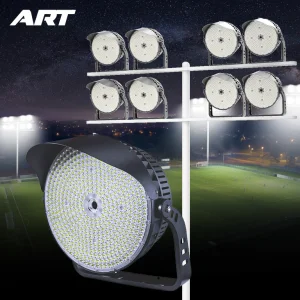
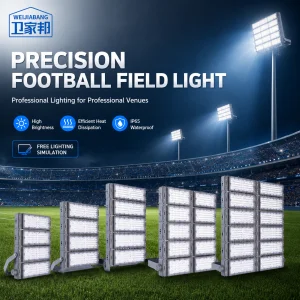
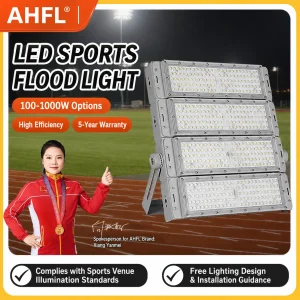
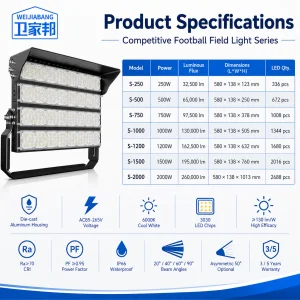
Explore our technical range of high-efficacy floodlighting systems designed for global B2B procurement projects.
 Lijah Light