Engineered for high efficiency, complete moisture isolation, and heavy-duty structural integrity.
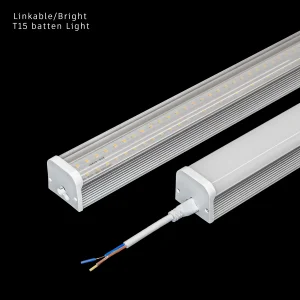
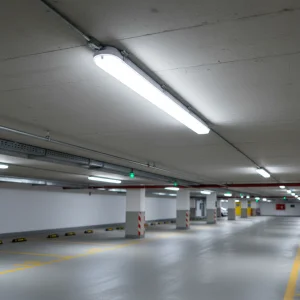
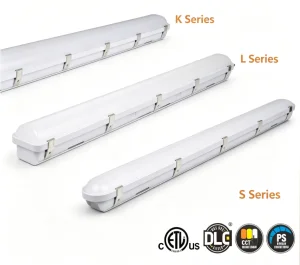
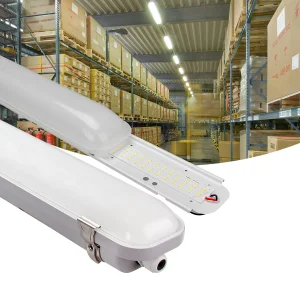
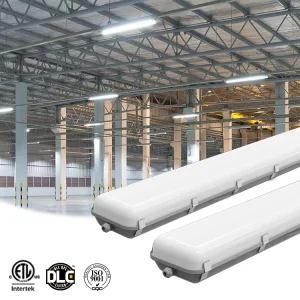
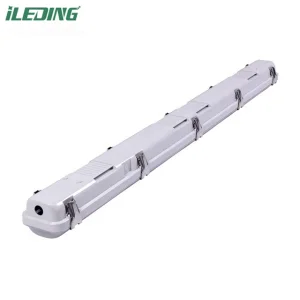
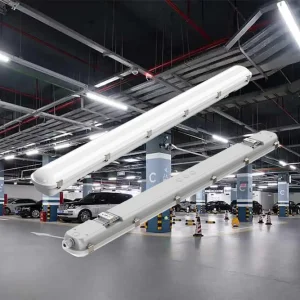
Industrial facilities demand lighting architectures capable of withstanding aggressive cleanings, high atmospheric moisture, and corrosive particulate matters. The historical standard, sealed fluorescent luminaires, frequently failed due to ballast degradation, thermal bottlenecks within enclosed lenses, and standard rubber gasket decay.
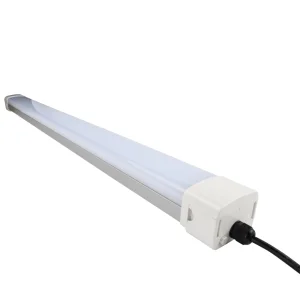
Modern solid-state LED Vapor Tight Fixtures have eliminated these vulnerabilities. By integrating surface-mounted diode (SMD) arrays directly onto aluminum-clad printed circuit boards (PCBs), thermal dissipation is routed straight to the outer housing. The absence of a fragile glass bulb coupled with high-durability polycarbonate (PC) and polymethyl methacrylate (PMMA) formulations offers superior mechanical stability, easily achieving IK08 to IK10 impact resistance.
From a photometric perspective, these fixtures deliver system efficacies reaching up to 150 lm/W. With integrated 0-10V dimming protocols and intelligent microwave motion sensors, energy consumption is dynamically managed. This minimizes carbon footprints while extending operational lifespans beyond 50,000 hours (L70 standard).
| Feature | Standard LED Vapor Tight | Legacy Fluorescent |
|---|---|---|
| Luminous Efficacy | 130 - 150 lm/W | 60 - 80 lm/W |
| Lifespan (L70) | 50,000+ Hours | 12,000 Hours |
| Gasket Integrity | Pour-in-place Silicone | EPDM / Neoprene Foam |
| Diffuser Material | UV-Stabilized Polycarbonate | Basic Acrylic (Yellowing) |
| Impact Rating | IK08 - IK10 | IK02 - IK05 |
How specific commercial and industrial projects determine the engineering parameters of vapor-tight deployment.
Operating at temperatures down to -30°C requires advanced LED drivers that prevent thermal expansion mismatch. Our IP65/IP66 systems prevent internal condensation during cycles and resist chemical washdowns in sanitation zones.
Constant exposure to vibration, vehicular exhaust, and temperature swings requires robust mechanical housings. Intelligent microwave motion sensors save up to 80% on energy costs by dimming fixtures when lanes are empty.
Salt spray and high humidity quickly corrode standard aluminum housings. Our tri-proof lights use non-metallic polymer housings and marine-grade 316 stainless steel latches to prevent electrochemical oxidization.
Why vertical integration, local material sourcing, and specialized testing are critical to international project delivery.
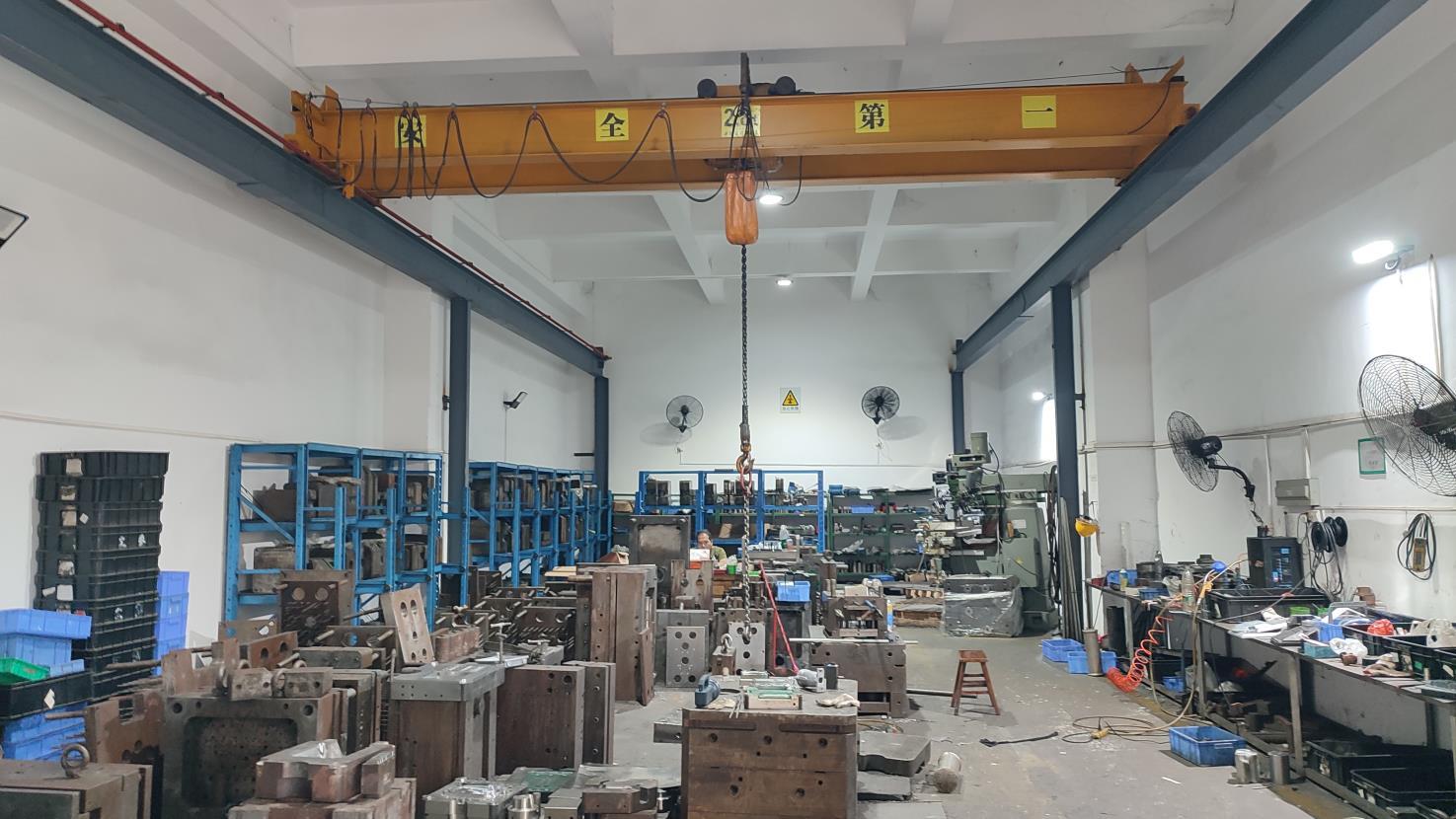
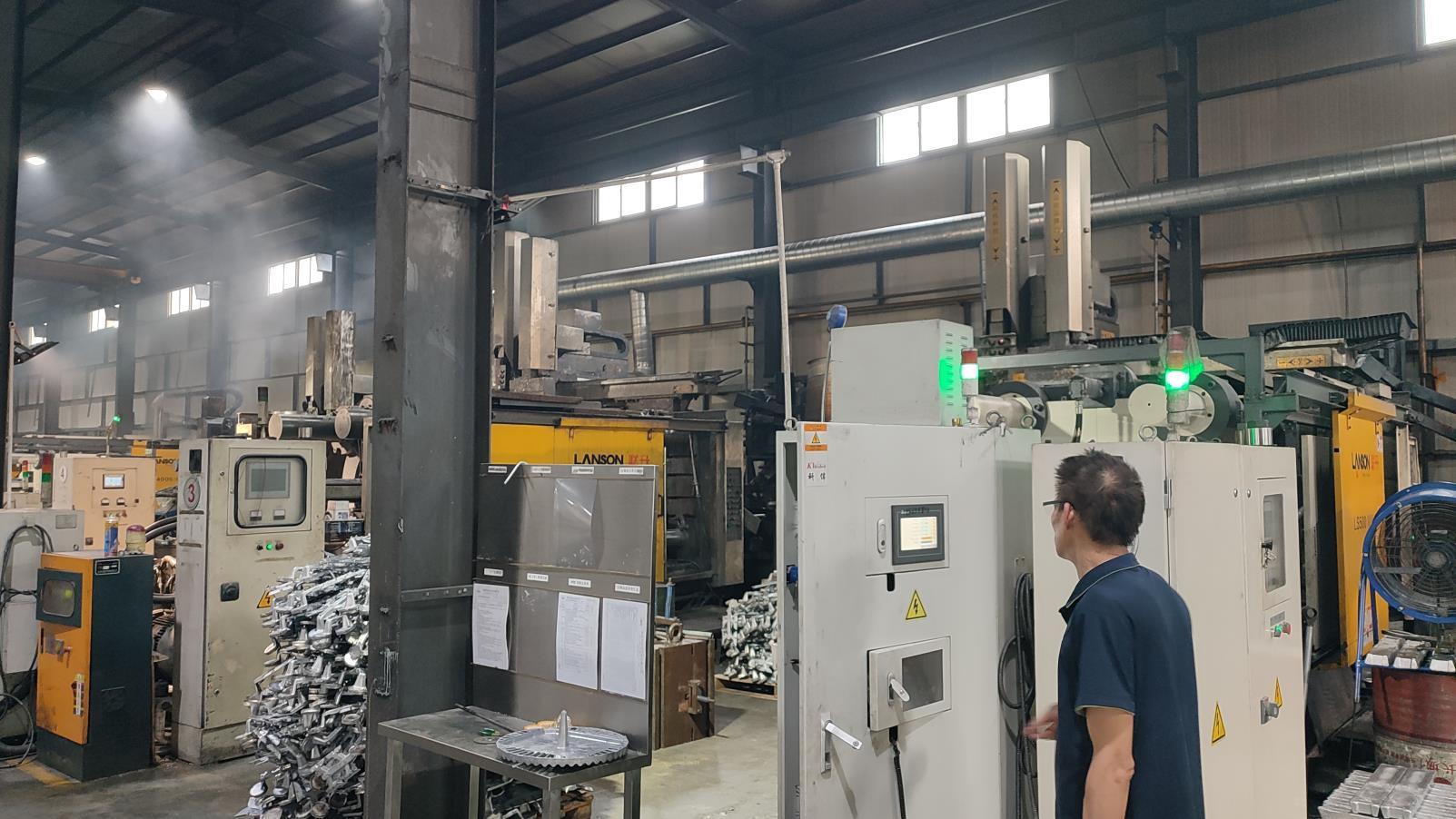
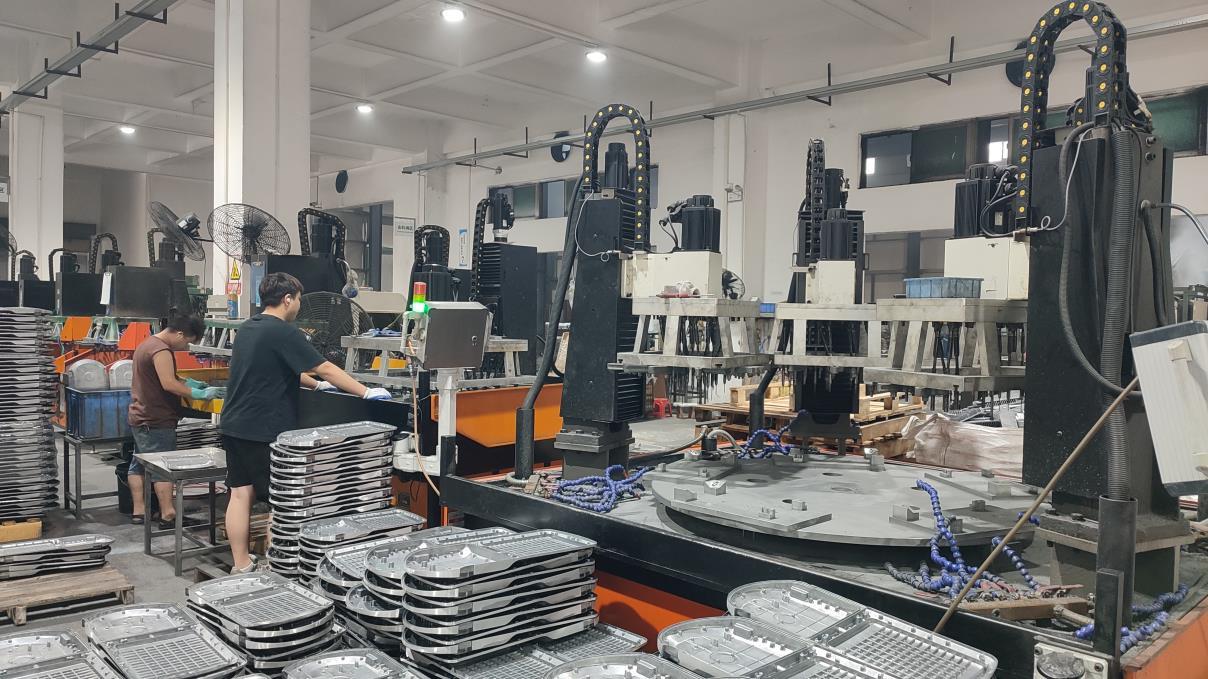
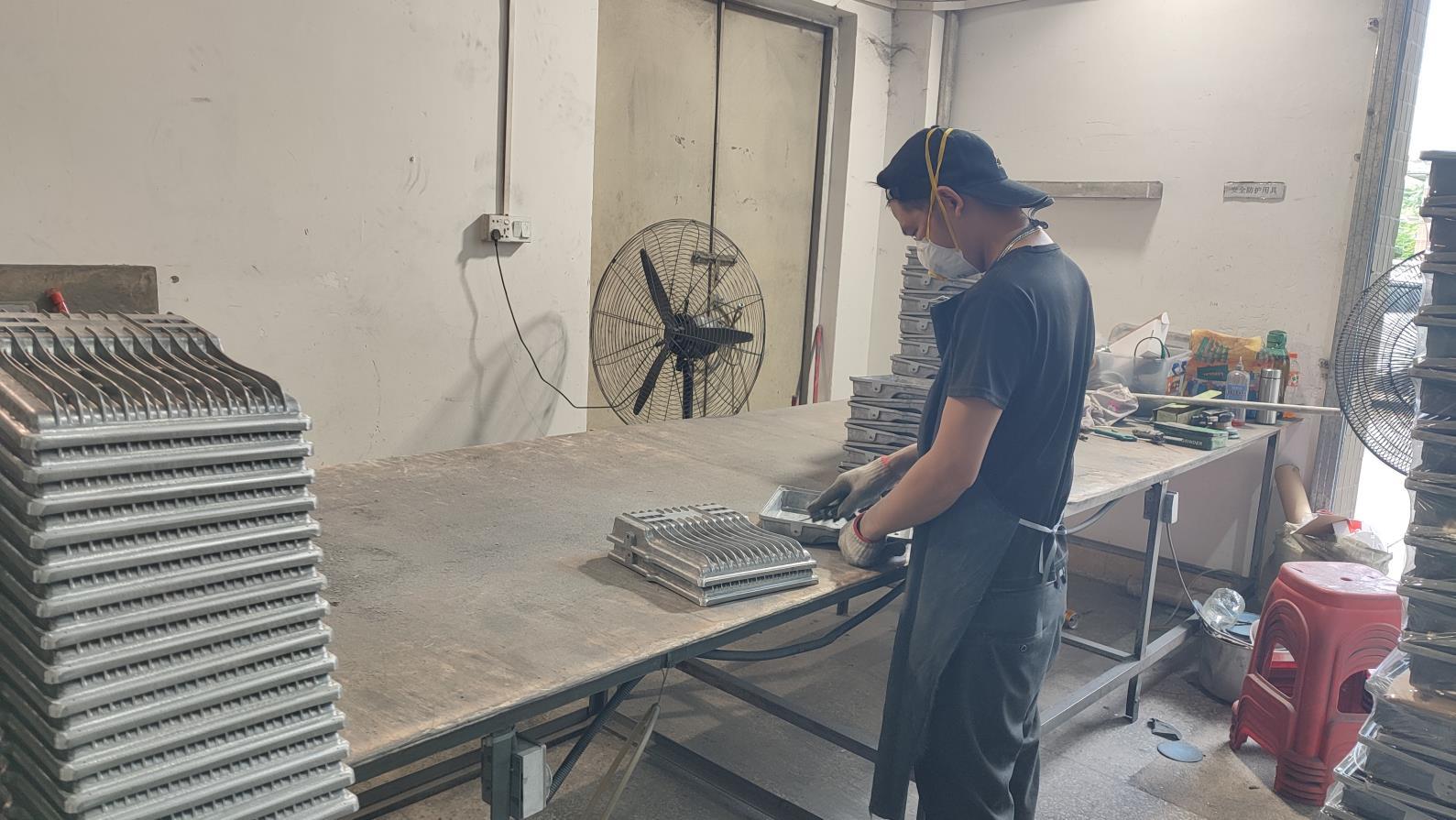
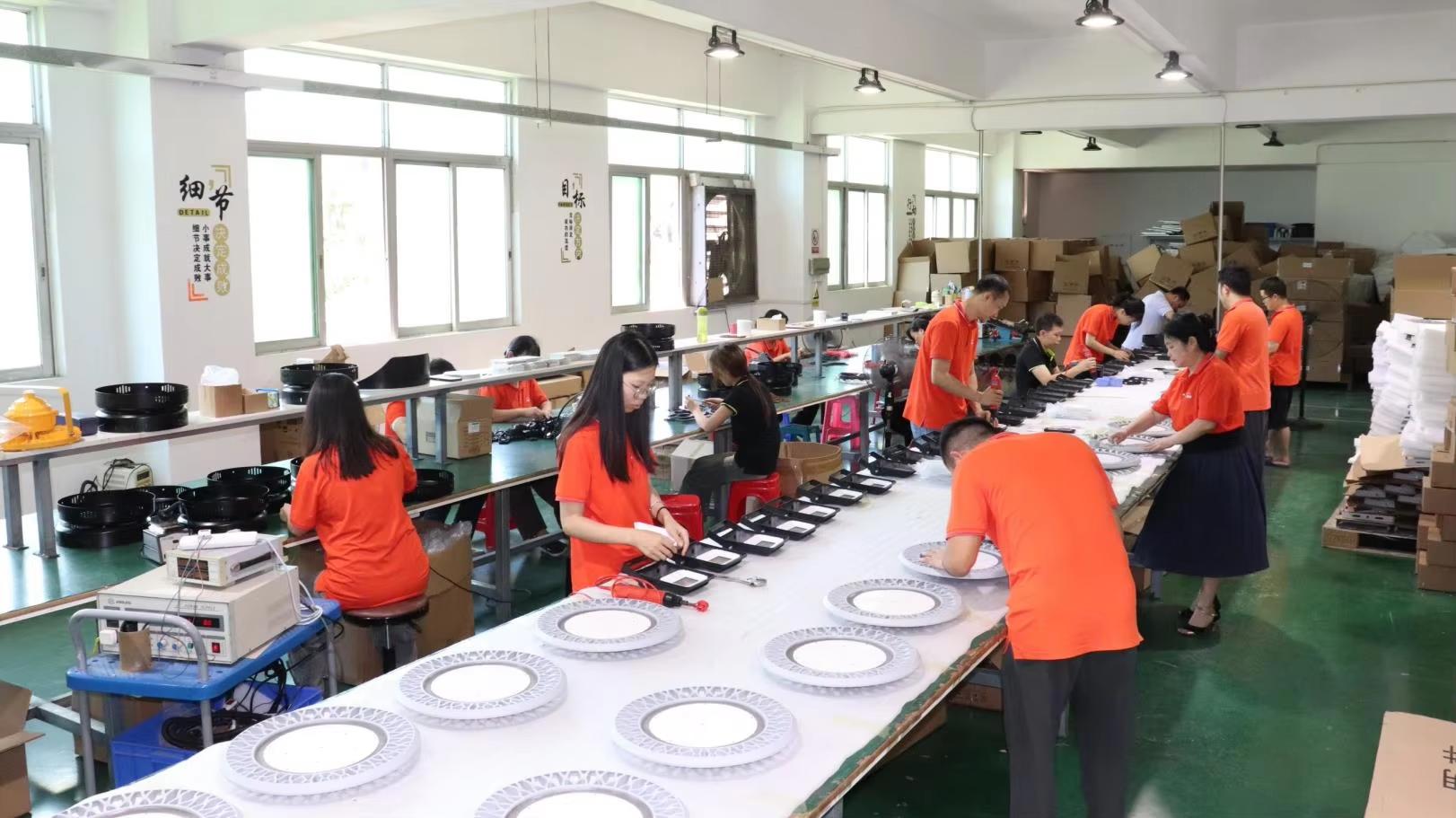
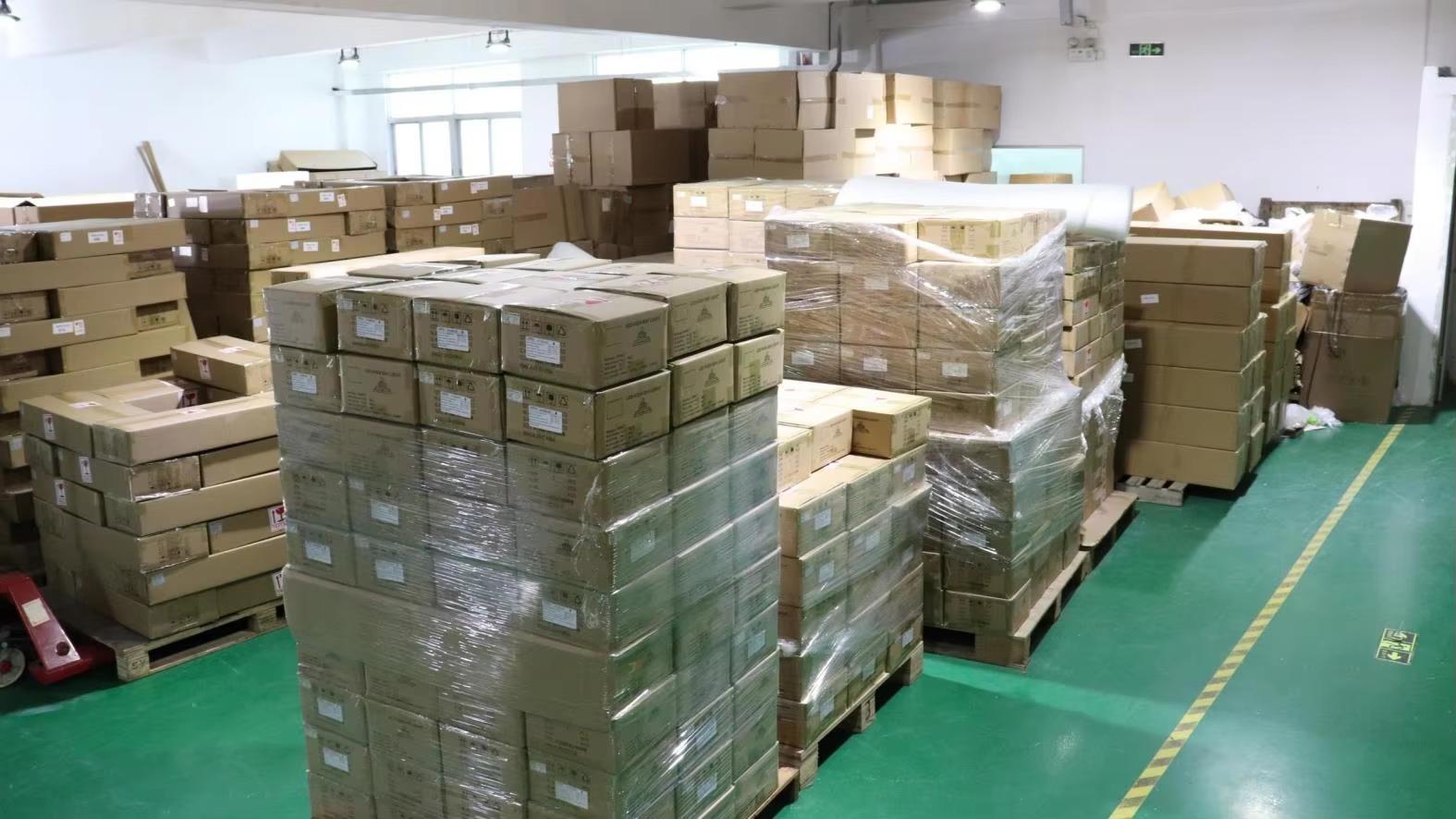
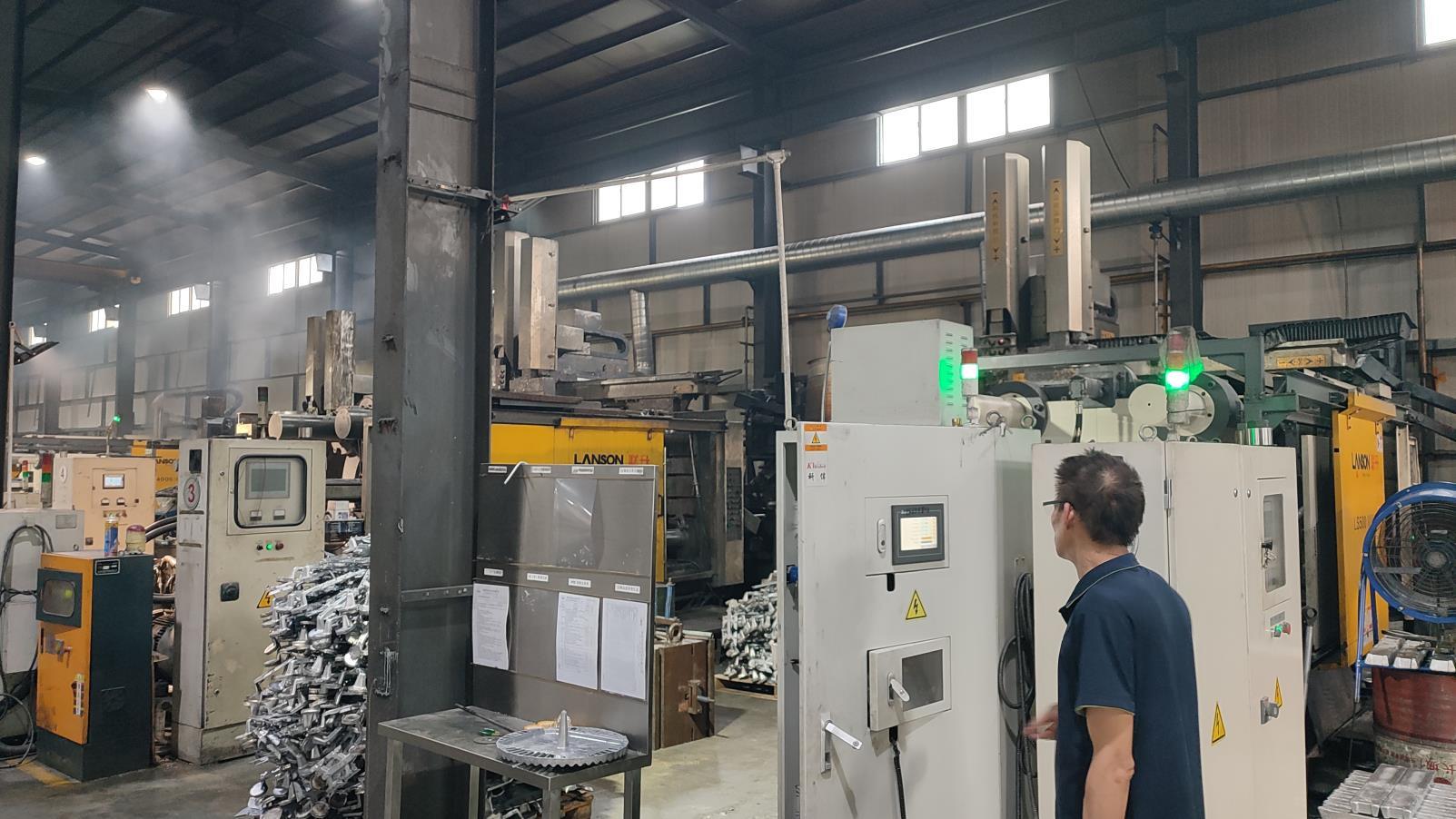
The global market for industrial lighting demands suppliers that can deliver customization, maintain quality standards, and offer short lead times. Guangdong Lijah Light Co., Ltd. coordinates its raw material sourcing, optical fabrication, die-casting, and assembly lines within a consolidated production ecosystem. This vertical integration reduces logistics friction and ensures consistent quality control.
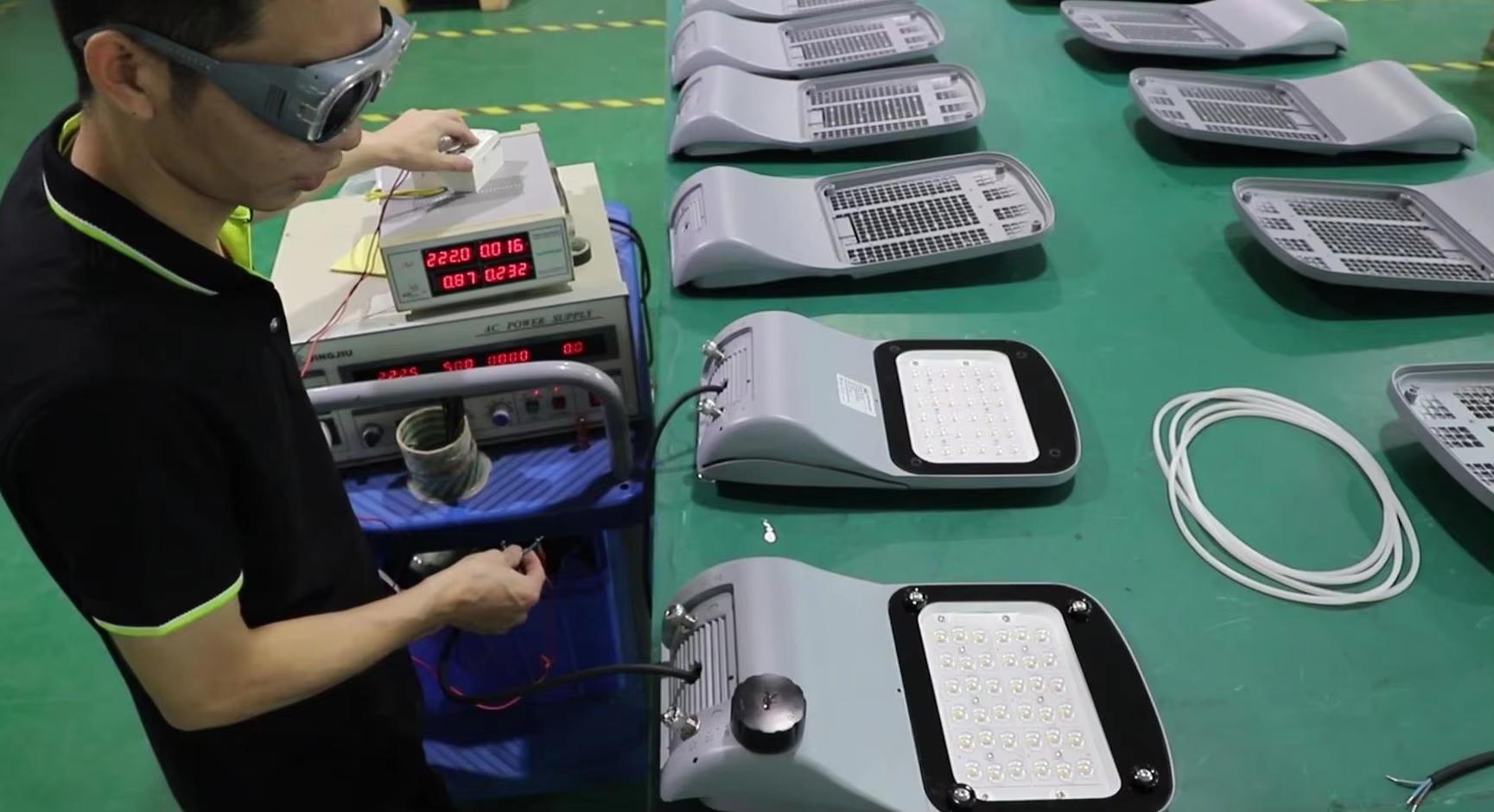
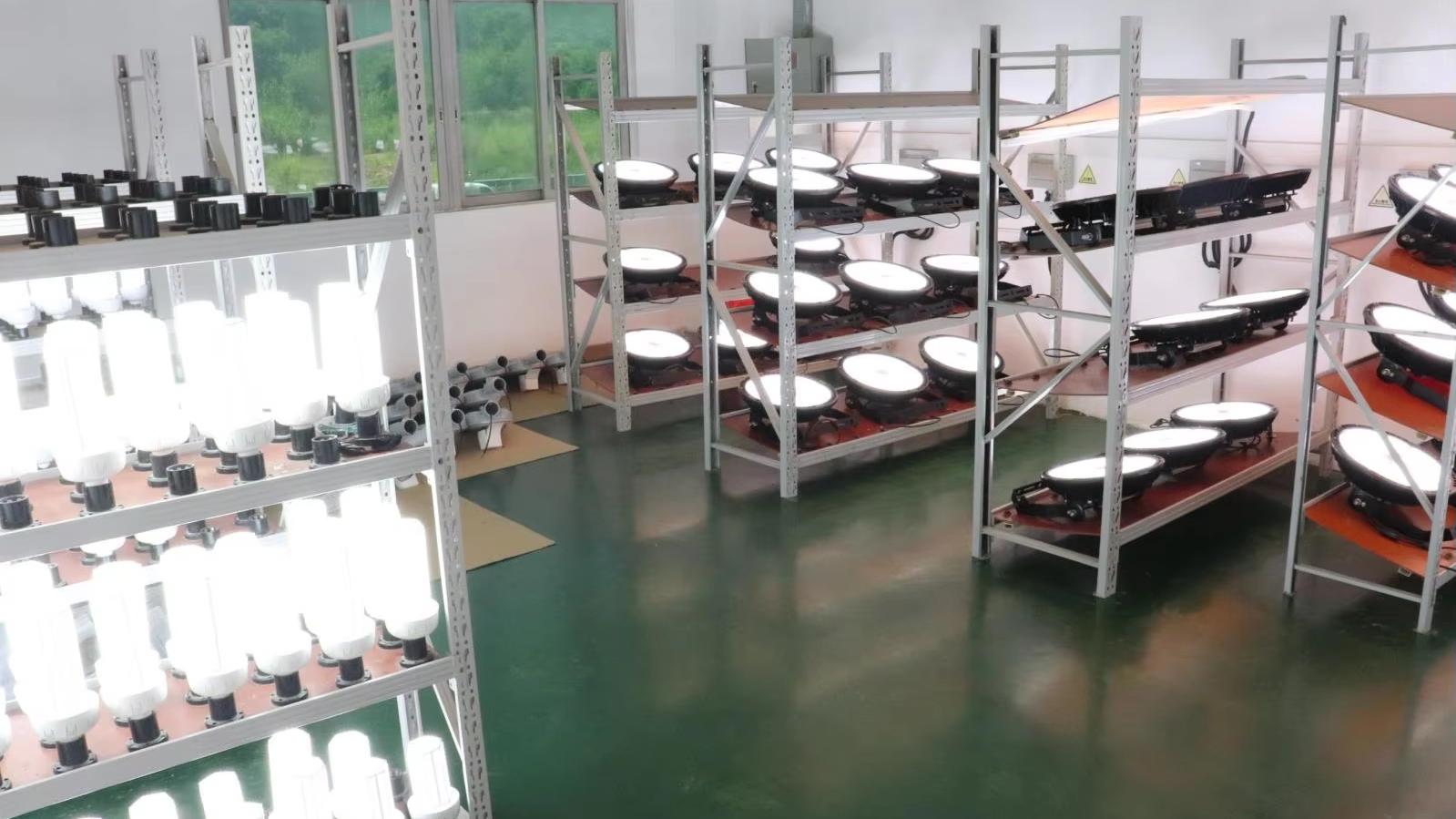
By maintaining in-house tooling and precision die-casting capabilities, we can adapt housings for unique thermal challenges or custom driver configurations without outsourcing delays. Our testing laboratories carry out continuous integration sphere photometric analysis, IP waterproof test protocols, and high-ambient thermal aging. This level of quality control allows us to meet strict compliance standards across Europe, the Americas, and Oceania.
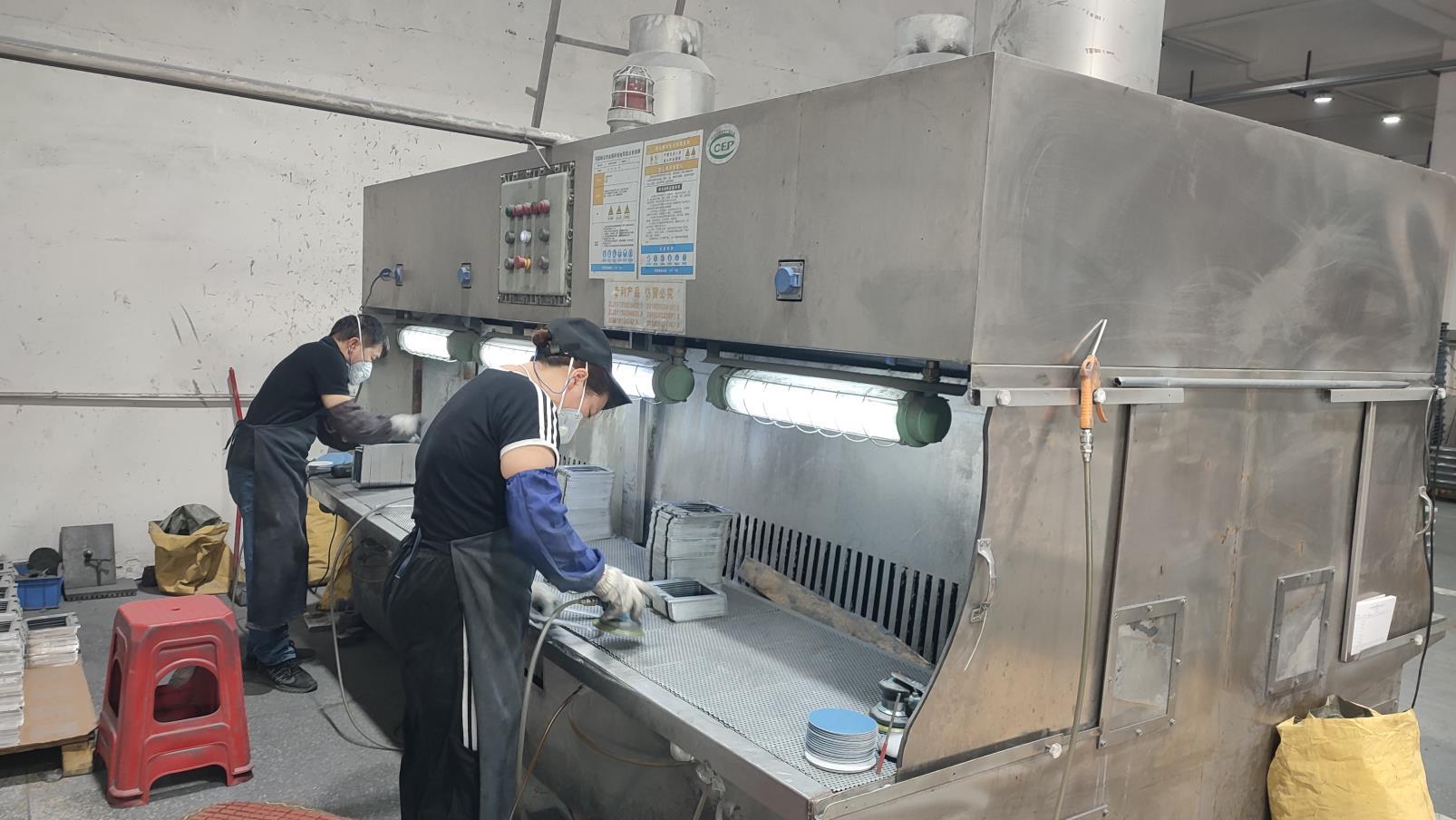
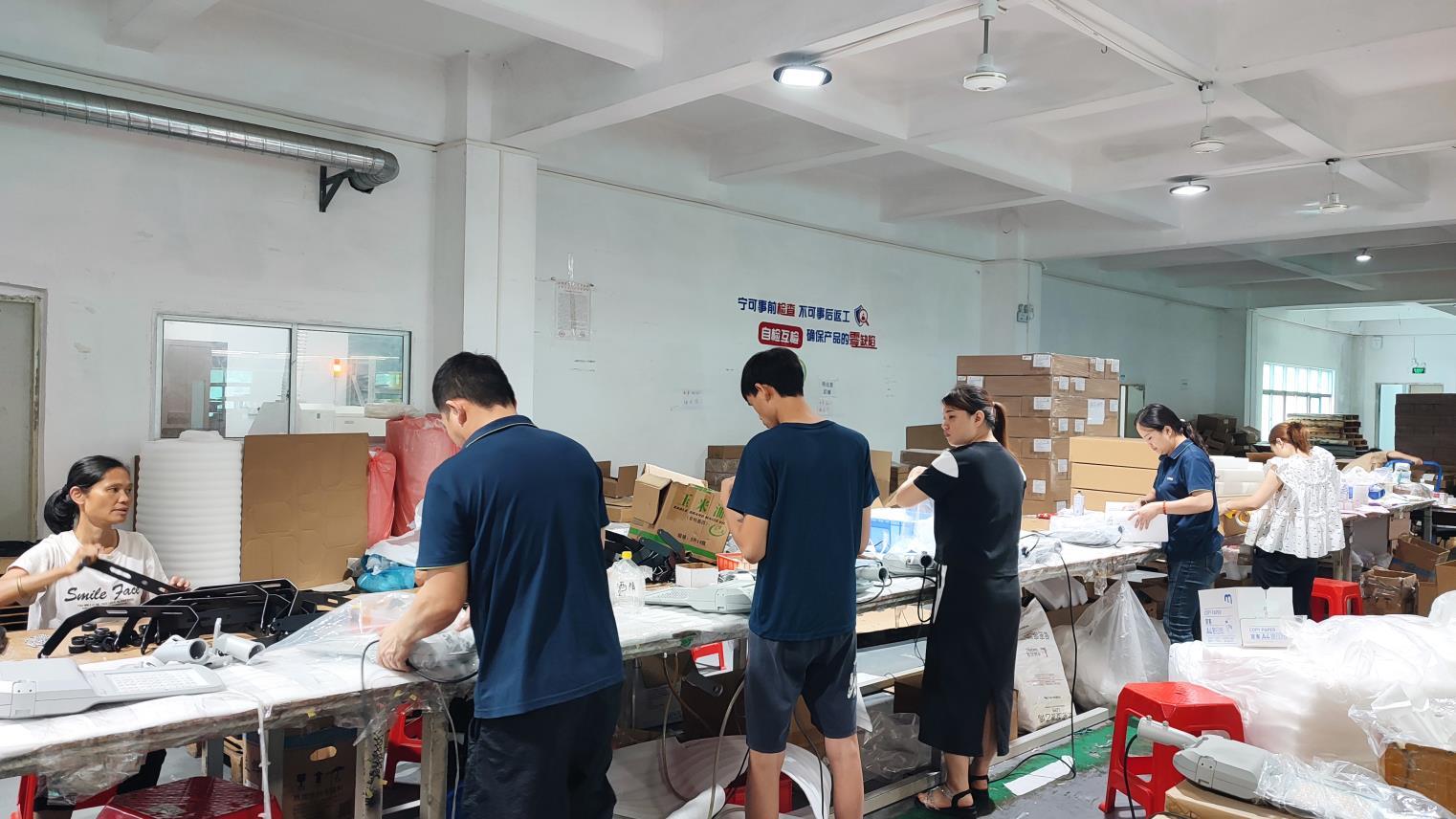
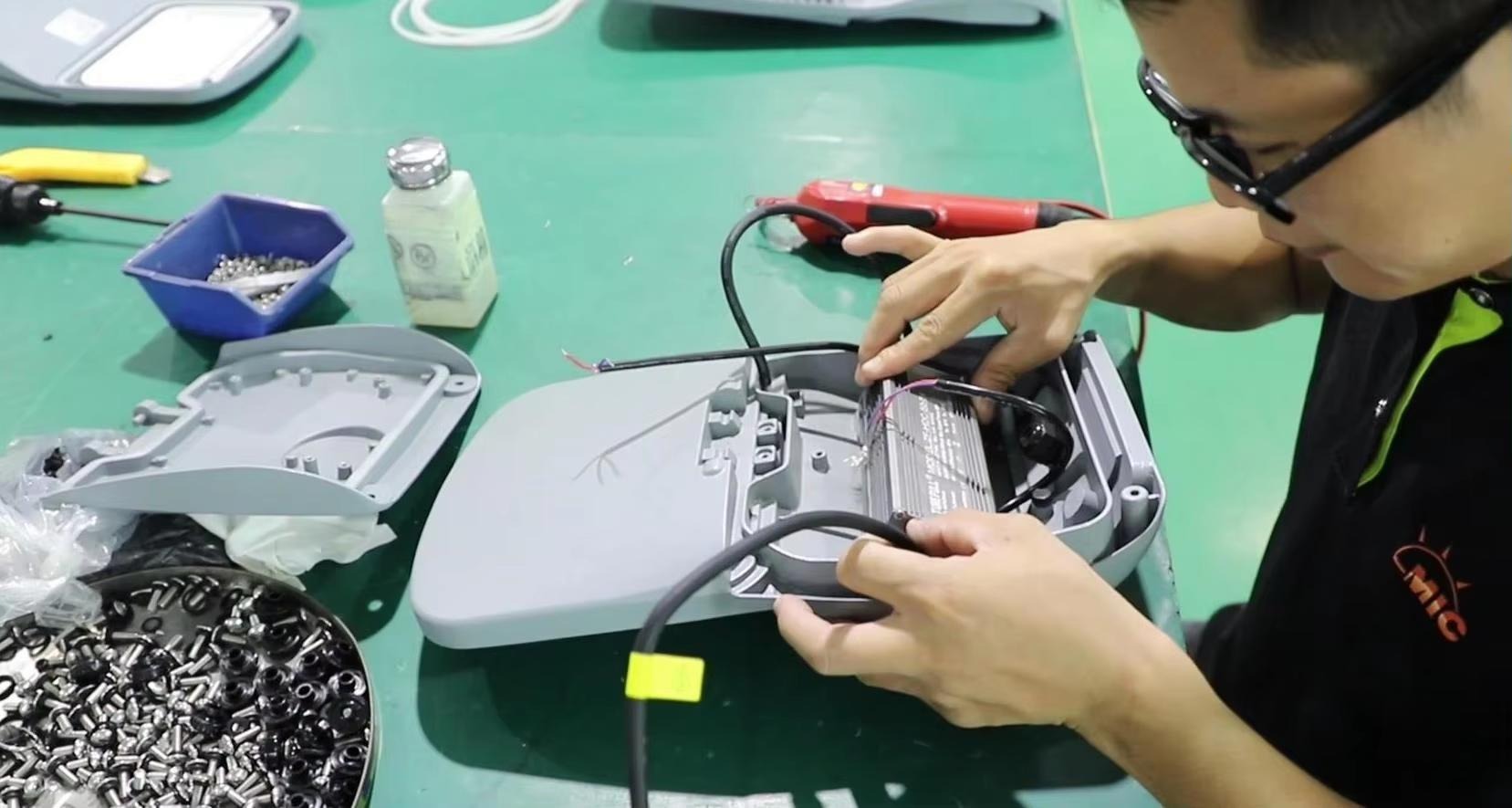
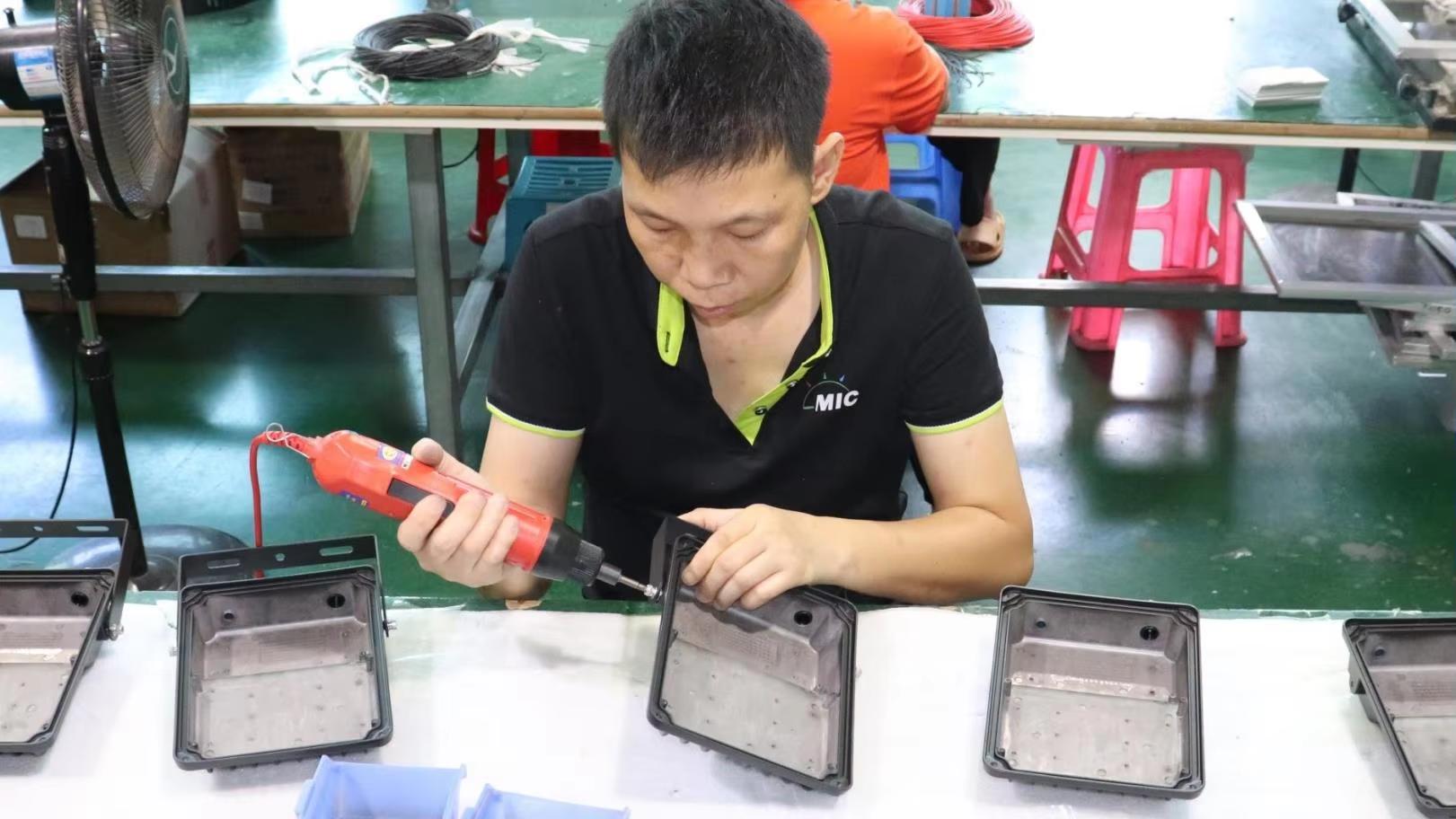
Operating across multiple markets requires adherence to regional certifications. Guangdong Lijah Light ensures its fixtures meet the testing protocols necessary for global distribution.
Our catalog is backed by internationally recognized testing standards. Our LED lighting products comply with CE and RoHS requirements, while many of our key products have also obtained certifications including TÜV, ENEC, VDE, SAA, C-Tick, CB, LM79, and LM80. These third-party verifications validate electrical safety, photometric integrity, and long-term lumen maintenance.
To support design planning and procurement decisions, we offer DIALux simulation support. Our engineering team assists contractors and distributors in optimizing fixture spacing, verifying unified glare ratings (UGR), and ensuring average lux levels align with local building codes. This helps reduce installation costs while maximizing overall lighting performance.
Advanced thermal management, emergency backup variations, and motion-sensing configurations.
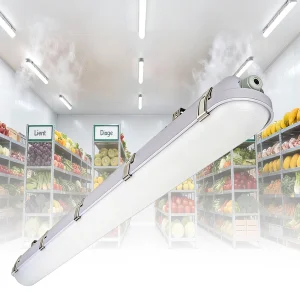
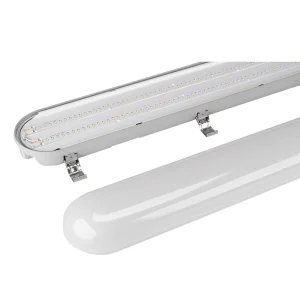
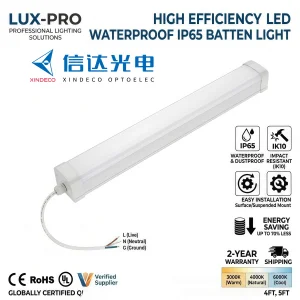
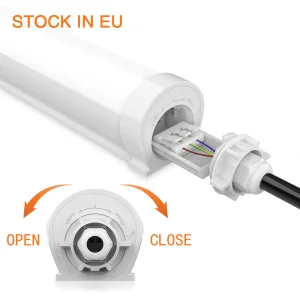
Expert engineering answers to common inquiries from lighting specifiers, wholesale distributors, and contractors.
These ratings define levels of ingress protection: IP65 fixtures are rated to resist low-pressure water jets and dust ingress. IP66 fixtures can withstand high-pressure water jets, making them suitable for car wash bays and heavy washdown zones. IP67 fixtures support temporary immersion in water up to 1 meter depth for 30 minutes, providing protection for high-exposure applications like marine decks.
Polycarbonate (PC) is selected for high-impact environments due to its physical strength (achieving IK08 to IK10 ratings). However, in applications exposed to high concentrations of oils, chemical solvents, or ammonia (such as poultry farms or agricultural facilities), PMMA (acrylic) is preferred because it resists chemical degradation and yellowing over time.
Emergency variations include an internal Ni-Cd or LiFePO4 battery backup system. Upon loss of primary AC power, the internal driver switches to battery mode within milliseconds, delivering reduced light output (typically 10-20% of standard output) for a minimum of 90 to 180 minutes to meet local life-safety codes.
Yes. Our LED vapor tight fixtures are engineered to operate down to -30°C. Standard fluorescent lights struggle in cold conditions, but solid-state LEDs operate efficiently in low temperatures, which lower diode junction temperatures and improve luminous output.
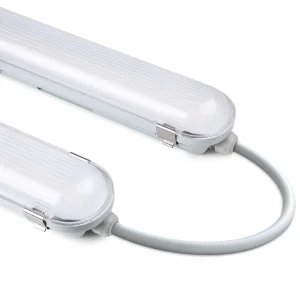
Linkable fixtures feature watertight quick-connect plugs on both ends, supporting continuous runs on a single electrical branch. The maximum run size depends on the circuit breaker capacity and the fixture wattage (e.g., up to twenty 40W fixtures can be linked on a single 120V, 15A branch circuit).
Our quality control protocols include automated SMT component placement, assembly validation, and a mandatory 72-hour high-temperature aging test for all drivers and LED boards. Photometric output is verified through LM-79 testing in our integrating spheres, and structural integrity is confirmed via high-pressure water spray and mechanical impact simulators.
 Lijah Light