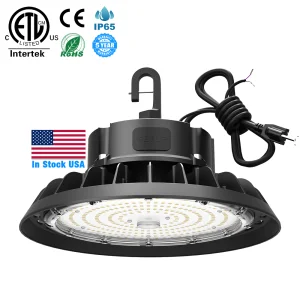
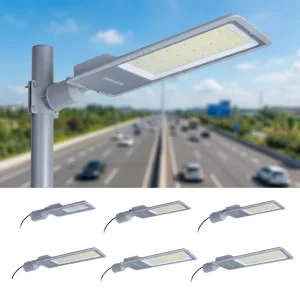
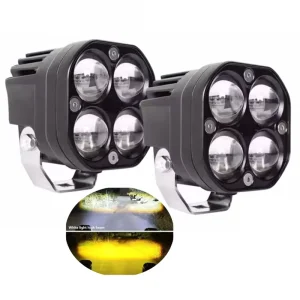
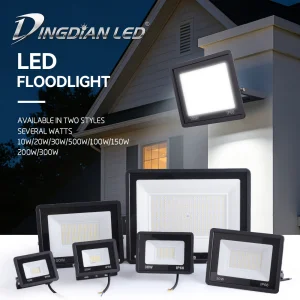
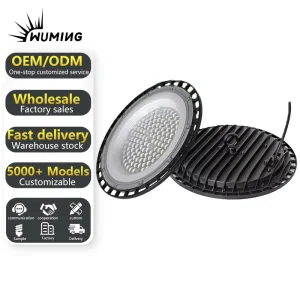
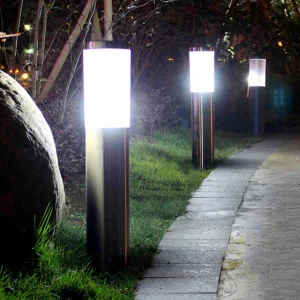
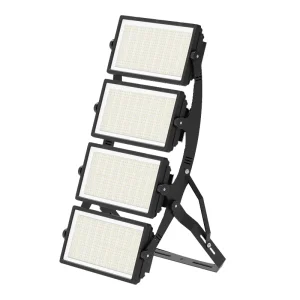
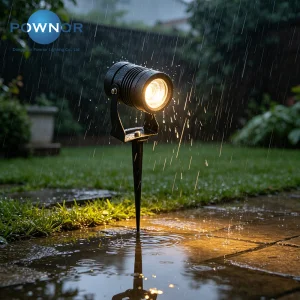
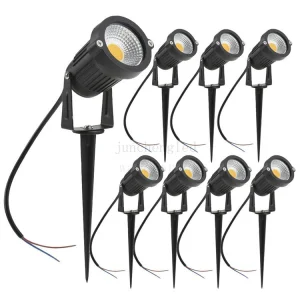
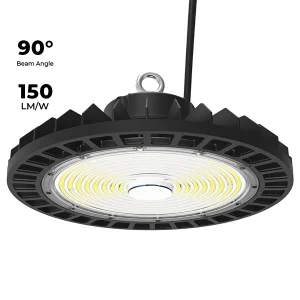
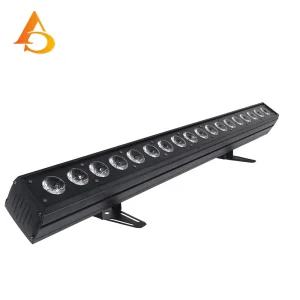
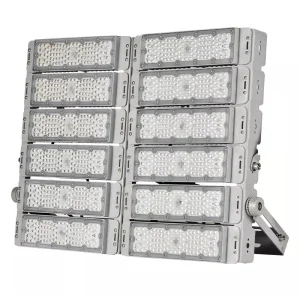
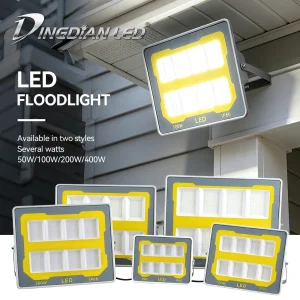
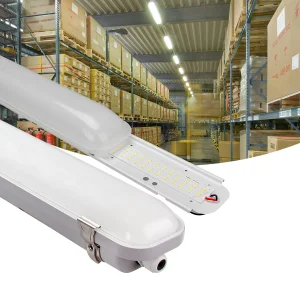
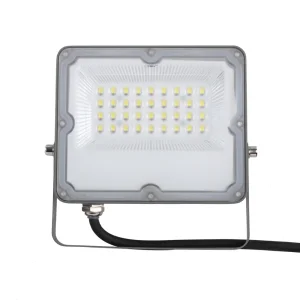
Our primary industrial-grade fixtures engineered for extreme environments, heavy-duty applications, and optimized lumen-per-watt efficiency metrics.
Decarbonization mandates, structural transitions, and the industrial demand for integrated high-performance illumination.
Modern commercial, industrial, and municipal infrastructure projects are facing unprecedented pressure from soaring electricity costs and localized greenhouse gas emission taxes. Upgrading to advanced, high-efficacy LED systems immediately reduces operational energy expenditure by 50% to 75%, yielding measurable, rapid ROI for global developers.
Institutional investment parameters now strictly demand alignment with ESG guidelines. Installing high-performance lighting reduces overall carbon footprints, supporting international certifications such as LEED, BREEAM, and WELL. Sustainable manufacturing sourcing has shifted from a preference to a critical compliance requirement.
Streetlights, transit centers, and warehouses are transforming into smart grid nodes. Modern solid-state luminaires are no longer simple power loads; they host motion arrays, photocell sensors, and dynamic control networks (DALI-2, Zigbee, DMX) to build responsive, low-consumption municipal and logistics landscapes.
A technology-driven manufacturer and strategic exporter delivering end-to-end commercial and industrial solid-state lighting systems globally.
Guangdong Lijah Light Co., Ltd. operates at the intersection of solid-state optical research, mechanical engineering, and advanced manufacturing. We design, prototype, and manufacture modern, energy-efficient, and intelligent LED lighting solutions. Our production facility services global markets across Europe, Oceania, Southeast Asia, and the Middle East, offering high-reliability solutions tailored to regional compliance frameworks.
Our collaborative operational model supports developers, wholesale distributors, electrical contractors, and utility companies. By integrating high-volume production capabilities with customized engineering adjustments, we supply high-performance luminaires configured for long service lives, minimized lumen depreciation, and fast installation.
Innovation at Lijah Light is directed by real-world application challenges. Our internal R&D engineering division targets heat dissipation efficiency, power driver reliability, and optical beam pattern customization. This focus minimizes glare while maximizing spatial lux distribution. We conduct comprehensive photobiological safety tests and thermal simulations to verify stability prior to market release.
Our manufacturing and quality assurance workflows strictly align with global certifications. By adhering to international testing and safety protocols, our product portfolio carries recognized certifications ensuring regulatory compliance across major international markets.
Our step-by-step manufacturing cycle guarantees mechanical, electrical, and thermal consistency across all batch exports.
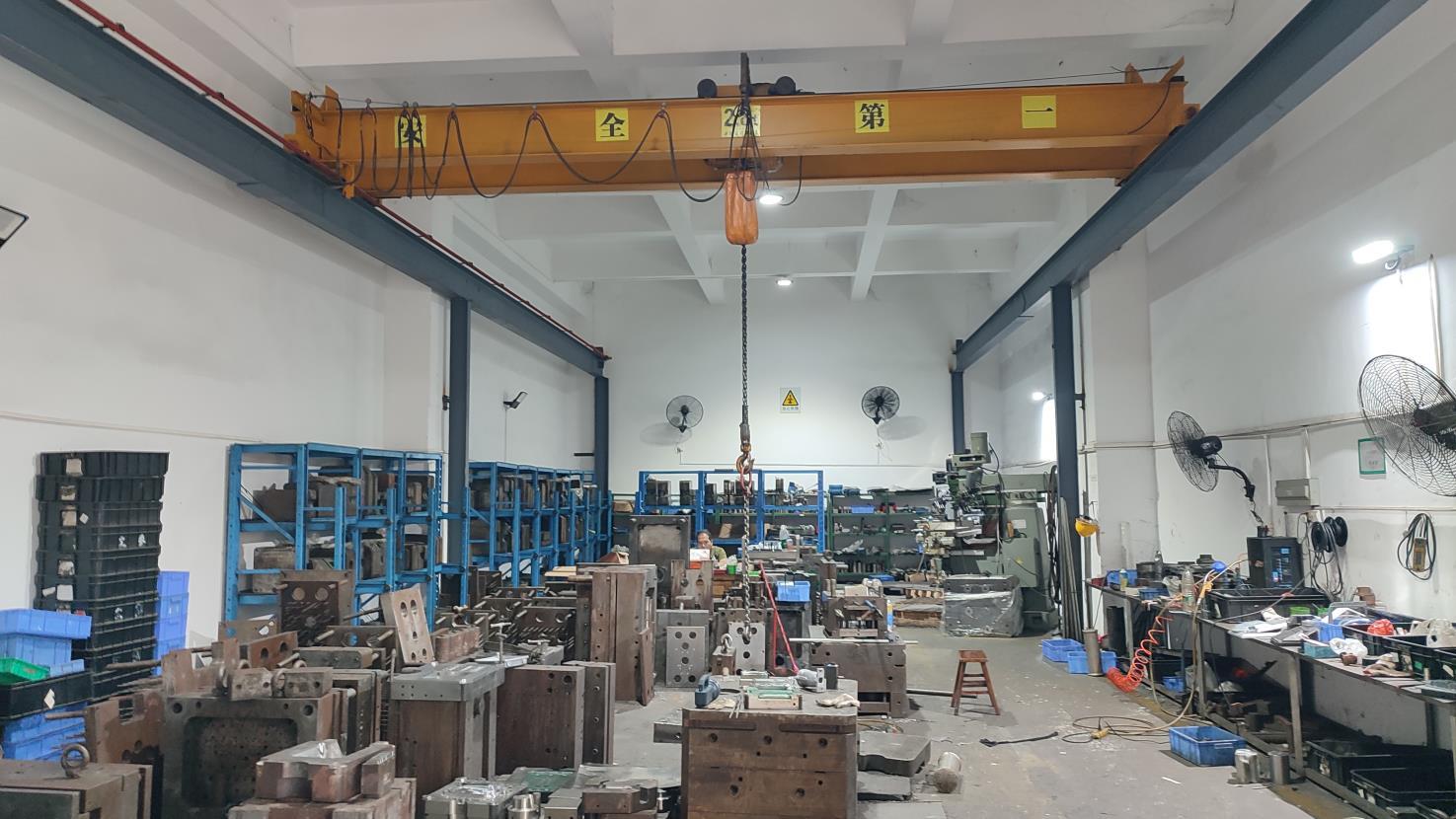
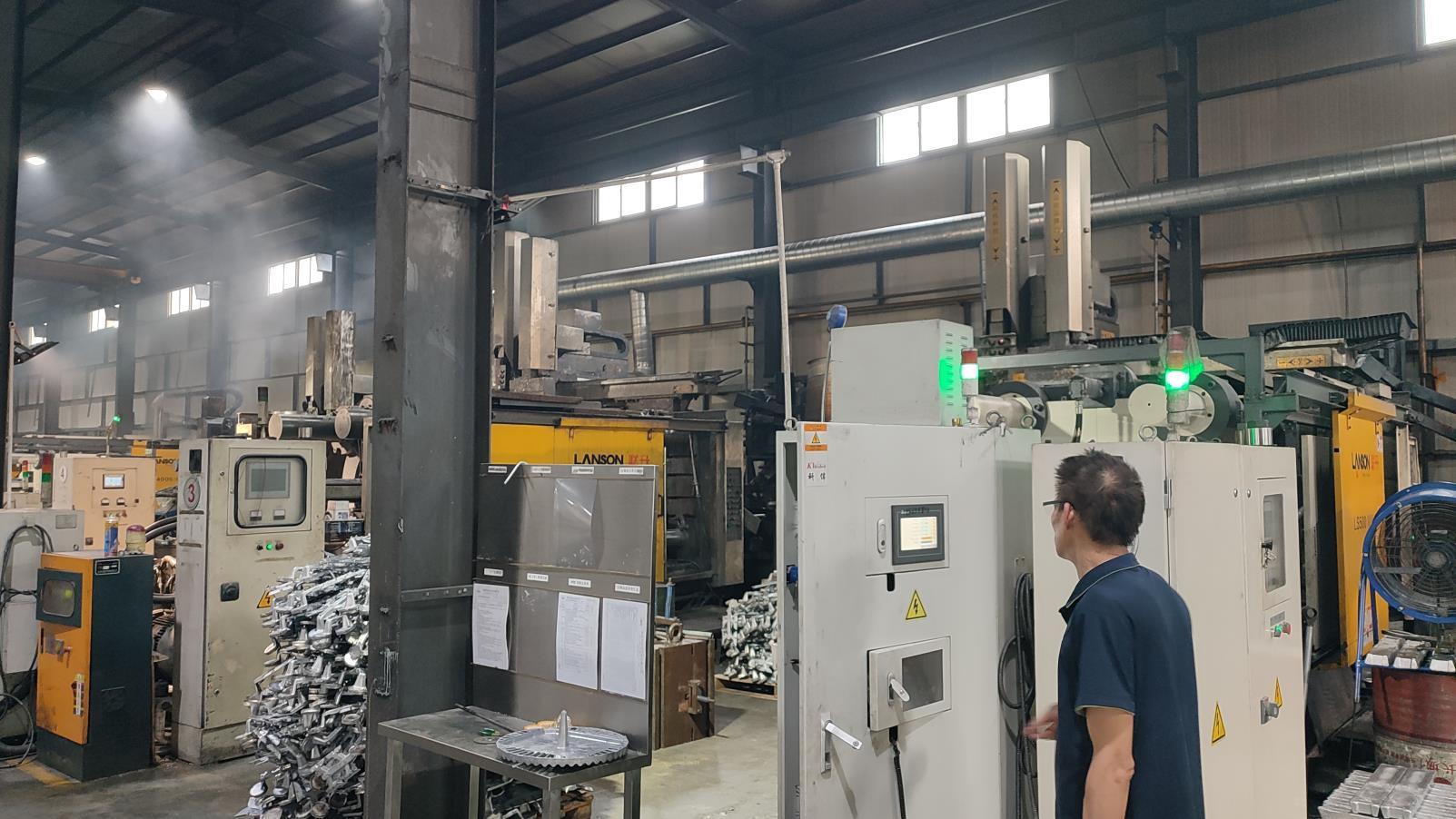
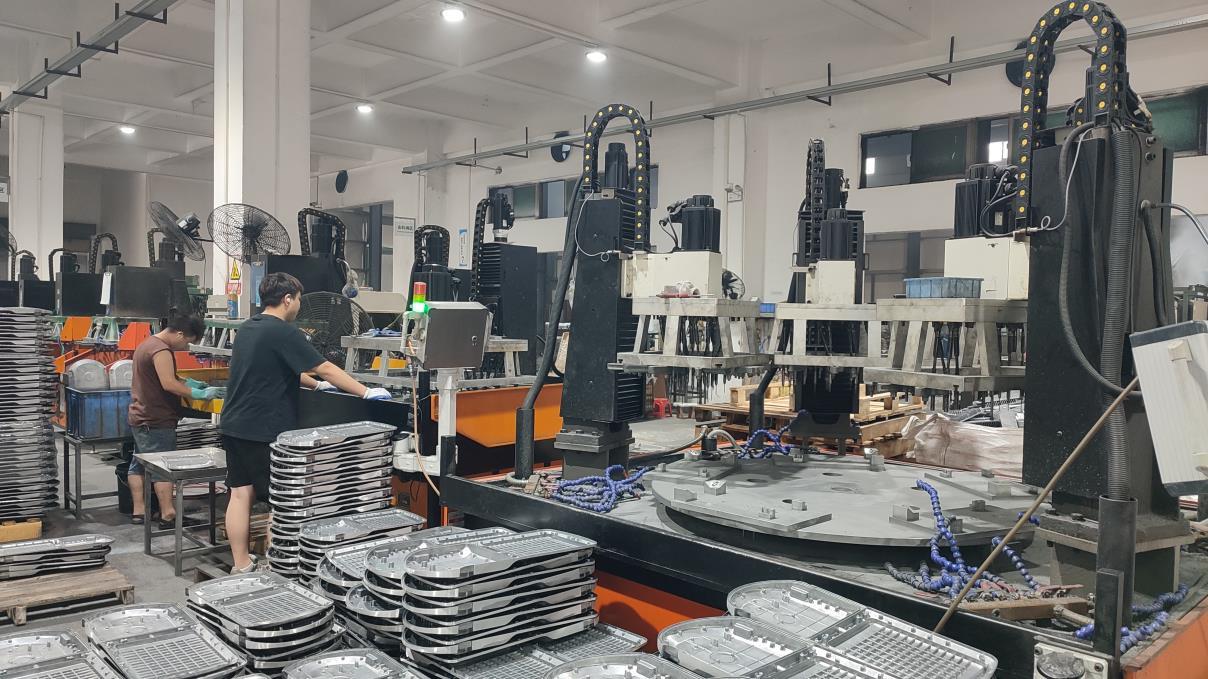
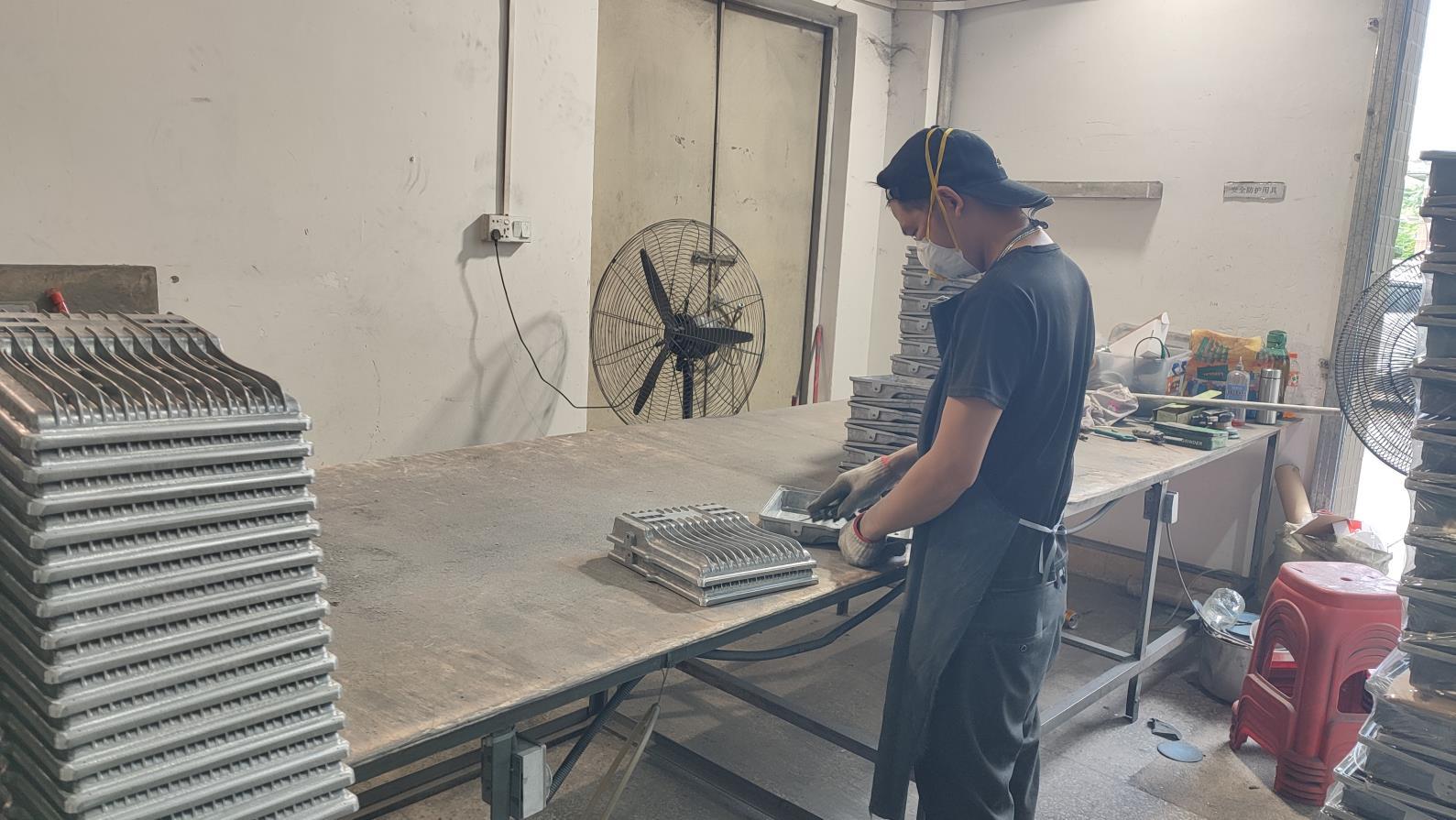
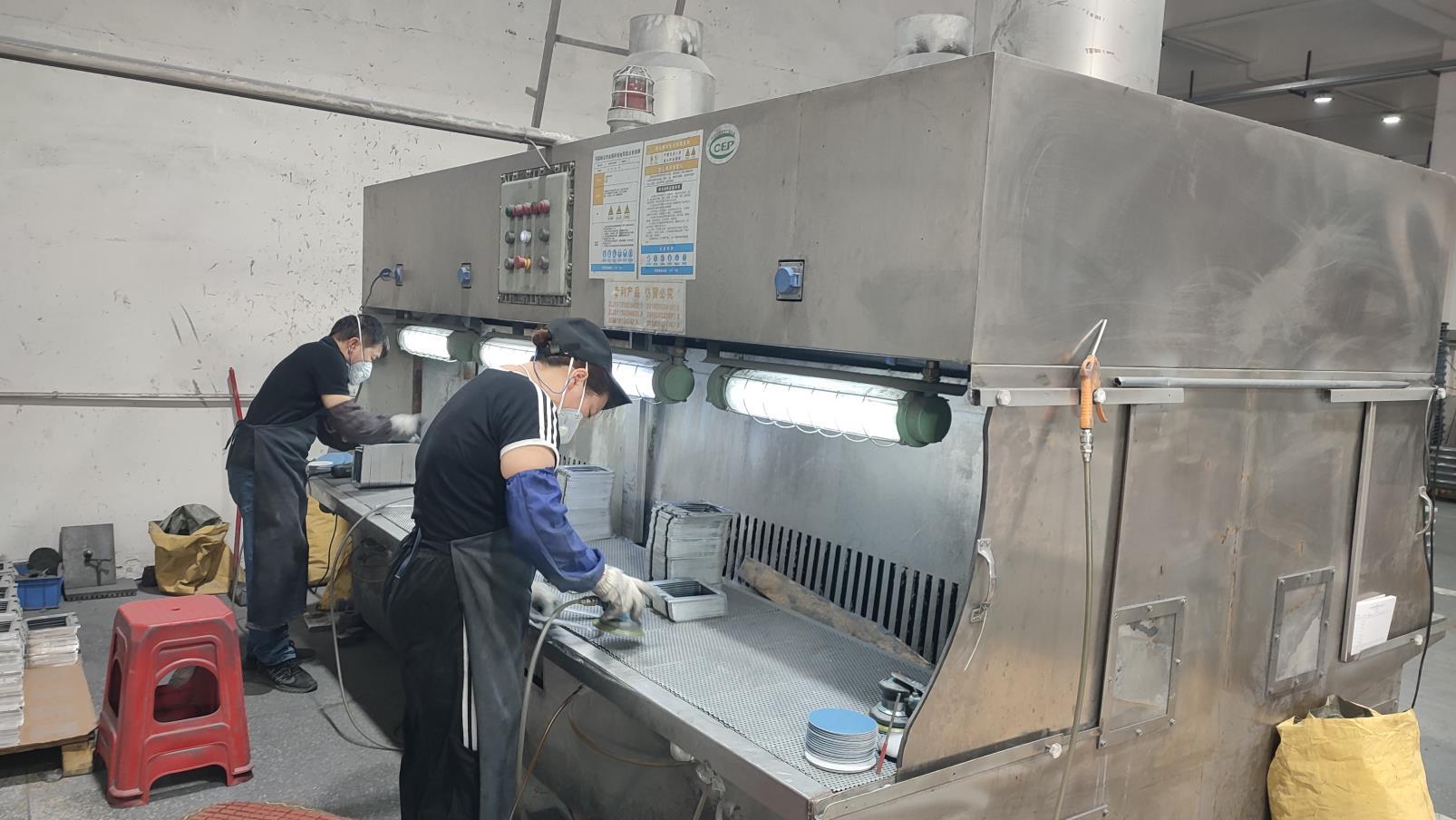
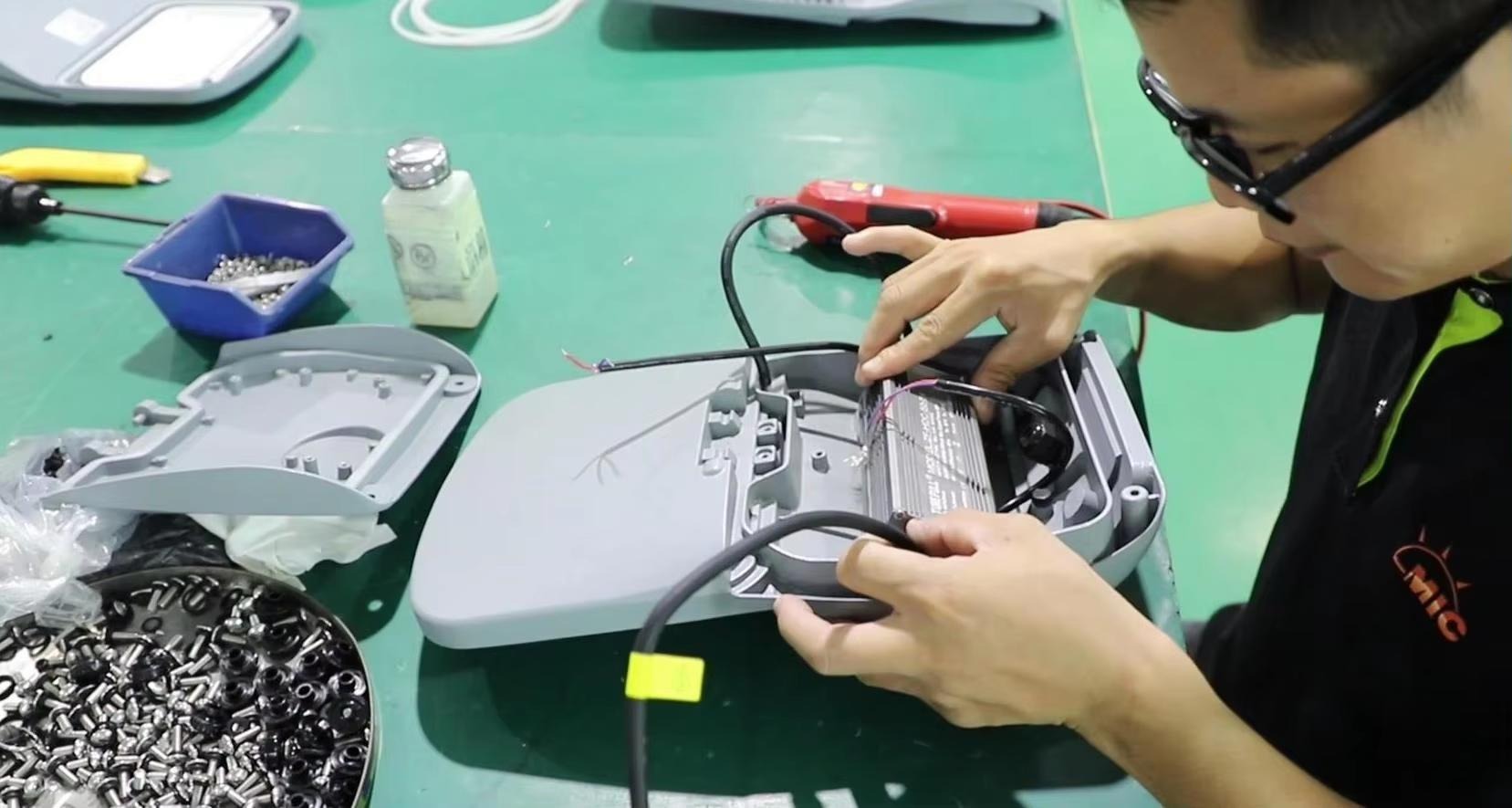
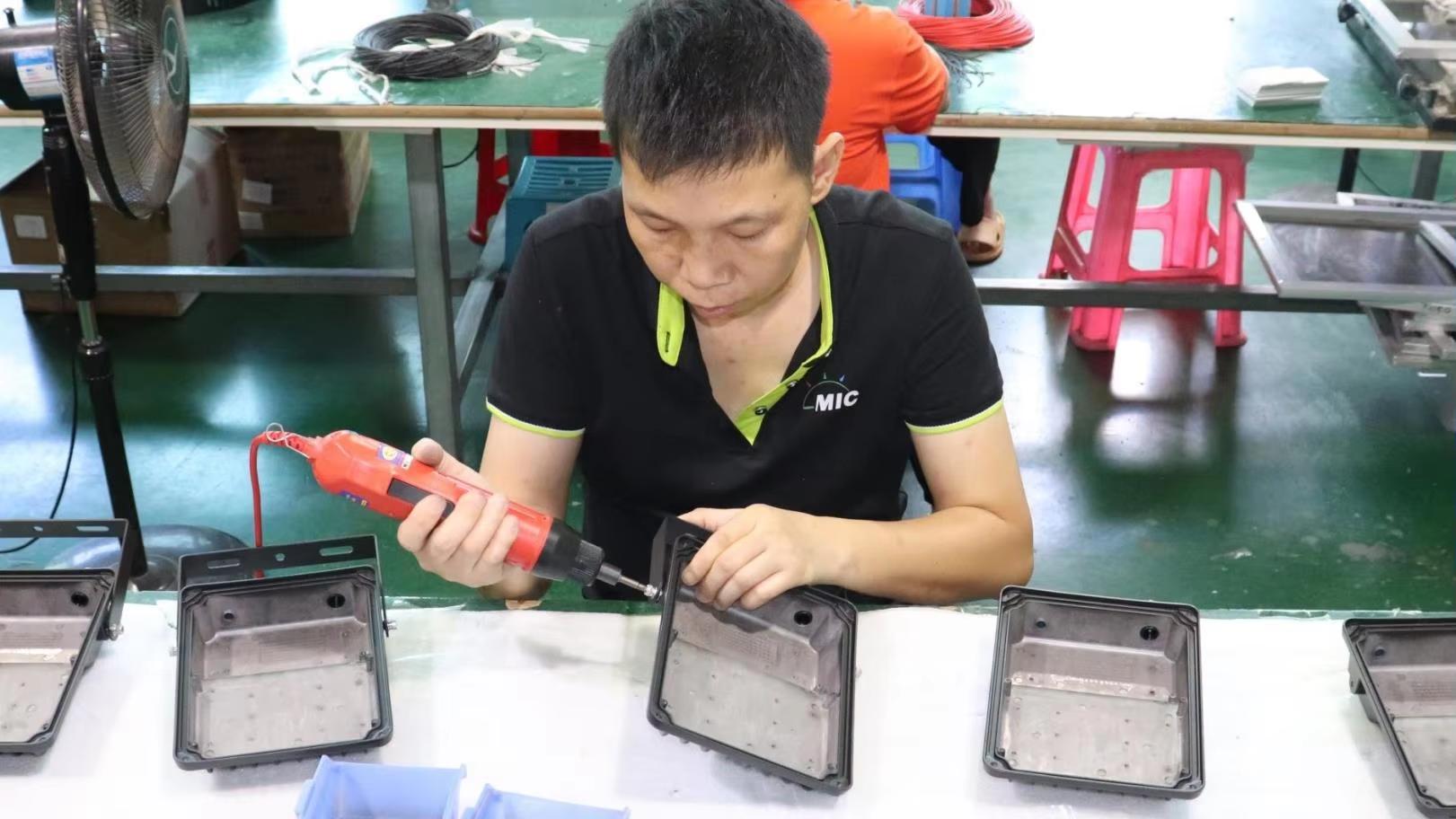
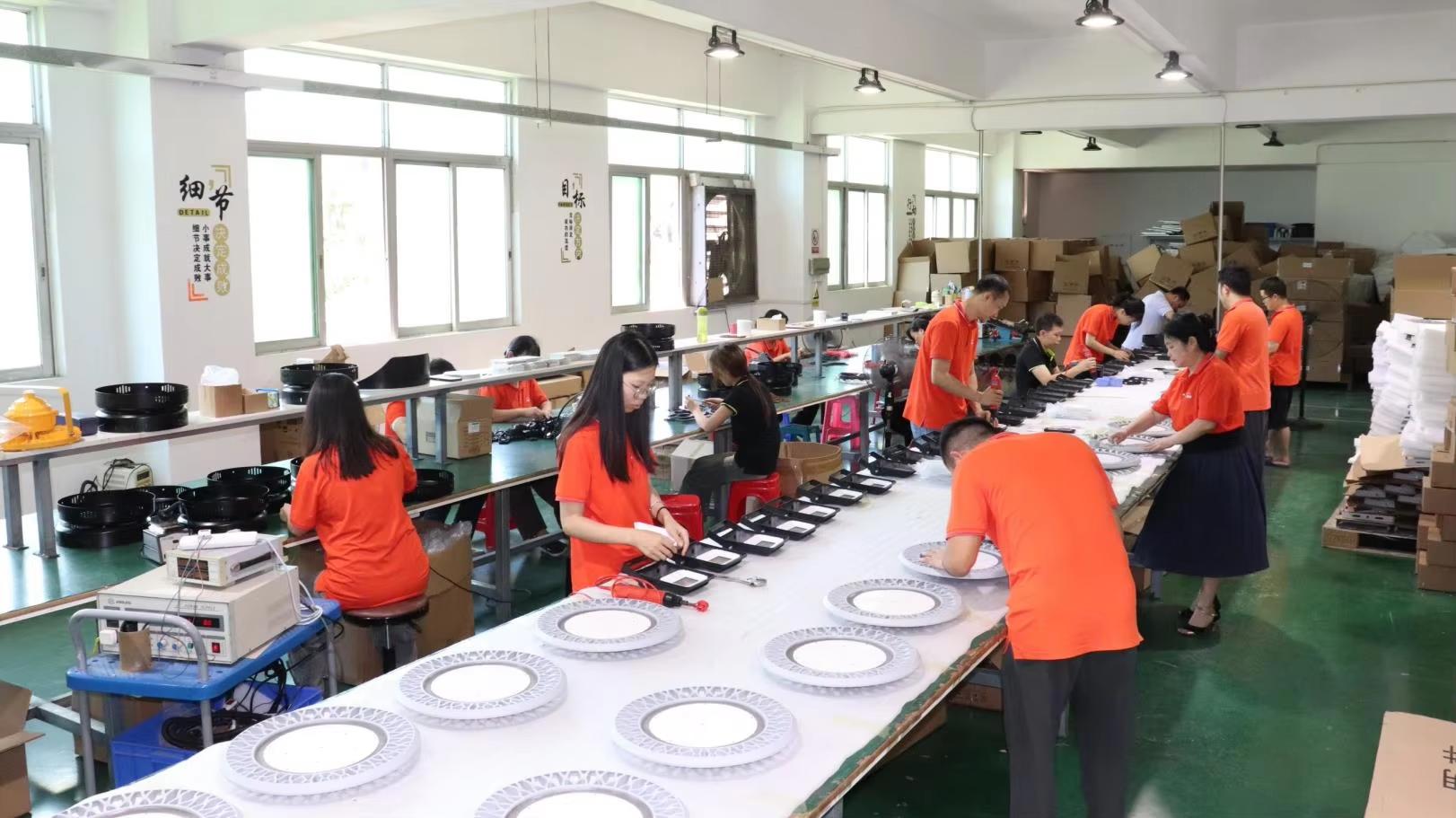
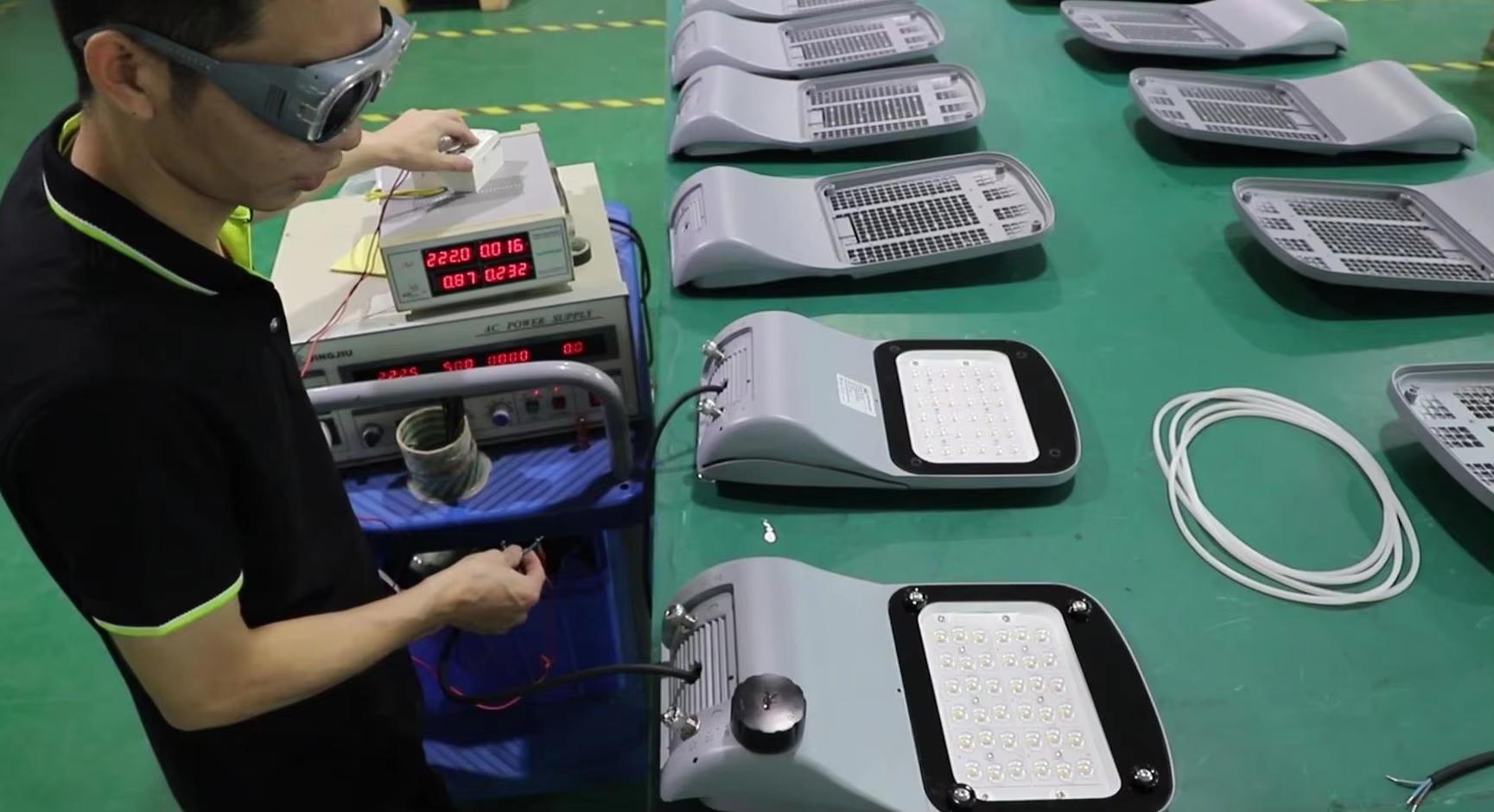
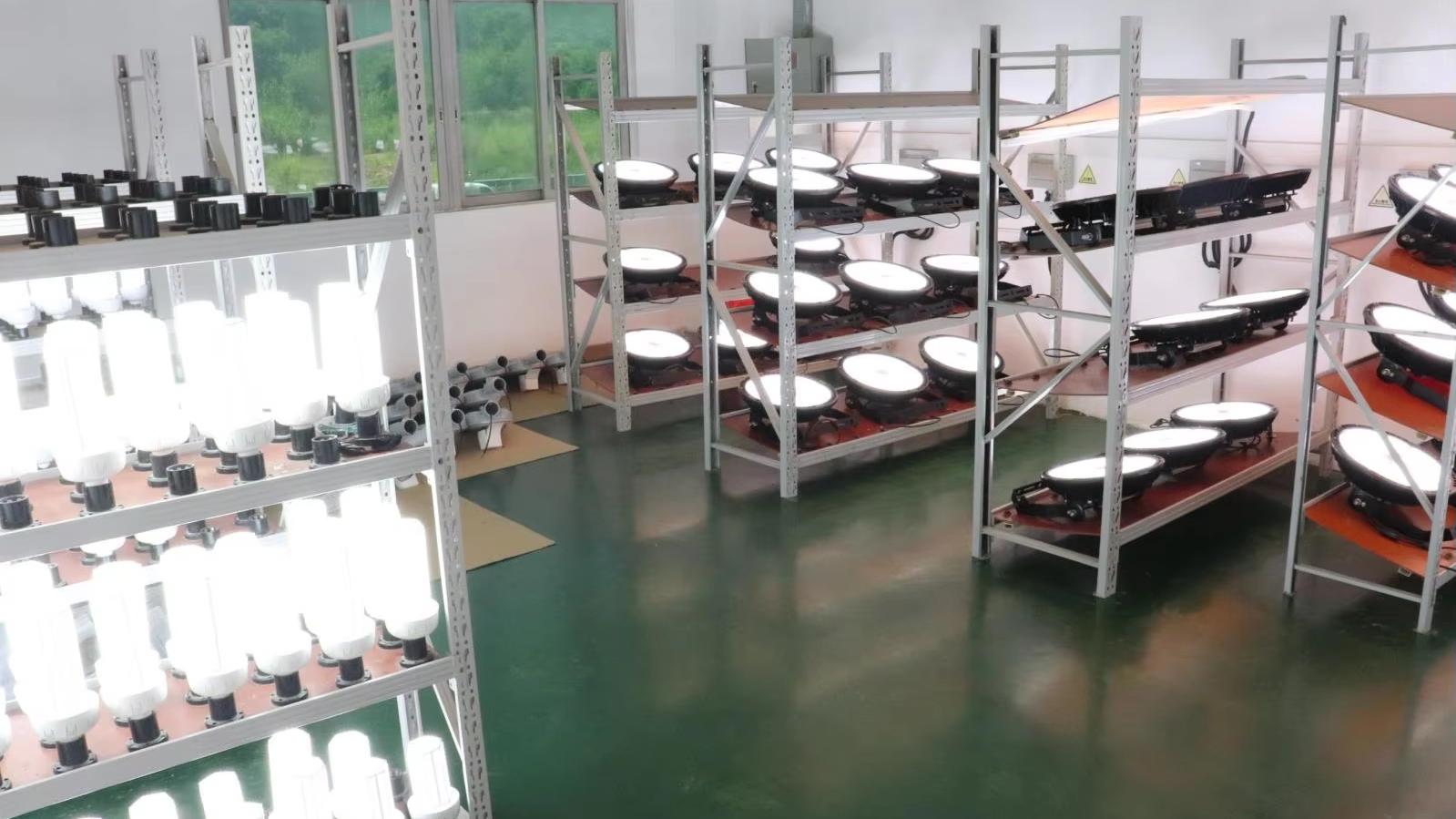
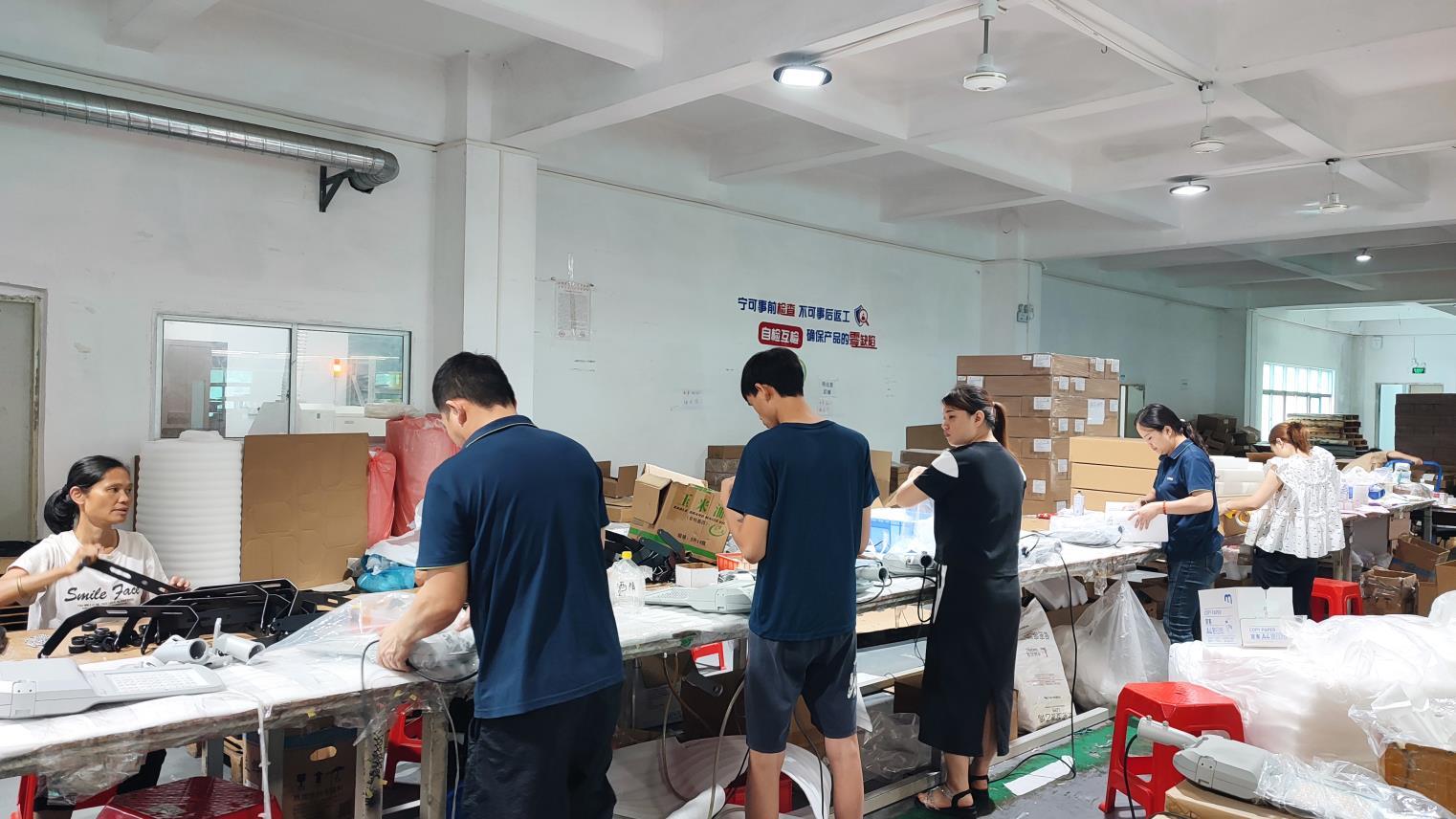
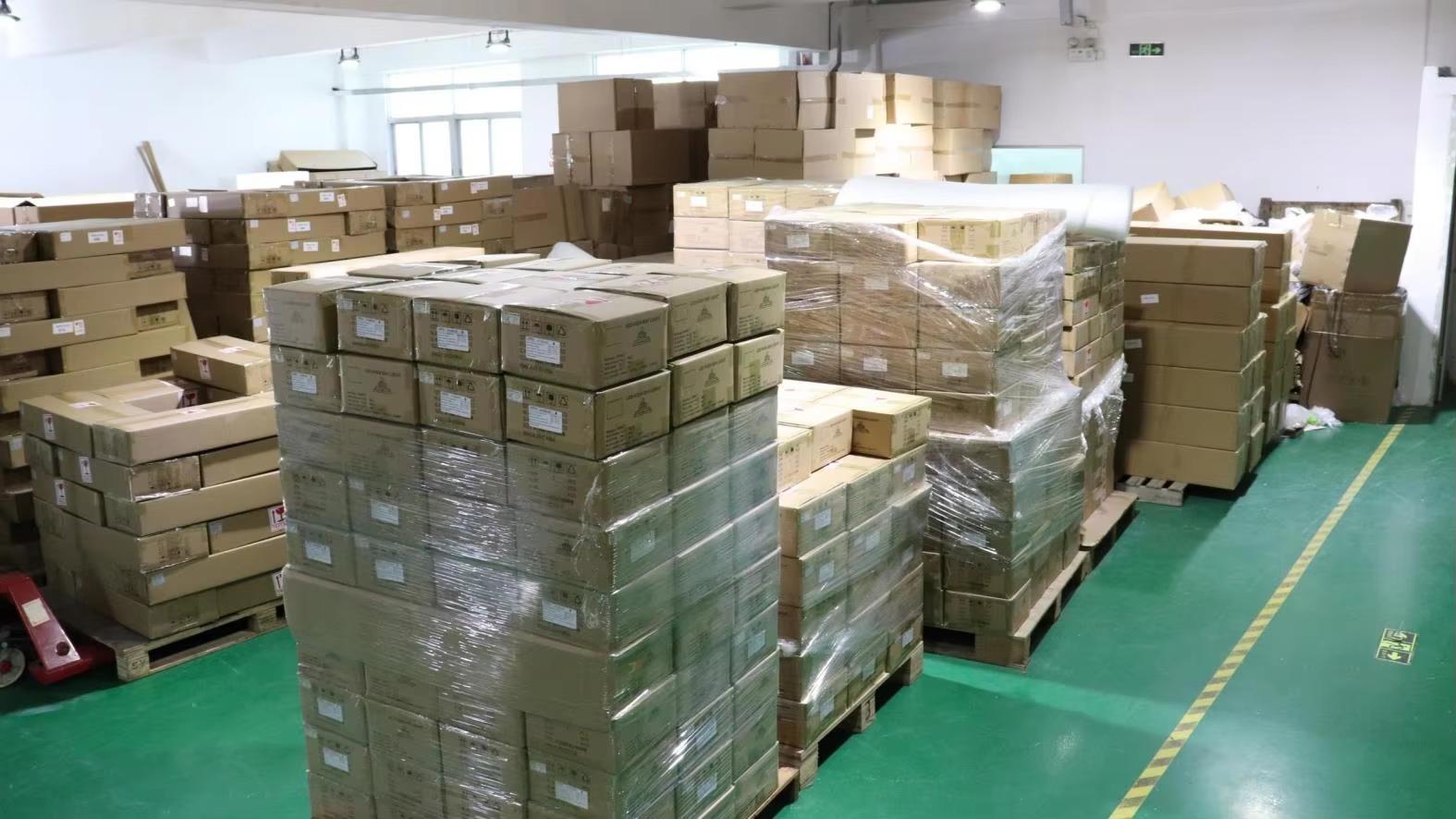
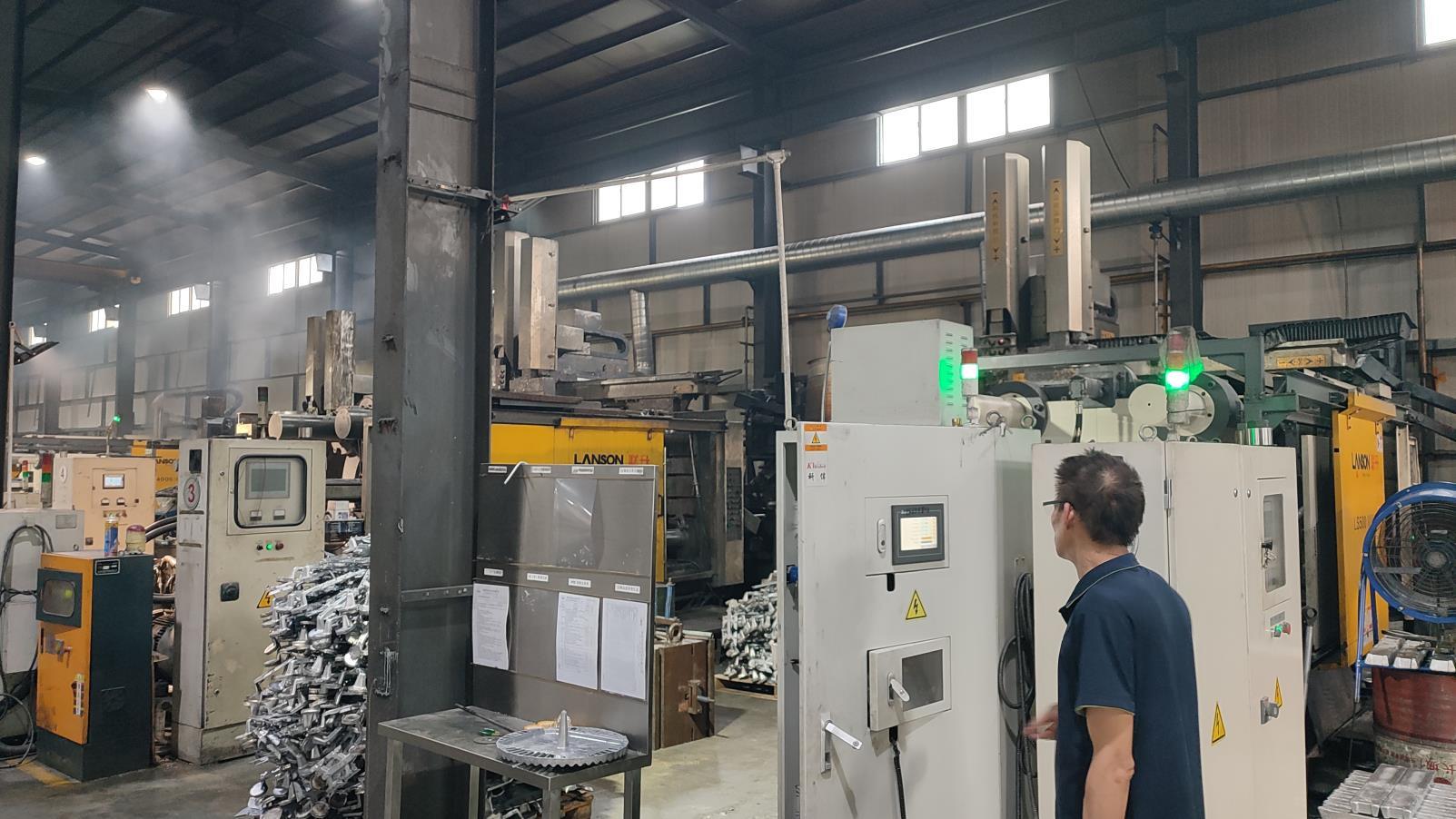
Our specialized technical services ensure optimal lighting layouts and regulatory compliance for global projects.
We provide complimentary DIALux lighting simulations. Customers supply spatial dimensions, reflectivity factors, and lux requirements. Our application engineers then construct 3D optical models. This process minimizes glare, ensures uniform distribution, and eliminates over-lighting, optimizing spatial efficacy.
By mapping layout scenarios beforehand, industrial sites determine optimal spacing, reducing the total quantity of luminaires needed. This reduces both upfront hardware procurement costs and ongoing energy consumption.
Every industrial project has unique requirements. We support custom power calibrations, correlated color temperatures (CCT 3000K–6500K), specific beam angles (60°/90°/120°), and specialized mounting brackets. Additionally, we offer custom driver integrations, including MeanWell, Inventronics, and Sosen, for projects that require specific component configurations.
Our OEM/ODM services extend to private labeling, custom laser marking, and project-specific packaging, ensuring smooth compliance with localized regulatory and branding standards.
| Luminaire Category | Typical Efficacy (lm/W) | Ingress Rating | Primary Driver Systems | Optimal Applications |
|---|---|---|---|---|
| UFO High Bays | 140 - 180 lm/W | IP65 Waterproof | Sosen / MeanWell (1-10V Dimming) | Logistics Warehouses, Cold Storage, Factories |
| LED Street Lights | 130 - 160 lm/W | IP65 / IP66 | Inventronics / Philips (Surge 10kV) | Municipal Roads, Highway Interchanges, Parking Lots |
| Stadium Floodlights | 140 - 160 lm/W | IP65 / IP67 | High-Power MeanWell (Surge 20kV) | Arenas, Shipyards, High-Mast Area Lighting |
| Tri-Proof Batten Lights | 120 - 140 lm/W | IP65 Dust/Vapor-Proof | Isolated Constant Current Drivers | Food Processing, Parking Garages, Corridors |
Our long-term R&D timeline focuses on structural efficiency, intelligent IoT integration, and environmental sustainability.
Standardizing 190 lm/W systems using advanced SMD matrices. Broadening the integration of DALI-2 drivers and smart daylight-harvesting sensors into industrial product lines.
Launching lighting controls integrated with Bluetooth Mesh, Zigbee, and Thread protocols. This enables automated, building-wide mesh networks that optimize energy use through real-time occupancy tracking.
Transitioning to fully modular product designs to simplify component-level upgrades. Using recycled post-consumer aluminum and shifting our primary assembly facilities toward carbon-neutral operations.
Technical details regarding compliance, engineering specifications, and global sourcing parameters.
We use long-term laboratory testing data following the LM-80 standard. These tests measure the lumen maintenance of our LED sources over thousands of hours at specific temperatures. We then apply TM-21 extrapolation algorithms to predict the luminaire's operational lifespan, ensuring our L80B10 certifications are backed by reliable data.
ENEC (European Norms Electrical Certification) and TÜV are independent, third-party safety marks. Unlike self-declared CE markings, ENEC requires testing by accredited laboratories and regular audits of our manufacturing facilities. These certifications verify electrical safety, thermal stability, and compliance with the Low Voltage Directive (LVD) and Electromagnetic Compatibility (EMC) regulations.
Driver failures are often caused by voltage spikes, overheating, or moisture. To prevent this, our outdoor street and stadium fixtures feature built-in 10kV/20kV surge protection devices (SPDs), use drivers housed in IP67-rated enclosures, and are mounted to die-cast aluminum heat sinks designed to keep components cool.
To create an accurate simulation, our engineers need the spatial dimensions (length, width, height), mounting height limitations, target lux levels, and reflectivity of the floor, walls, and ceiling. Details about obstructions, like racking in a warehouse, help us optimize light placement and beam angles.
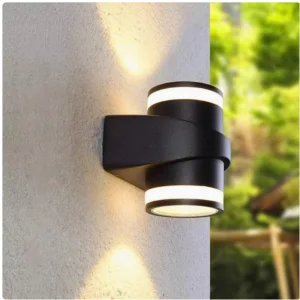
Our catalog of high-durability garden post tops, linear washes, and interior vapor-tight systems designed for commercial and municipal spaces.
 Lijah Light