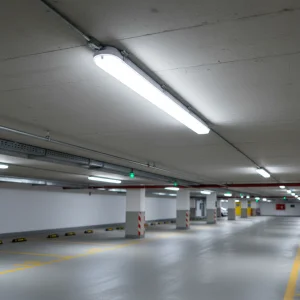
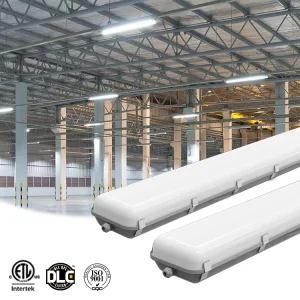
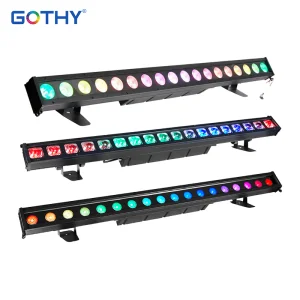
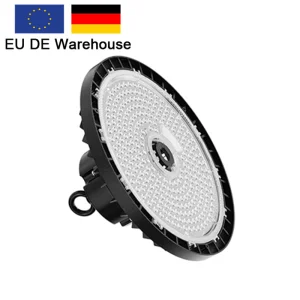
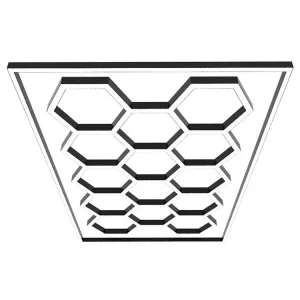
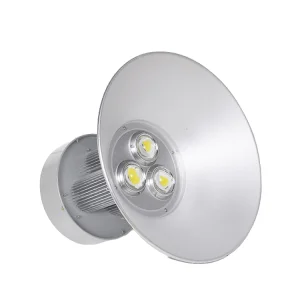
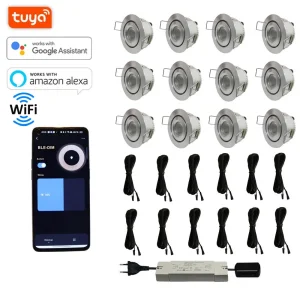
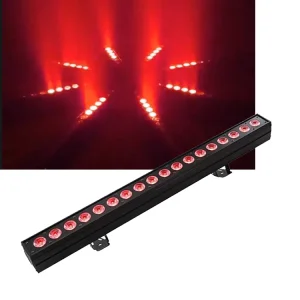
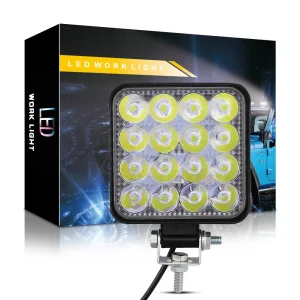
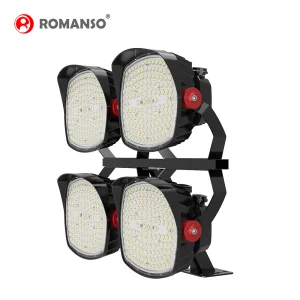
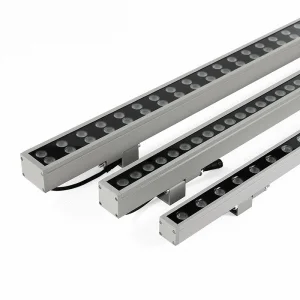
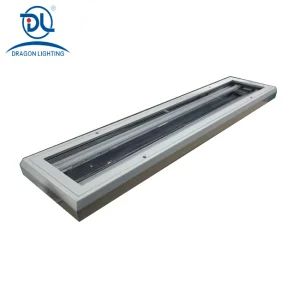
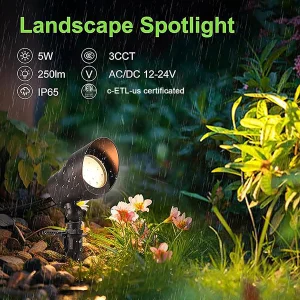
Premium-grade structural luminaires utilizing state-of-the-art solid-state tech, optimized for harsh environments, roadways, and architectural applications.
Across the globe, municipalities, regional councils, and industrial conglomerates are confronting a dual mandate: drastically curtailing greenhouse gas emissions while concurrently reducing operational and maintenance expenditures. Public street lighting represents one of the most significant, yet optimizing-ready energy costs for modern local authorities, often accounting for up to 40% of municipal electricity consumption. Transitioning from legacy high-pressure sodium (HPS) and metal halide (MH) fixtures to intelligent OEM/ODM LED street lamp solutions has evolved from an optional efficiency upgrade into a foundational pillar of sustainable, smart-city master planning.
To successfully navigate this macro-economic shift, municipal engineers, urban developers, and lighting contractors require highly adaptable, long-lifecycle luminaires that offer superior optical performance, robust thermal management, and seamless control integration. Our engineering whitepaper examines the technical framework, system design principles, and international testing standards required to design, manufacture, and implement next-generation municipal street lighting solutions.
Guangdong Lijah Light Co., Ltd. is a premier, technologically advanced manufacturer specializing in the research, development, production, and global supply of energy-efficient, smart-integrated LED lighting solutions. As a trusted OEM/ODM engineering partner, we deliver high-reliability systems tailored to the rigid parameters of industrial, commercial, and outdoor public utility infrastructure projects across Europe, Oceania, Southeast Asia, and the Middle East.
By bridging the gap between state-of-the-art optoelectronic engineering and precision volume production, we ensure every luminaire leaving our assembly line fulfills the rigorous quality expectations of international compliance registries. We utilize a highly integrated manufacturing process—encompassing everything from custom tool design and structural die-casting to intelligent driver configuration and optical ray-tracing analysis.
Critical insights into market regional trends, smart city mandates, and localized engineering considerations.
Driven by strict Green Deal directives, EU/UK municipalities demand ultra-high efficacy (>160 lm/W), standardized Zhaga Book 18 connectors, and compliance with strict light pollution (dark-sky) protocols. The integration of D4i (DALI for IoT) drivers is mandatory to support dynamic traffic-adaptive dimming systems.
High ambient heat (up to +55°C), intensive sandstorm abrasion, and high UV radiation require heavy-duty die-cast ADC12 aluminum housings with multi-stage powder coatings. Drivers must have active thermal fold-back and robust internal surge protection (at least 10kV/20kV) to handle grid fluctuations.
Regulatory mandates (UL/cUL for North America, SAA/C-Tick for Australia/NZ) focus on structural safety and long-term durability. Precision photocell sockets (3-pin, 5-pin, or 7-pin NEMA compliant) are standard requirements for remote dimming and monitoring under smart grid programs.
From basic illumination to data-driven smart grid nodes: the technological evolution of street lamp architectures.
Modern LED streetlights serve as structural platforms for urban sensor networks. By incorporating NEMA or Zhaga sockets on the top of the luminaire housing, cities can easily mount Photocell receptors, LoRaWAN, Zigbee, or cellular-enabled NB-IoT nodes. This setup enables real-time telemetry tracking, including automatic fault reporting, energy consumption monitoring, predictive maintenance notifications, and adaptive localized dimming algorithms based on atmospheric visibility or vehicle traffic flow.
Concerns over high-frequency blue light and its disruptive effects on human circadian rhythms and nocturnal wildlife have prompted a shift in color temperature preferences. While 4000K-5000K remains standard for high-speed expressways, many historic zones, residential roads, and ecologically sensitive preserves now mandate warm, low-intensity spectra (2200K, 2700K, or amber-tinted LEDs) paired with precise optical cut-off shields to minimize upward light spill.
For rural highways, remote logistics parks, and areas prone to grid instability, solar-hybrid and off-grid LED street lighting solutions are seeing rapid adoption. These systems combine high-efficacy LED modules with integrated Monocrystalline silicon PV panels and deep-cycle Lithium Iron Phosphate (LiFePO4) battery cells. Intelligent MPPT charge controllers optimize charging efficiency, allowing the system to run autonomously even through multi-day periods of overcast weather.
Under modern sustainable product design mandates, legacy "sealed-for-life" streetlights are being replaced by modular, toolless-entry designs. In these systems, drivers, surge protectors, and light engines are mounted on easily swappable trays. This allows maintenance crews to perform replacements or technology upgrades directly on-site in minutes, minimizing road closures and reducing long-term lifecycle e-waste.
Our engineering team designs optical systems to meet the unique challenges of specific target installation environments.
| Application Area | Primary Engineering Challenges | Critical Technical Parameters | Recommended Lighting Solution |
|---|---|---|---|
| Highways & Expressways | High-speed vehicle safety, long spacing distance, visual glare mitigation, wet road reflections. | Class M1/M2 roadway criteria, Type II/III Medium distribution, G-index glare control, low f1 value. | High-output die-cast cobra-heads with customized LED optical lens array. |
| Industrial Sea Ports & Harbors | High humidity, heavy salt spray, chemical corrosion, intense wind loading, vibration from gantry cranes. | IP66/IP67 ingress rating, ASTM B117 salt spray certified coatings, high mechanical IK10 impact resistance. | Corrosion-proof heavy-duty floodlights & vapor-tight linear triproof lights. |
| Urban & Residential Paths | Pedestrian visual comfort, light intrusion into nearby windows, vandalism risks, aesthetic integration. | Warm 2700K-3000K CCT, zero-upward-light (U0 rating), high CRI (Ra > 80), vandal-resistant enclosures. | Post-top decorative lanterns or integrated smart-sensor streetlights. |
| Cold Storage & Warehouses | Condensation, freezing temperatures (down to -30°C), continuous operations, high-rack visibility. | Instant-on in sub-zero temps, optimized thermal dissipation in cold air, UL/cUL wet location listed. | Linkable 4ft Triproof / Vapor Tight Fixtures with advanced polyurethane seals. |
Exploring the core physics and electrical architecture behind our premium LED street lighting systems.
Our light engines utilize high-reliability SMD 3030 or 5050 LEDs from top tier suppliers, paired with optical-grade PMMA lenses. These lenses offer 92%+ light transmission and precise beam shaping (Types I, II, III, IV, and V). This design maximizes uniformity while preventing spill-light and glare, allowing municipalities to space poles further apart to save on installation costs.
Excess heat degrades LED performance and shortens driver lifespans. Our luminaires are built with die-cast ADC12 aluminum housings featuring aerodynamic cooling fins. This geometry uses natural convection to keep the LED junction temperature ($T_j$) well below 75°C (at an ambient temperature of 25°C), ensuring minimal lumen depreciation over a 100,000-hour operational lifespan.
We specify premium Constant Current drivers (MeanWell, Inventronics, or Sosen) with 0-10V, PWM, or DALI-2 dimming interfaces. These drivers operate with a high Power Factor (>0.95) and low Total Harmonic Distortion (THD < 15%). They include built-in 10kV/20kV surge protection to protect the fixture from grid spikes and lightning strikes.
Our vertically integrated manufacturing facility ensures full control over structural integrity, assembly precision, and strict quality assurance testing.
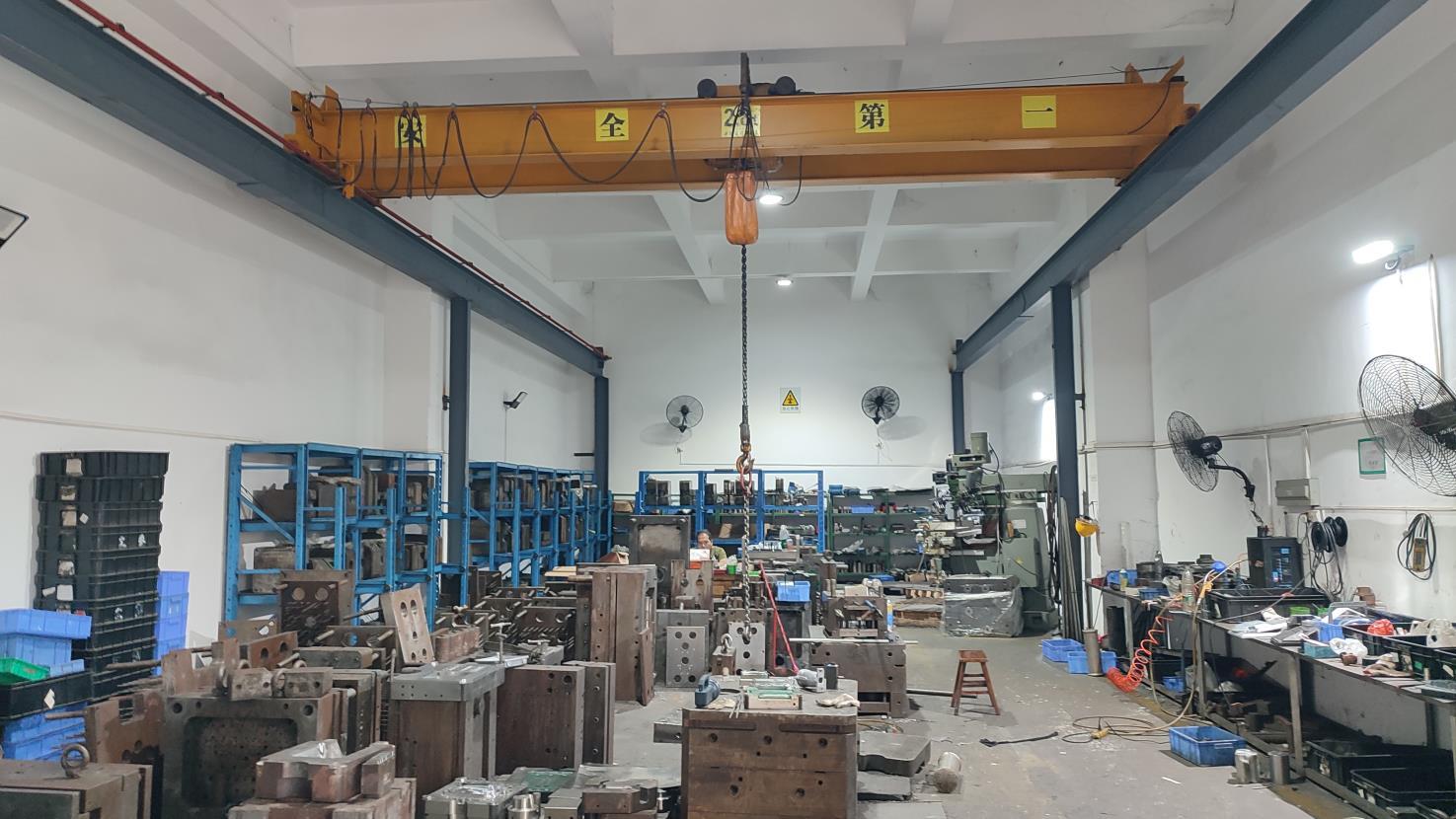
Molding
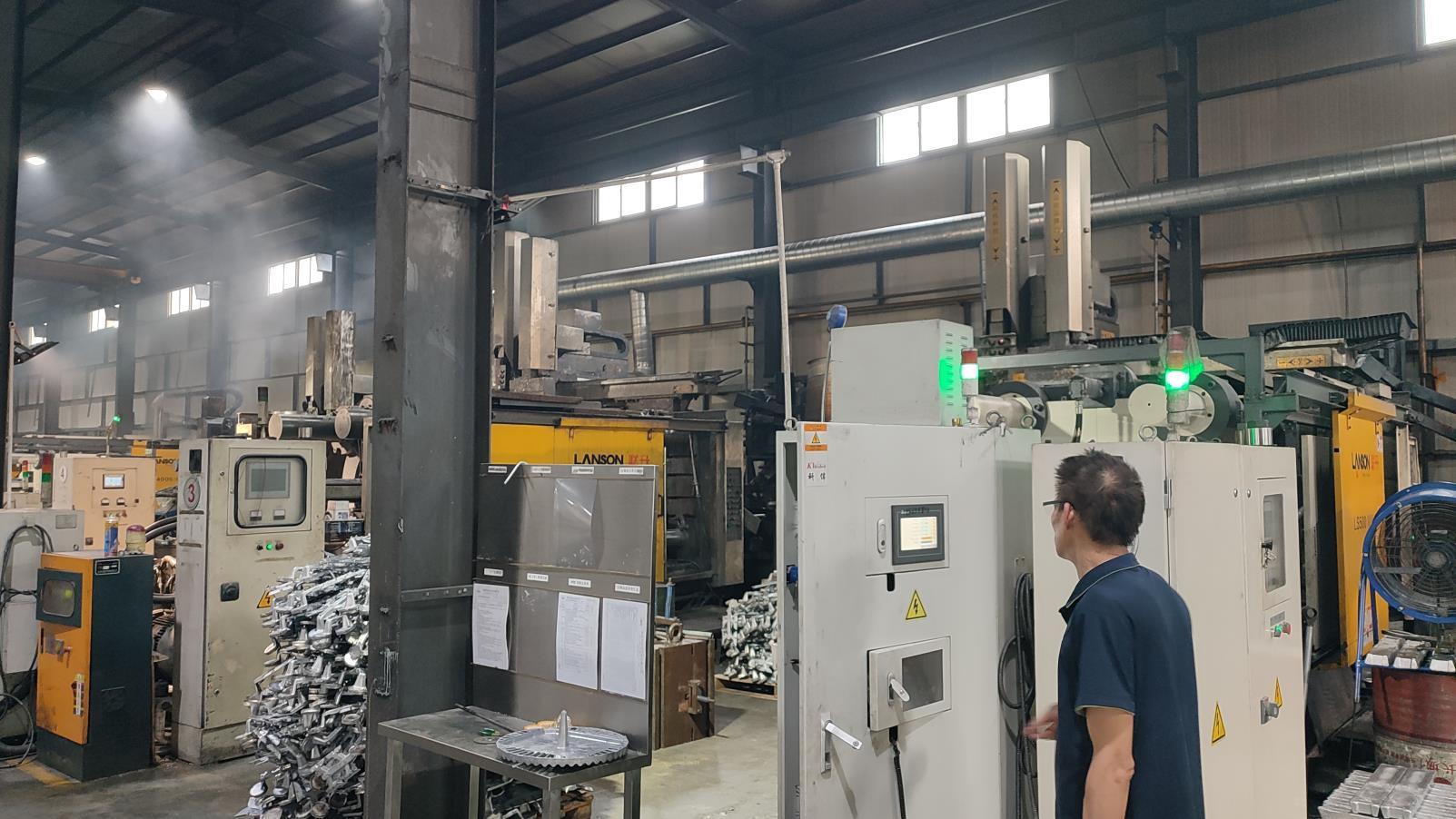
Die-casting
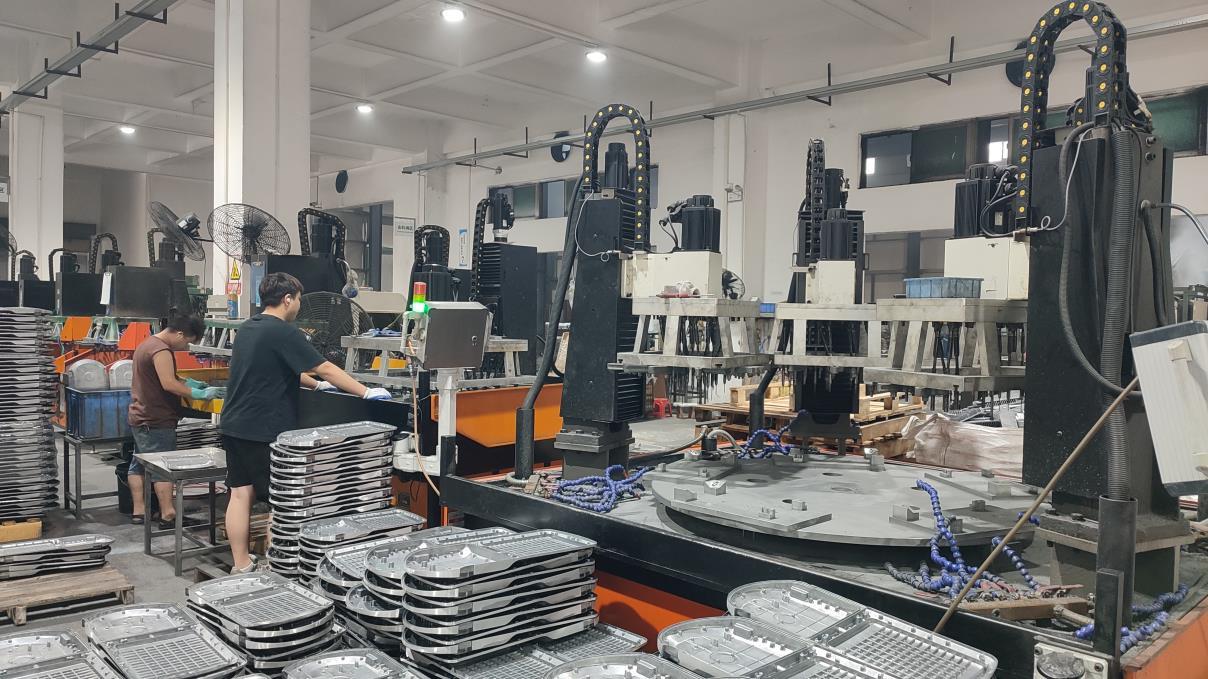
Drilling
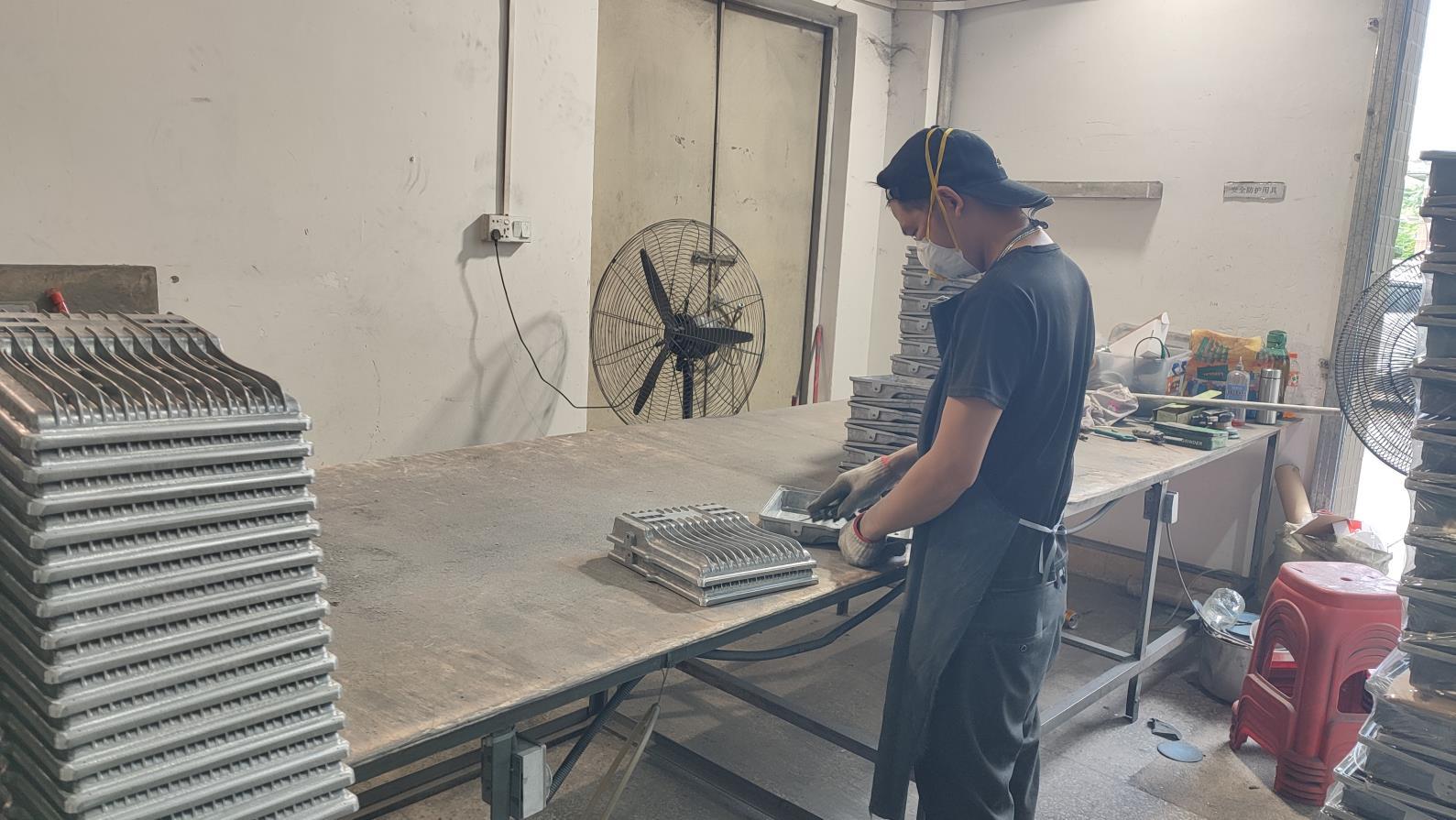
Trimming
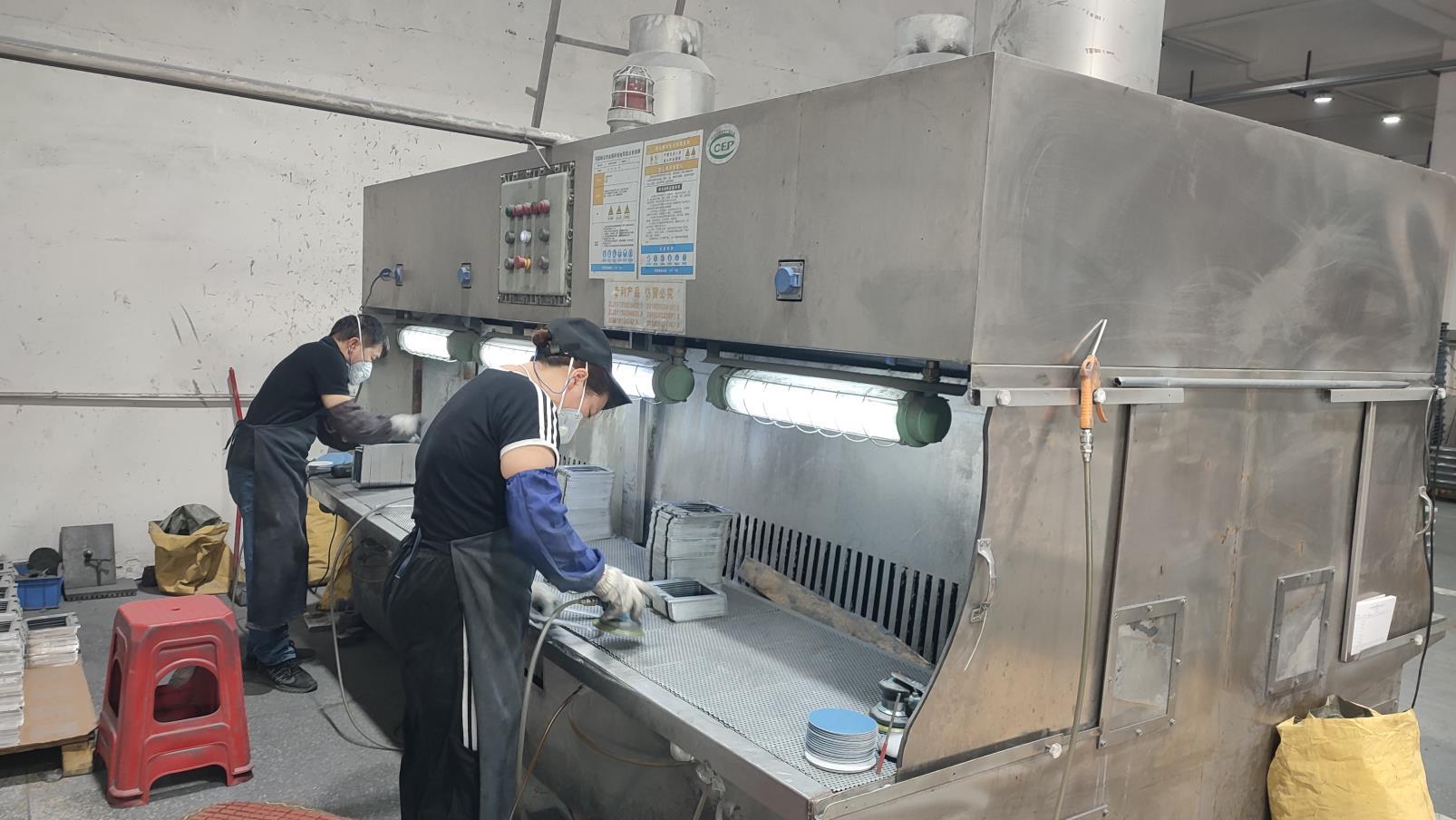
Polishing
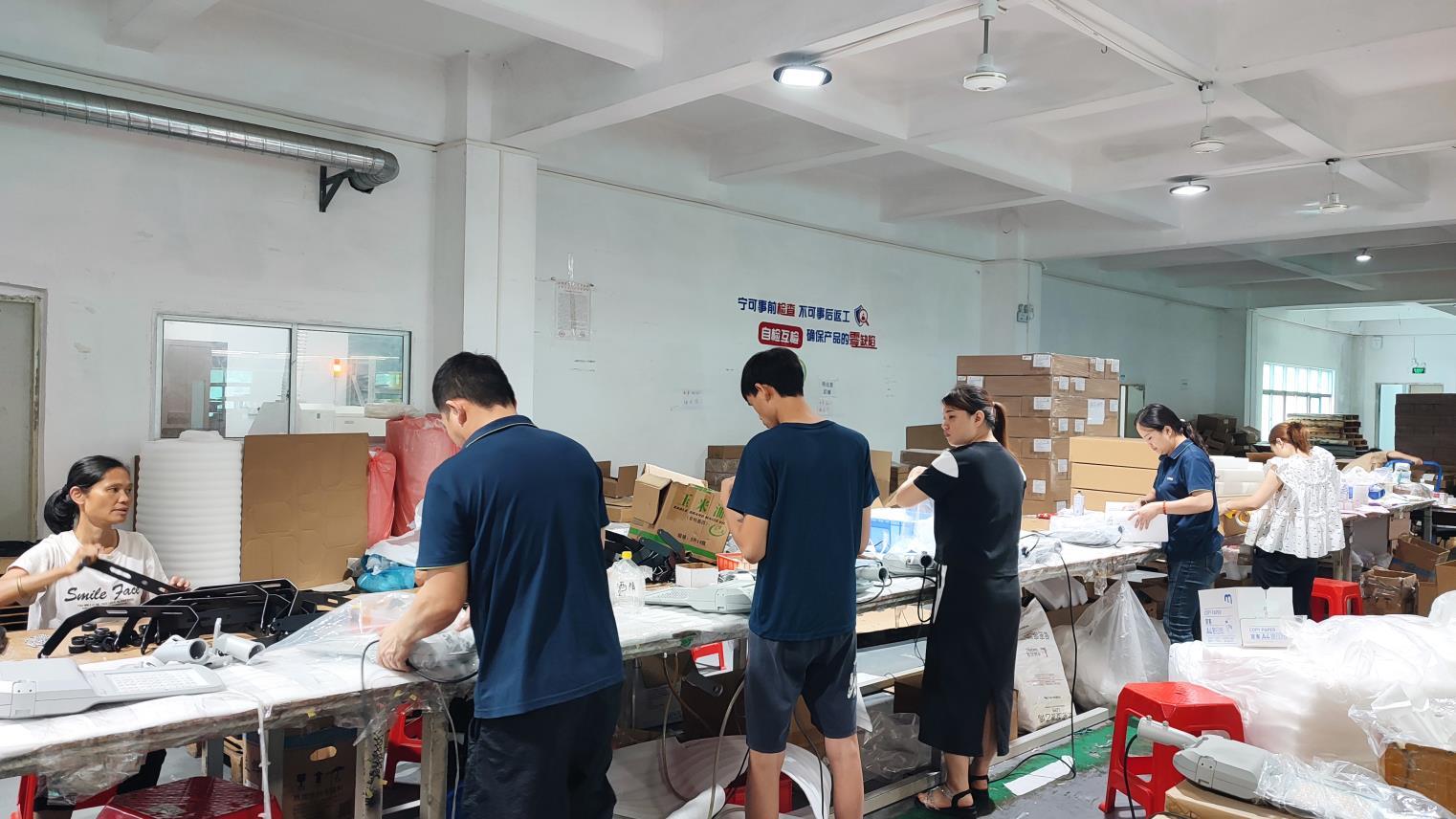
Packaging
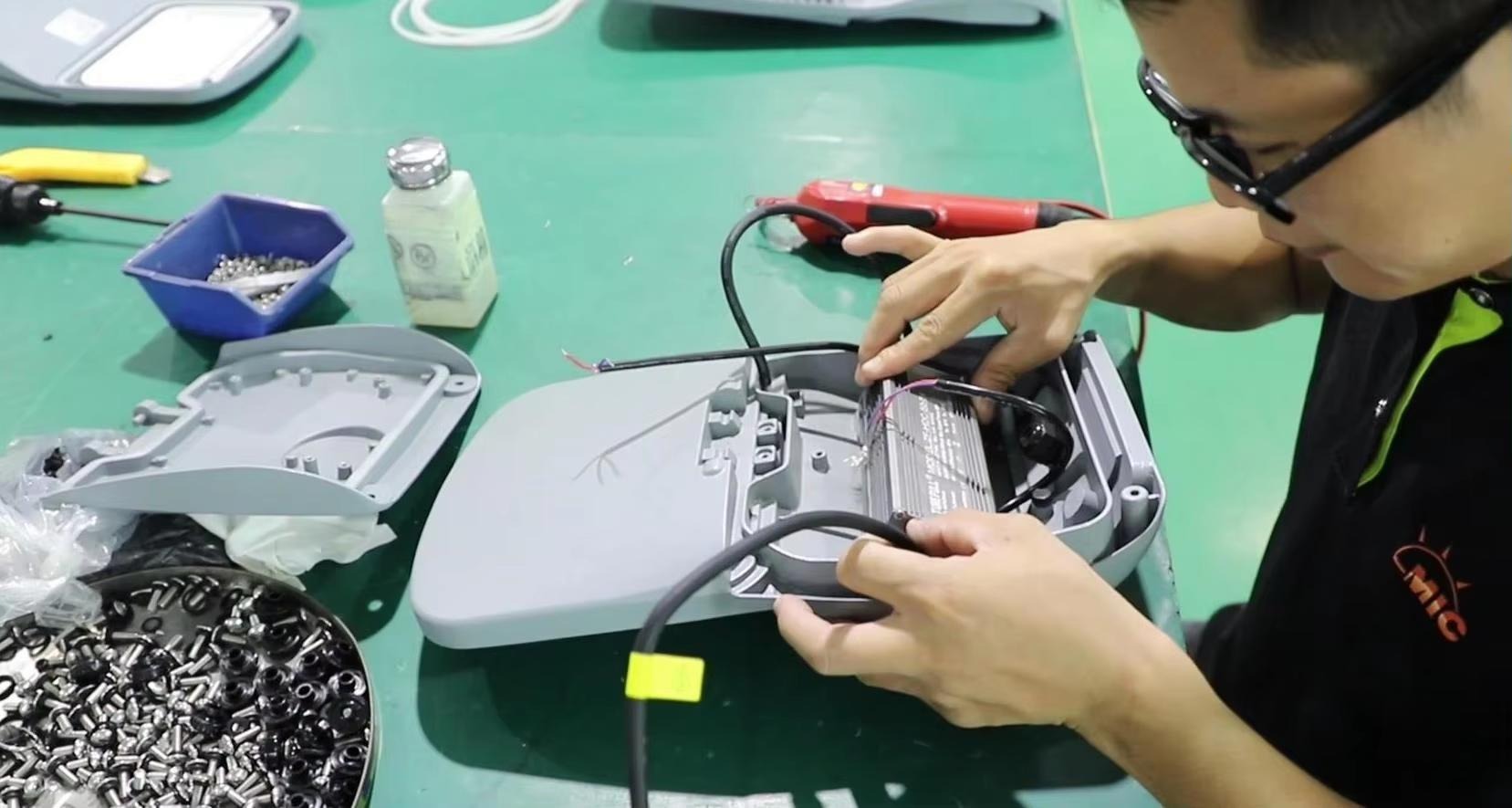
Parts Assembling 1
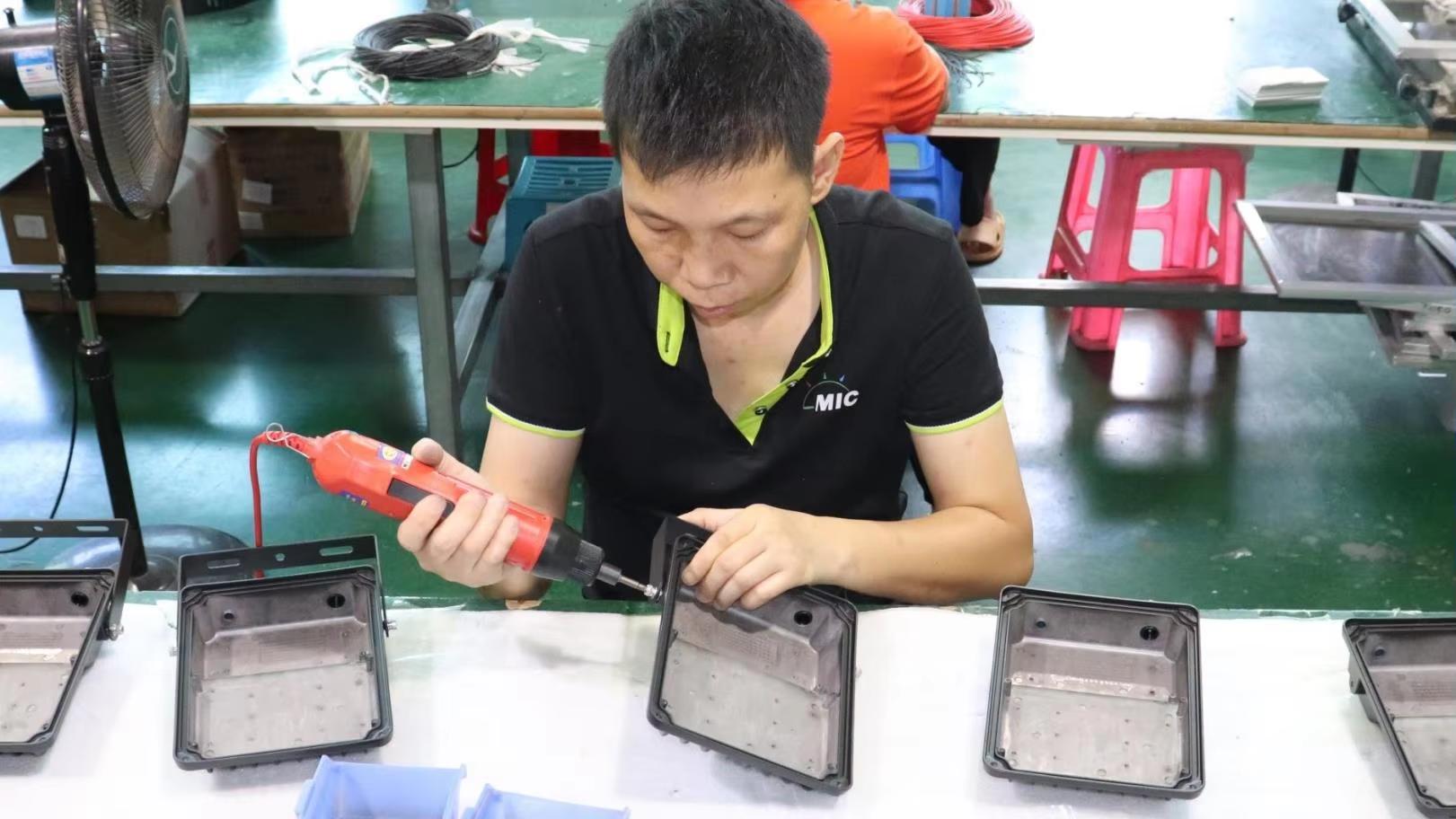
Parts Assembling 2
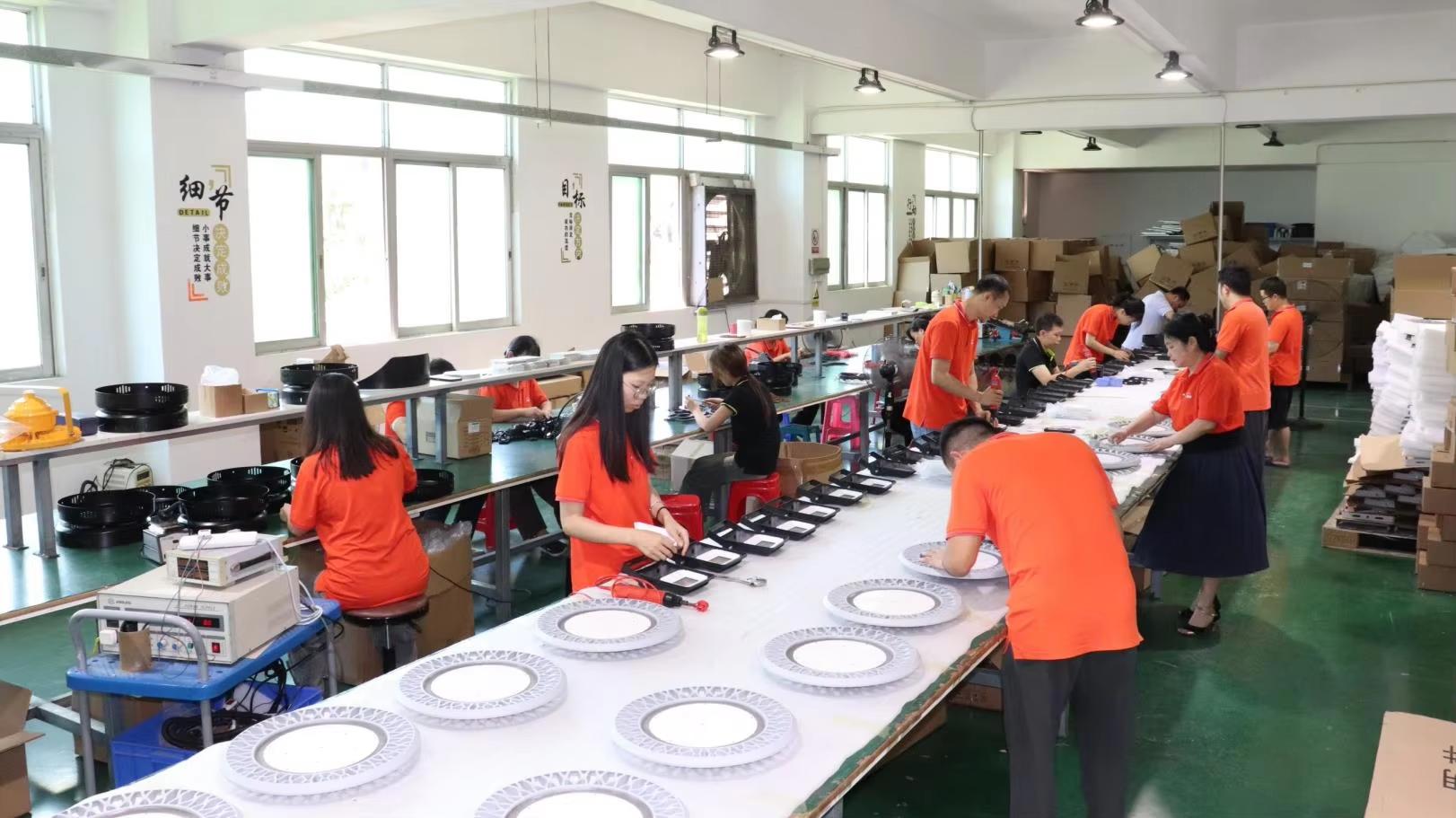
Overall Assembling
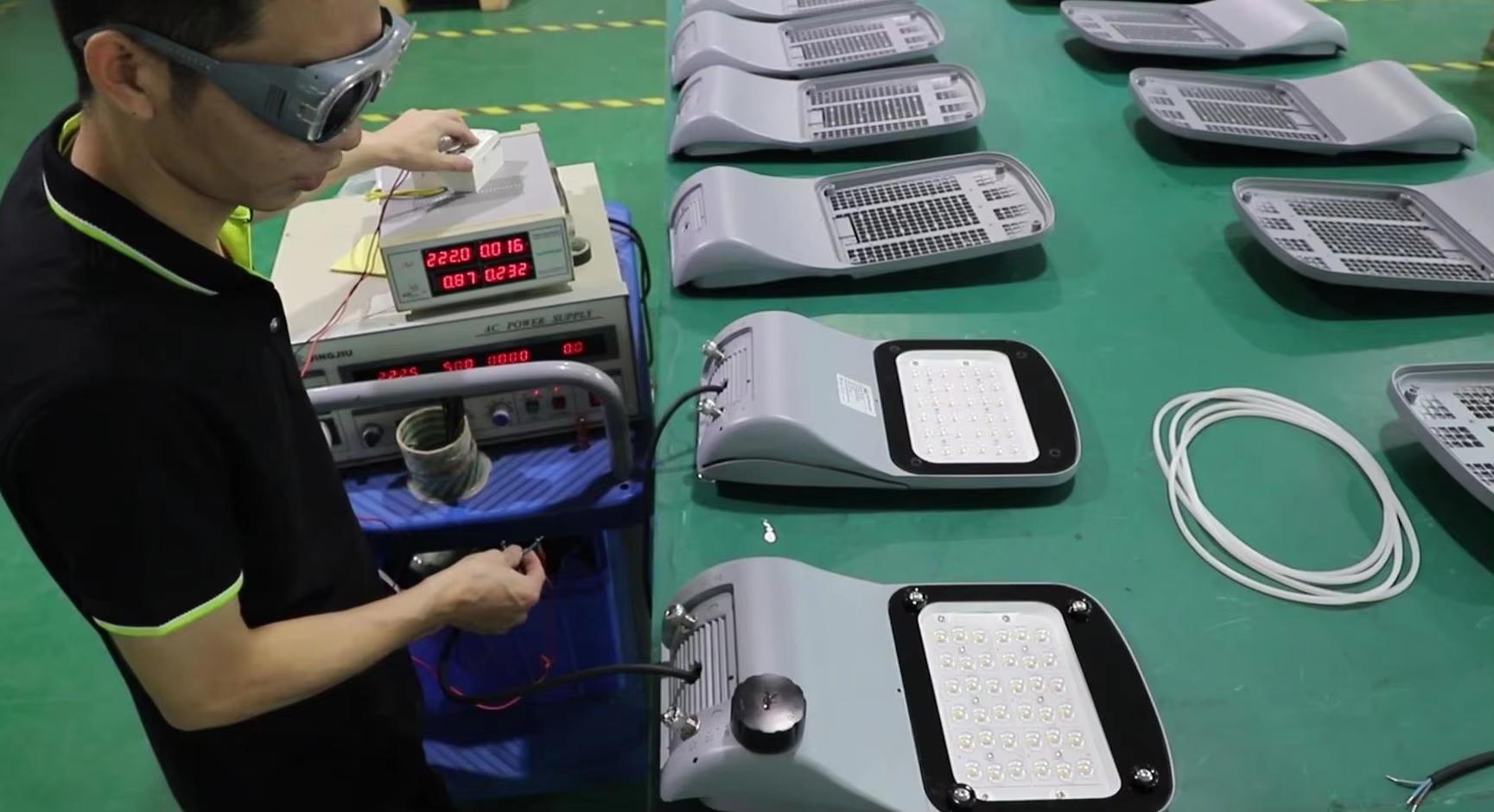
Testing
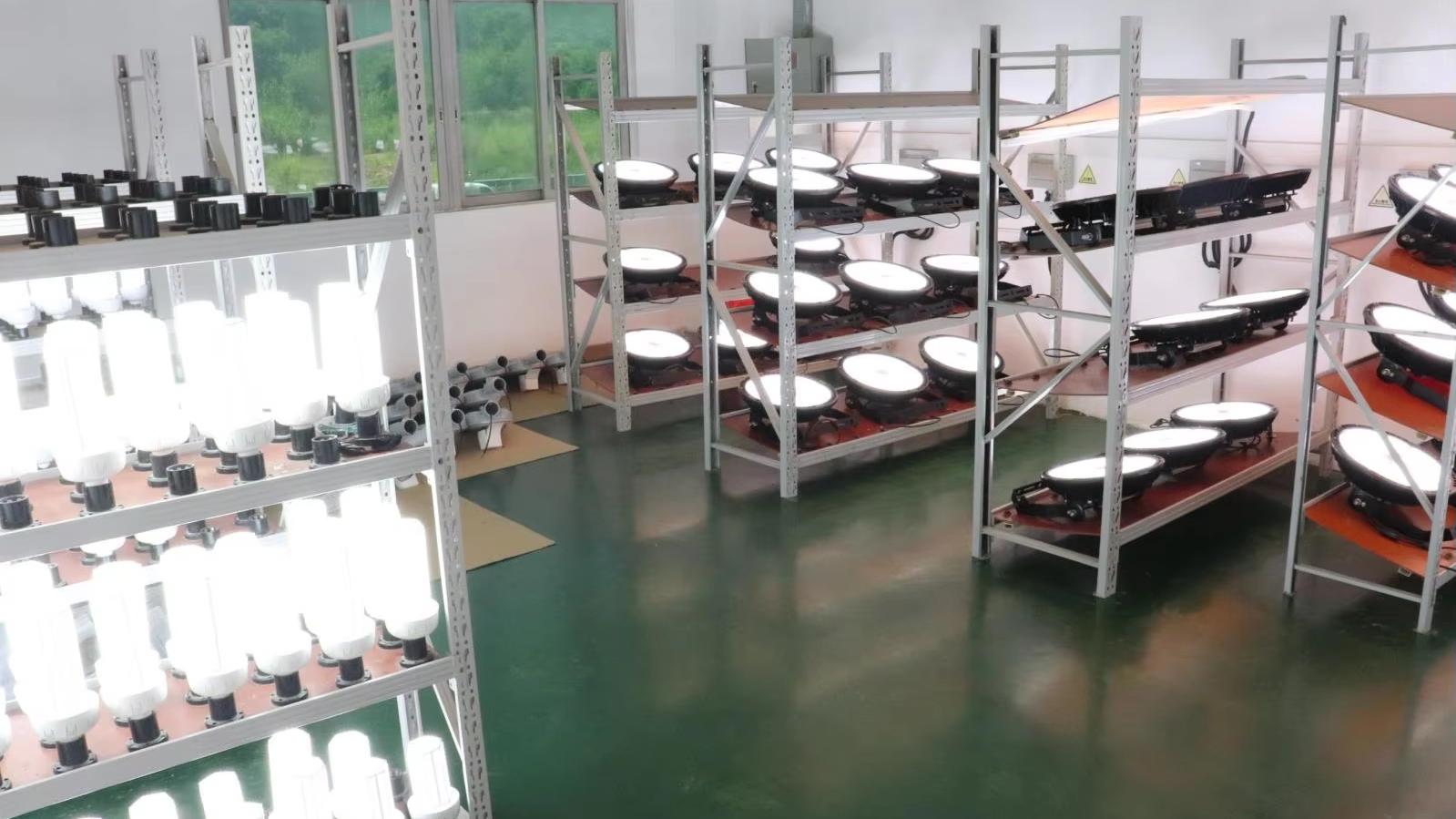
Aging Test
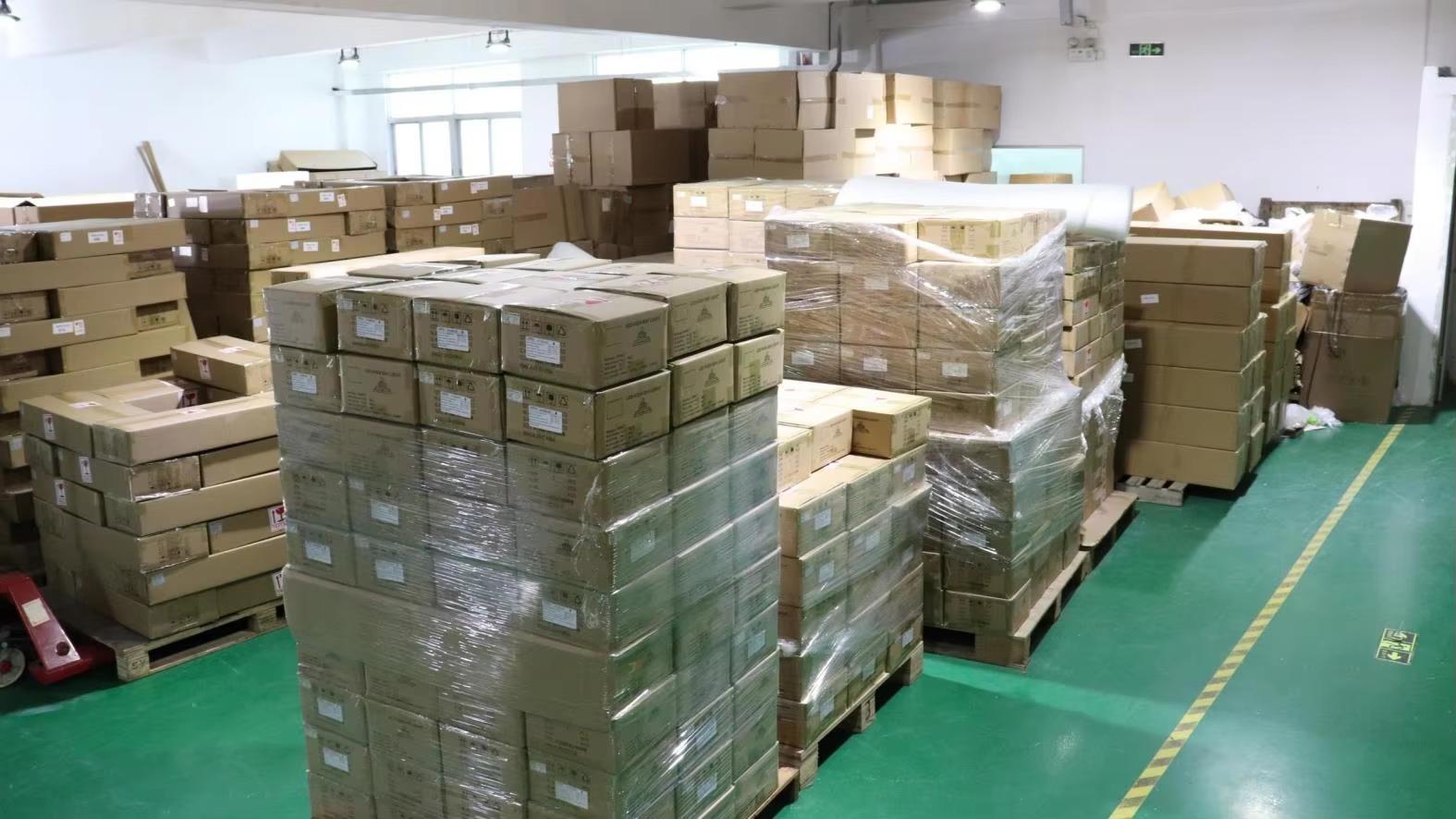
Packaging & Warehouse
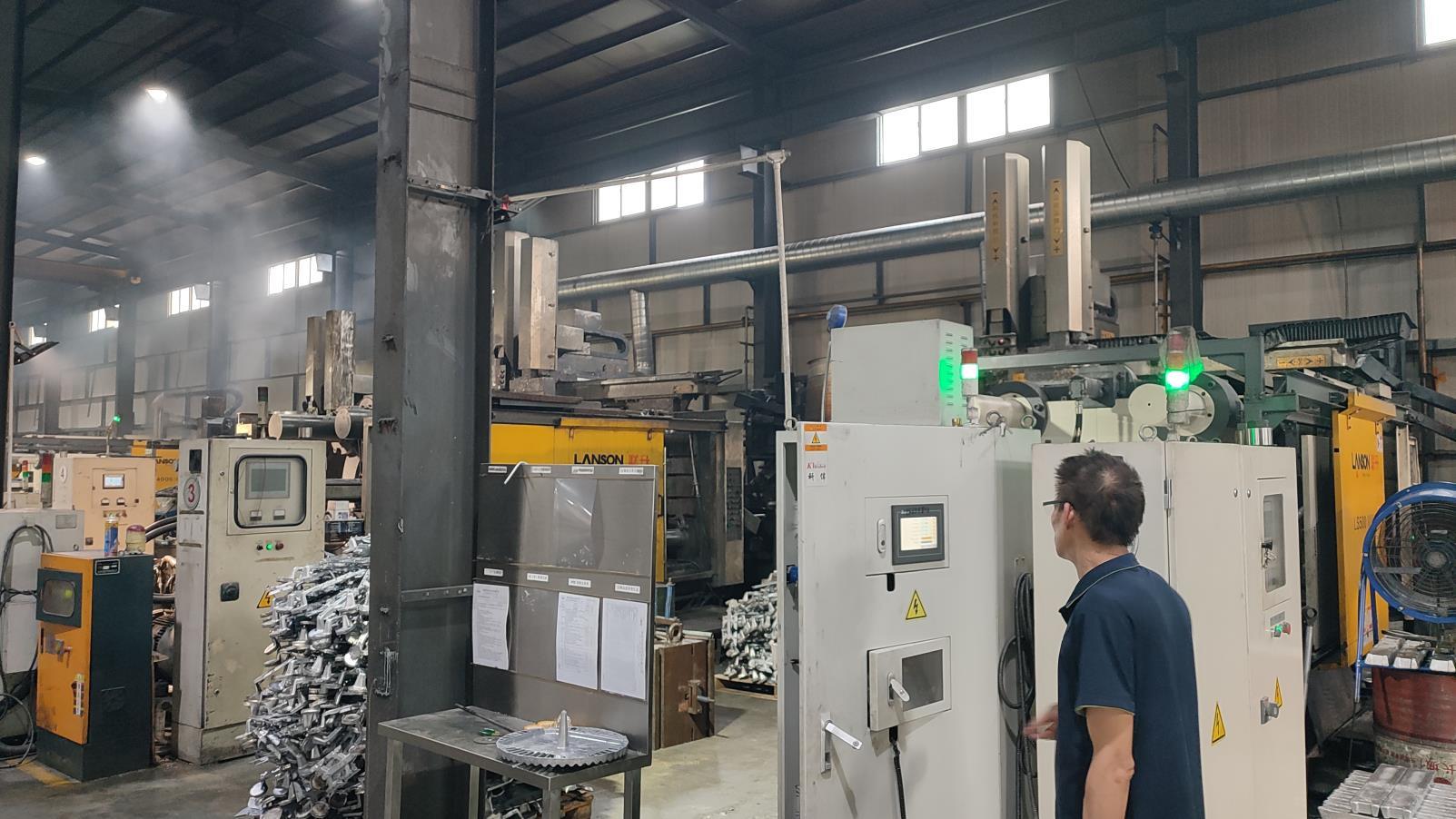
Die-Casting Machine
From conceptual design to global logistics: how we handle high-volume OEM/ODM projects.
Guangdong Lijah Light Co., Ltd. provides end-to-end support to help lighting contractors, EPC firms, and distributors secure municipal tenders. Beyond manufacturing high-performance street lamps, we offer comprehensive DIALux simulations to ensure compliance with local roadway regulations (EN 13201 or RP-8 standards). This service helps prevent over-lighting, saves energy, and reduces installation costs by finding the optimal spacing and mounting height for poles.
Additionally, our modular driver and surge-protection designs make field service simple, reducing maintenance overhead for city operations. With certifications such as TÜV, ENEC, VDE, and CB, our products are ready for quick approval by utility providers and municipal bidding boards worldwide.
Answers to common technical, electrical, and mechanical questions about our municipal LED lighting solutions.
Premium engineering, robust materials, and advanced optical performance designed for global commercial and municipal applications.
 Lijah Light