Engineered for high performance, weather resistance, and architectural integration. Discover our primary commercial lighting portfolio.
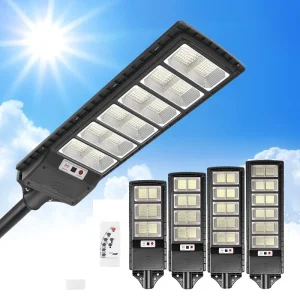
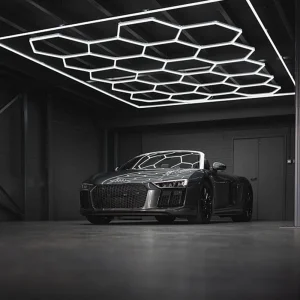
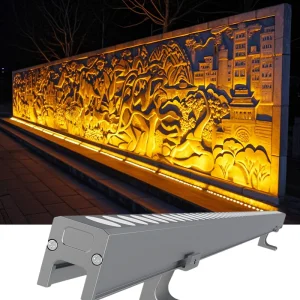
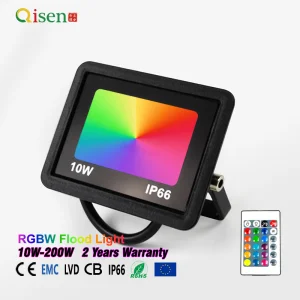
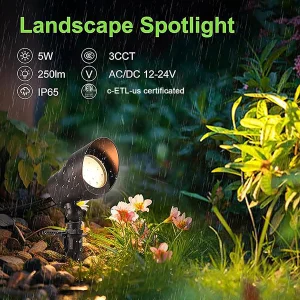
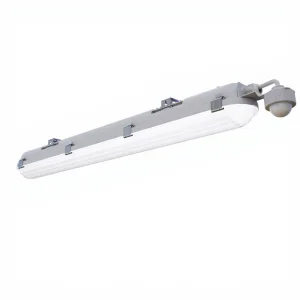
From traditional glass to advanced organic silicones: an analytical review of performance parameters and global market adoption.
Modern architectural layouts demand high-integrity materials. Silicone co-extrusion technology has largely replaced PVC. Silicone offers superior thermal stability (-50°C to +150°C), flame-retardant properties, and absolute yellowing resistance under extreme UV exposure, translating into a structural lifespan exceeding 8 years.
By implementing 3-Step MacAdam Ellipse (SDCM < 3) binning processes and integrating high-efficiency 2835 or 5050 SMD chips, modern neon flex systems achieve uniform, dot-free lighting. Advanced extrusion structures allow light transmission rates above 85% with zero visible dark zones.
Architectural facade lighting depends heavily on integration. Today's commercial neon lines natively support SPI, DMX512, DALI, and Zigbee dimming interfaces, allowing real-time pixel control, dynamic color temperature matching (2200K - 6500K), and vibrant RGBW architectural facade washes.
Professional procurement teams, MEP engineers, and industrial buyers evaluate suppliers on parameters that go beyond raw costs. To ensure high system reliability in municipal, hospitality, and residential projects, the following technical standards must be met:
1. Thermal Management & PCB Trace Thickness: To avoid voltage drops over extended runs (such as 10 to 15 meters on a single power feed), quality LED Neon Flex requires a minimum of 3oz double-sided copper PCBs. This ensures uniform brightness and keeps junction temperatures low, preventing lumen depreciation.
2. Ingress Protection (IP) & Curing Methods: Projects in coastal or humid areas require IP67 or IP68 ratings. Silicone injection-molded end caps are chemically bonded to the main body during extrusion, preventing water ingress caused by thermal expansion and contraction.
3. Certification Alignment: Complete market compliance requires more than standard CE or RoHS marks. Industrial and commercial projects demand third-party test reports like TÜV, ENEC, CB, LM-79, LM-80, and TM-21. These documents verify the product's performance, safety, and longevity over time.
To maximize the operational life of LED neon flex installations, mechanical and electrical engineering designs should focus on three critical practices:
Constant Current IC Drivers: For runs exceeding 15 meters, constant current ICs built into the PCB regulate current across the entire length of the flex. This compensates for voltage drops and ensures uniform brightness from the first meter to the last.
Bending Radius Compliance: Exceeding the minimum bending radius (typically 60mm to 120mm depending on the cross-section) puts mechanical stress on the SMD solder joints. This can lead to micro-fractures and intermittent section failures. Designers must specify horizontal-bend (side-bend) or vertical-bend (top-bend) profiles according to the application.
UV Degradation Safeguards: In high-sunlight locations like the Middle East or Australia, specifying food-grade, UV-stabilized silicone prevents yellowing, hardening, and cracking, which are common issues with cheaper PVC alternatives.
How Guangdong's manufacturing ecosystems leverage automated production and deep integration to deliver high-quality, cost-effective LED systems globally.
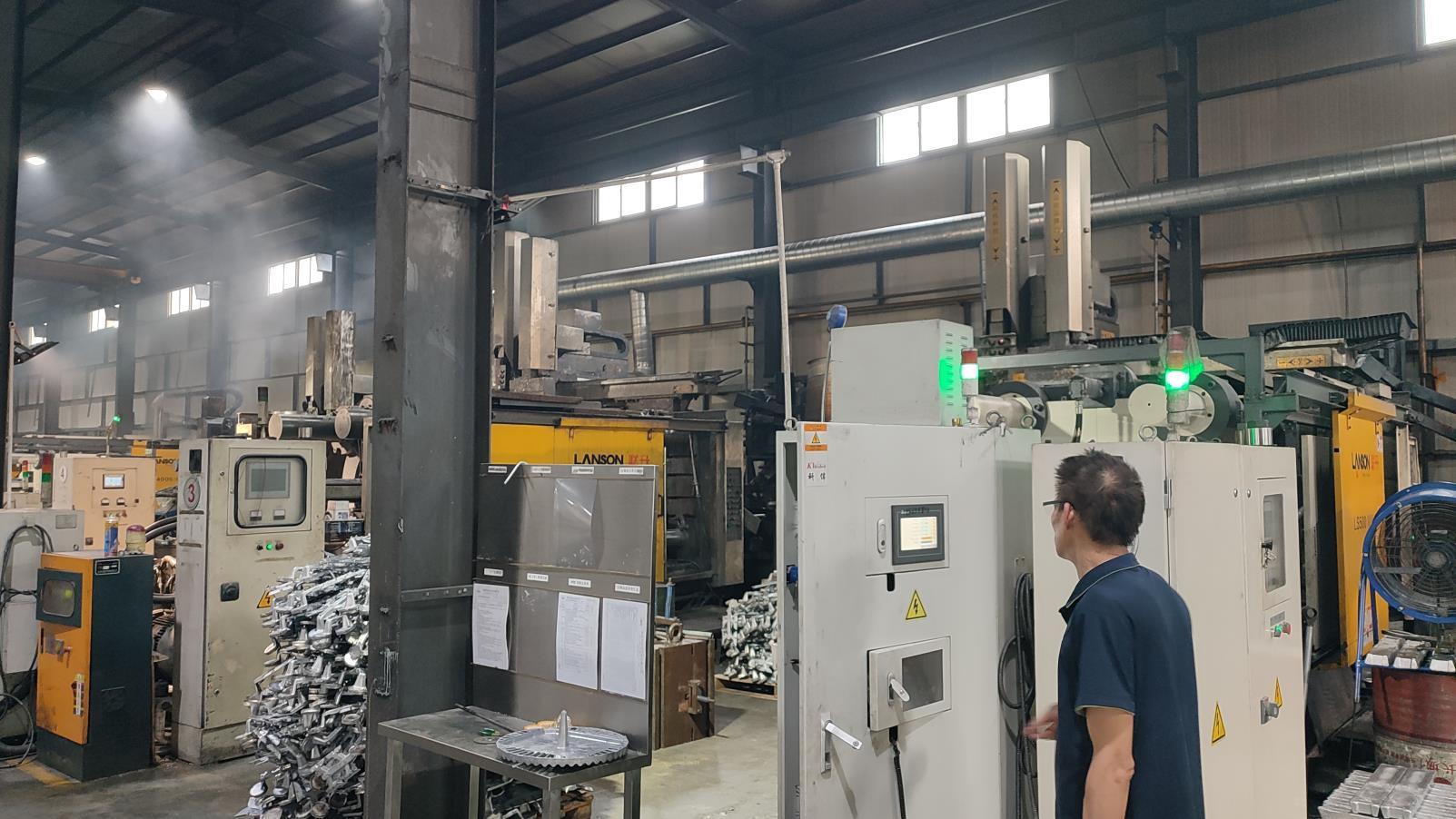
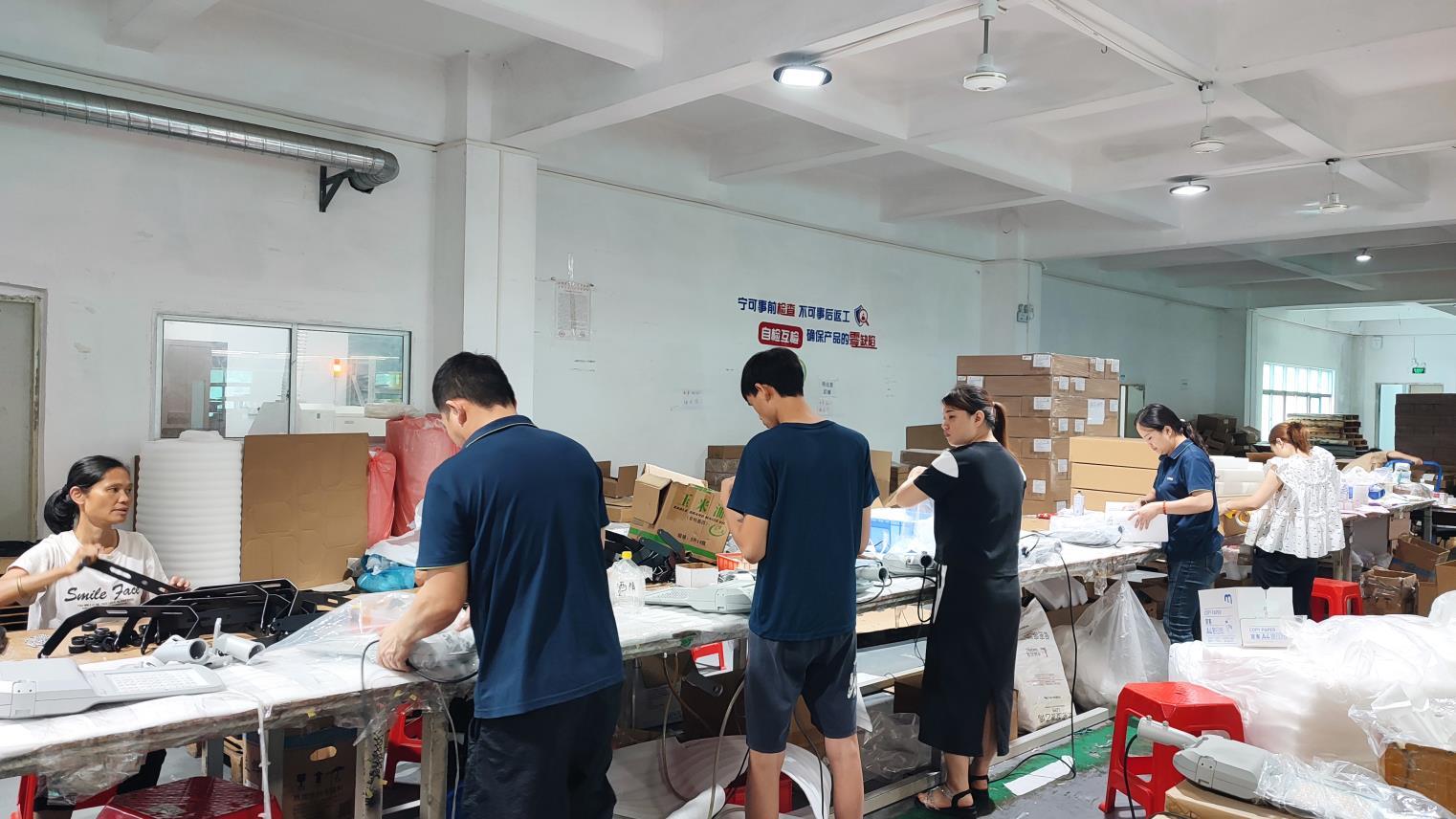
Guangdong's lighting hub keeps raw material lead times short. By sourcing high-purity silicones, copper PCBs, and top-tier LED chips within a 50km radius, production lines maintain high material consistency and remain resilient against supply disruptions.
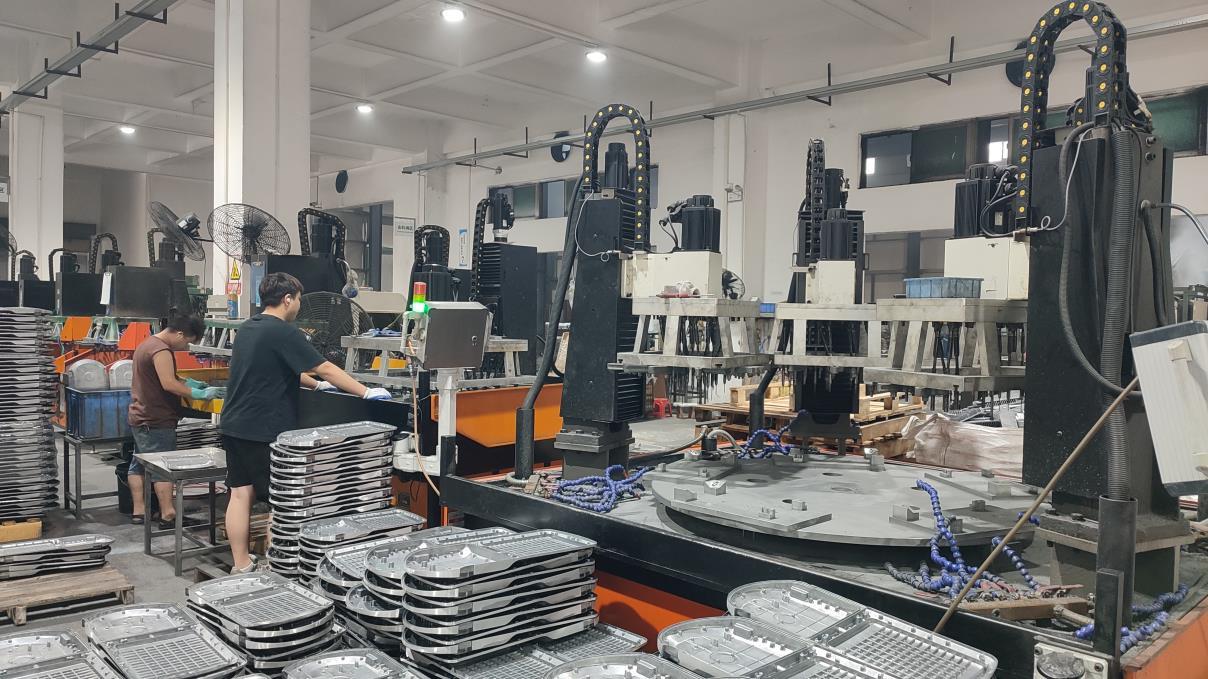
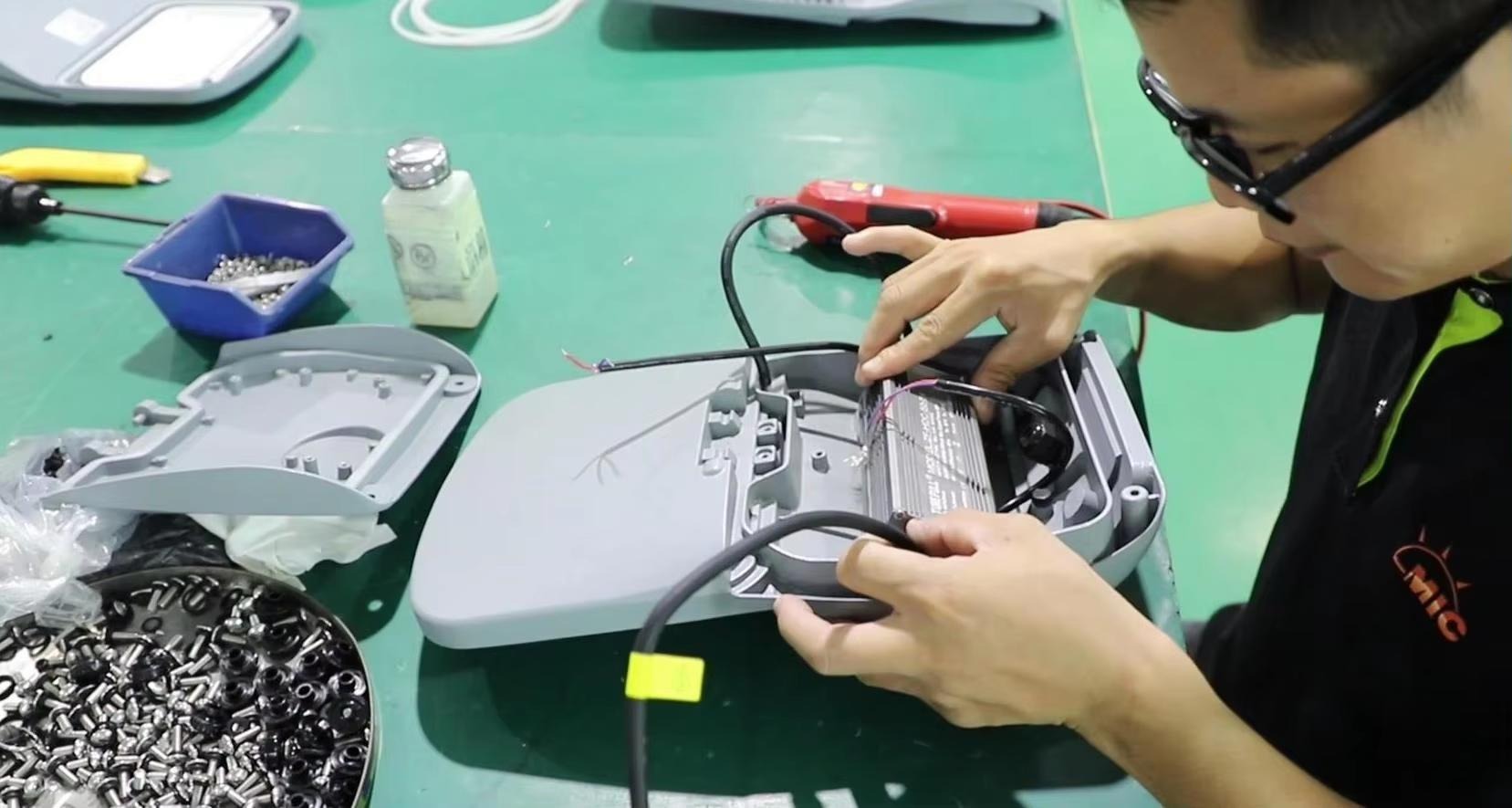
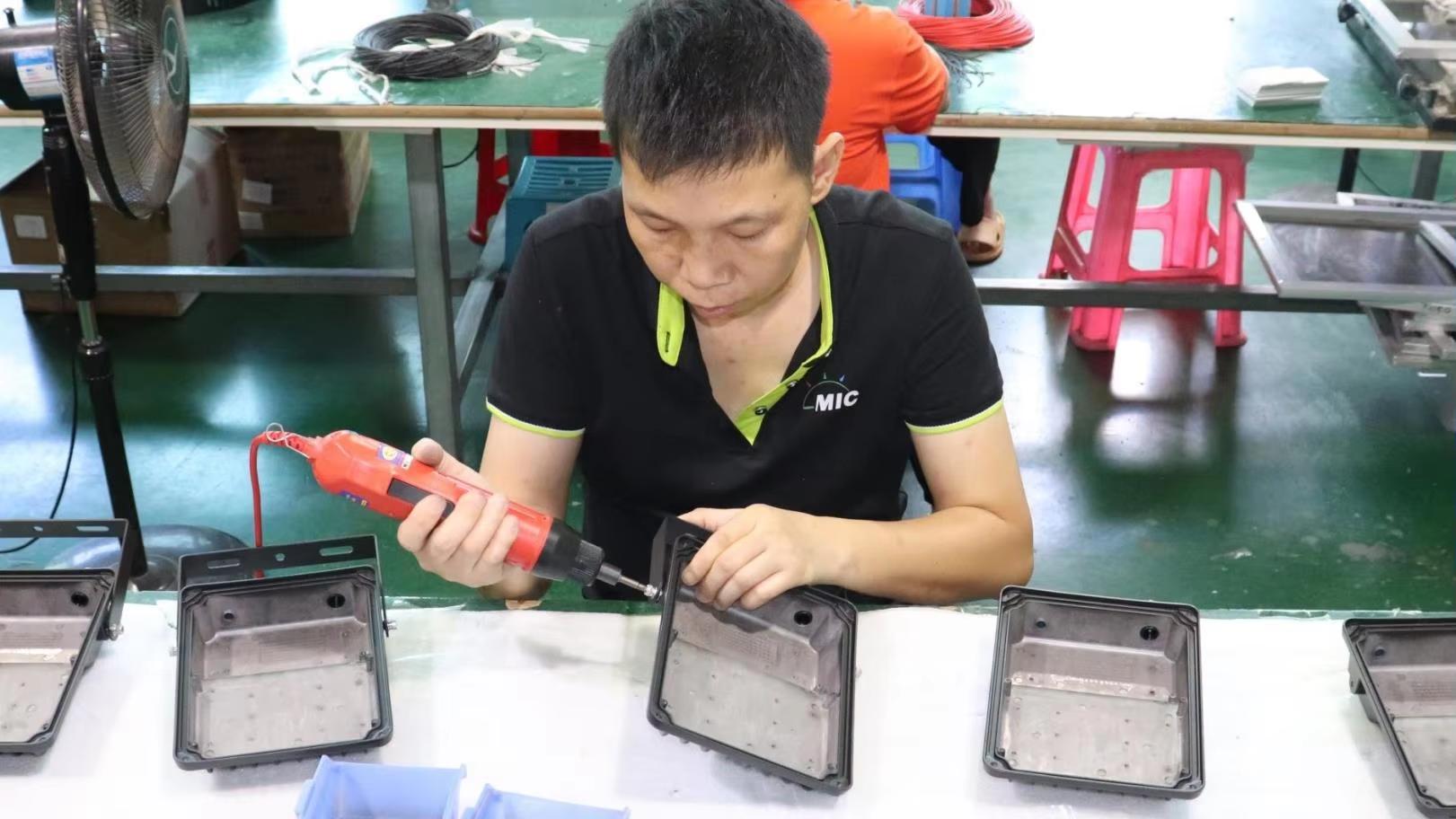
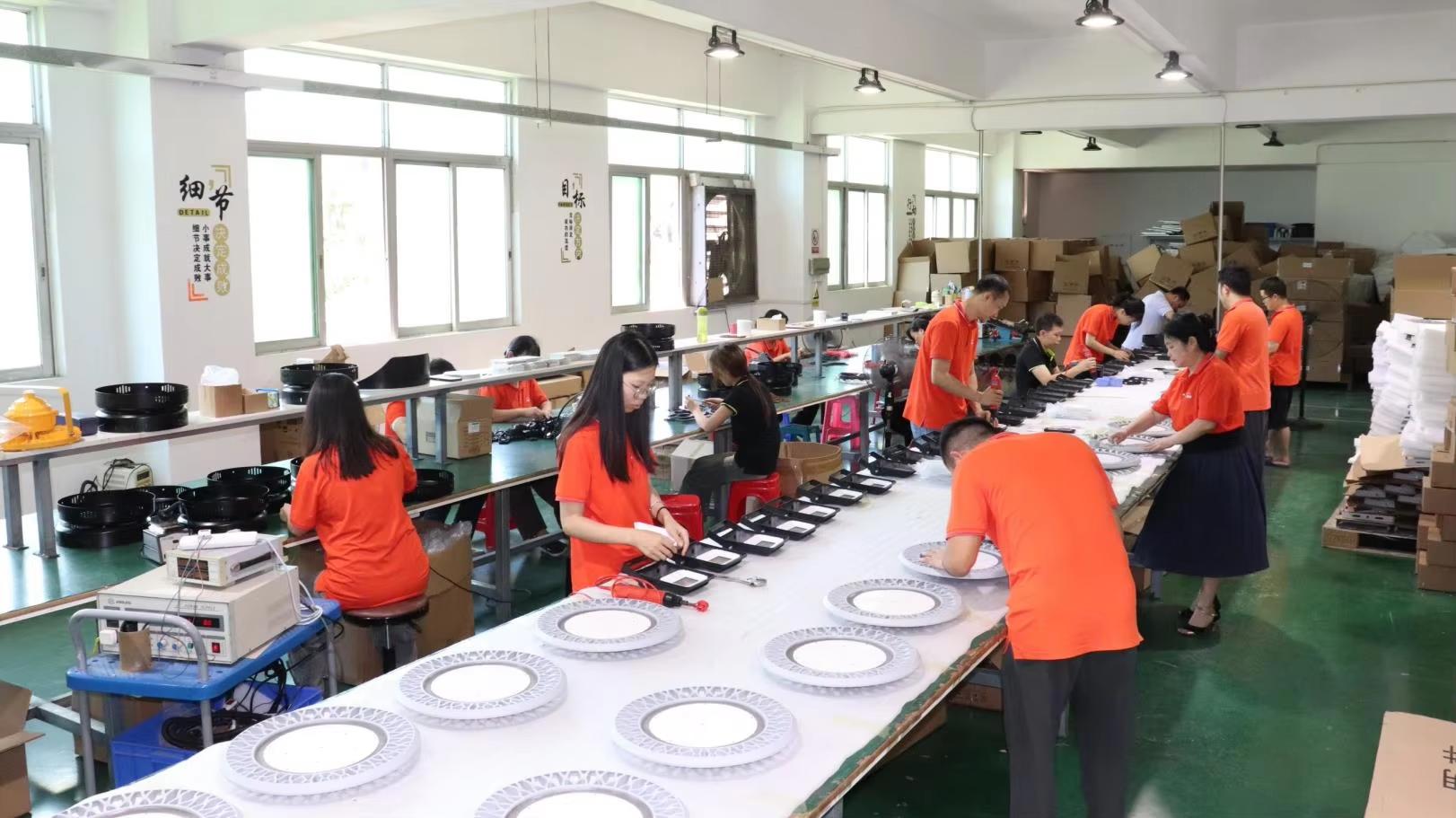
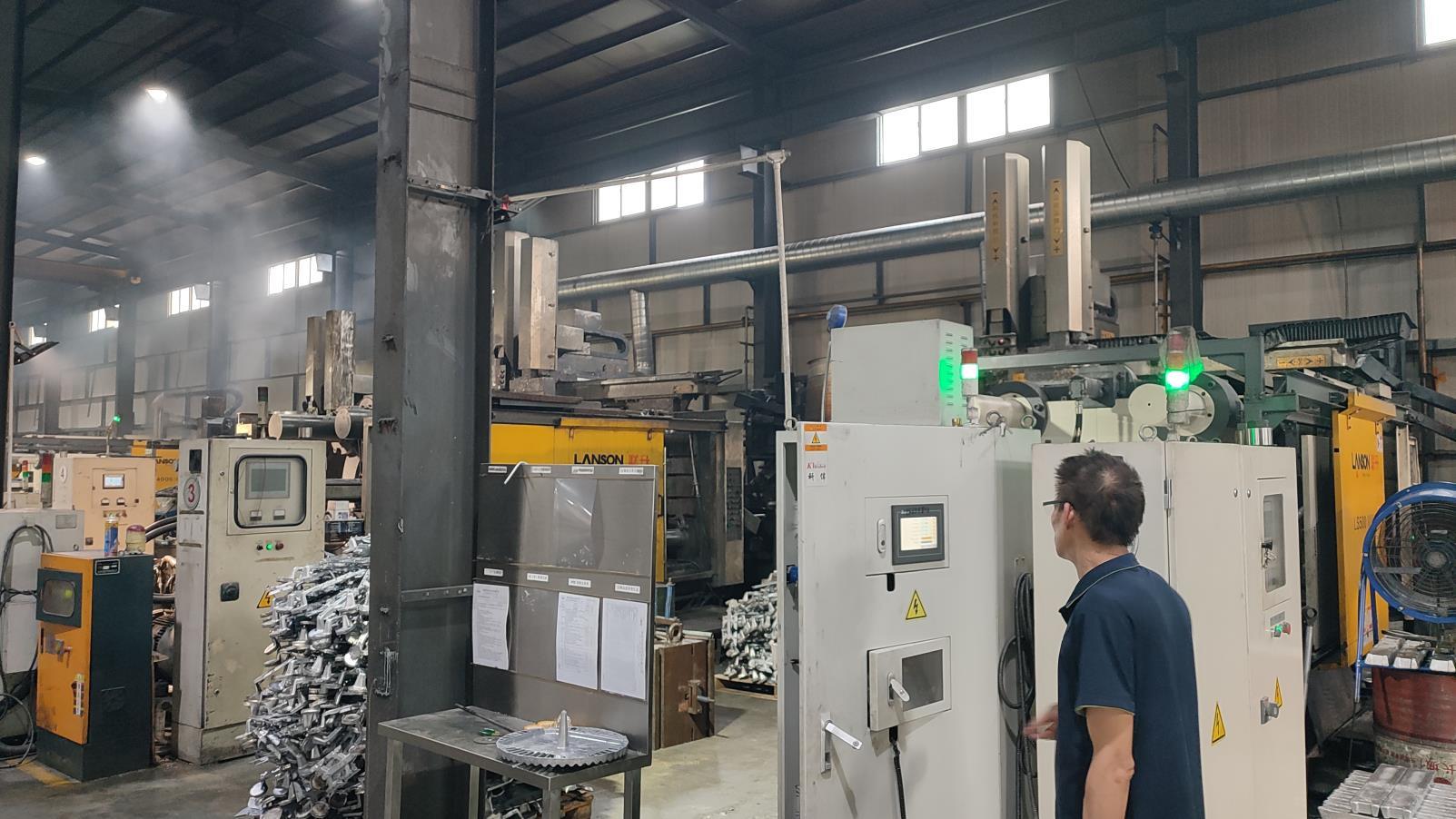
By transitioning from manual assembly to automated co-extrusion, factories can extrude several thousand meters of silicone neon flex daily. This automation reduces human error, maintains uniform thickness, and lowers overall production costs.
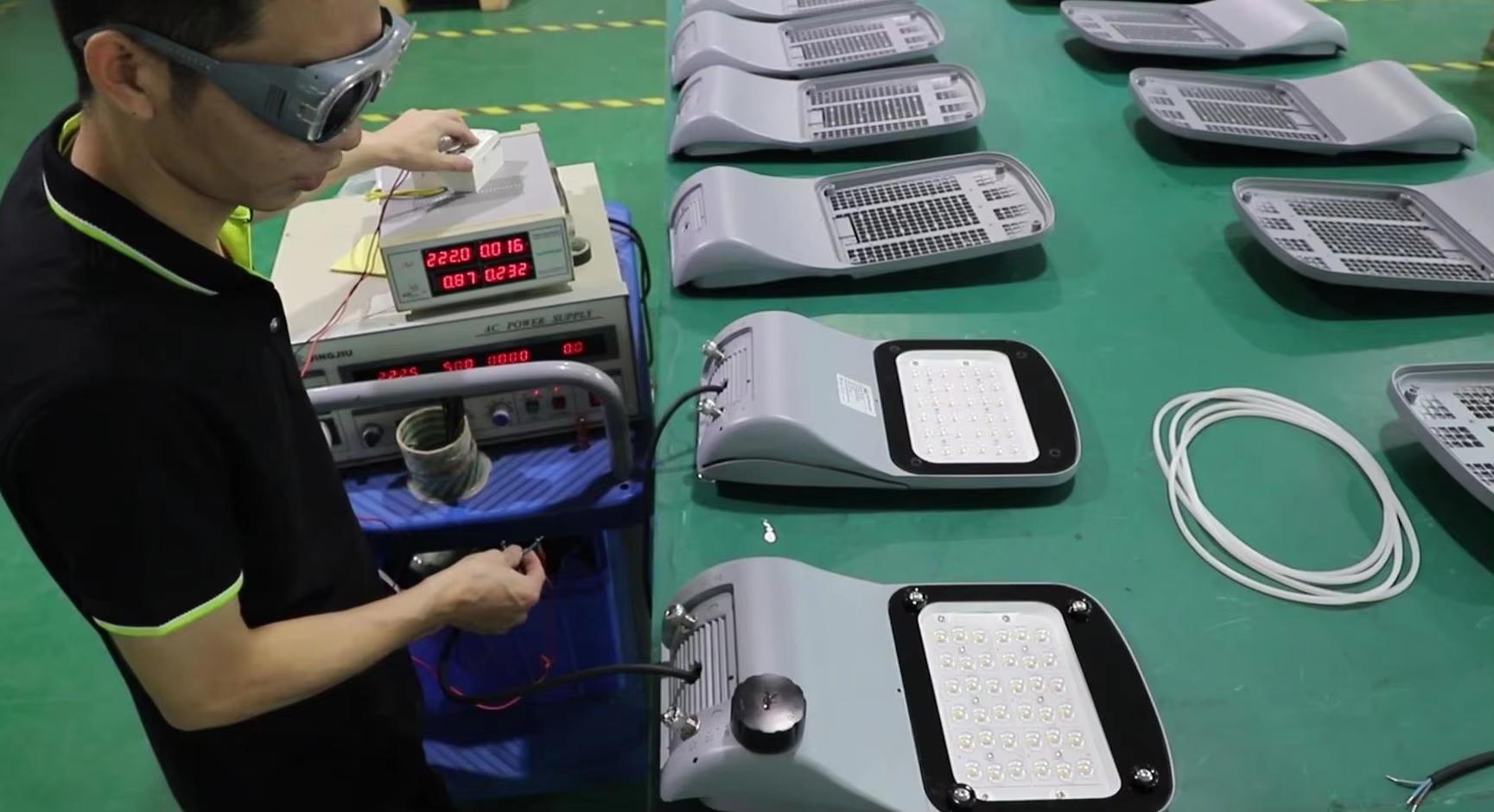
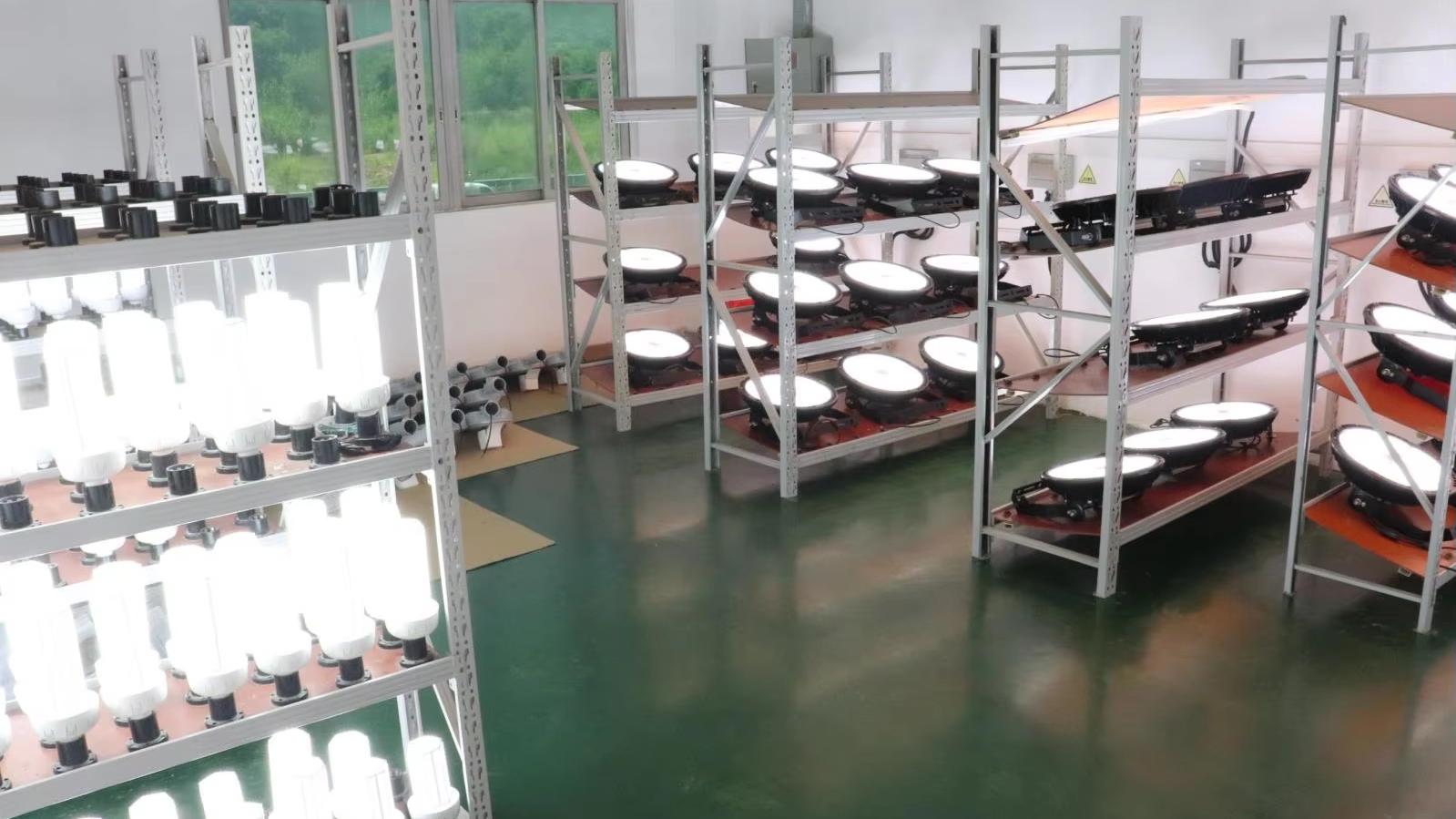
Modern quality assurance systems track every production step. Optical integration spheres, high-low temperature chambers, and automated aging racks test all finished products under electrical load for 24 to 72 hours before packaging and shipment.
Guangdong Lijah Light Co., Ltd. - An industry-leading, technology-driven enterprise committed to manufacturing excellence.
Guangdong Lijah Light Co., Ltd. is a professional manufacturer specializing in the research, development, production, sales, and service of modern, energy-efficient, and intelligent LED lighting solutions. As a technology-driven enterprise, we are committed to providing innovative, reliable, and sustainable lighting products for industrial, commercial, and outdoor applications worldwide.
With years of industry experience, Lijah Light has become a trusted partner for distributors, wholesalers, contractors, and project developers across Europe, Oceania, Southeast Asia, the Middle East, and other international markets. By combining advanced manufacturing technologies with continuous product innovation, we provide customers with high-quality lighting solutions that deliver outstanding performance, long service life, and significant energy savings.
Innovation is the driving force behind our continued growth. Our experienced R&D team works closely with our engineering, marketing, and sales departments to develop advanced lighting solutions that meet the evolving demands of the global market. Through continuous investment in product development and technological innovation, we are able to introduce efficient, reliable, and intelligent lighting products that create greater value for our customers.
Quality is one of our core values. Our manufacturing processes are carried out under a strict quality management system to ensure every product consistently meets international standards. Our LED lighting products comply with CE and RoHS requirements, while many of our key products have also obtained internationally recognized certifications including TÜV, ENEC, VDE, SAA, C-Tick, CB, LM79, and LM80.
In addition to supplying high-quality LED lighting products, Guangdong Lijah Light provides professional lighting design support through DIALux simulation services. Our experienced engineers assist customers in optimizing lighting layouts, improving energy efficiency, and selecting the most suitable lighting solutions, helping to reduce installation costs while maximizing lighting performance.
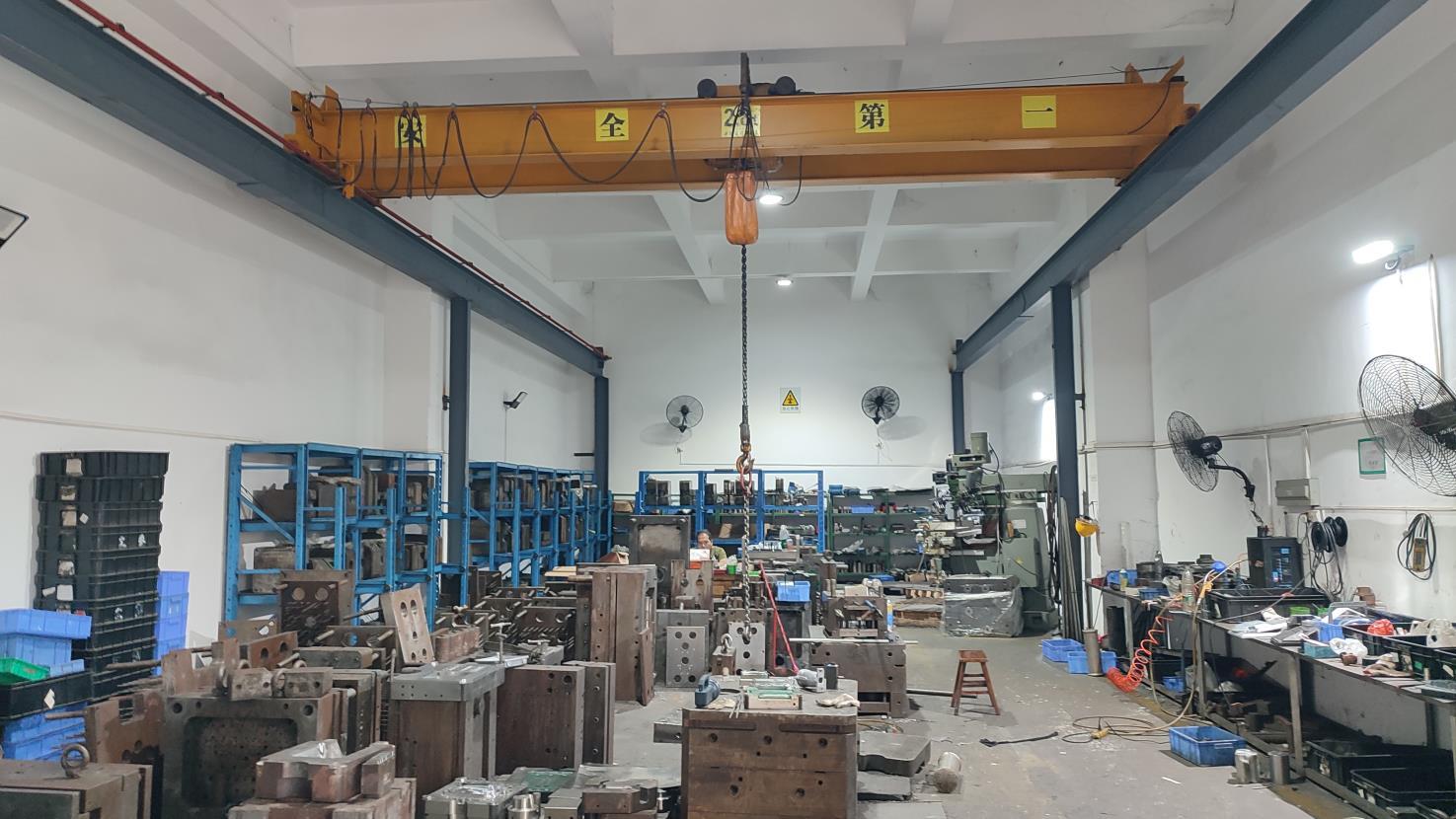
Where high reliability meets creative design. Discover how LED neon flex systems adapt to different environmental challenges.
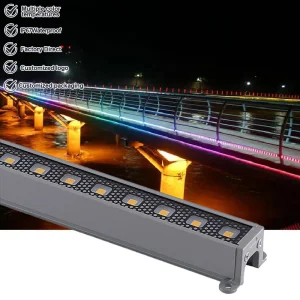
Modern facades require reliable exterior lighting. IP67 and IP68 silicone neon flex runs along building contours, remaining resistant to rain, dust, and UV exposure. High-output runs outline complex geometric shapes on corporate headquarters and commercial developments, offering clean, dot-free lines of light.
For high-end hotels, malls, and restaurants, lighting sets the mood. Dynamic white and RGBW neon flex integrated into coves, under bars, and along pathway edges provides smooth, indirect illumination. Compatibility with DMX control systems makes it easy to change colors and create subtle dynamic transitions that enhance the guest experience.
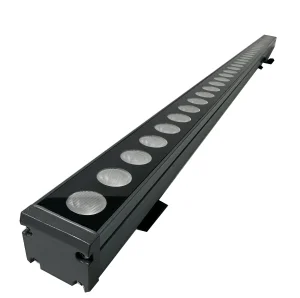
Beyond aesthetics, LED linear light structures serve practical purposes in industrial spaces. Resistant to dust, vibrations, and moisture, vapor-tight linear lighting and heavy-duty neon flex outline walkways, assembly lanes, and equipment bays, providing consistent illumination that improves workplace safety.
In-depth answers to common questions asked by lighting designers, distributors, and engineering procurement professionals.
Silicone features superior molecular stability. Unlike PVC, which breaks down, discolors, and cracks under UV radiation and extreme temperatures, silicone remains flexible and clear from -50°C to +150°C. Additionally, silicone has better chemical resistance against chlorine and salt water, making it ideal for coastal and marine environments.
Voltage drop is managed using thicker PCB copper traces (typically 3oz or more) and built-in constant current ICs. For standard low-voltage (24V DC) flex, a single power feed supports runs up to 10–15 meters without visible dimming. For longer runs, current can be supplied from both ends, or constant current configurations can be used to extend single runs up to 20–30 meters.
The MacAdam Ellipse defines color consistency across LED chips. An SDCM rating of <3 ensures that color variations between LEDs are virtually imperceptible to the human eye. This is essential for long, continuous linear runs, where even minor color shifts can disrupt the clean, uniform look of the light line.
Our LED linear and neon products support multiple control interfaces, including DMX512, DALI, SPI, and wireless protocols like Zigbee and Casambi. This allows developers to program dynamic effects, adjust color temperatures (2200K - 6500K), and integrate lighting with building management systems (BMS).
We use injection-molded silicone end caps that are chemically bonded to the main extrusion during the manufacturing process. This creates a seamless seal that prevents water ingress, helping the product achieve IP67 and IP68 ratings for wet-location and underwater applications.
Yes, our engineering team provides complete DIALux simulations. We analyze target lux levels, spacing, and installation layouts to help you optimize light distribution and ensure compliance with regional commercial lighting codes prior to procurement.
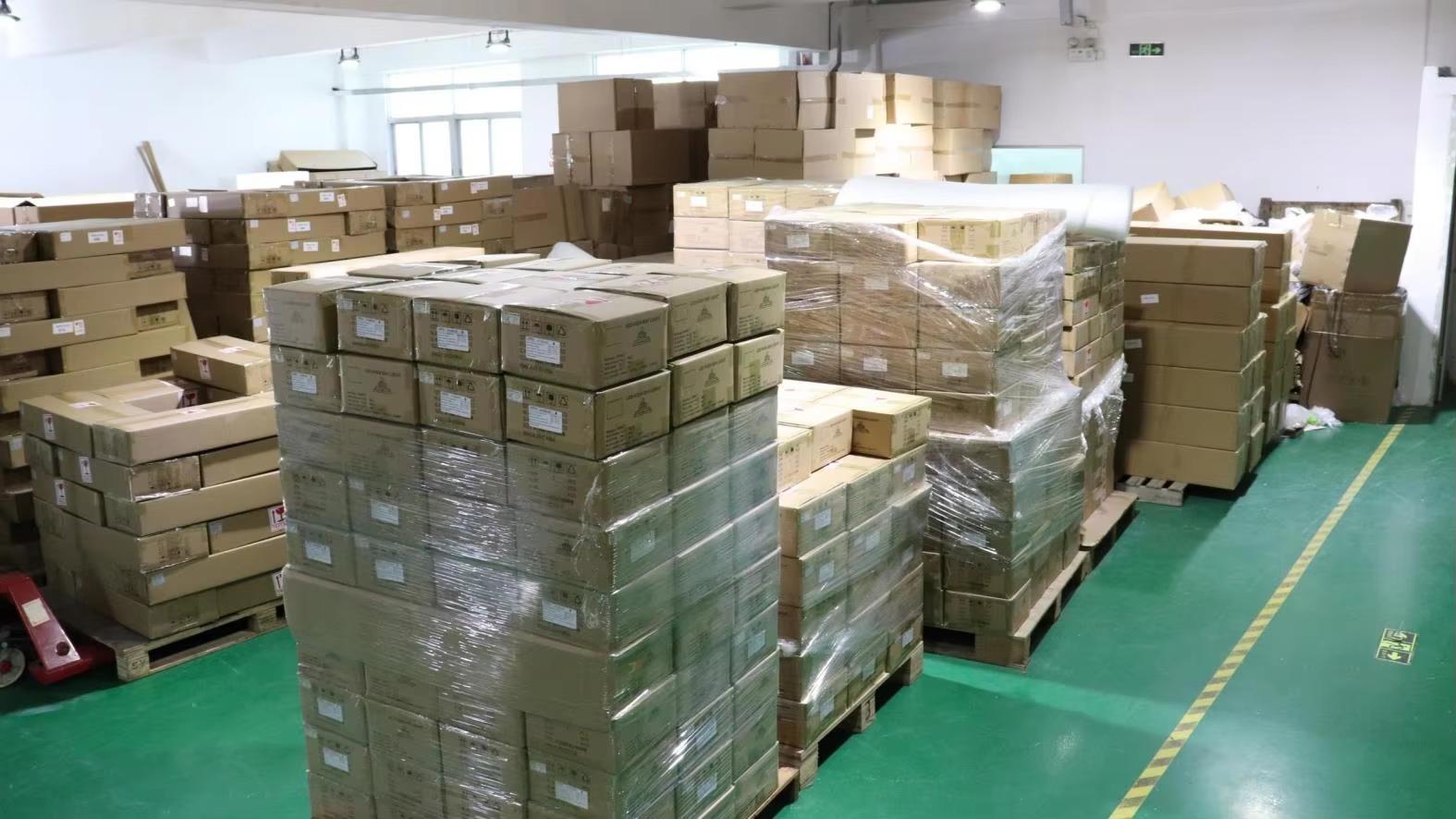
For standard products, our production lead time is typically 15 to 20 working days. Custom configurations—such as custom lengths, specific color temperatures, or specialized connectors—take 25 to 30 days. Our logistics partners coordinate direct sea, air, or rail freight shipping to major global ports.
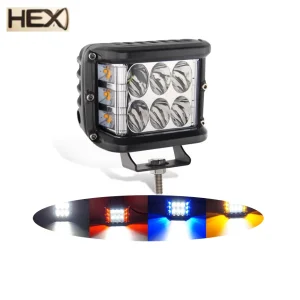
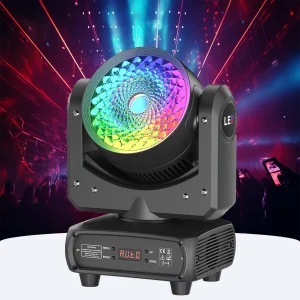
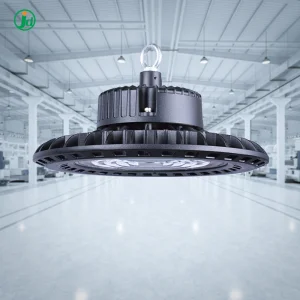
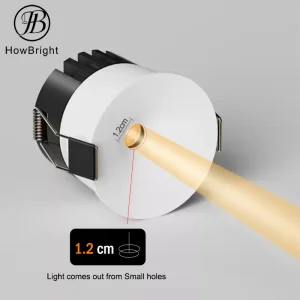
Explore our high-performance solutions for warehouses, tunnels, facade illumination, and public area developments.
 Lijah Light