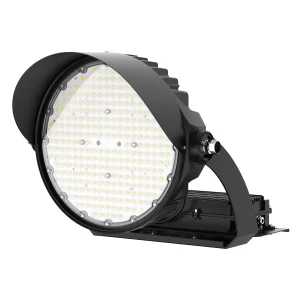
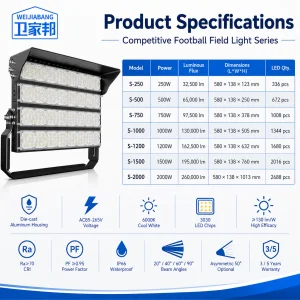
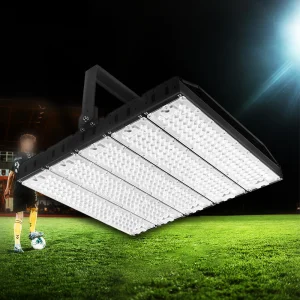
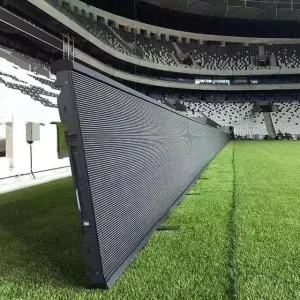
Engineered with advanced optics, asymmetric light distribution, and marine-grade corrosion protection.
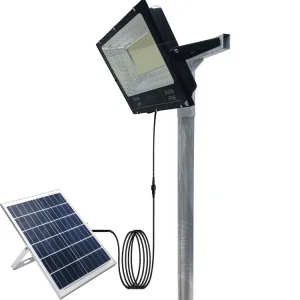
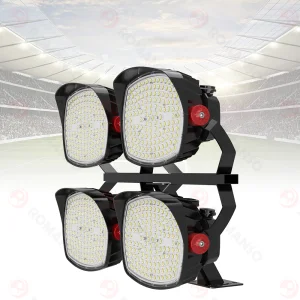
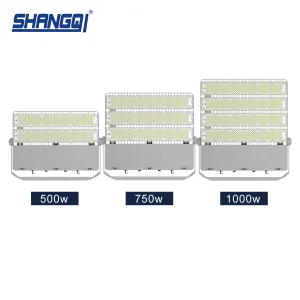
An in-depth engineering brief on thermal endurance, wind loading dynamics, photobiological safety standards, and supply chain strategies for Australian project developers, EPC contractors, and local government councils.
In Australia, design criteria for sports lighting systems are strictly governed by the AS2560 series of standards. This framework defines structural, optical, and performance safety thresholds across various classes of play—ranging from local community recreation to professional televised broadcast events (such as AFL, cricket, soccer, and rugby). Achieving proper illuminance levels (lux), color rendering indices (CRI), and uniformity ratios (U1 and U2) is crucial to satisfy safety and visual clarity requirements.
Unlike standard outdoor area floodlights, true sports stadium luminaires must minimize glare rating (GR) values—typically below 50 for recreational fields and below 40 for broadcast. Guangdong Lijah Light Co., Ltd. addresses this requirement using custom-designed asymmetric optical lenses. These systems project light forward to cover wide spans while cutting off light at the boundary lines. This preserves the night environment for surrounding residential zones, aligning directly with local municipal Dark Sky policies and minimizing spill light compliance issues.
Australia exhibits some of the harshest environmental dynamics in the world. High UV indices degrade substandard plastics, while severe atmospheric salt spray along coastal areas (such as Sydney, Melbourne, Brisbane, and Perth) accelerates galvanic corrosion on metal casings. Additionally, inland mining districts like the Pilbara reach ambient summer temperatures exceeding 45°C, creating a challenging environment for electronic drivers.
Sourcing directly from an integrated manufacturer like Guangdong Lijah Light Co., Ltd. provides Australian procurement managers with significant advantages in both cost efficiency and customized engineering. Finding the right balance between premium performance metrics and target capital expenditure requires a direct connection to a factory that controls the entire production cycle.
By bypassing multiple layers of local distribution, importers can reallocate budget toward advanced control options (such as DALI-2, Zigbee, or DMX512 dynamic systems). More importantly, Lijah Light provides extensive DIALux simulation and photogrammetric layout designs free of charge. This ensures that every high-mast setup is fully optimized before production begins, eliminating post-installation performance gaps.
Guangdong Lijah Light Co., Ltd. is a professional manufacturer specializing in the research, development, production, sales, and service of modern, energy-efficient, and intelligent LED lighting solutions. As a technology-driven enterprise, we are committed to providing innovative, reliable, and sustainable lighting products for industrial, commercial, and outdoor applications worldwide.
With years of industry experience, Lijah Light has become a trusted partner for distributors, wholesalers, contractors, and project developers across Europe, Oceania, Southeast Asia, the Middle East, and other international markets. By combining advanced manufacturing technologies with continuous product innovation, we provide customers with high-quality lighting solutions that deliver outstanding performance, long service life, and significant energy savings.
Our experienced R&D team works closely with engineering and marketing departments to develop advanced lighting solutions that meet global standards, ensuring we introduce efficient, reliable, and intelligent lighting systems.
Our processes follow a strict quality management system. Key products comply with CE, RoHS, TÜV, ENEC, VDE, SAA, C-Tick, CB, LM79, and LM80, demonstrating our commitment to performance safety and compliance.
We provide professional support through DIALux simulations. Our engineers optimize lighting layouts and select suitable optical lens configurations to reduce installation costs while maximizing performance.
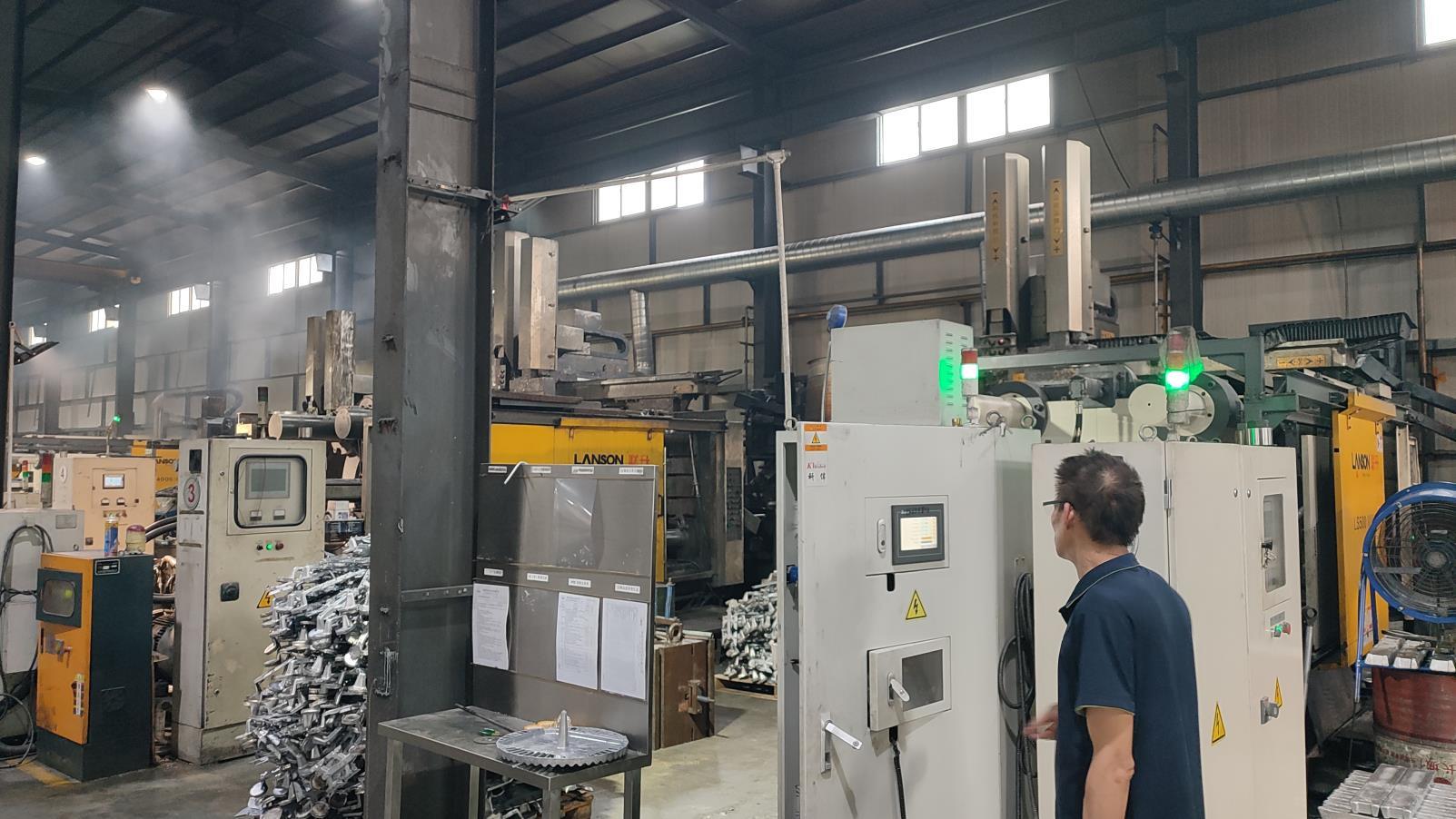
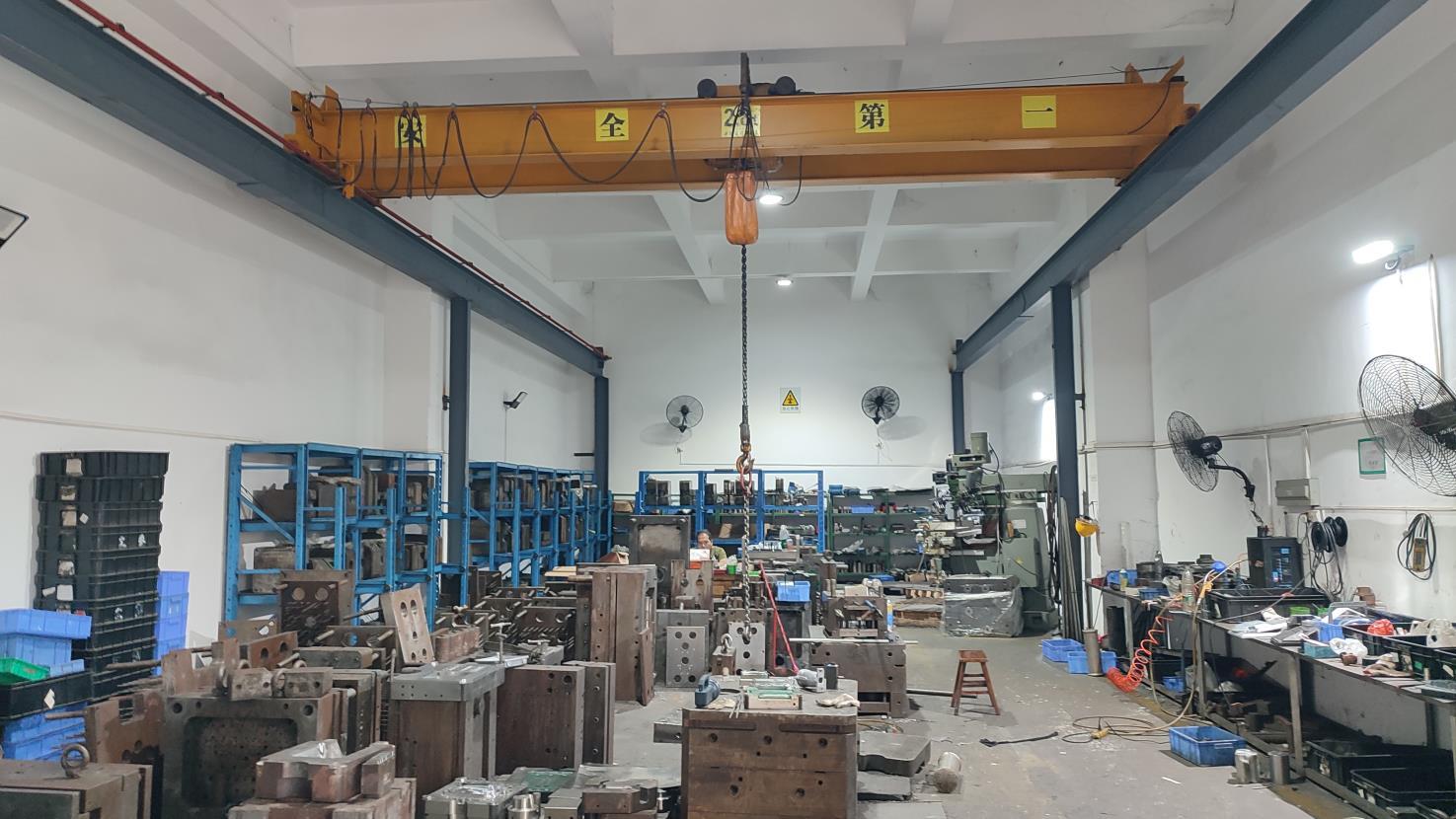
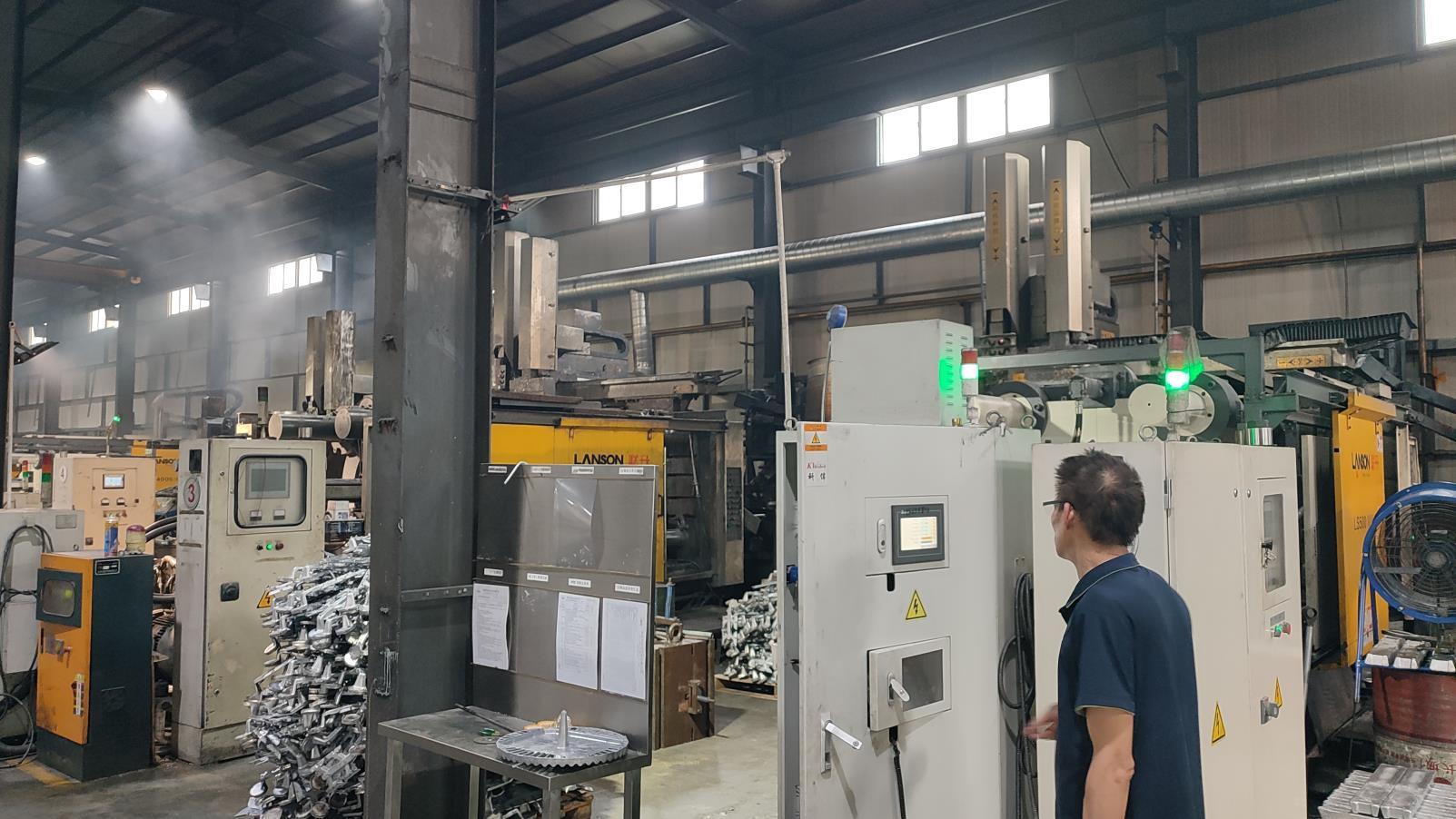
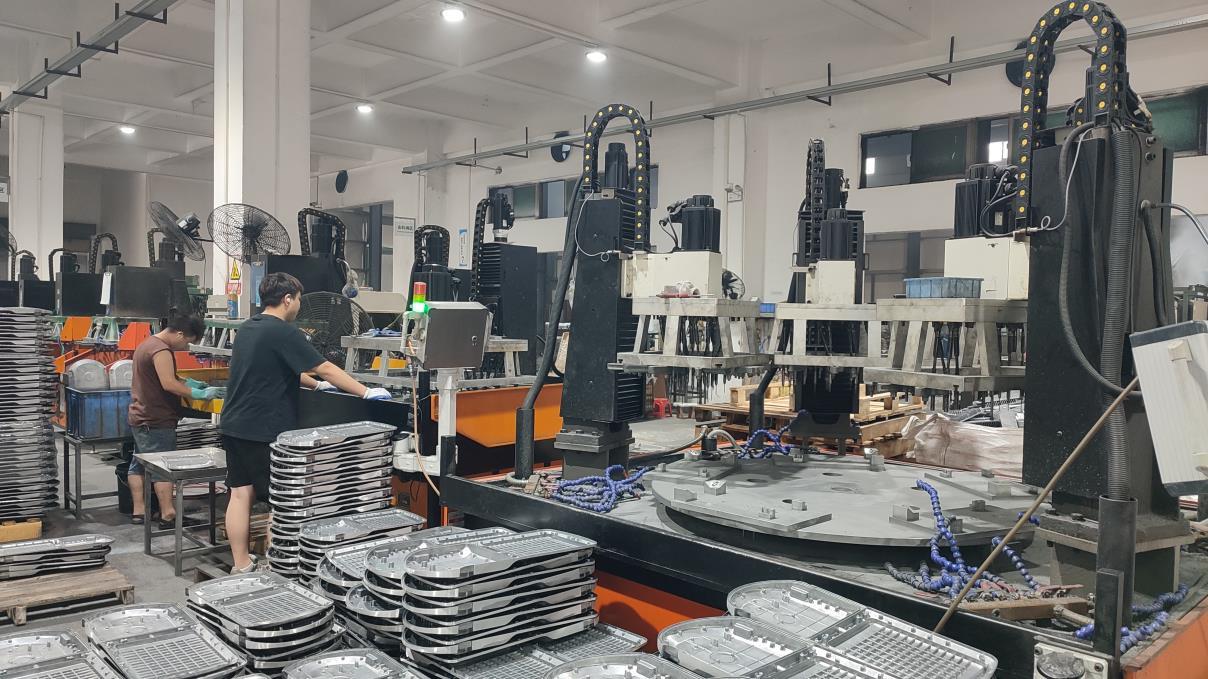
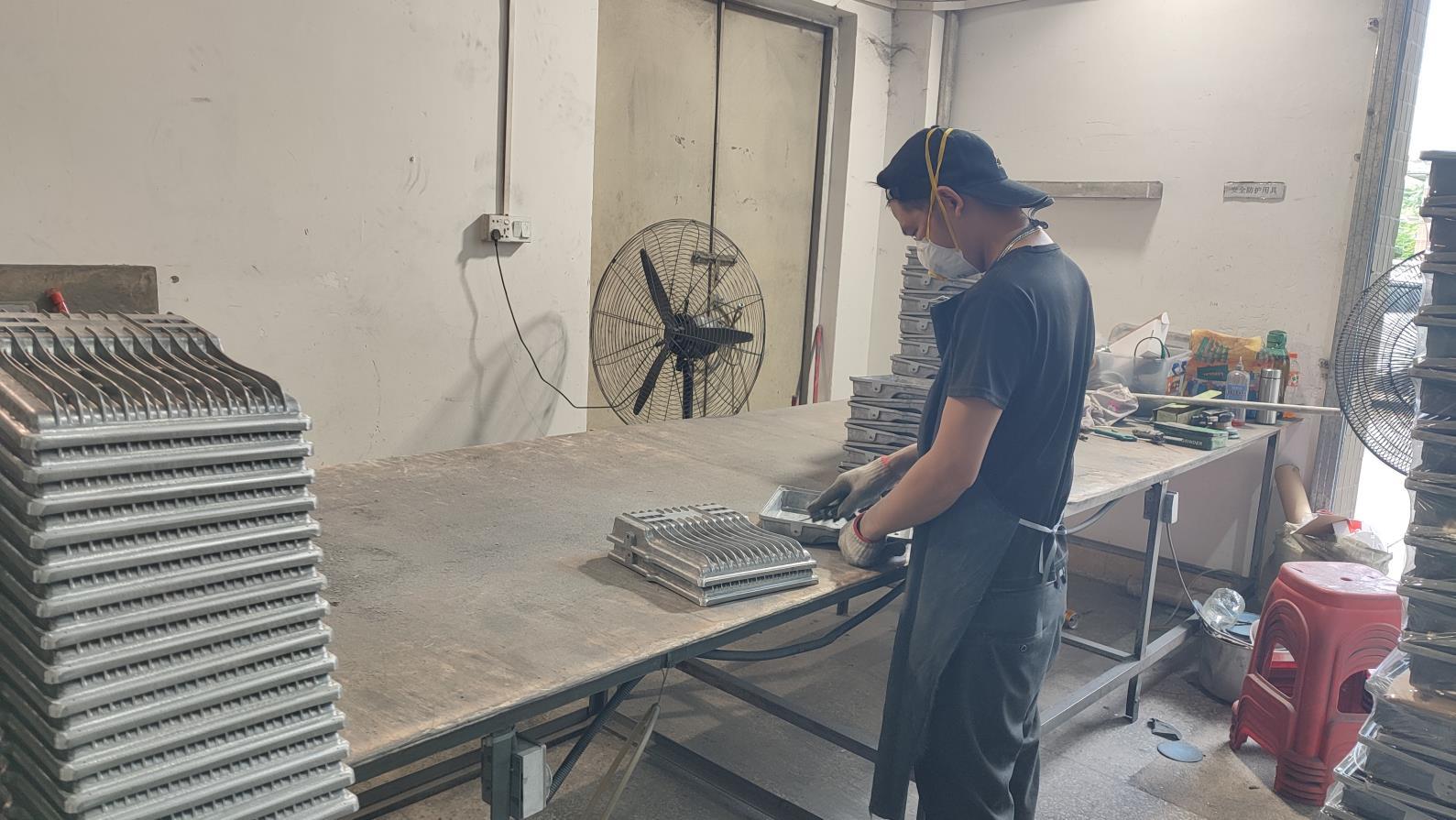
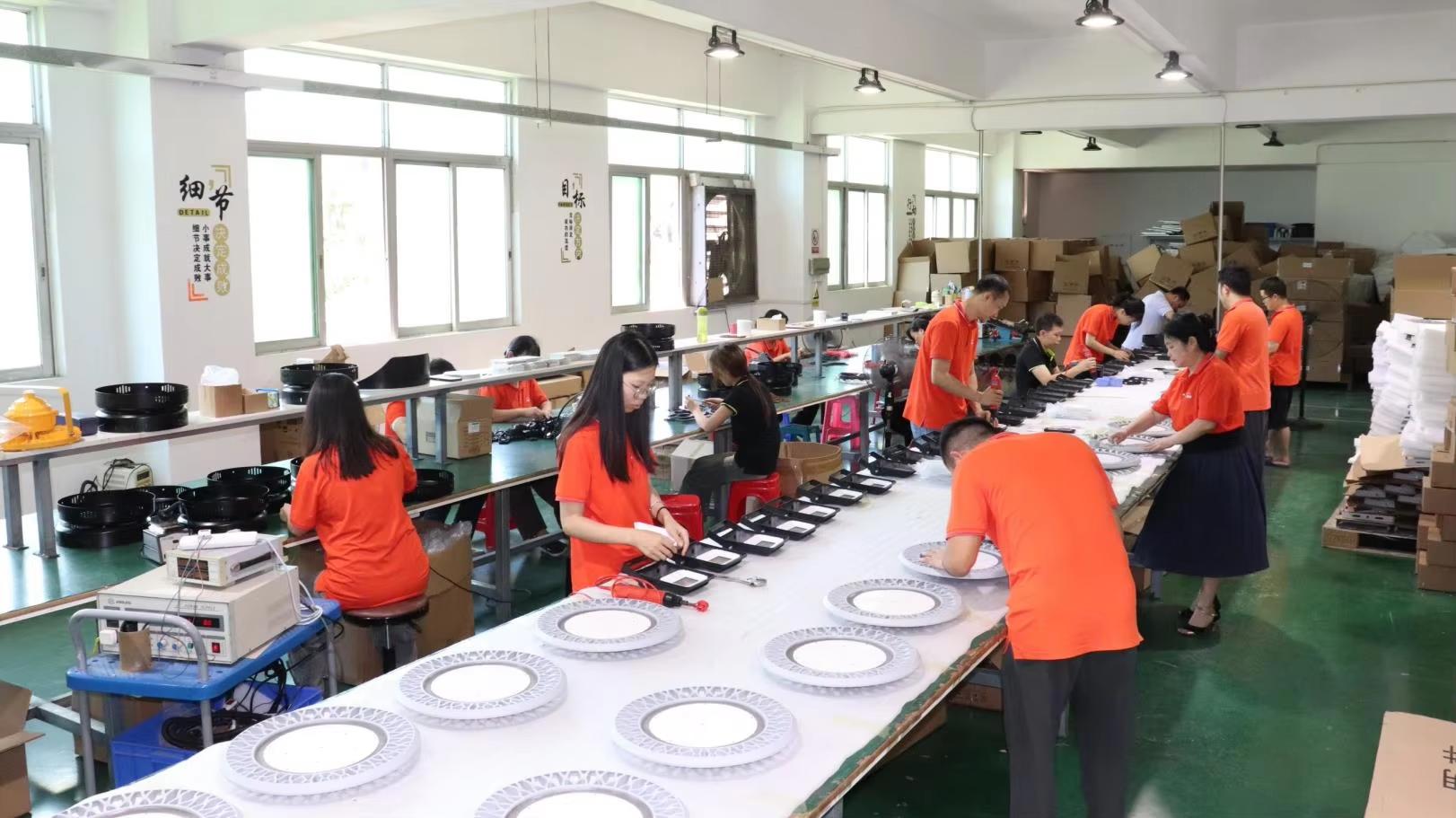
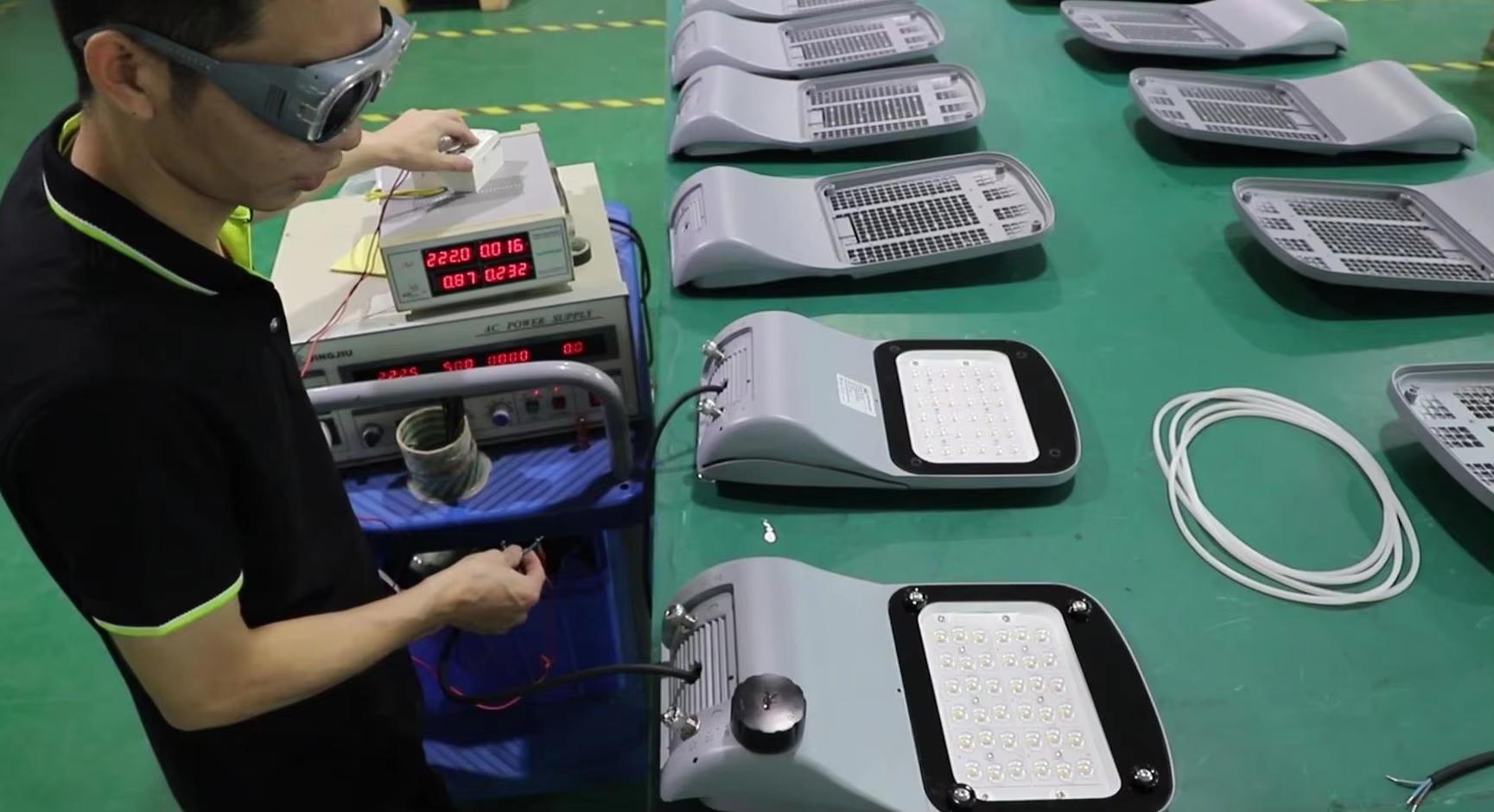
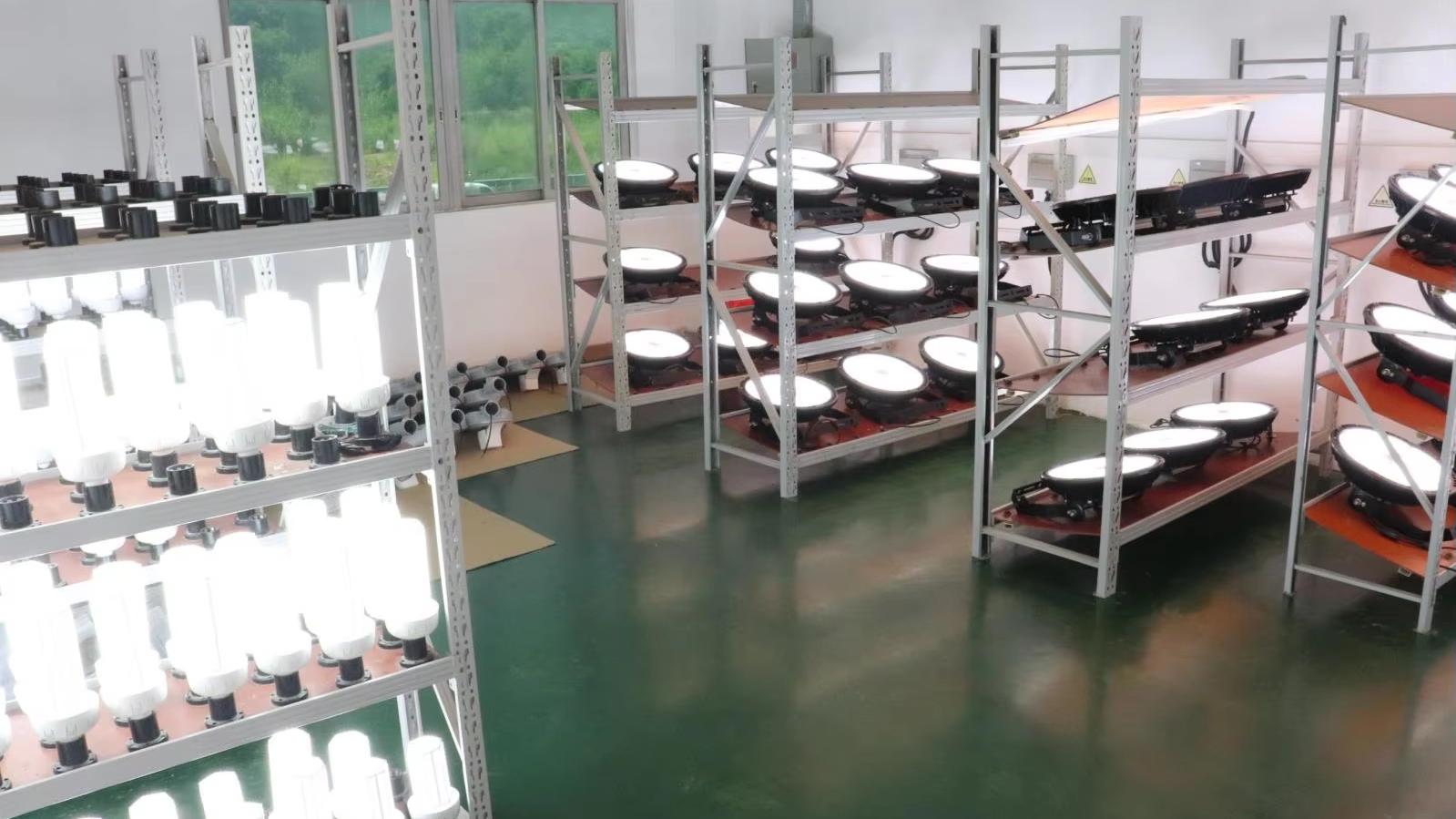
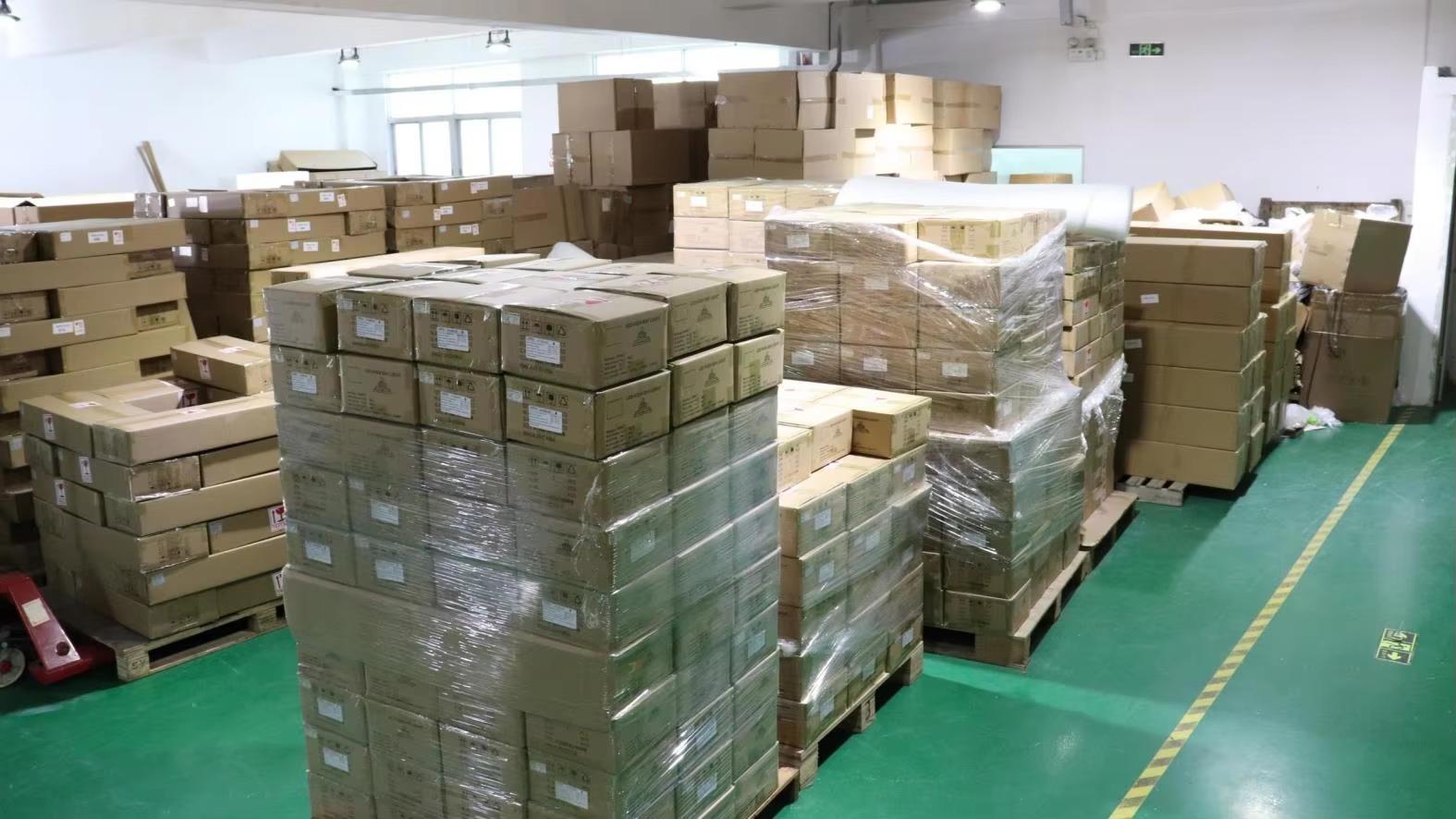
Inside the Guangdong Lijah Light manufacturing facilities, ensuring zero-defect quality control at every phase.
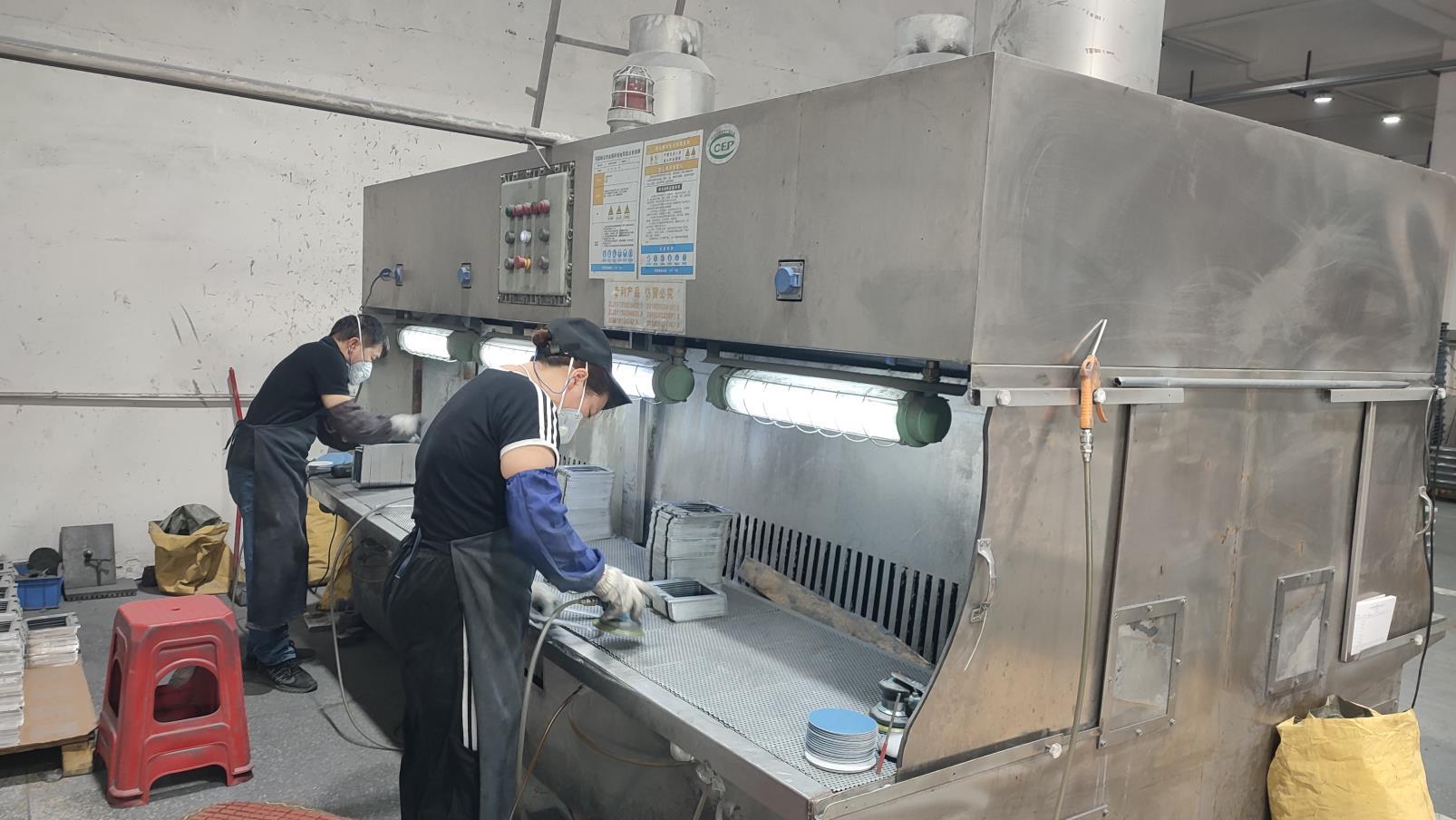
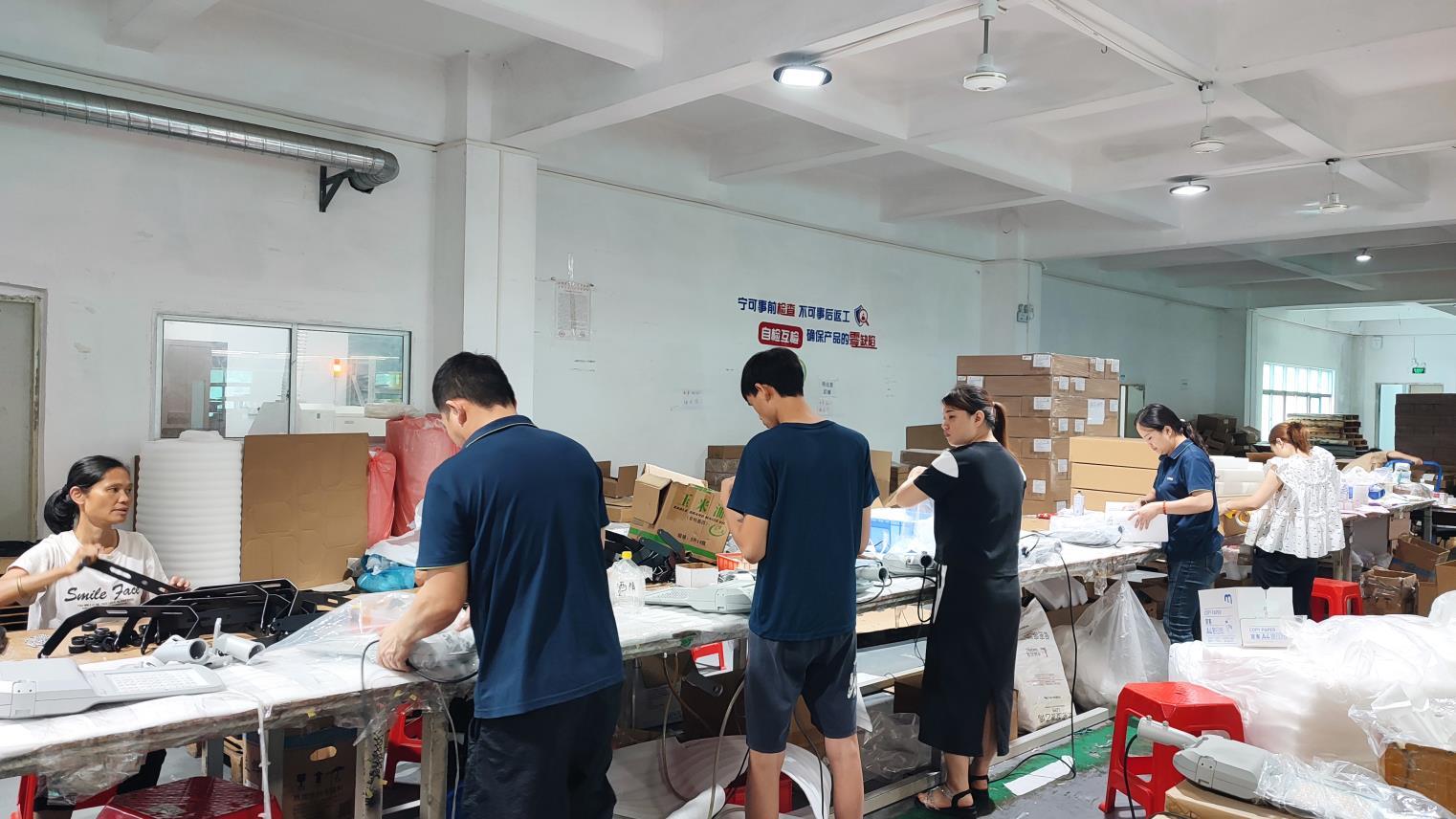
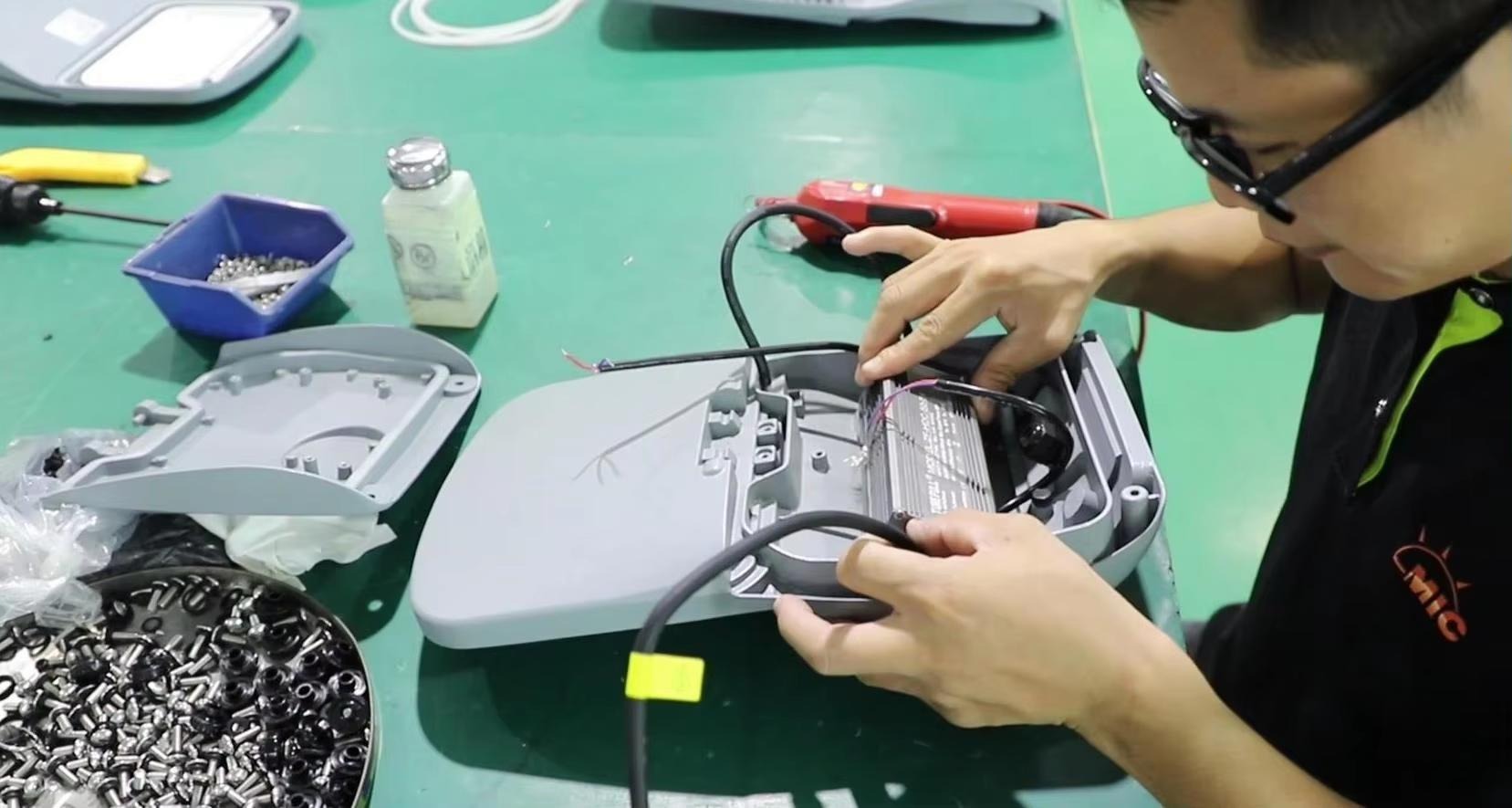
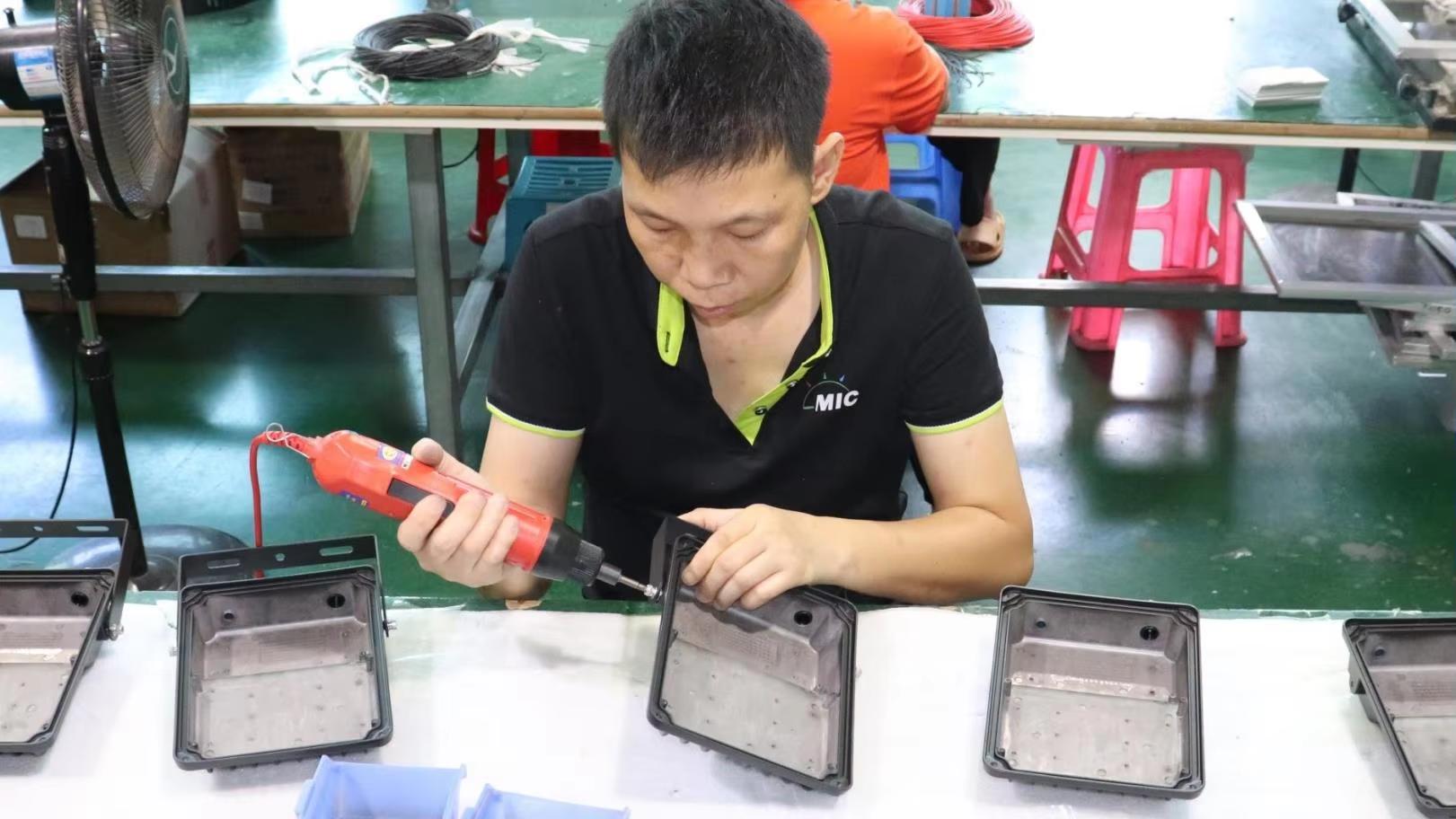
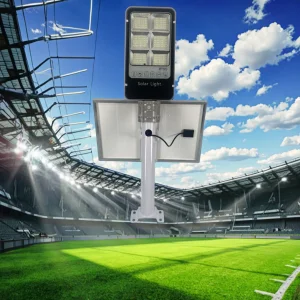
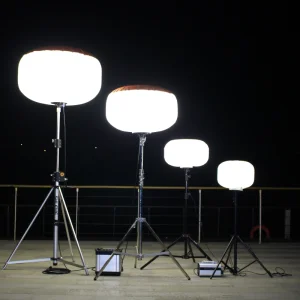
Broad-scale illumination architectures for off-grid sports hubs, airport aprons, and logistics infrastructure.
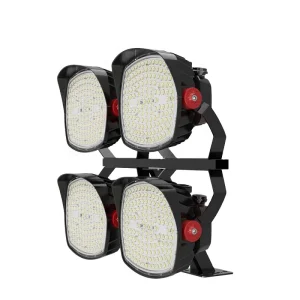
Traditional metal halide stadium lighting systems required a 15-minute warm-up period, making them slow to adapt and unsuitable for modern multi-event dynamics. Modern LED replacements from manufacturers like Guangdong Lijah Light offer instant-on, instant-off performance. This rapid response enables integrated control solutions that can transform sports venues into multi-use entertainment spaces.
Using DMX512 digital protocols, field lights can synchronize with music, scoreboard graphics, and arena sound systems to create light shows during player introductions, halftime events, and post-game celebrations. For community sports grounds, DALI-2 interfaces allow operators to dim lights via a mobile app. This feature enables them to adjust output levels to meet the specific requirements of training sessions, matches, or maintenance tasks, lowering energy consumption and extending the system's operational lifespan.
For industrial buyers, EPC contractors, and municipality planners, the purchasing decision is rarely based on initial equipment cost alone. It requires evaluating the Total Cost of Ownership (TCO) over a 15-to-20-year operational lifespan. Key factors include energy consumption, replacement frequency, maintenance fees, and installation costs.
Working with an experienced Chinese exporter ensures access to components from industry leaders like MeanWell or Inventronics drivers, and Osram, Cree, or Lumileds chips. Selecting premium components, combined with a robust thermal design, ensures that lumens maintain stable output levels over time. This prevents field illumination levels from dropping below the mandatory lux values set by local sports associations, avoiding early system replacement and protecting the initial investment.
Engineered for high visibility, durability, and low maintenance across commercial and municipal facilities.
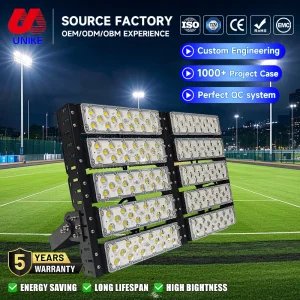
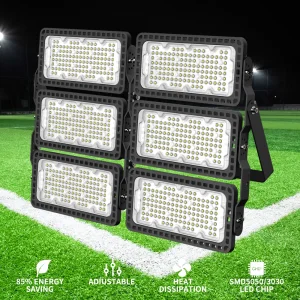
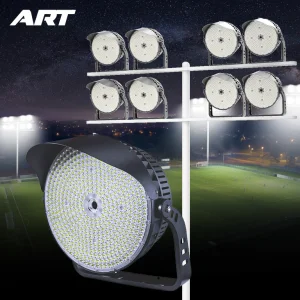
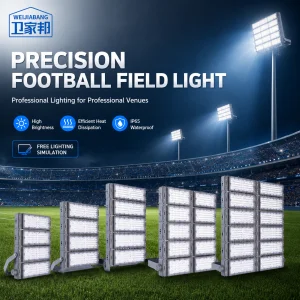
Get answers to common technical queries from engineers, facility managers, and specifiers.
 Lijah Light