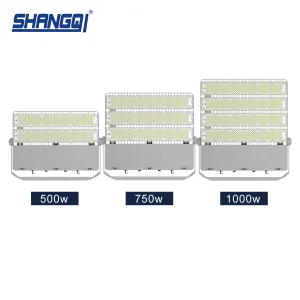
As Southeast Asia's second-largest economy, Thailand is undergoing rapid industrial growth driven by the government's Eastern Economic Corridor (EEC) development plan. Massive logistics warehouses, deep-water sea ports, automated assembly factories, and world-class sports arenas are scaling up across provinces like Chonburi, Rayong, Samut Prakan, and Pathum Thani. Efficient, reliable, and durable industrial lighting is no longer just a utility; it is a critical driver for productivity, safety, and decarbonization.
However, lighting deployment in Thailand presents unique, harsh environmental challenges. Operating high-mast lighting or high-bay warehouse luminaires in tropical regions requires engineering that differs fundamentally from temperate zones. This whitepaper analyzes these market requirements, technical solutions, and procurement roadmaps for engineering directors, procurement agencies, and contractors looking to install high-performance LED solutions in Thailand.
The primary point of failure for outdoor LED lights and industrial high-bay fixtures in Thailand is thermal run-away and driver component degradation caused by climatic conditions:
To operate reliably for more than 50,000 hours in Thailand's industrial parks, luminaires must satisfy high-spec engineering requirements. Our research and development focuses on three primary pillars: thermal design, electrical robustness, and optical efficiency.
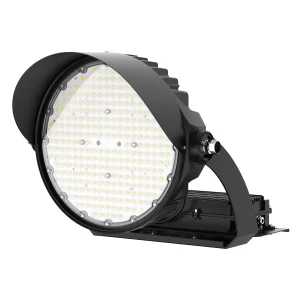
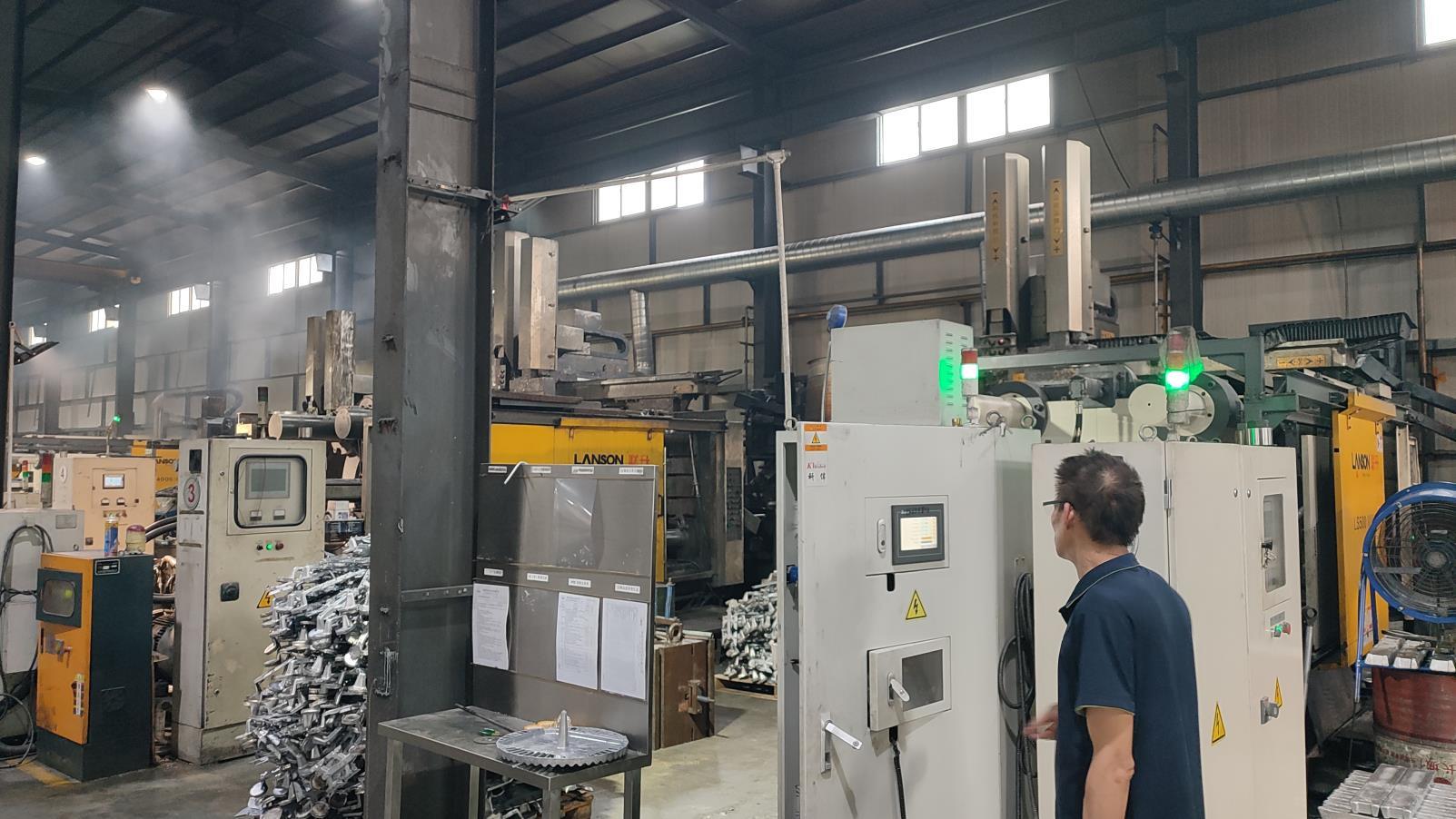
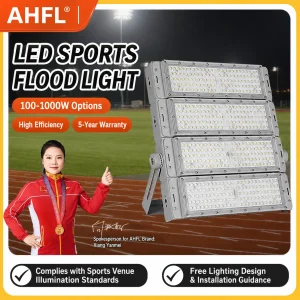
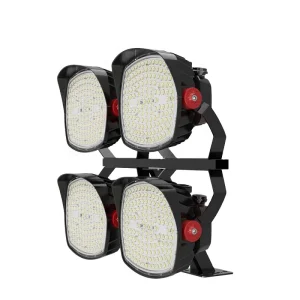
Pure Die-Cast Aluminum (ADC12) Heat Sinks: Instead of thin sheet metal or low-grade extruded aluminum, our industrial stadium lights use marine-grade ADC12 die-cast aluminum. This material offers superior thermal conductivity (96 W/m·K) and prevents thermal heat accumulation. The physical fin structure is mathematically modeled to maximize convection airflow, keeping the junction temperature of the LED chip below 75°C.
Double-Compartment Isolated Drivers: Placing the driver close to the LED chip accelerates heat damage. Our designs place the LED driver in a separate compartment. This isolation reduces thermal cross-talk, ensuring the driver runs up to 15°C cooler, extending its operating life past 50,000 hours.
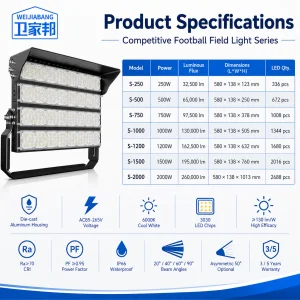
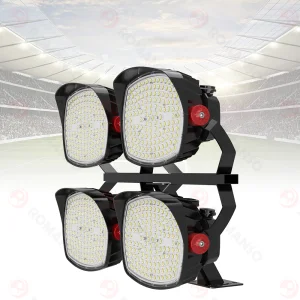
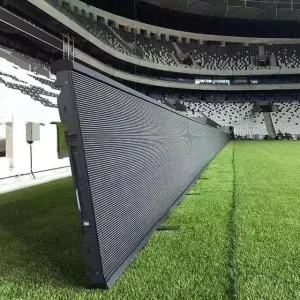
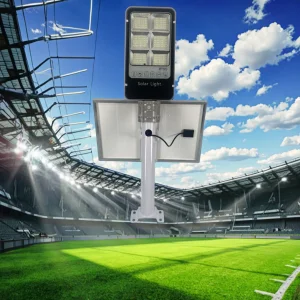
Every facility in Thailand has different layouts. A logistics terminal requires narrow-beam high-bay optics (typically 30° or 60°), whereas a football stadium or public tennis court in Nonthaburi requires asymmetric distribution angles (such as 130° x 60°) to ensure even ground lux distribution while minimizing glare for athletes and neighbors. We support project design with detailed DIALux simulation modeling, allowing engineers to visualize illuminance levels (Lux), uniformity (Uo), and glare ratings (UGR) before making procurement decisions.
The next phase of industrial lighting in Thailand focuses on energy efficiency and smart integration. With Thailand aiming for carbon neutrality by 2050, commercial facilities are migrating towards smart lighting controls:
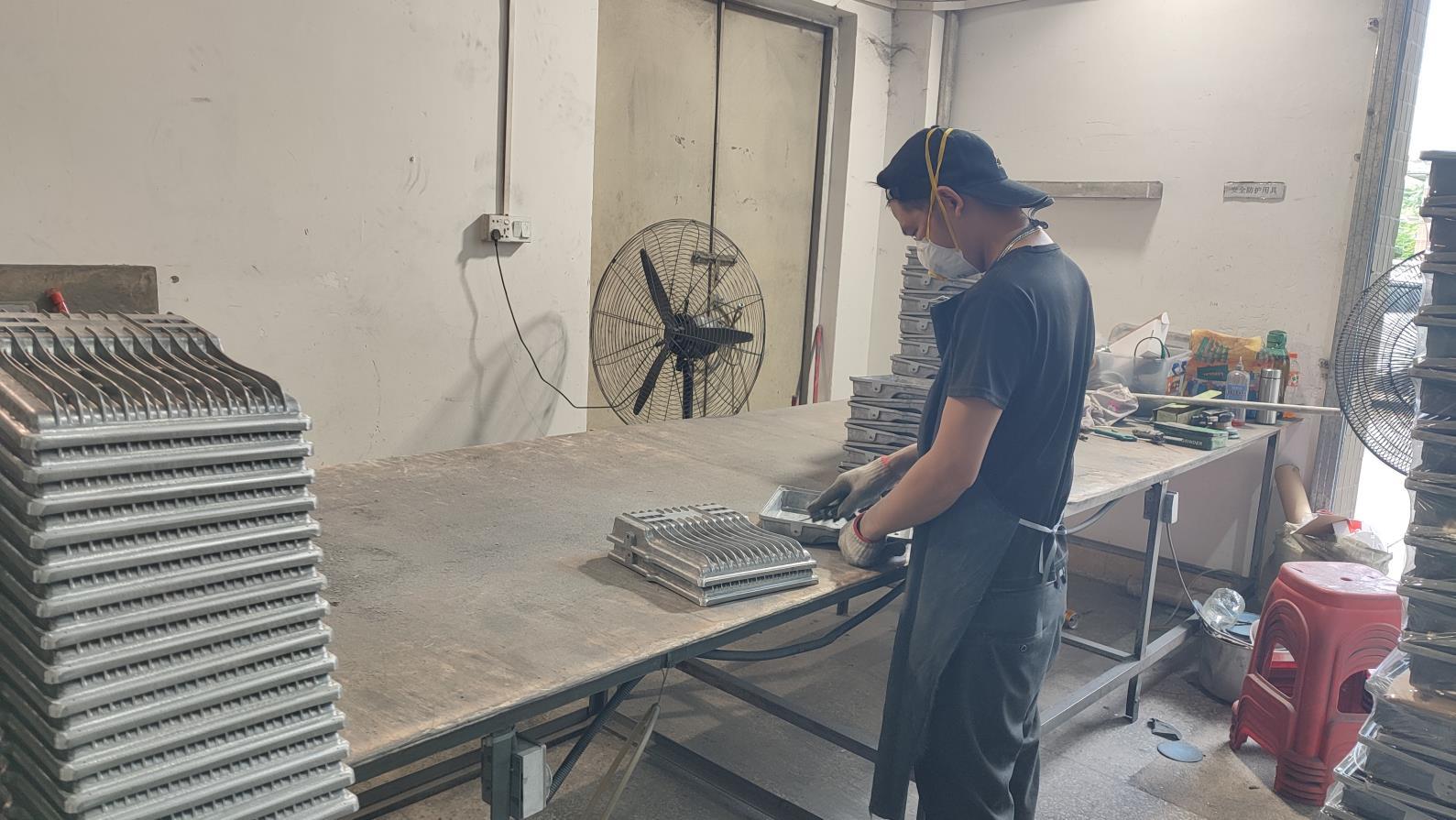
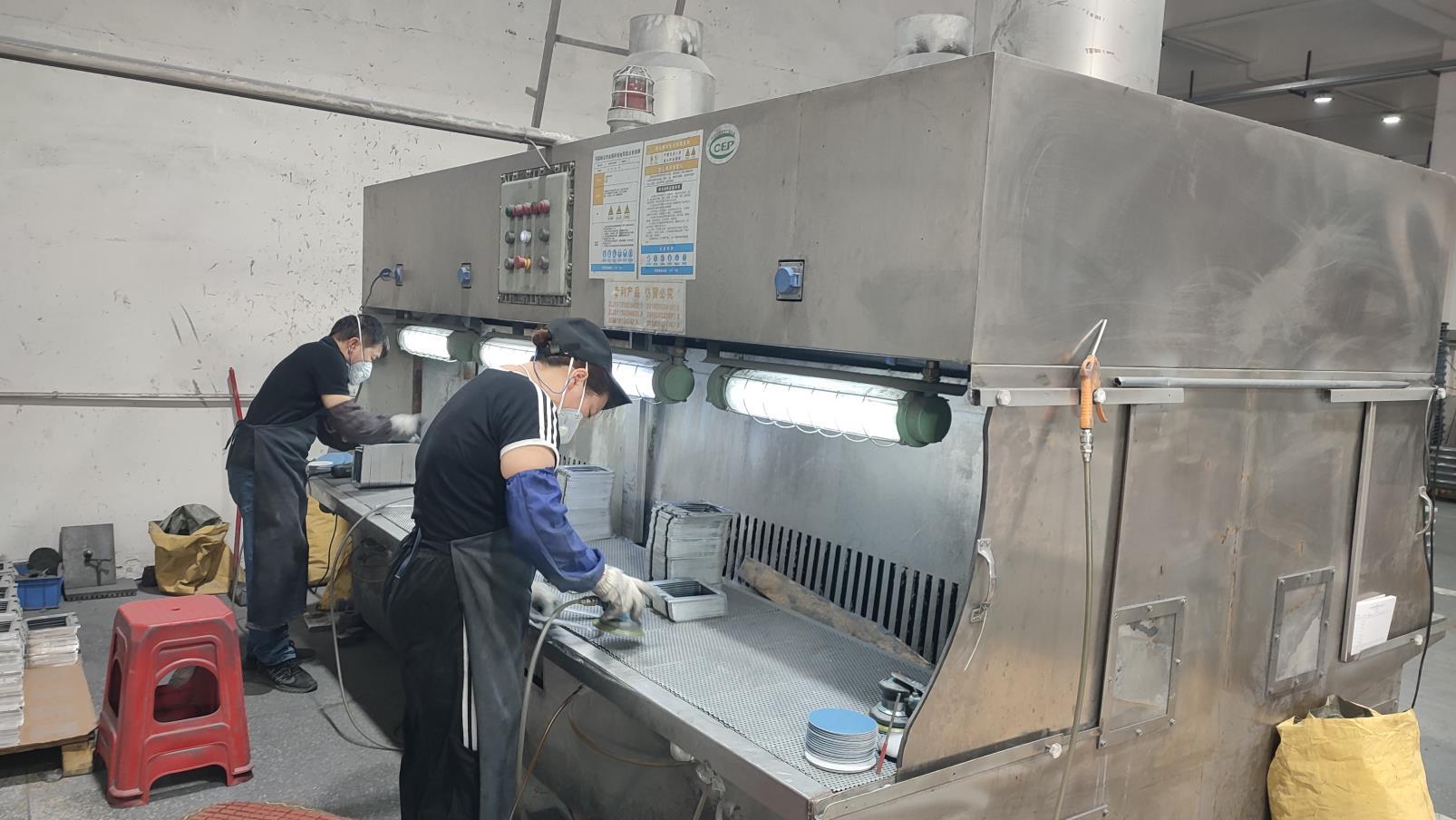
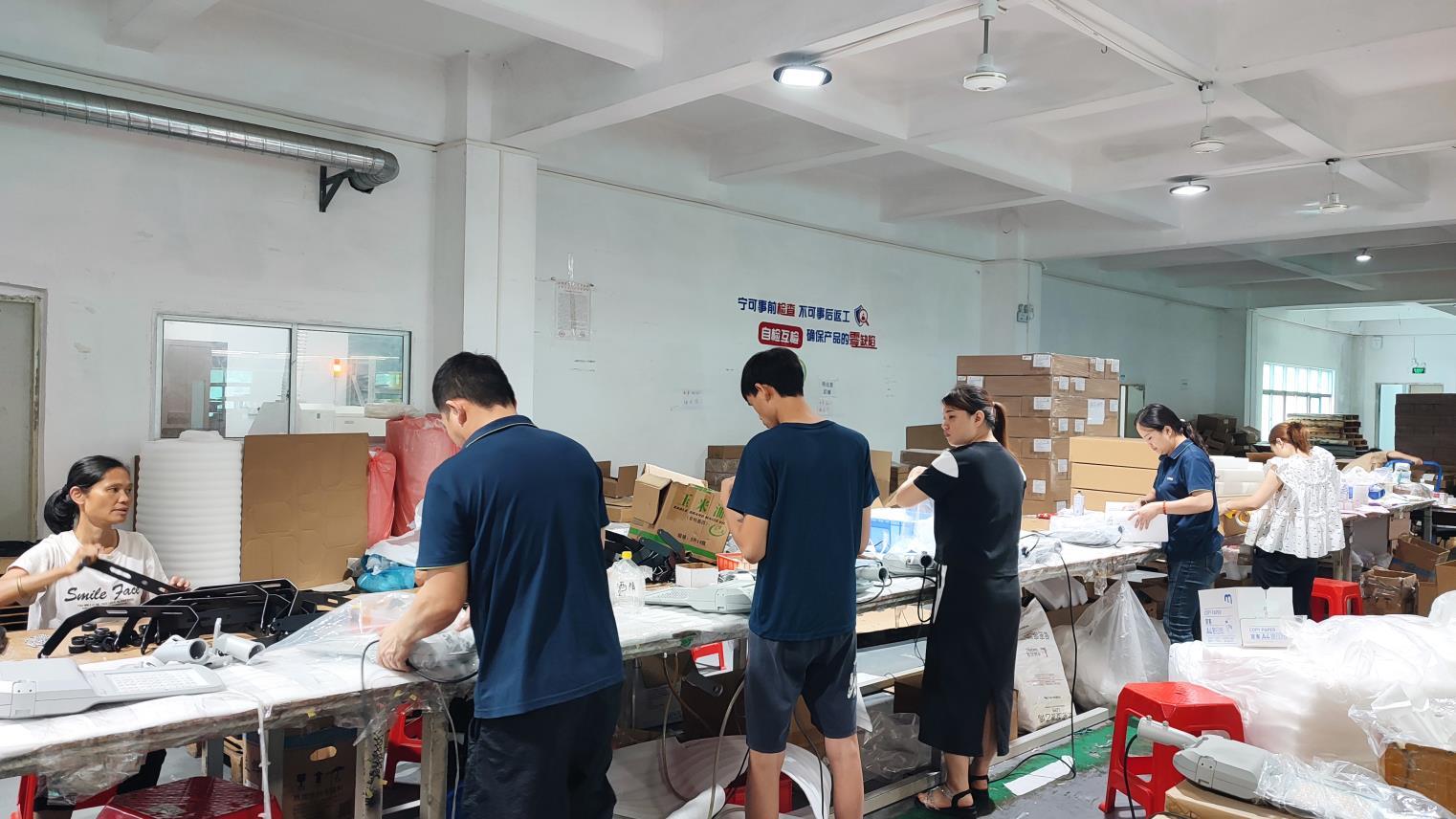
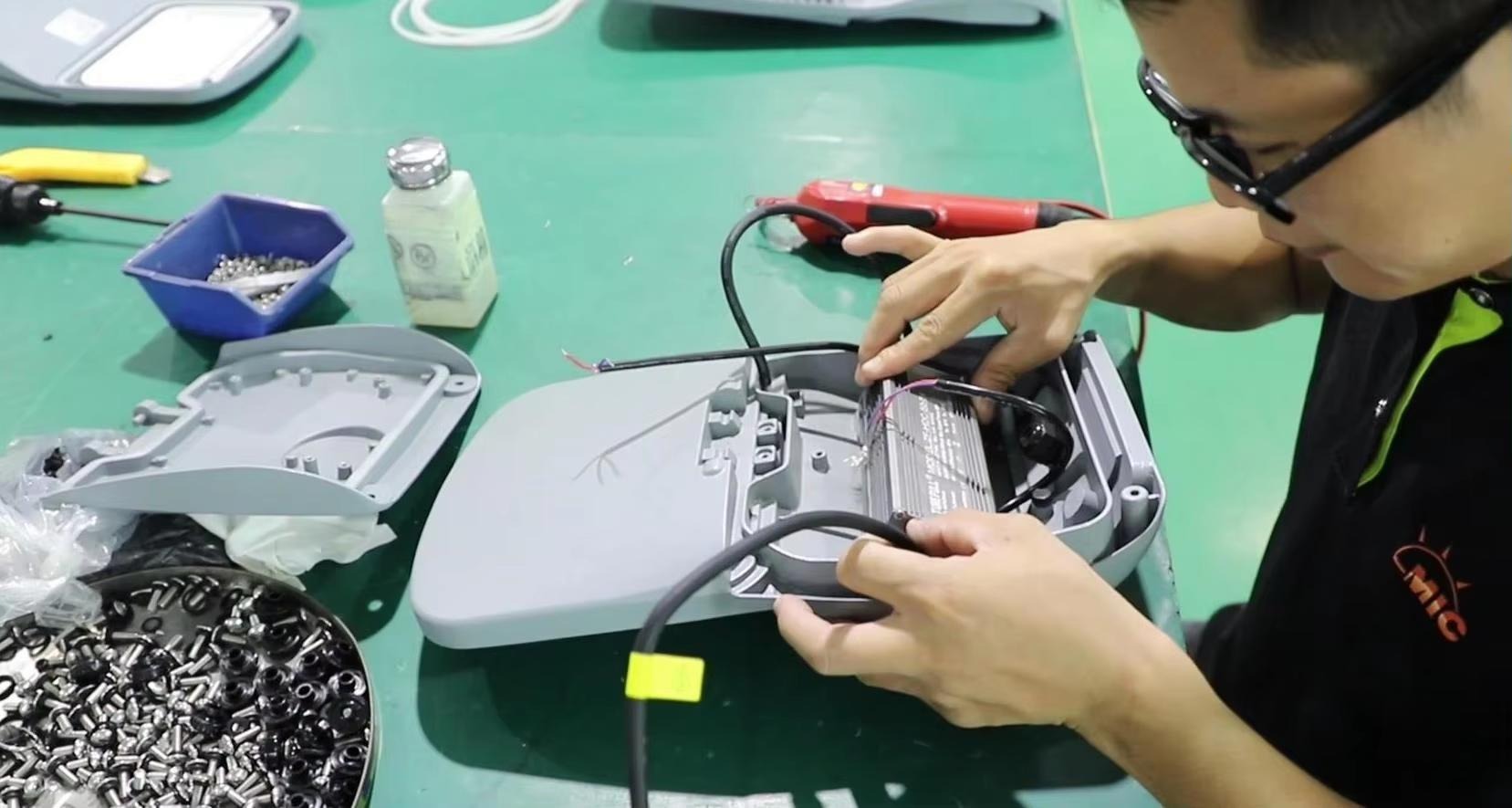
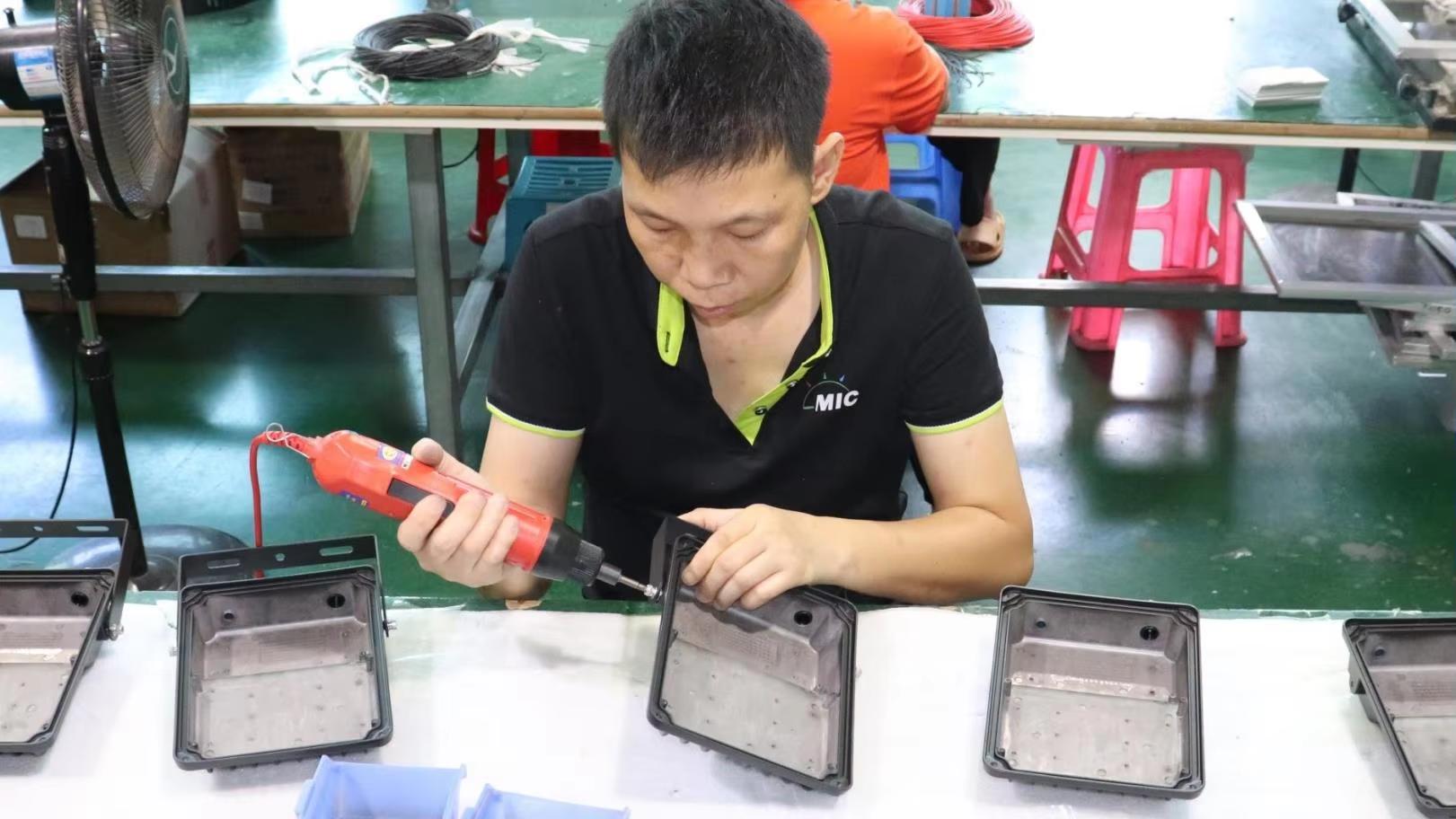
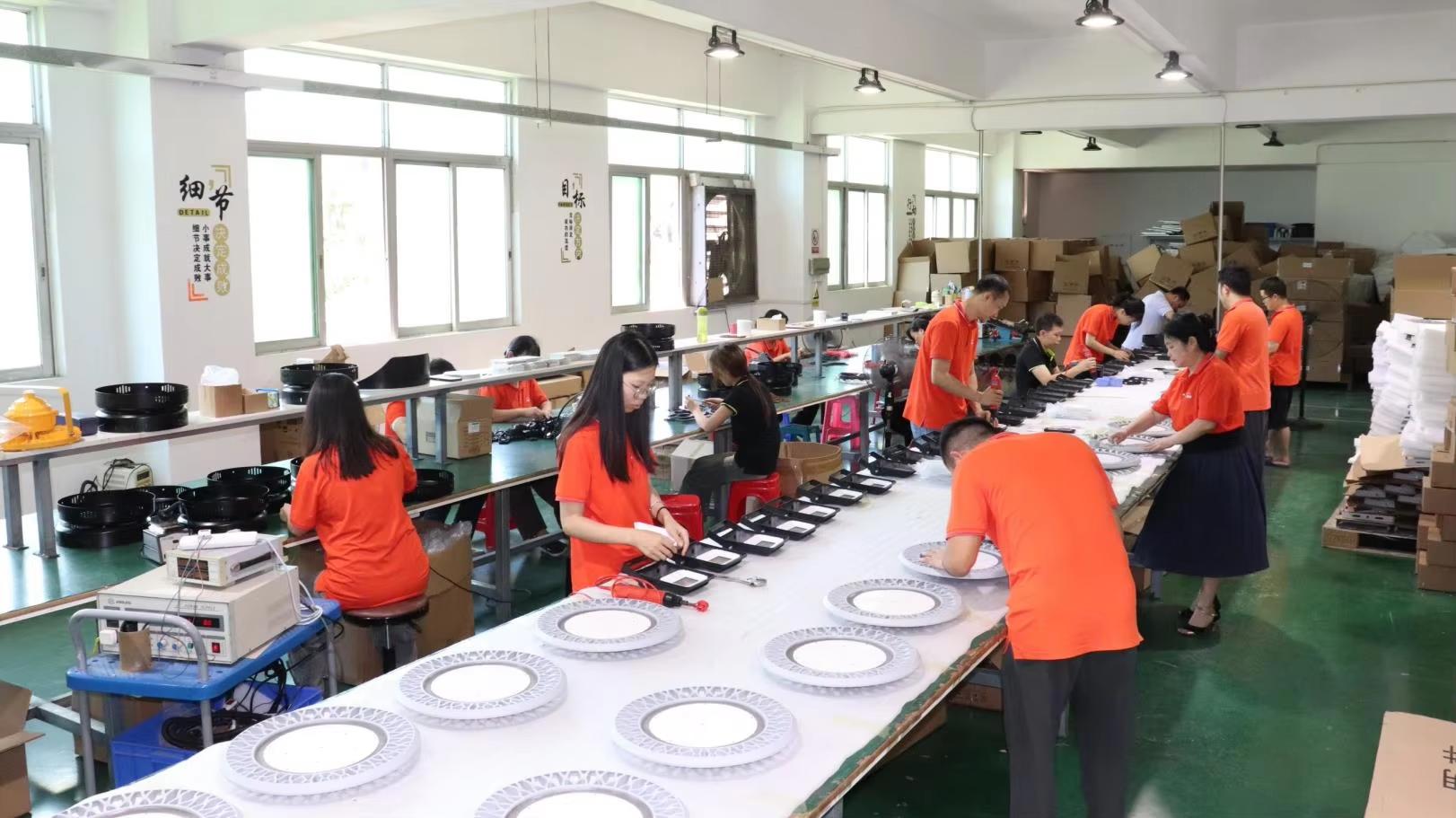
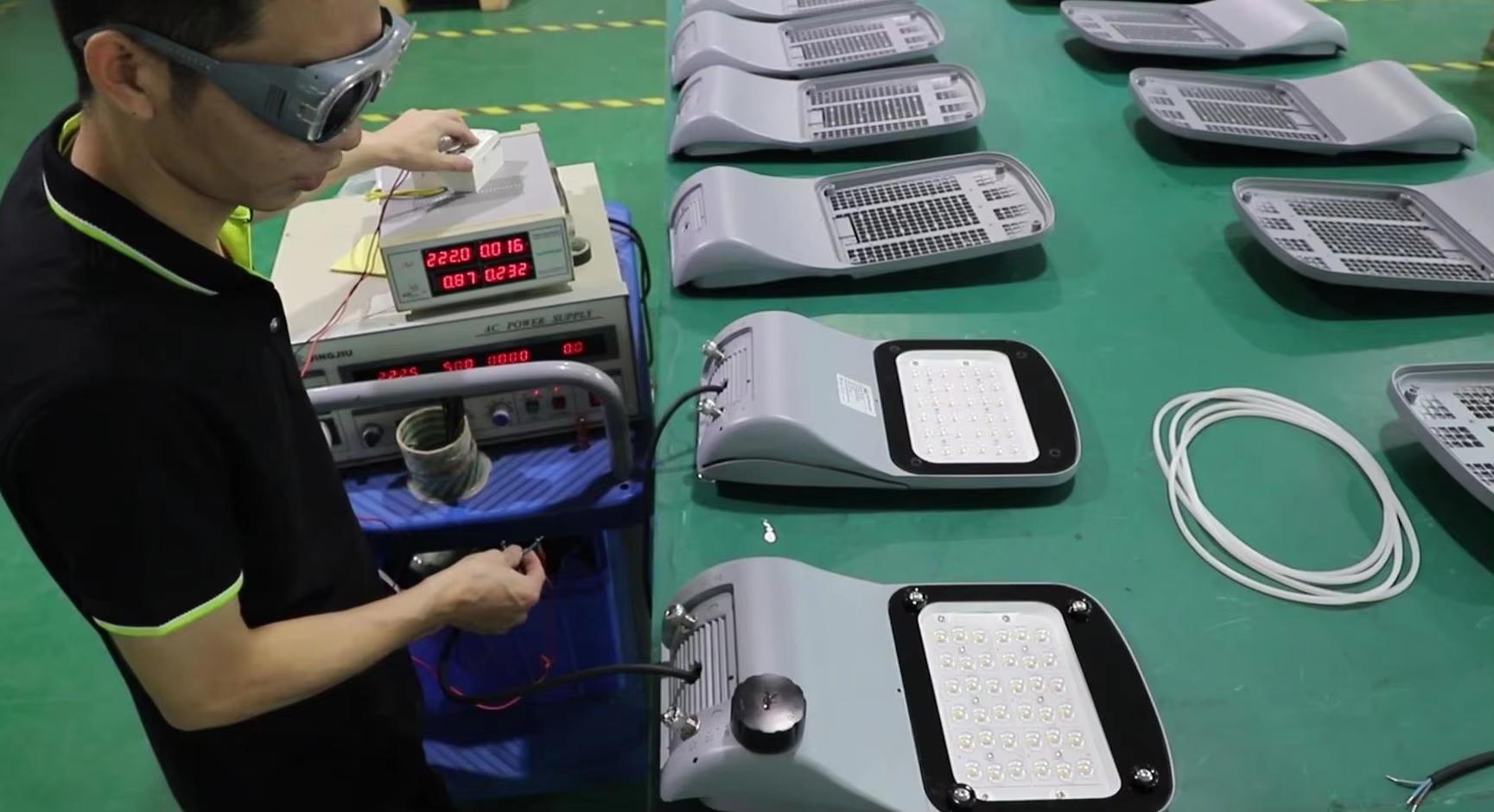
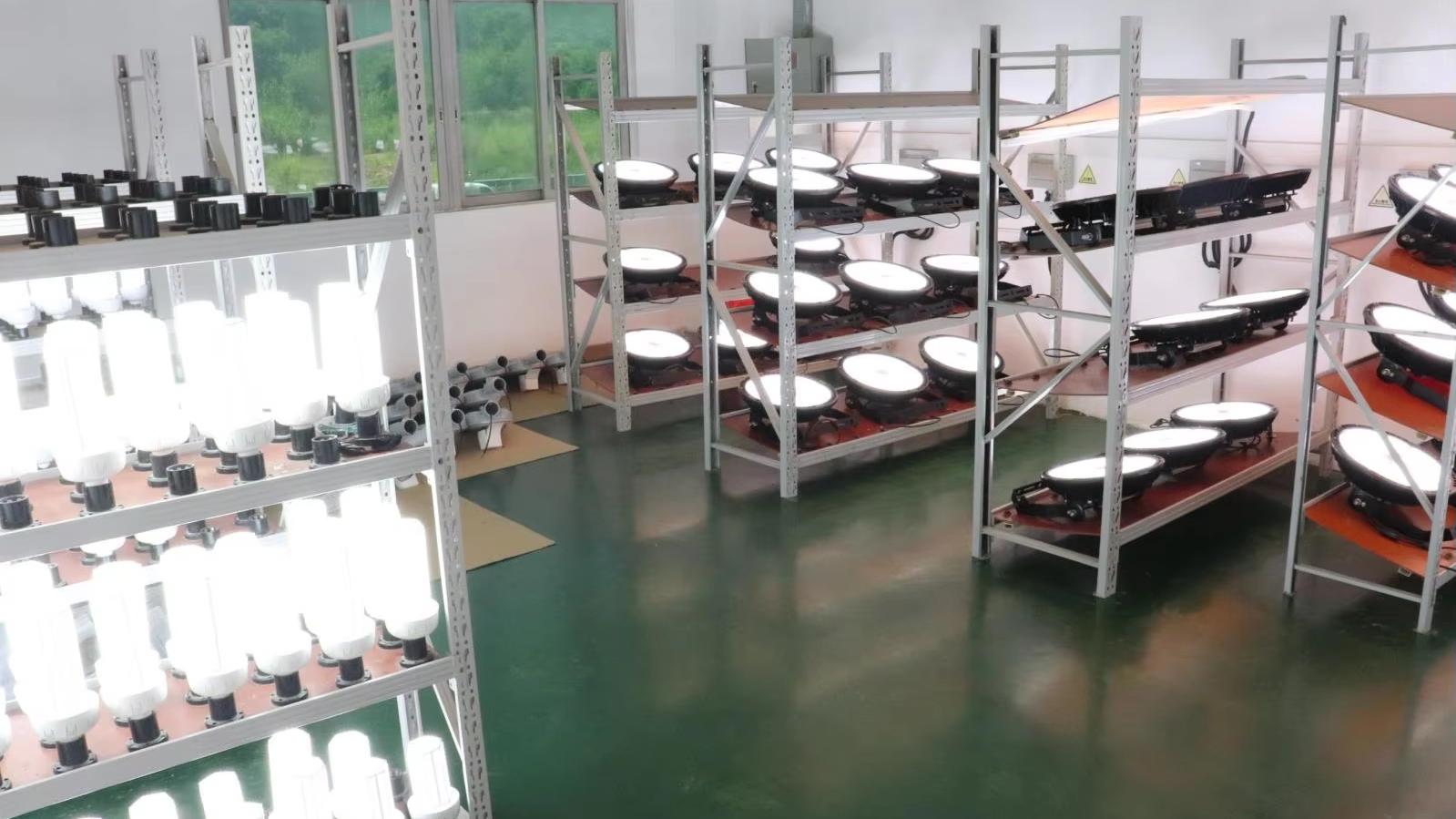
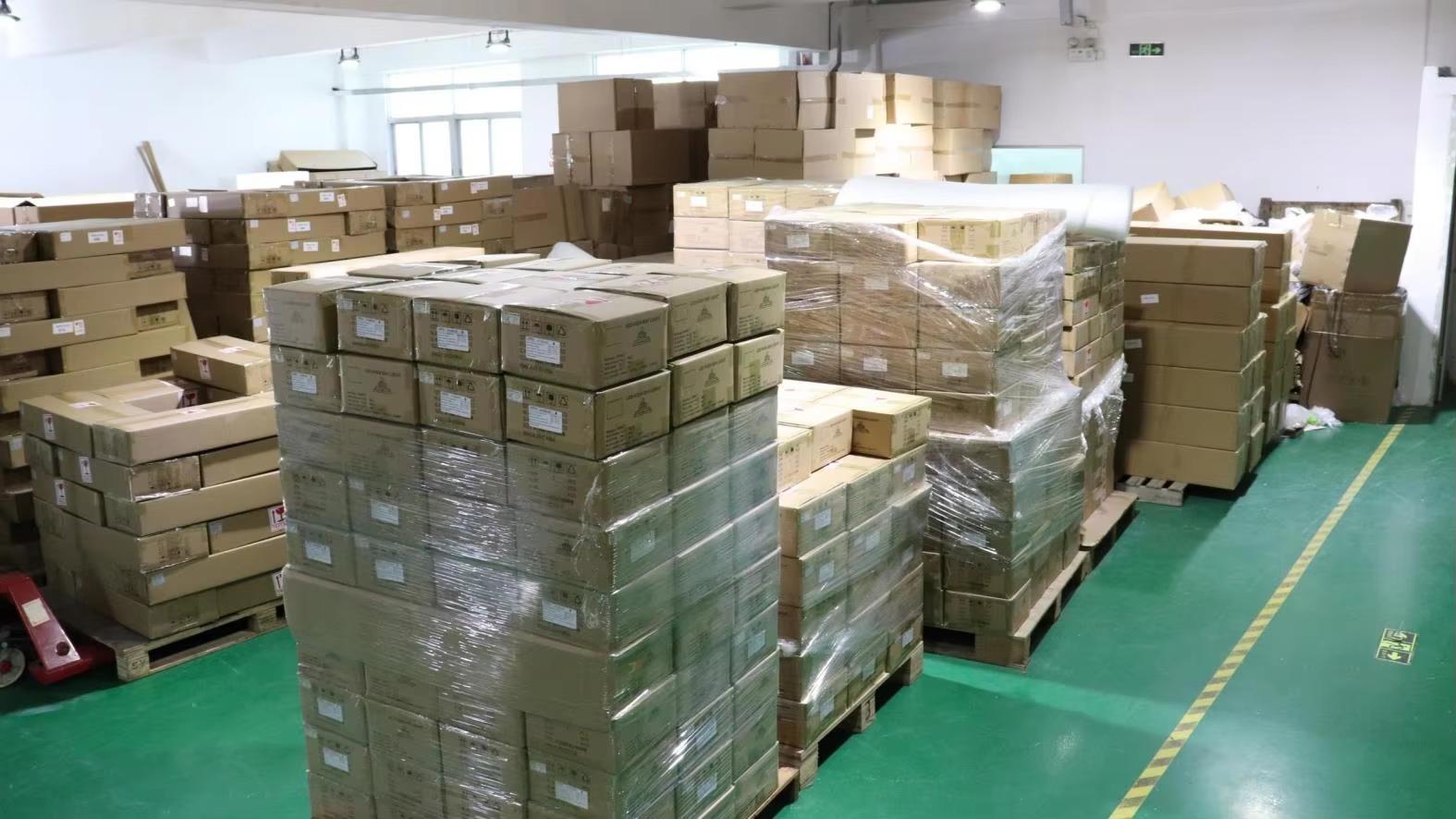
From precision molding to high-temperature aging tests, our factory implements strict controls at every stage of production. Explore our 13-stage manufacturing process designed to deliver quality products to our global partners:
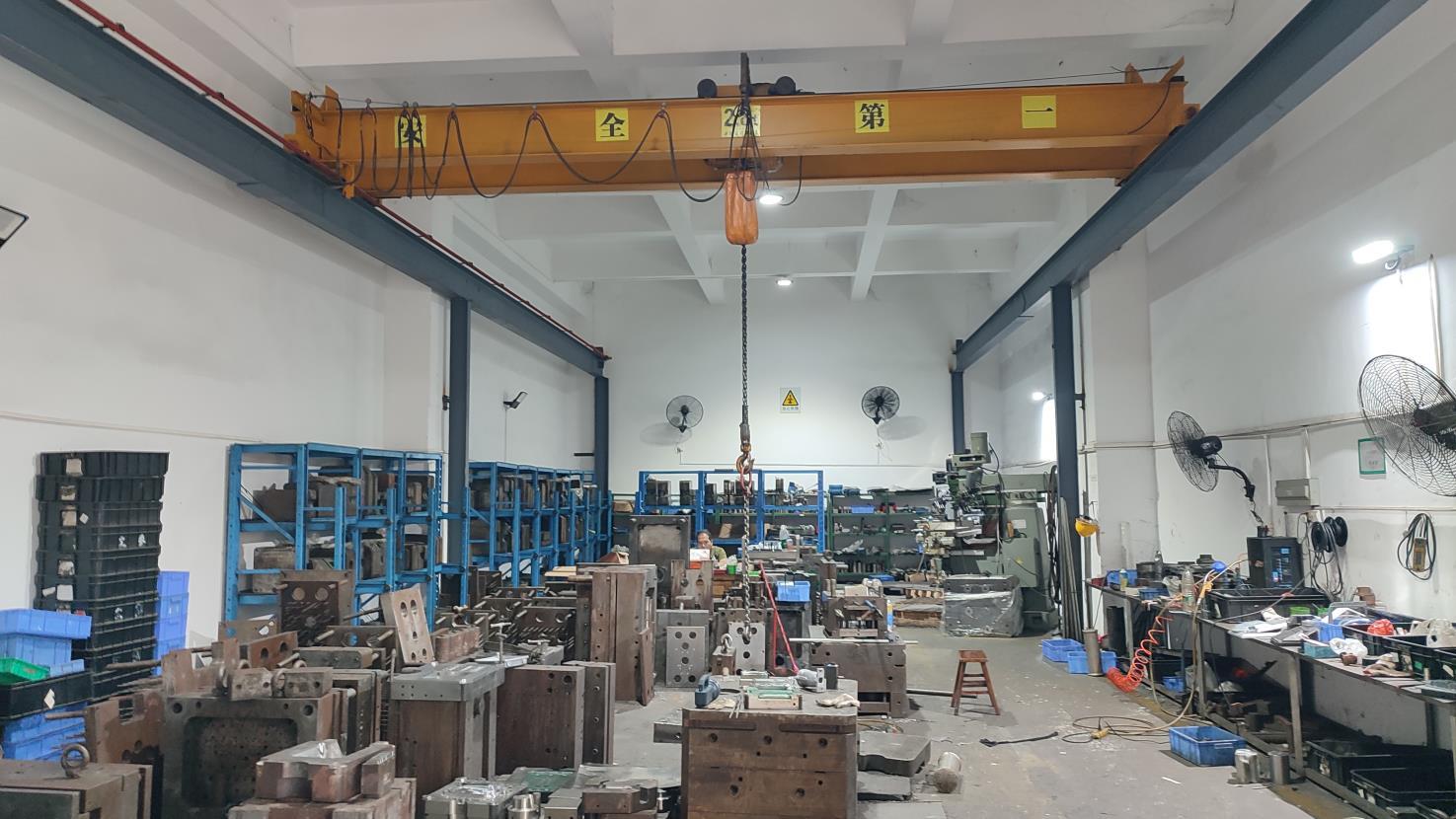
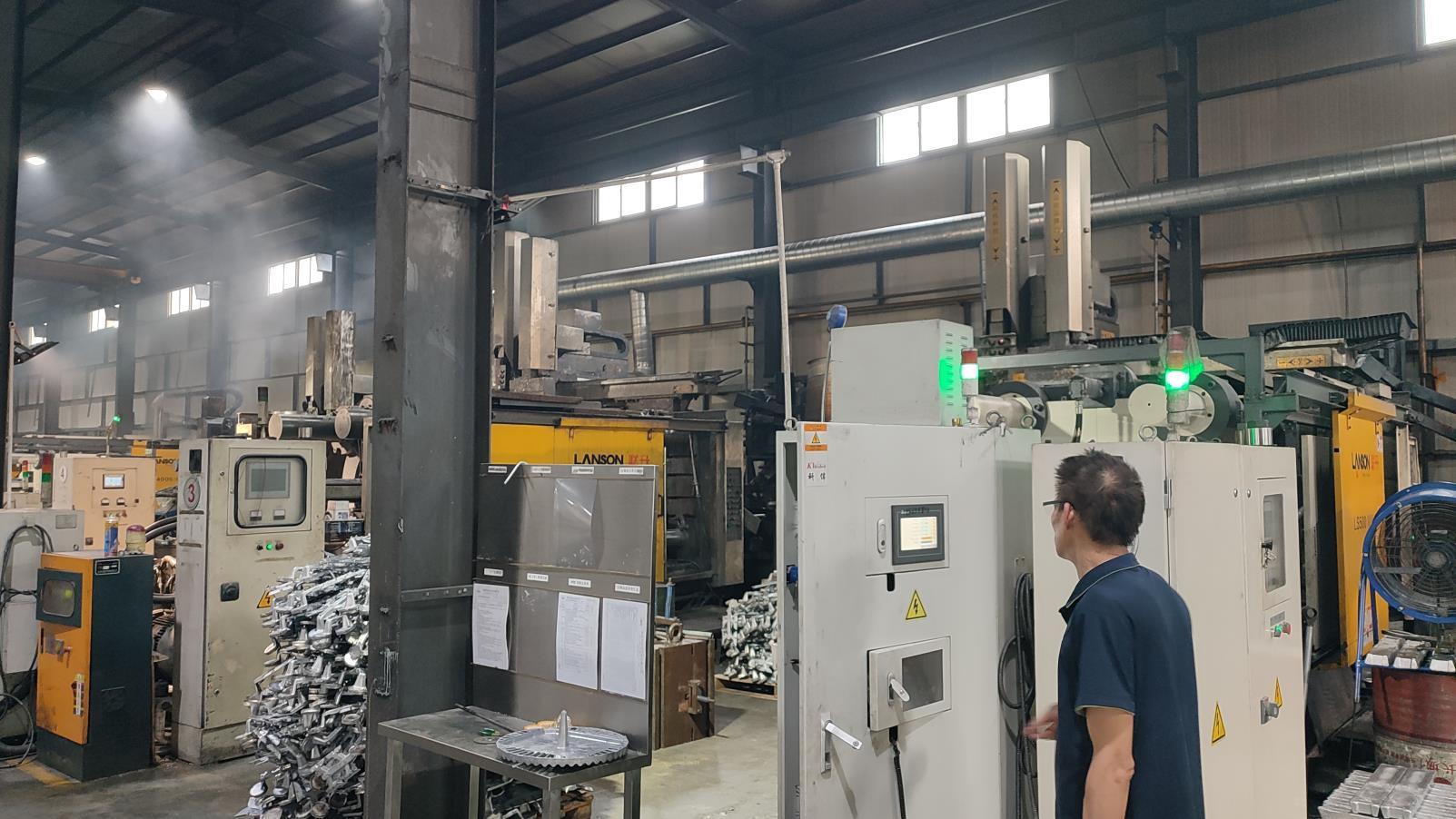
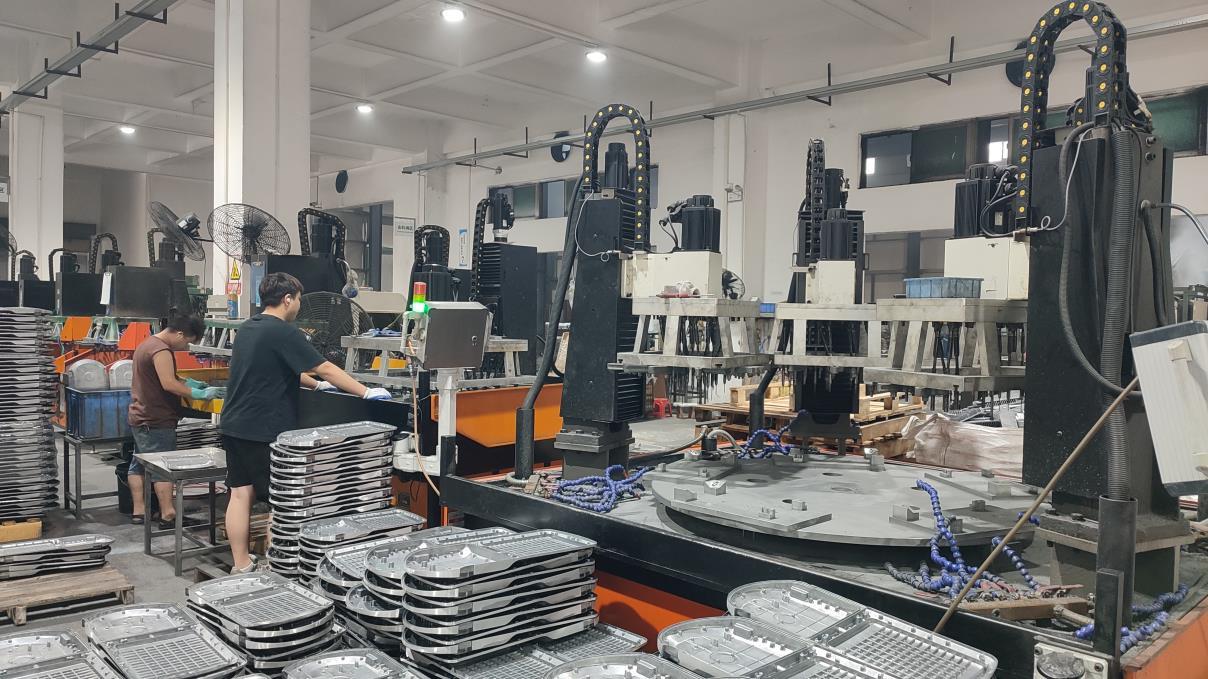
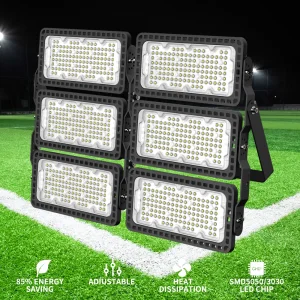
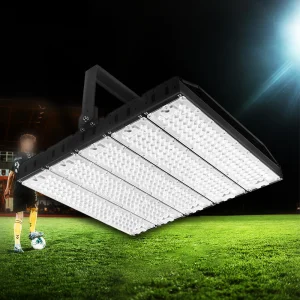
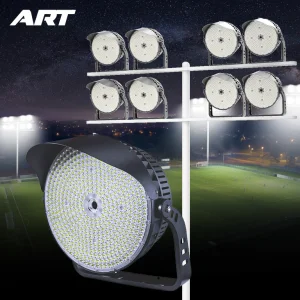
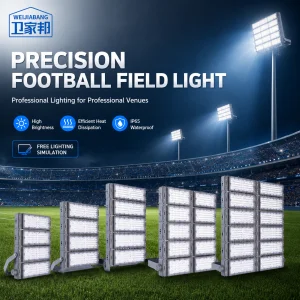
Our engineering support desk helps you calculate exact ROI, energy savings, and light coverage requirements based on your project parameters. Inquire today for custom quotes and free DIALux design support.
 Lijah Light