Explore our top-performing industrial, commercial, and automotive lighting systems manufactured with high-precision optical reflectors.
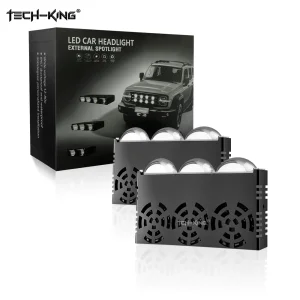
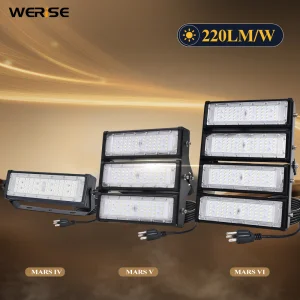
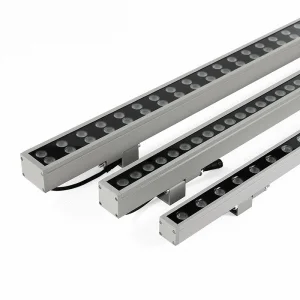
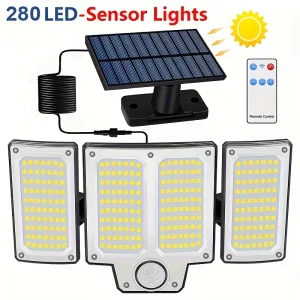
Guangdong Lijah Light Co., Ltd. stands as a premier global developer and manufacturer specializing in energy-efficient, modern, and intelligent LED lighting solutions. Leveraging a rich foundation in technical research and development, we consistently manufacture and export top-tier optical components and full-scale luminaires for commercial, industrial, and specialized architectural applications worldwide. Our operations integrate advanced material science with precise structural engineering, facilitating highly reliable products for clients throughout Europe, Oceania, Southeast Asia, and the Americas.
Our mission centers on the manufacturing of state-of-the-art solid-state lighting products characterized by superior lumen maintenance, structural durability, and optimal light distribution. Led by engineering innovation, Guangdong Lijah Light Co., Ltd. continuously invests in advanced testing equipment and high-throughput production lines. This combination ensures that distributors, contractors, and project developers receive high-performing products that easily fulfill the demanding performance parameters of both indoor and outdoor environments.
In modern solid-state lighting (SSL), the light emitting diode (LED) acts as an inherently directional light source. However, achieving precise optical distributions for specific applications—such as avoiding visual discomfort in commercial offices or ensuring high-intensity beam reaches far down stadium fields—requires superior secondary optics. This is where high-efficiency LED reflectors become crucial.
Unlike Total Internal Reflection (TIR) lenses, which direct light through refractive surfaces, optical reflectors capture and redirect wide-angle light emission using specular reflective surfaces. By utilizing high-purity aluminum alloys or vacuum-metallized engineering polymers, our LED reflectors achieve a light redirection rate exceeding 95%. This high reflectivity minimizes backscattering and optical absorption, translating directly into elevated system-level Lumens-per-Watt (lm/W) efficacy.
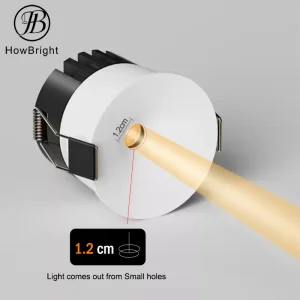
Furthermore, precise geometric design controls the **Unified Glare Rating (UGR)**. For instance, in our architectural downlights, the paraboloidal reflector curves are mathematically optimized to direct light downward within a strict cutoff angle, eliminating lateral glare and producing a comfortable UGR < 19 environment.
Reflectors allow open airway passages around the COB LED source, facilitating natural convection and reducing junction temperatures to prolong lumen maintenance.
From narrow 15° spot distributions for outdoor facades to wide 120° flood distributions, our optical designs minimize light spill and light pollution.
Using anodized aluminum and specialized UV-stabilized polycarbonate coatings prevents degradation, yellowing, or cracking under harsh outdoor conditions.
High-performance lighting installations require solutions tailored to their macro-environments. Standardized fixtures rarely meet the strict illumination codes required by municipal infrastructures, extreme sports facilities, and heavy-duty manufacturing centers.
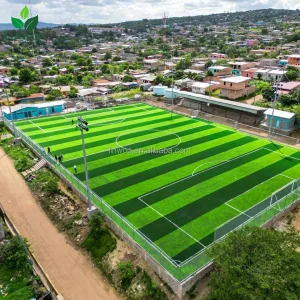
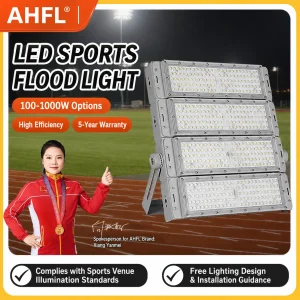
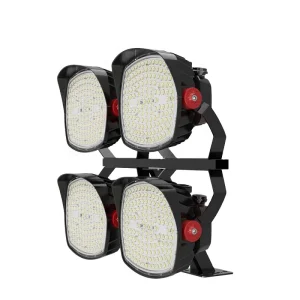
For major sporting arenas, rendering dynamic, high-speed movement without camera flicker is essential. Our high-power modular floodlights (ranging from 500W to 1000W) utilize specialized multi-faceted reflectors. These split the beam into thousands of overlapping light paths, creating exceptional horizontal and vertical uniformity, eliminating harsh shadows, and maintaining a high Color Rendering Index (CRI > 80) suitable for HDTV broadcasting.
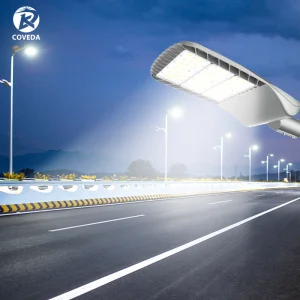
Modern street lighting requires batwing-type light distributions to maximize spacing between poles while maintaining cross-road uniformity. By designing custom asymmetric reflectors, we direct light along the roadway while blocking backward emission that causes urban light pollution. These fixtures integrate seamlessly with Smart City IoT nodes via 7-pin NEMA receptacles, allowing for automated dimming and dynamic traffic-based lighting controls.
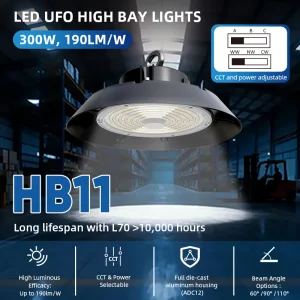
In manufacturing hubs and high-bay warehouses, dust, moisture, and chemical vapors present challenges for electronic equipment. Our UFO high bay fixtures, constructed with IP65 seals and impact-resistant aluminum reflectors, guarantee safe operation in hot, high-ceiling environments. The optical design keeps the luminaire clean by utilizing anti-static coatings that prevent dust accumulation.
The efficiency of Guangdong Lijah Light Co., Ltd. is rooted in our Factory 4.0 production framework. By integrating raw material sourcing, heavy die-casting machinery, precision CNC machining, and automated quality testing within a single regional ecosystem in Guangdong, we mitigate supply chain disruptions and maintain a reliable export timeline for clients worldwide.
Our manufacturing facility contains dedicated units for tooling, high-pressure die casting, surface finishing, and optoelectronic validation. The step-by-step process below showcases our commitment to vertical integration and industrial precision:
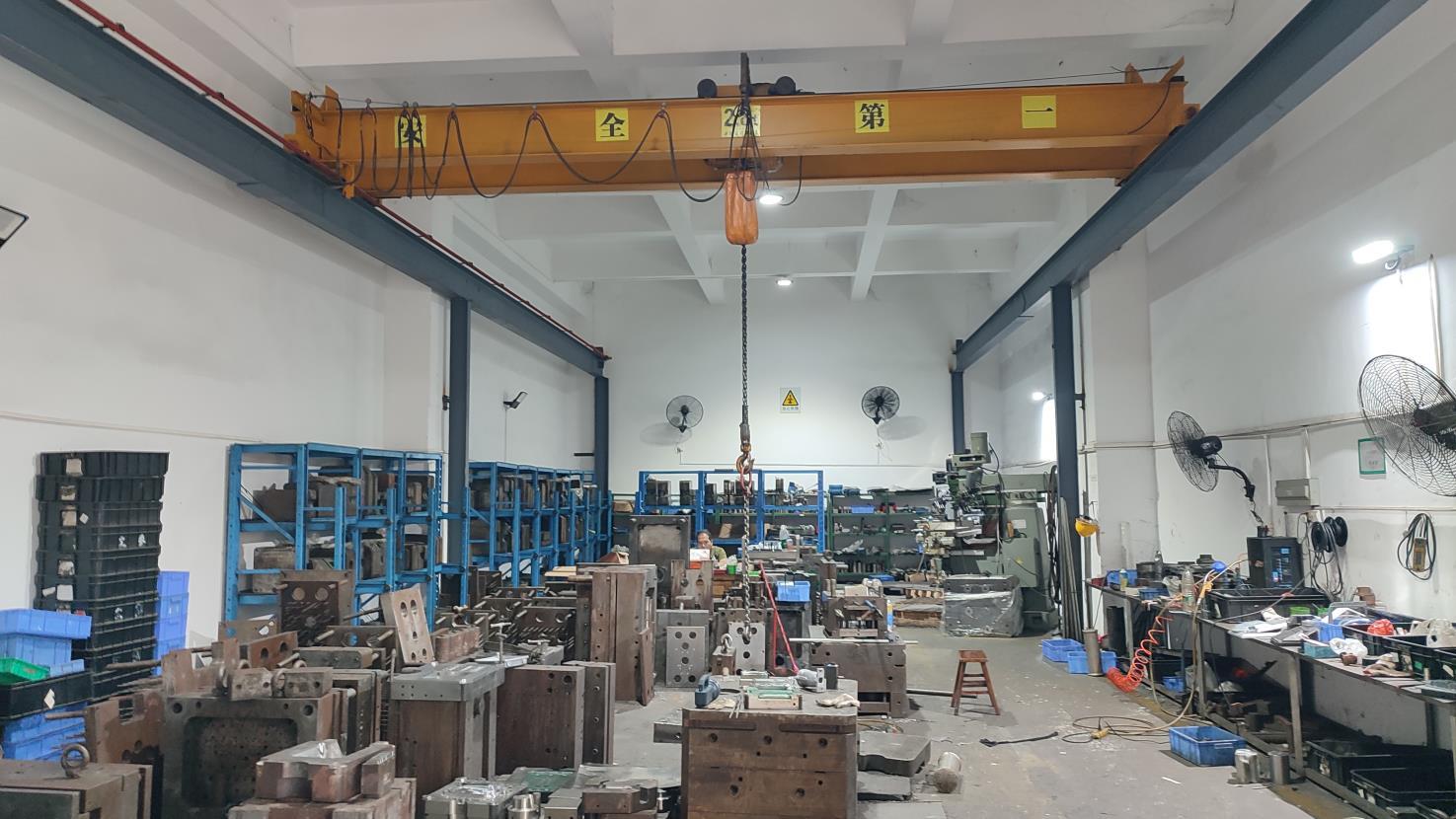
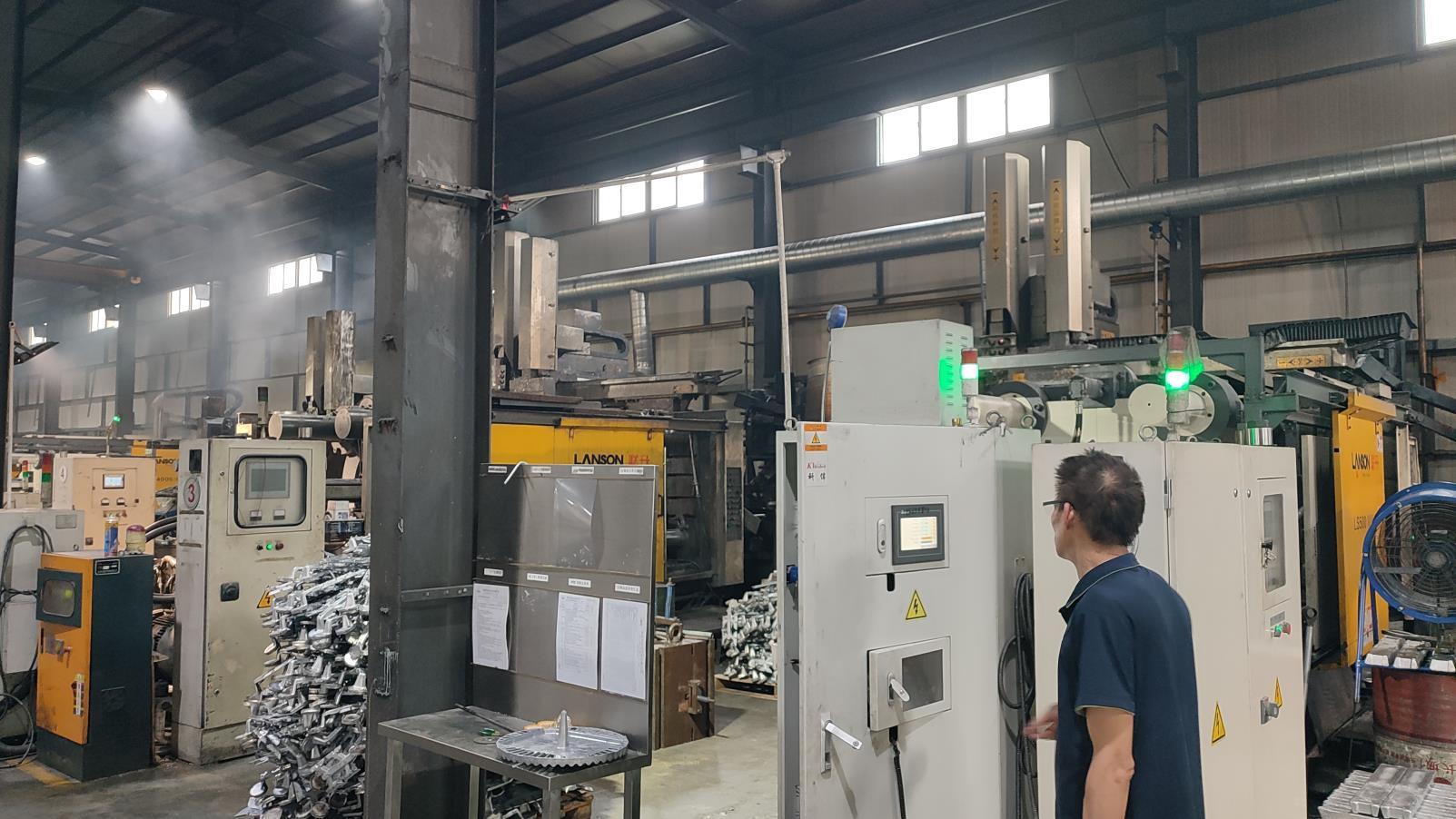
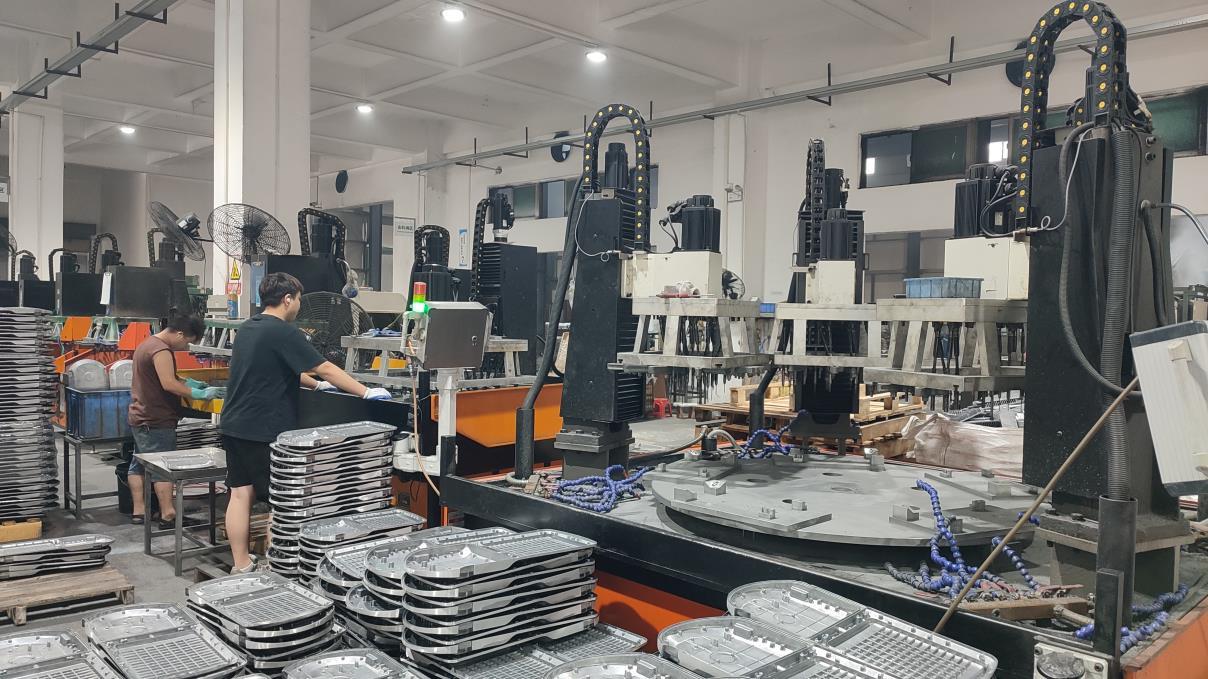
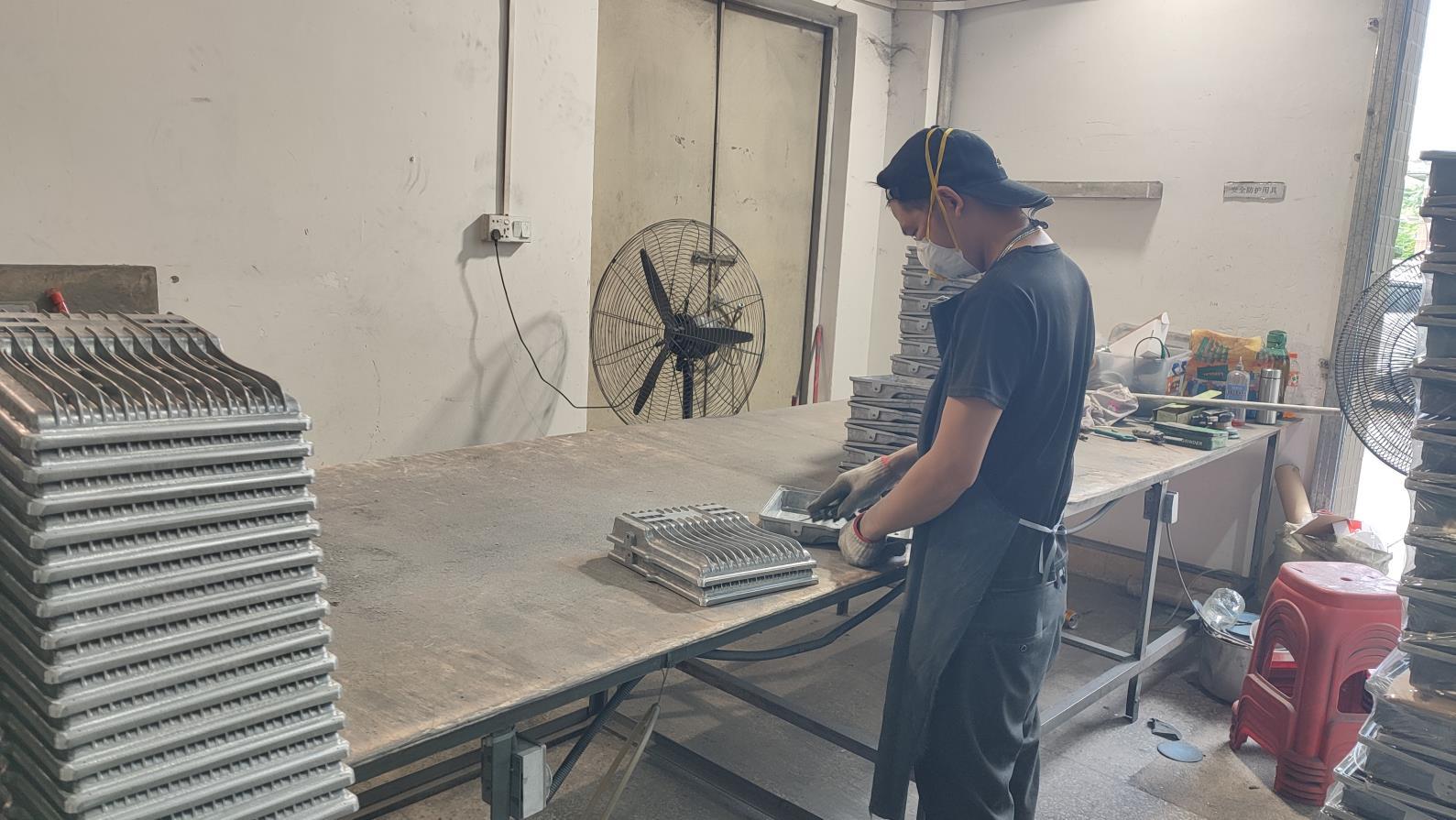
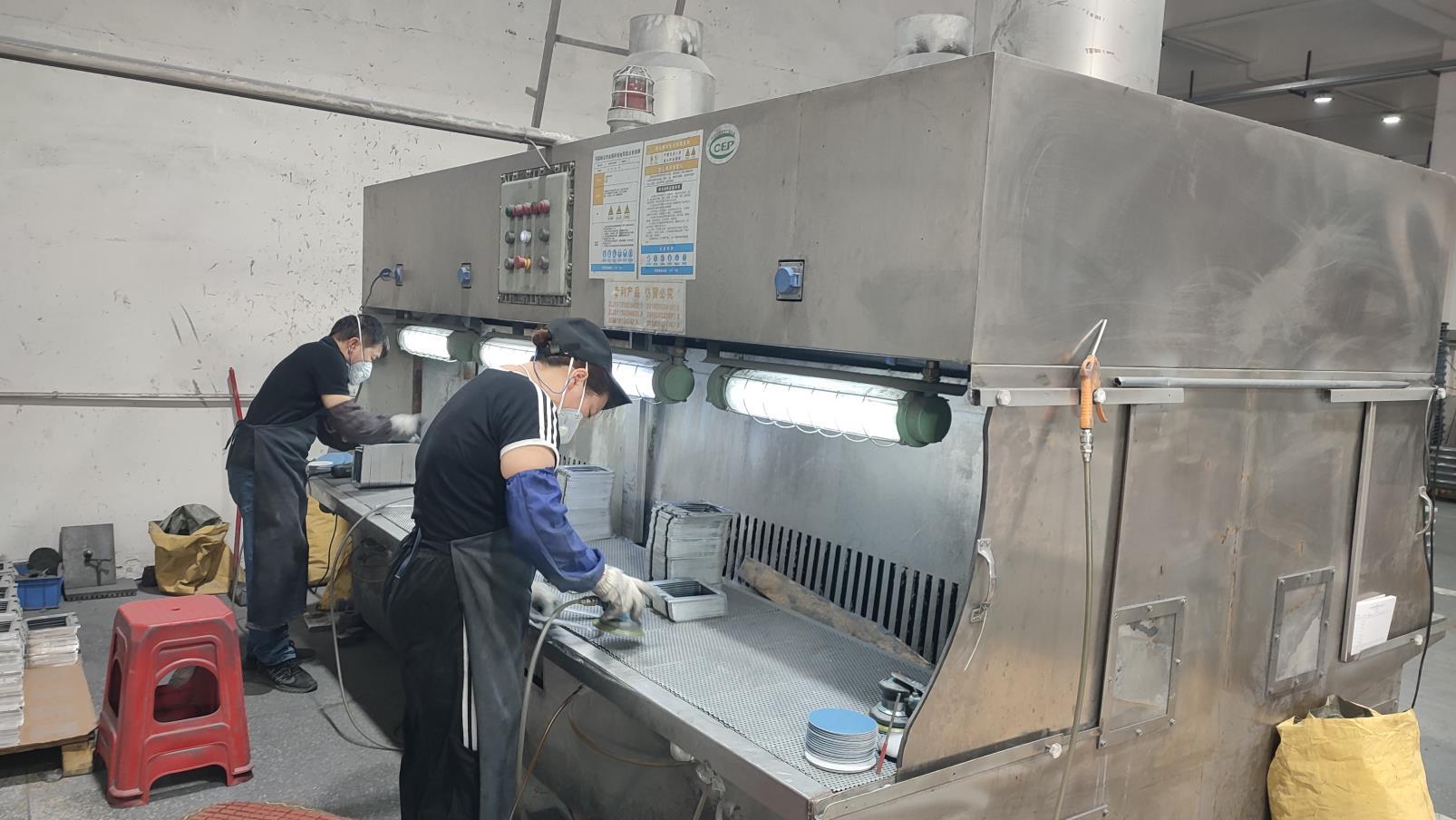
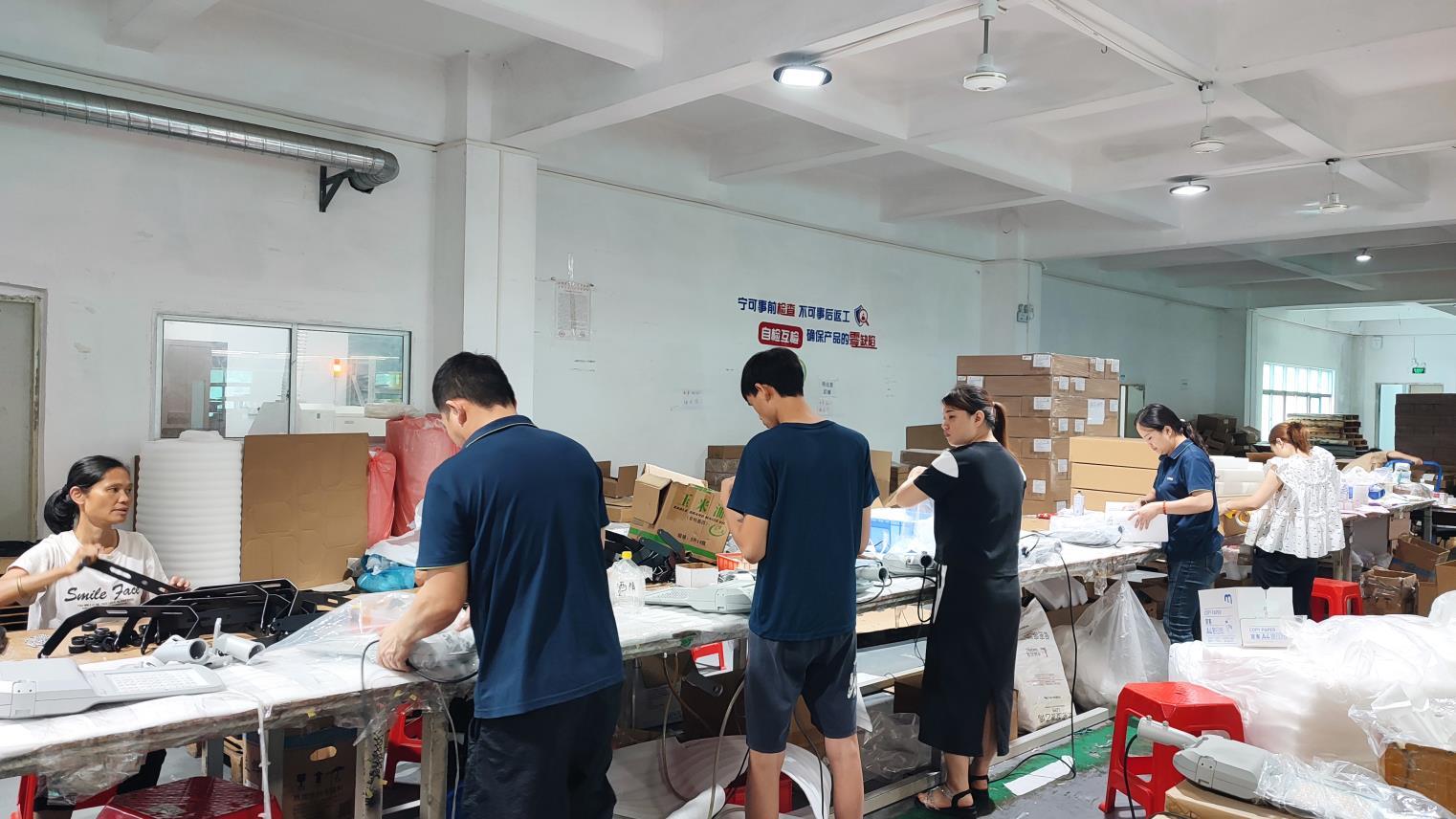
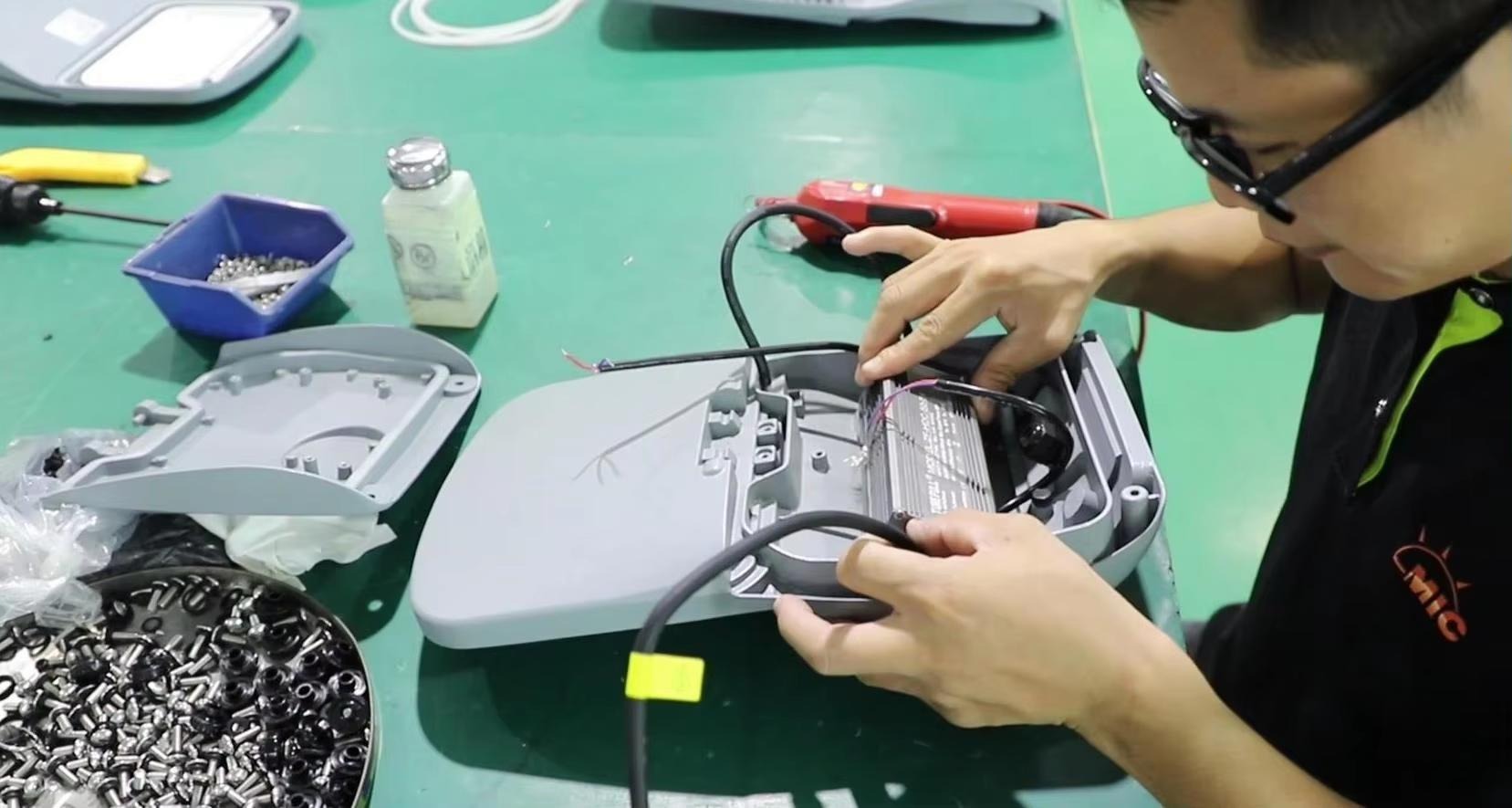
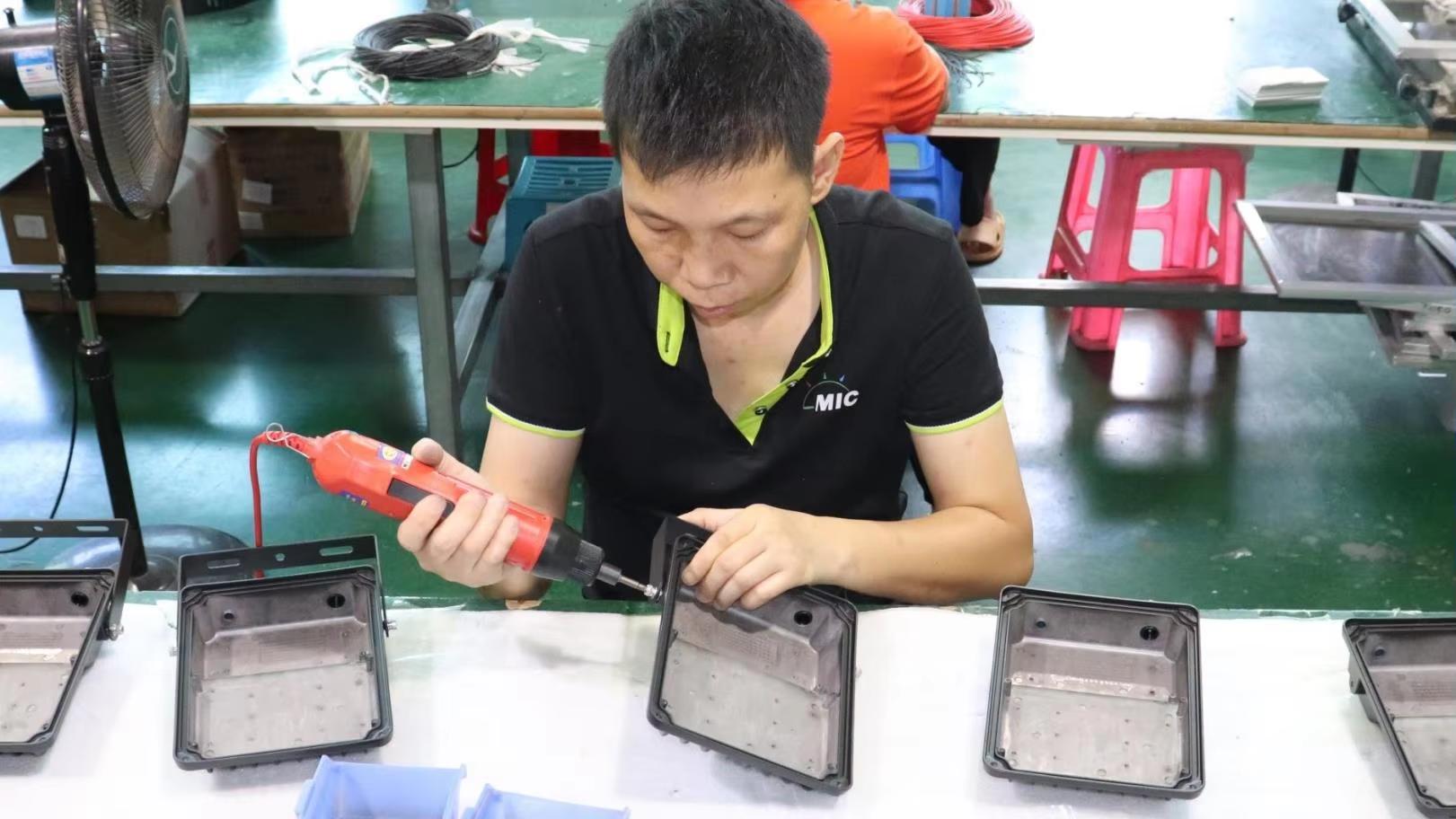
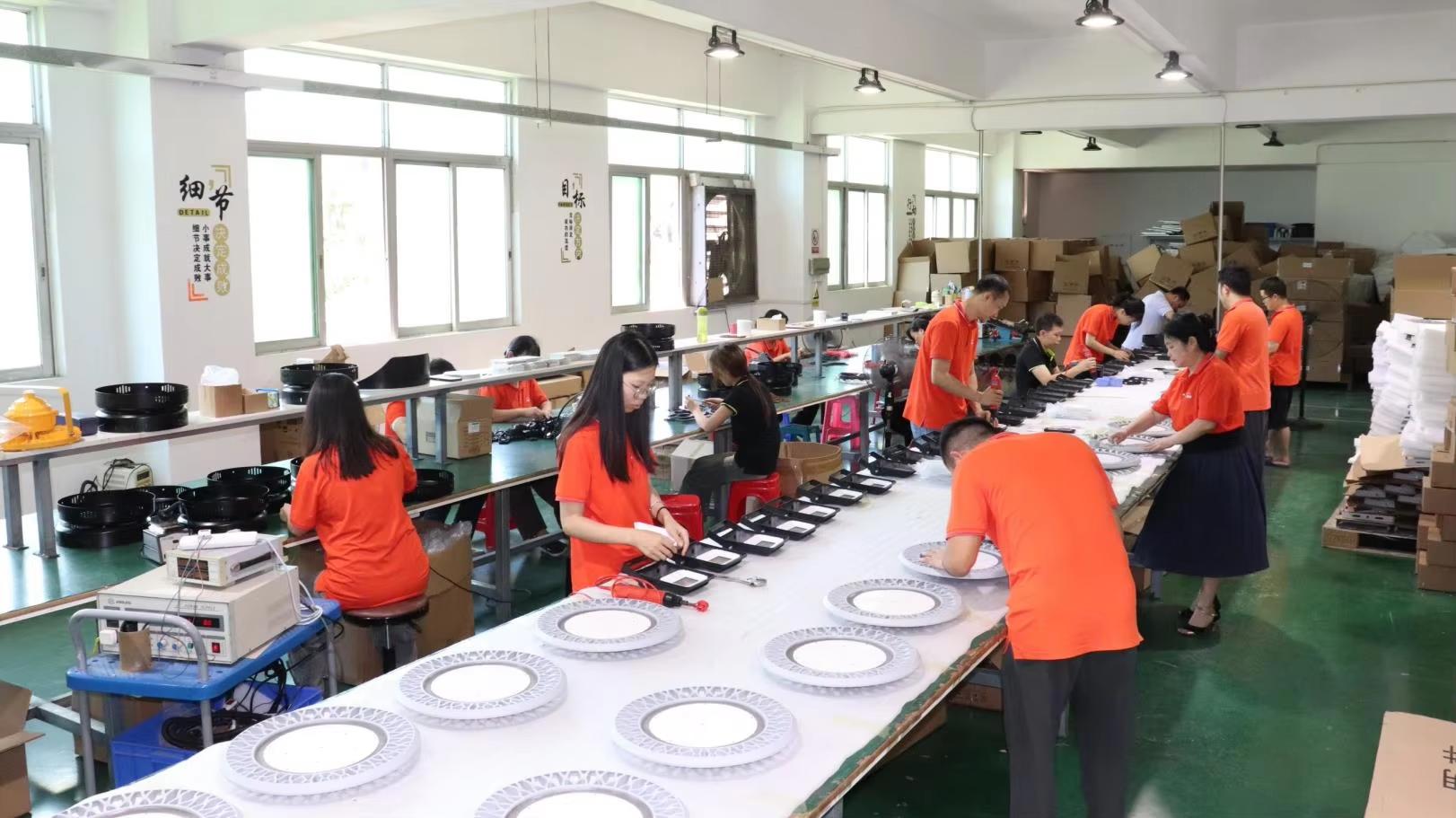
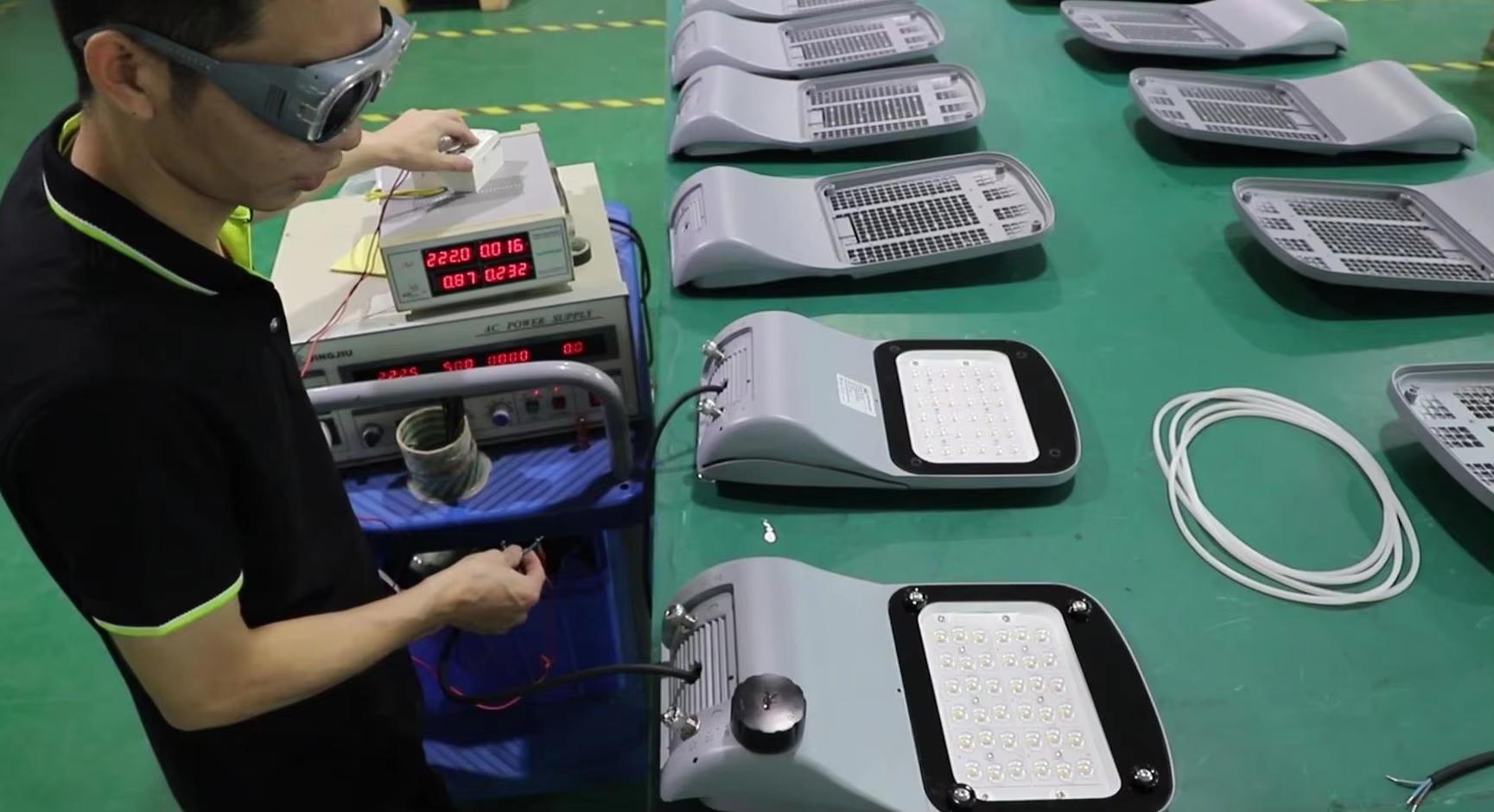
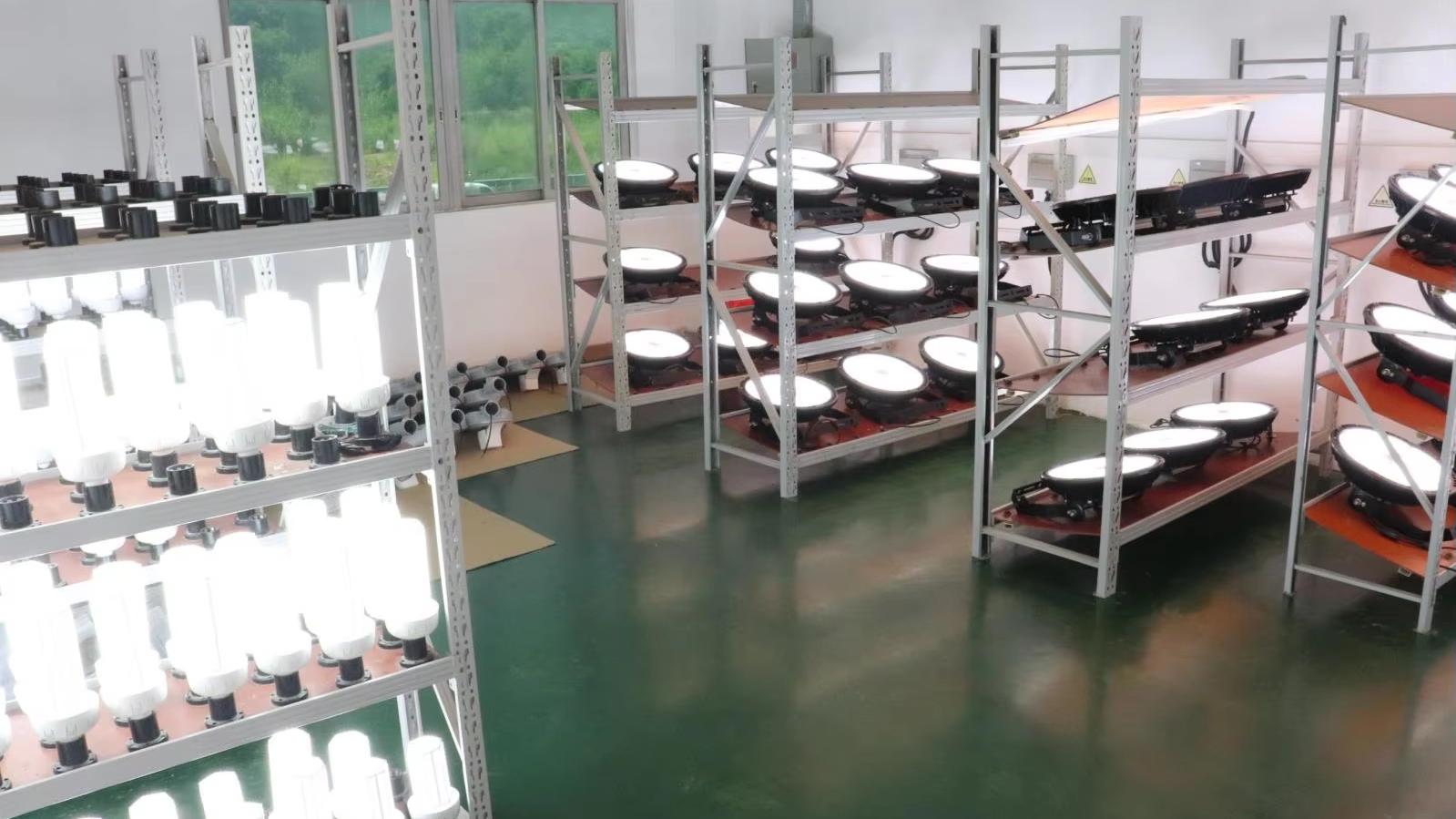
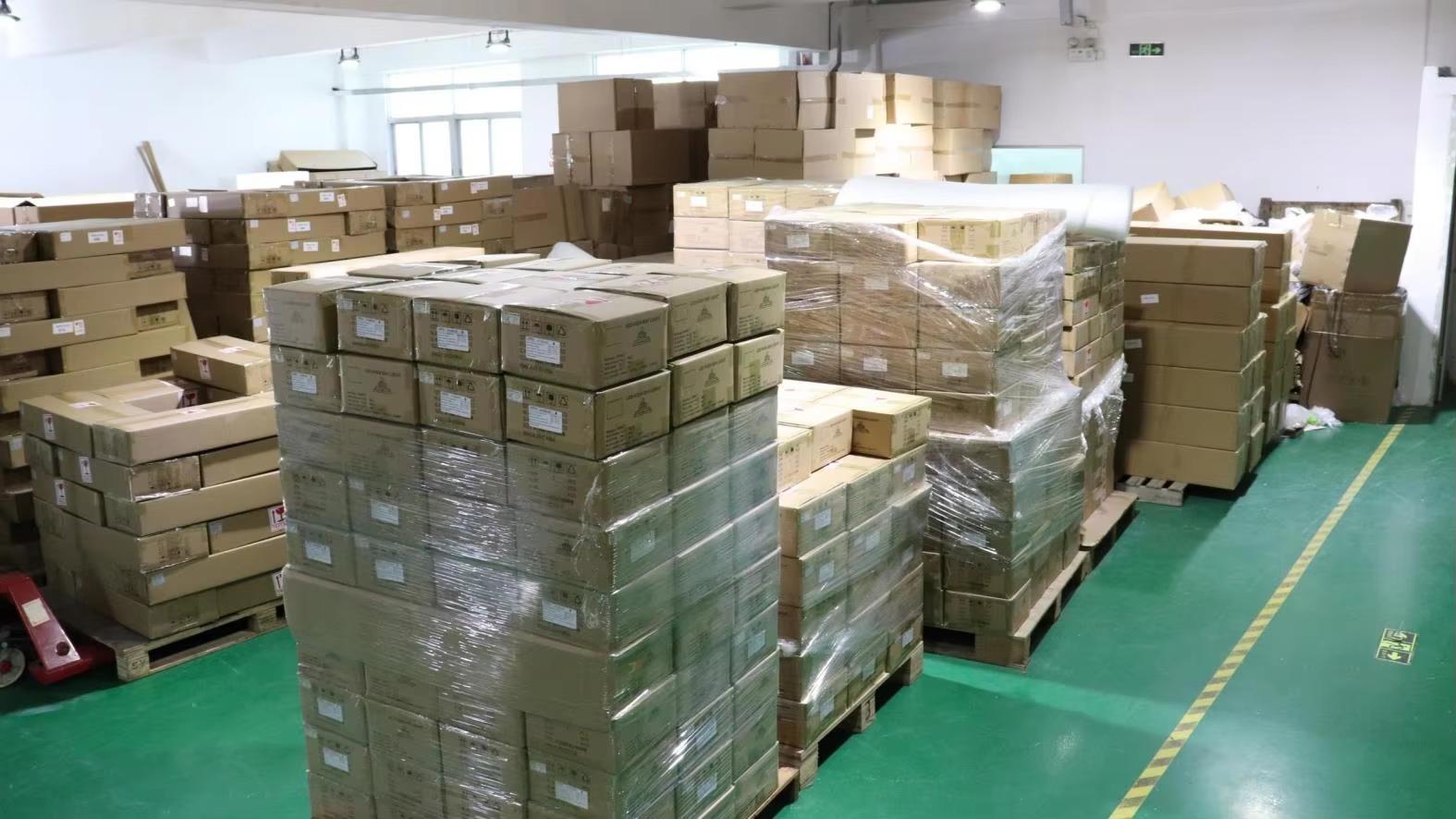
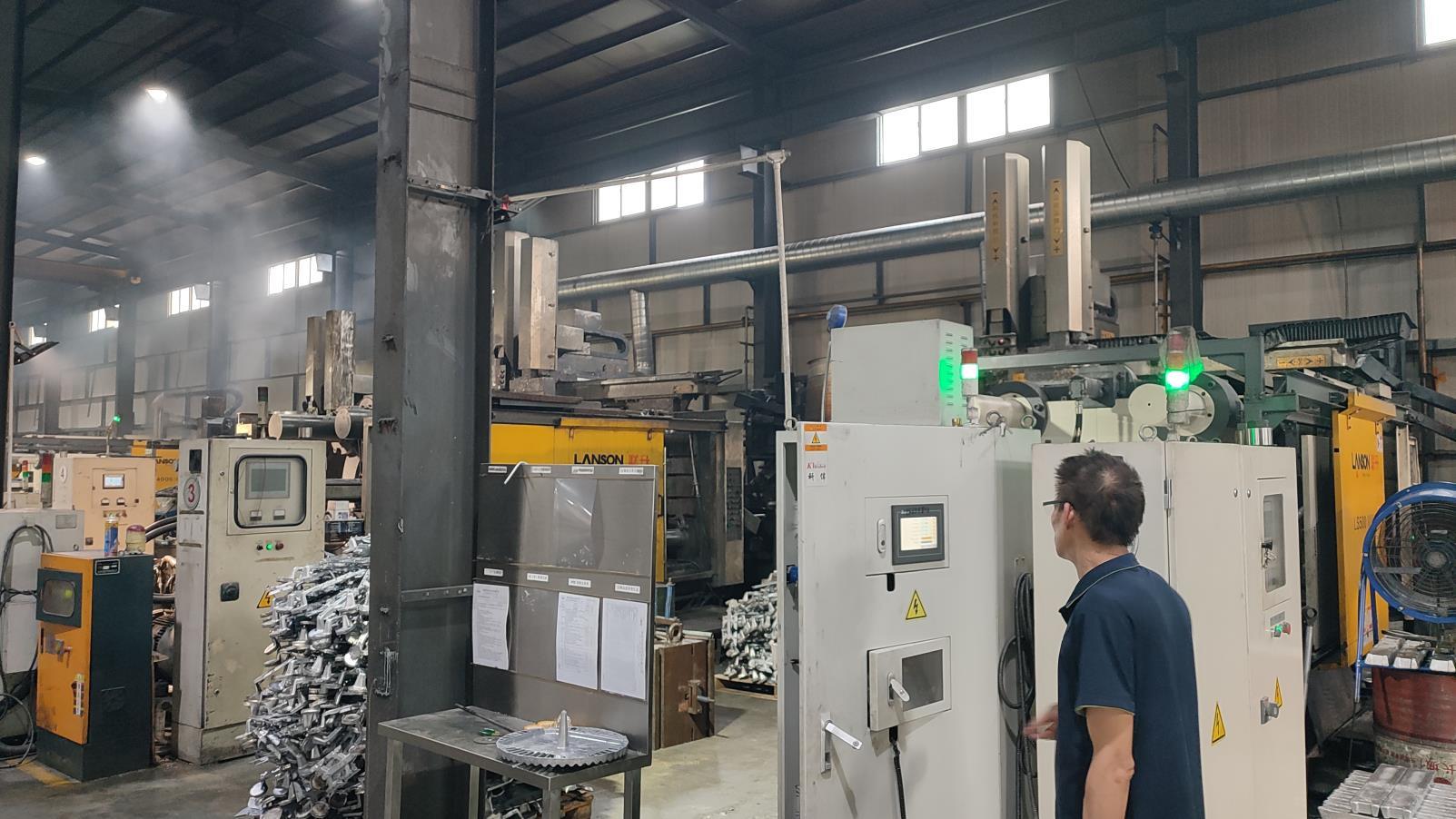
By performing manufacturing, mechanical finishing, optical coating, and final assembly in-house, we eliminate external transport delays and reduce costs. This direct oversight of all design and manufacturing stages allows us to maintain consistent dimensional tolerances on reflector geometries and ensures each batch matches the performance verified in our initial engineering simulations.
Procurement teams face the challenge of sourcing products that meet localized safety and electrical standards while satisfying the project's performance criteria. Under our quality policy, our R&D team provides full **DIALux simulation services**. Before placing an order, clients can send us their architectural CAD files. Our engineers then simulate the lighting plan to verify average lux levels, uniformity ratios, and UGR compliance.
This upfront support eliminates the risk of purchasing excess or under-performing fixtures, saving projects thousands of dollars in installation costs.
Furthermore, our product catalog meets the compliance requirements of major global markets:
As solid-state lighting technology matures, the focus is shifting toward higher smart system integration, human-centric lighting (HCL), and eco-friendly manufacturing. Our engineering team is currently developing **dynamic and adaptive optical systems** that will define our product catalog in the coming years.
Future LED reflectors will utilize advanced multi-layer nano-coatings to increase surface reflectivity from 95% to 99%. These hydrophobic and self-cleaning coatings are designed to resist dirt, dust, and moisture buildup in demanding industrial environments, ensuring consistent light output over years of operation.
To support human-centric lighting (HCL) systems that mimic natural daylight cycles, we are designing smart, modular optical systems. By matching multi-channel COB LEDs with multi-zone reflectors, these luminaires can adjust both color temperature (from 2200K to 6500K) and beam shape dynamically, transitioning from a concentrated downward spot during active working hours to a soft, wide wash in the evening.
In line with global circular economy initiatives, Guangdong Lijah Light is working to replace traditional plastics with bio-derived, highly recyclable polycarbonate compounds for our structural reflectors. These new materials match the heat resistance and mechanical strength of legacy polymers while significantly reducing the carbon footprint of our manufacturing process.
While TIR lenses provide excellent control over narrow beams by refracting light through solid PMMA or polycarbonate, they add weight, limit air circulation around the LED, and can degrade under heat. Reflectors guide light using highly reflective surfaces while leaving the front of the LED open. This open design promotes air circulation, reduces junction temperatures, and helps extend the lifespan of high-output Chip-on-Board (COB) LEDs.
We use high-purity aluminum alloys (such as AL99.80) that undergo chemical polishing and anodizing, as well as vacuum-metallized engineering polymers (PC/PBT) coated with a protective protective layer. This combination ensures our materials maintain over 95% reflectivity and resist yellowing, cracking, or dust buildup in harsh industrial environments.
Unified Glare Rating (UGR) measures a person's discomfort from light fixtures. A UGR below 19 is the standard for offices, classrooms, and workspaces, indicating that the light source does not cause direct eye fatigue or headaches. We achieve this by optimizing the curvature of our downlight reflectors to block high-angle glare while maintaining optimal downward illuminance.
Every product batch is tested in our in-house lab, which includes integrating spheres, goniophotometer darkrooms, and high-temperature aging chambers. We conduct LM-79 testing to map spatial light distribution and run mandatory 72-hour burn-in tests. This verification ensures our physical products match our DIALux models and meet all electrical and optical specifications.
Explore our full line of high-mast spotlights, wall washers, and cleanroom-compliant panels designed for demanding project requirements.
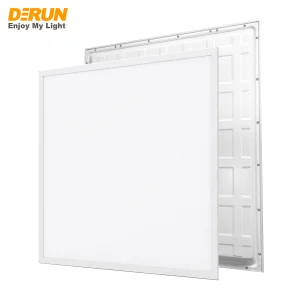
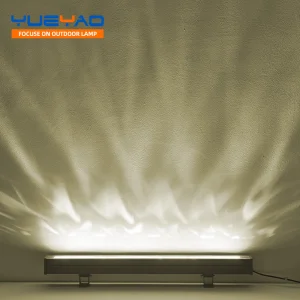
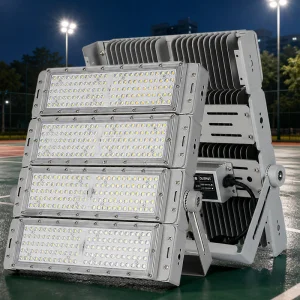
 Lijah Light