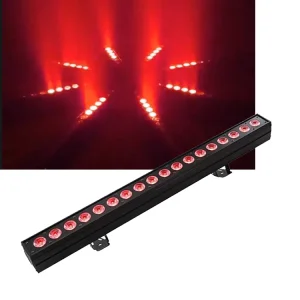
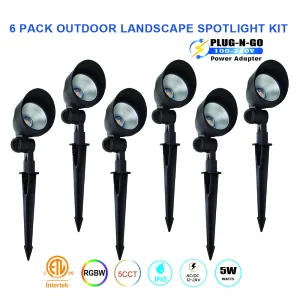
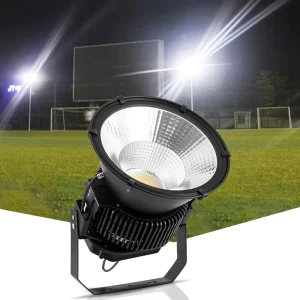
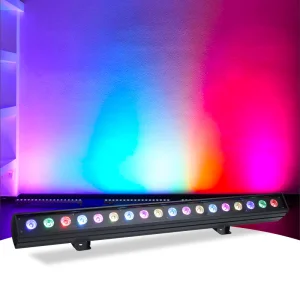
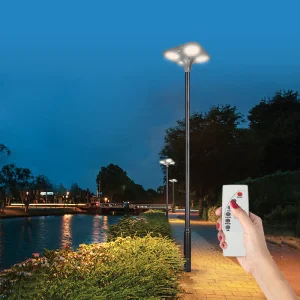
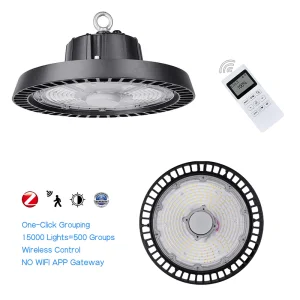
Engineered for durability, optical precision, and energy conservation. Browse our signature models manufactured to rigorous global specifications.
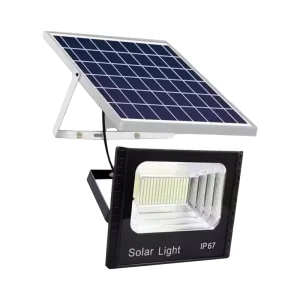
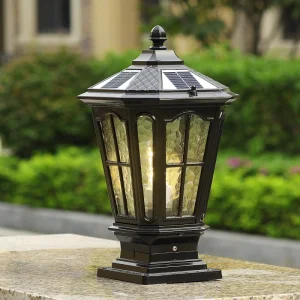
As urban infrastructure evolves, the demand for high-efficiency, architectural-grade public lighting has shifted from simple illumination to smart, highly engineered systems. Modern LED post top lights represent the intersection of optical efficiency, structural design, and environmental integration.
Municipalities, commercial real estate developers, and civil engineering groups worldwide are accelerating the replacement of legacy metal halide and high-pressure sodium (HPS) systems. The motivation goes beyond raw energy reduction. Modern LED Post Top Lights improve spatial safety, increase pedestrian comfort, and significantly decrease light pollution—meeting the strict requirements of Dark Sky Associations globally.
From the public squares of Western Europe to the sprawling pedestrian pathways of North America, project engineers prioritize luminaires that offer specific optical distributions (Type III and Type V), smart-node compatibility (such as NEMA 7-pin interfaces), and outstanding thermal dissipation to guarantee a service life exceeding 100,000 hours.
In commercial zones, post top lighting acts as a visual anchor. High Color Rendering Index (CRI > 80) and customizable Color Temperatures (CCT from 3000K to 5000K) allow designers to create vibrant evening spaces that stimulate local business activity while offering a sense of security.
Moreover, with the rapid deployment of smart city initiatives, post top fixtures serve as ideal physical platforms for environmental sensors, security cameras, and public Wi-Fi modules, requiring suppliers to design products with scalable electrical architectures.
Global B2B lighting buyers, including importers, regional distributors, and lighting contractors, operate under strict regulatory and project environments. Sourcing LED post top lights requires a comprehensive understanding of electrical parameters, material tolerances, and certification systems. Below is an engineering-level breakdown of the key factors that distinguish high-performing products from sub-standard municipal installations.
| Performance Metric | Critical Baseline Standard | Impact on Project Lifecycle |
|---|---|---|
| Luminous Efficacy | ≥ 130 lm/W (up to 160 lm/W for premium projects) | Minimizes wattage requirements; crucial for qualifying for regional energy efficiency subsidies. |
| Optical Classification | Type III (pathway/perimeter) & Type V (circular/symmetrical area) | Ensures precise light distribution; reduces glare and spill light in adjacent properties. |
| LED Chip Integrity | LM-80 & TM-21 test reports (typically Lumileds, Cree, or Bridgelux) | Guarantees lumen maintenance over time; ensures color consistency across years of field exposure. |
| Surge Protection Device (SPD) | 10kV to 20kV integrated protection | Protects the driver against lightning strikes and unstable municipal power grids. |
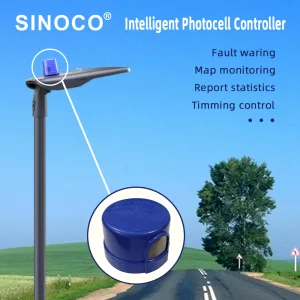
| Smart Control Integration | 3-pin / 5-pin / 7-pin NEMA or Zhaga Book 18 interfaces | Allows plug-and-play installation of photocells, motion sensors, or central management systems. |
Professional buyers must also demand verified IES files to run DIALux calculations. Without accurate photometry, predicting lux levels, uniformity ratios, and glare control (UGR) is impossible, potentially leading to failed site inspections and costly post-installation replacements.
Guangdong Lijah Light Co., Ltd. is a professional manufacturer specializing in the research, development, production, sales, and service of modern, energy-efficient, and intelligent LED lighting solutions. As a technology-driven enterprise, we are committed to providing innovative, reliable, and sustainable lighting products for industrial, commercial, and outdoor applications worldwide.
With years of industry experience, Lijah Light has become a trusted partner for distributors, wholesalers, contractors, and project developers across Europe, Oceania, Southeast Asia, the Middle East, and other international markets. By combining advanced manufacturing technologies with continuous product innovation, we provide customers with high-quality lighting solutions that deliver outstanding performance, long service life, and significant energy savings.
Innovation is the driving force behind our continued growth. Our experienced R&D team works closely with our engineering, marketing, and sales departments to develop advanced lighting solutions that meet the evolving demands of the global market. Through continuous investment in product development and technological innovation, we are able to introduce efficient, reliable, and intelligent lighting products that create greater value for our customers.
Quality is one of our core values. Our manufacturing processes are carried out under a strict quality management system to ensure every product consistently meets international standards. Our LED lighting products comply with CE and RoHS requirements, while many of our key products have also obtained internationally recognized certifications including:
In addition to supplying high-quality LED lighting products, Guangdong Lijah Light provides professional lighting design support through DIALux simulation services. Our experienced engineers assist customers in optimizing lighting layouts, improving energy efficiency, and selecting the most suitable lighting solutions for industrial, commercial, and outdoor projects, helping to reduce installation costs while maximizing lighting performance.
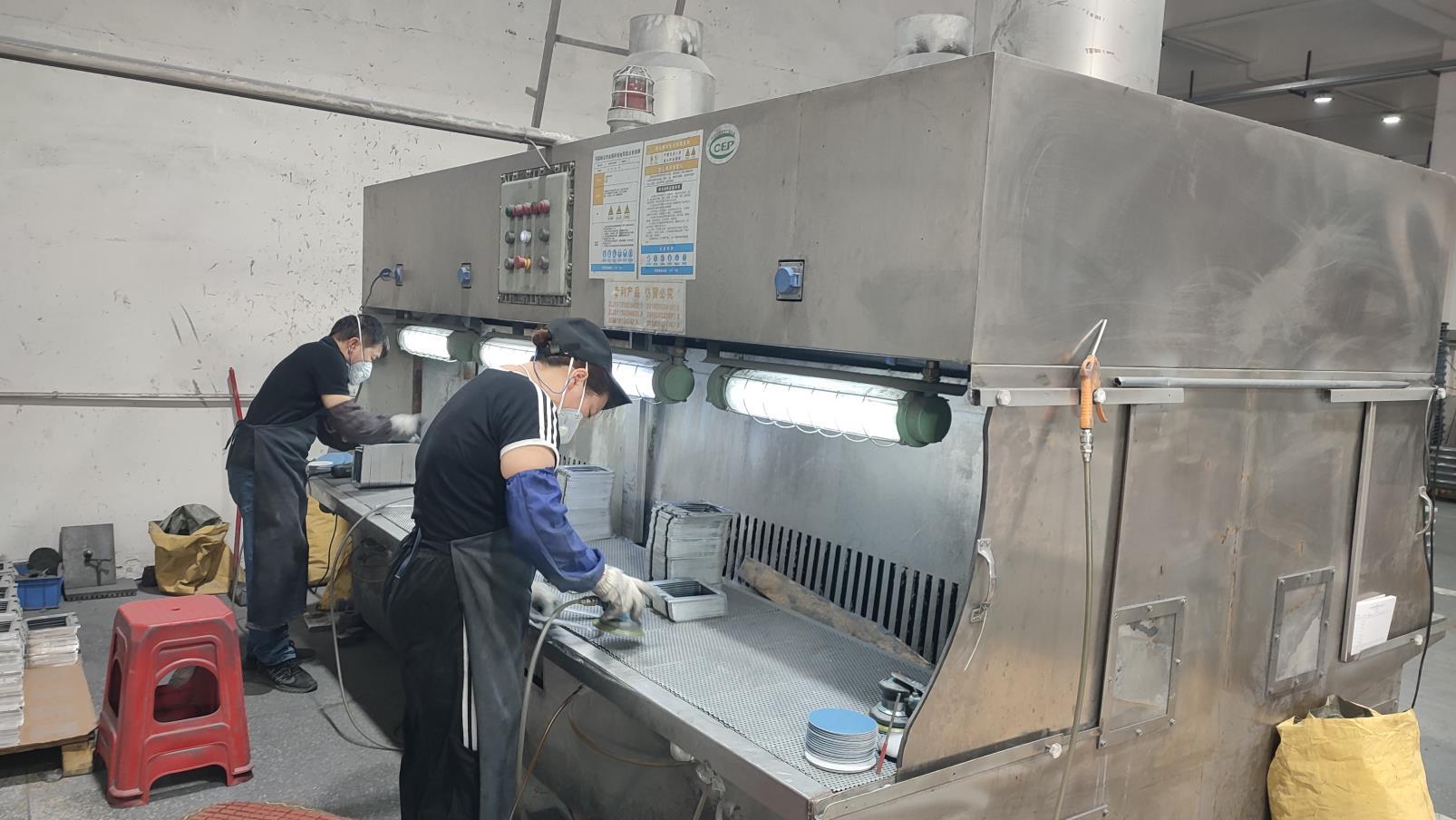
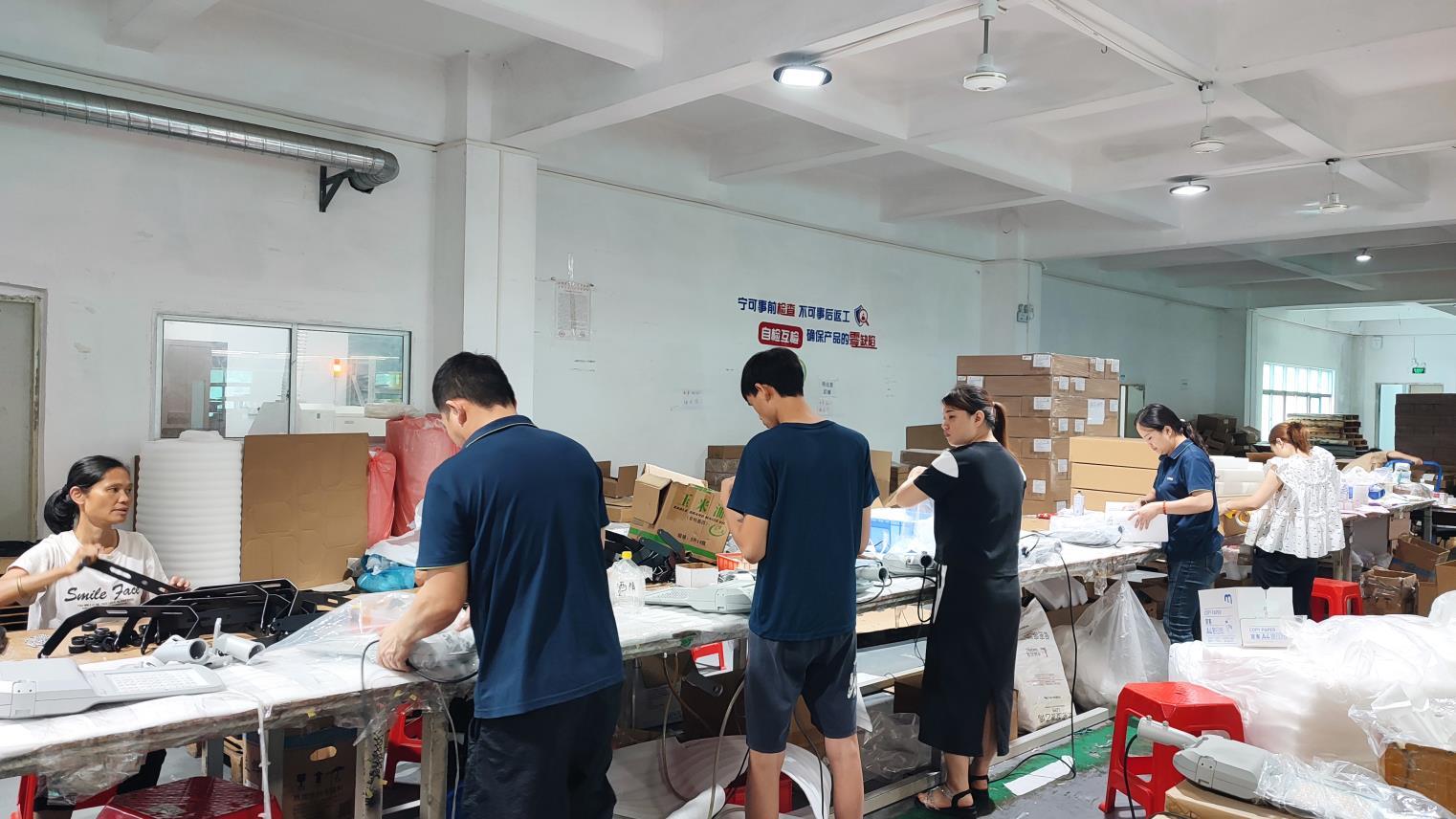
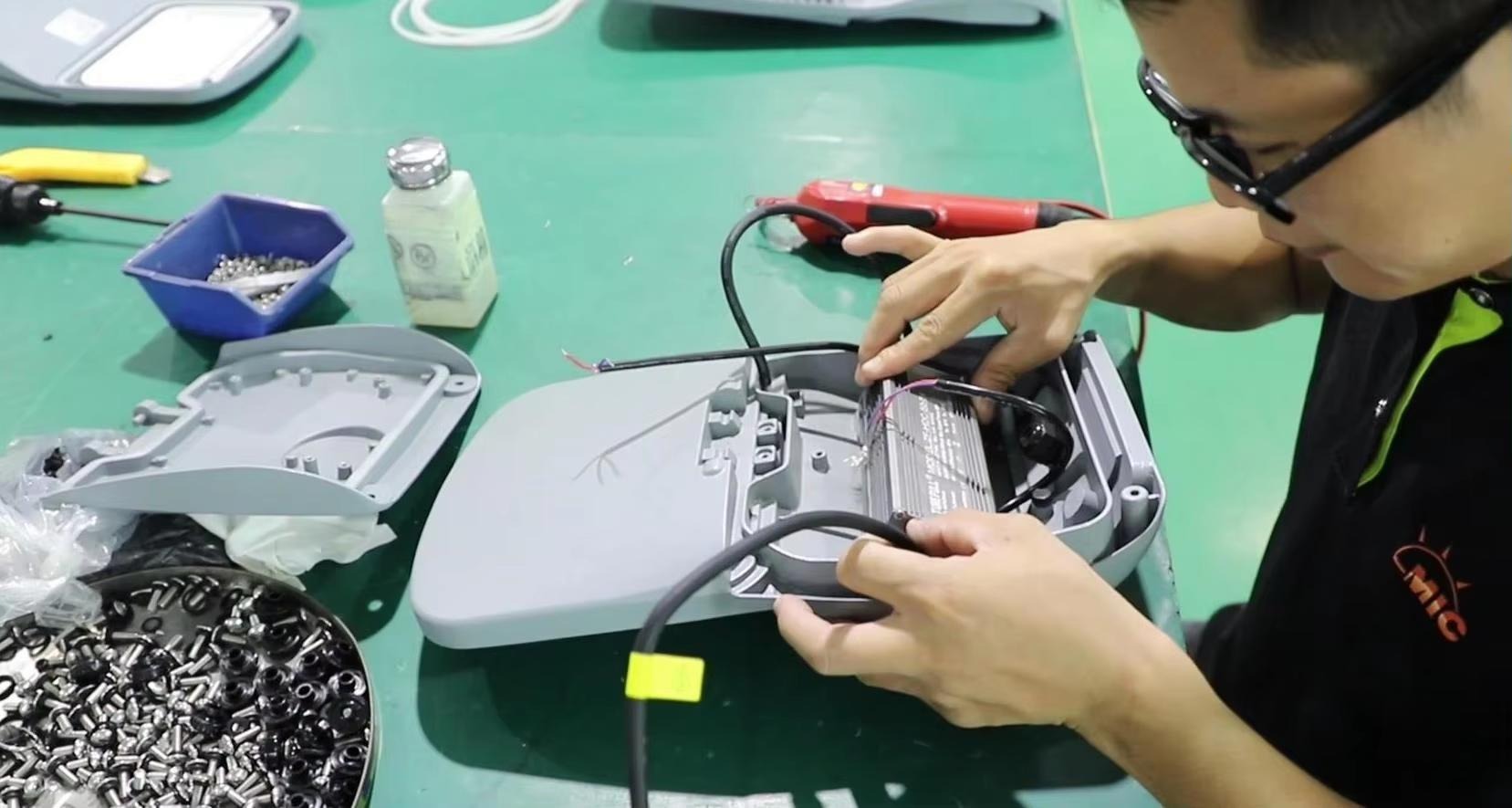
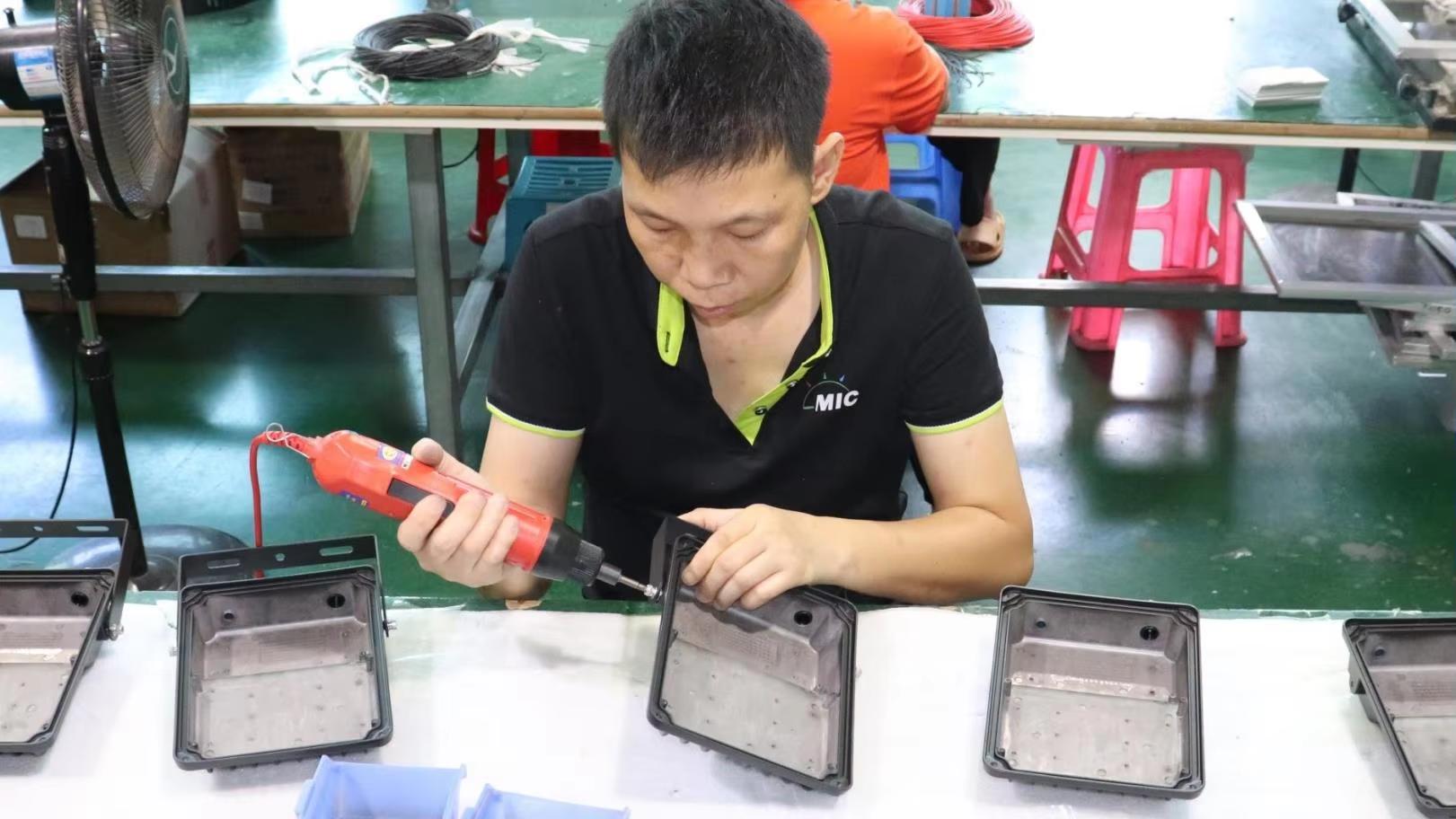
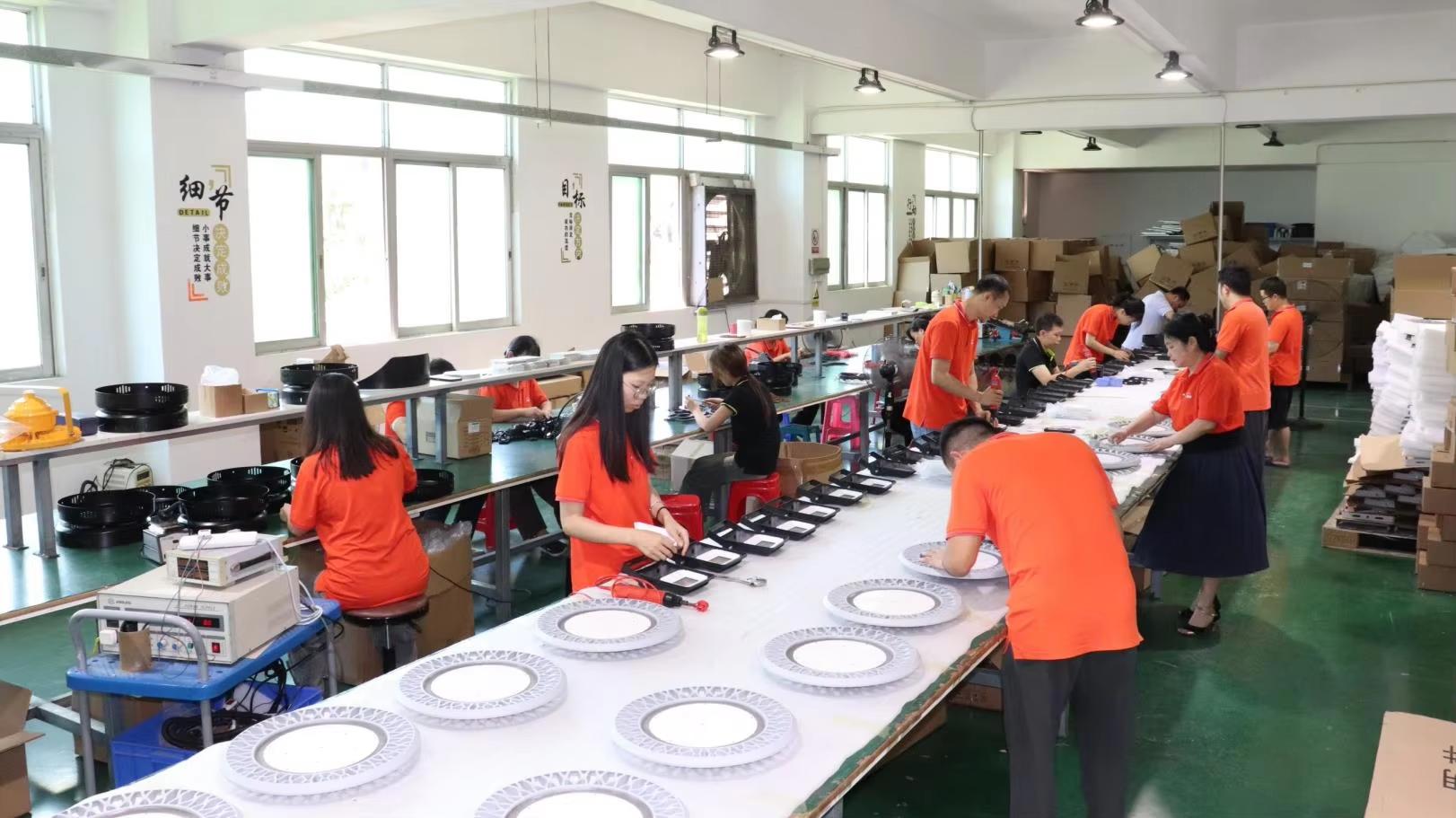
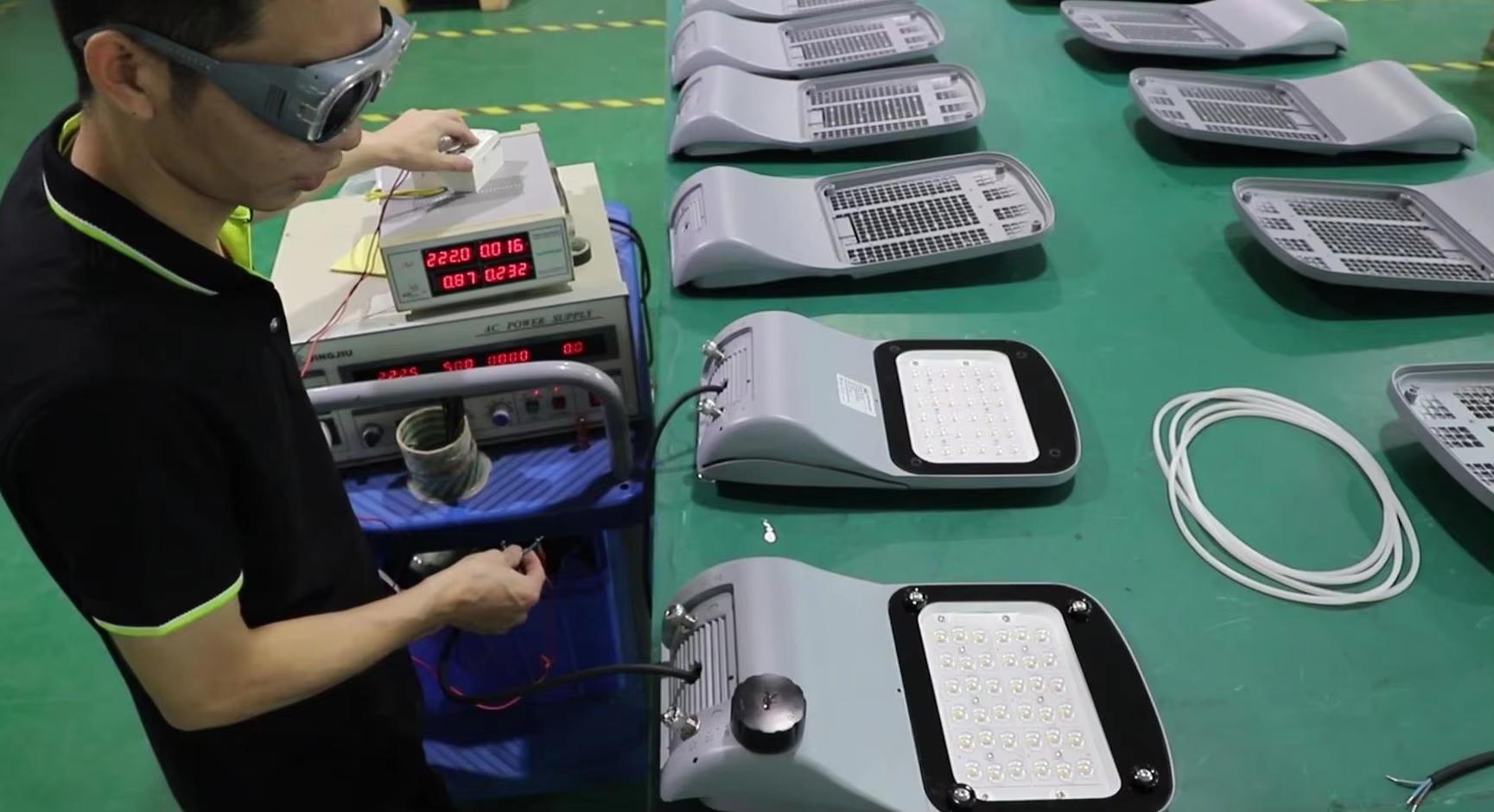
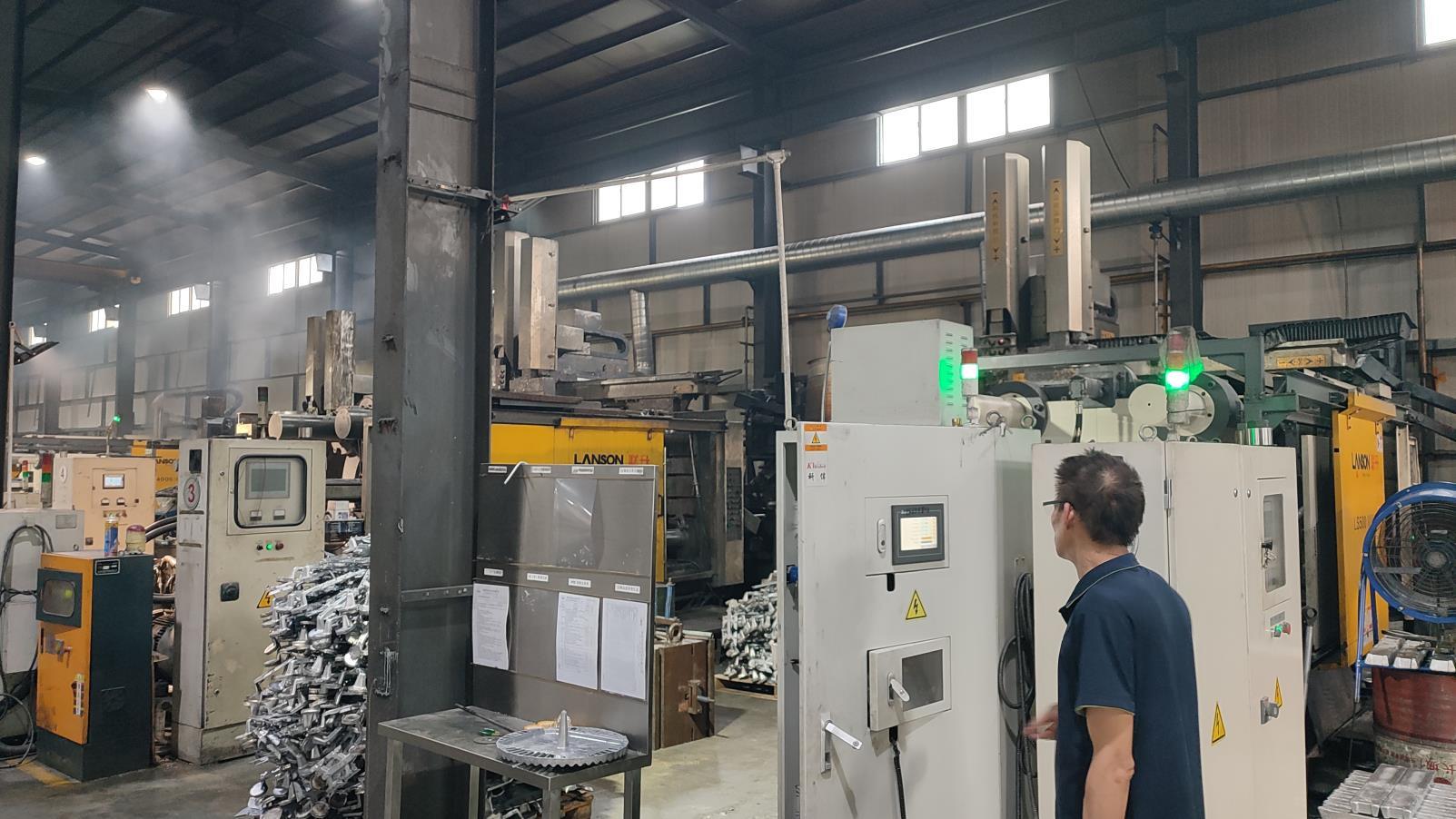
Our state-of-the-art facility integrates advanced die-casting, automated mechanical machining, precision electronics assembly, and strict testing protocols to deliver highly reliable outdoor lighting.
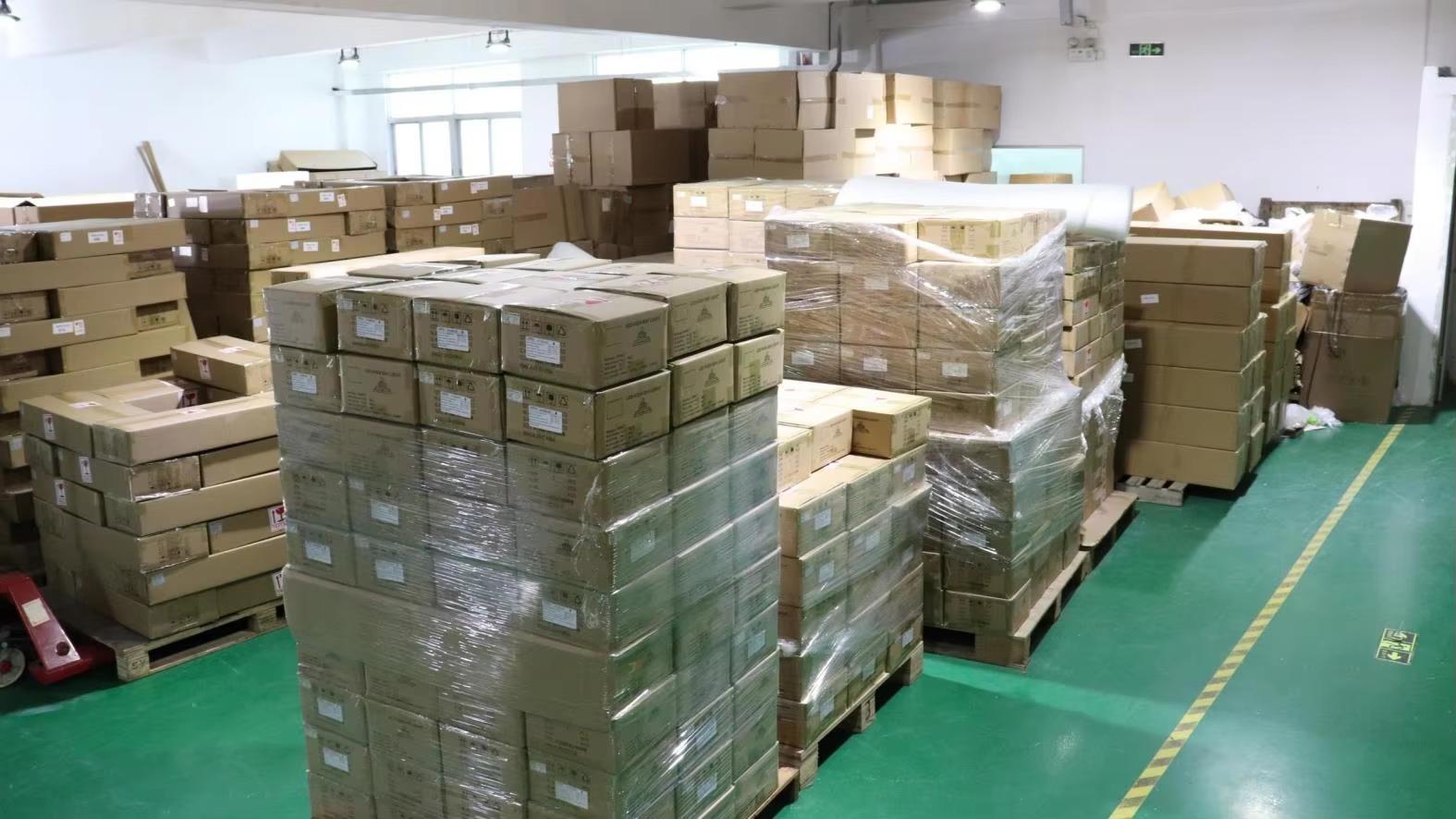
Modern municipal supply chains demand high volume capacity along with flexibility for custom configurations. By utilizing a vertically integrated production line, we oversee the manufacturing process from raw aluminum alloy to the final boxed fixture. This ensures consistent tolerances, stable thermal performance, and dependable quality.
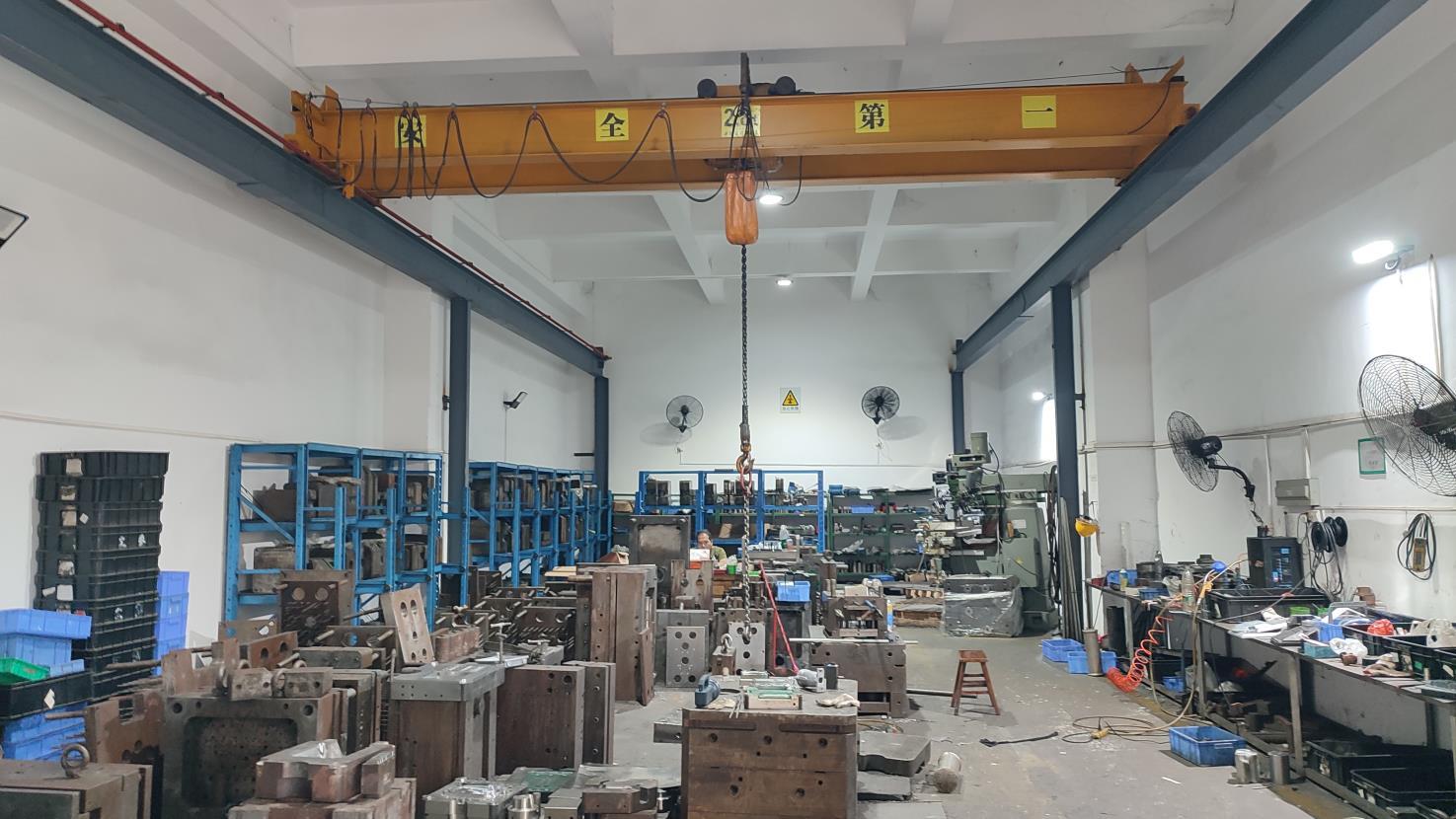
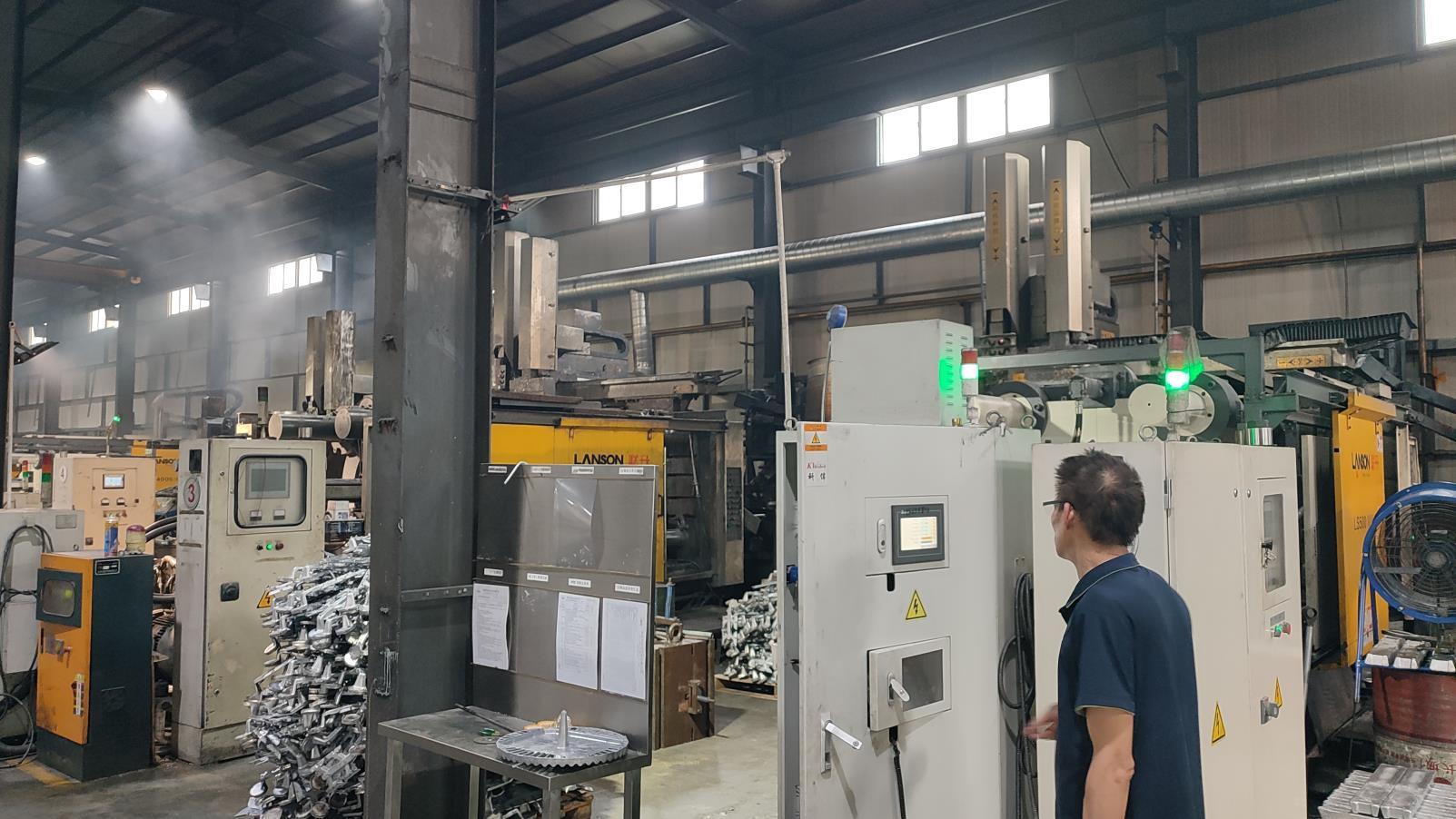
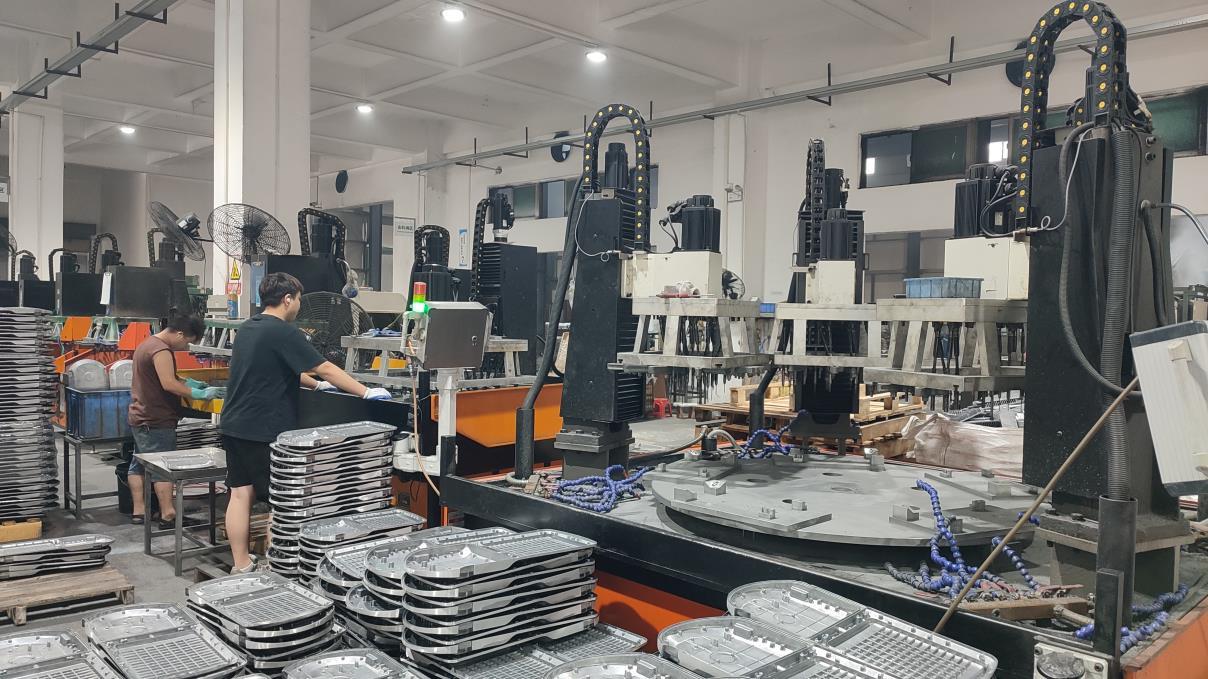
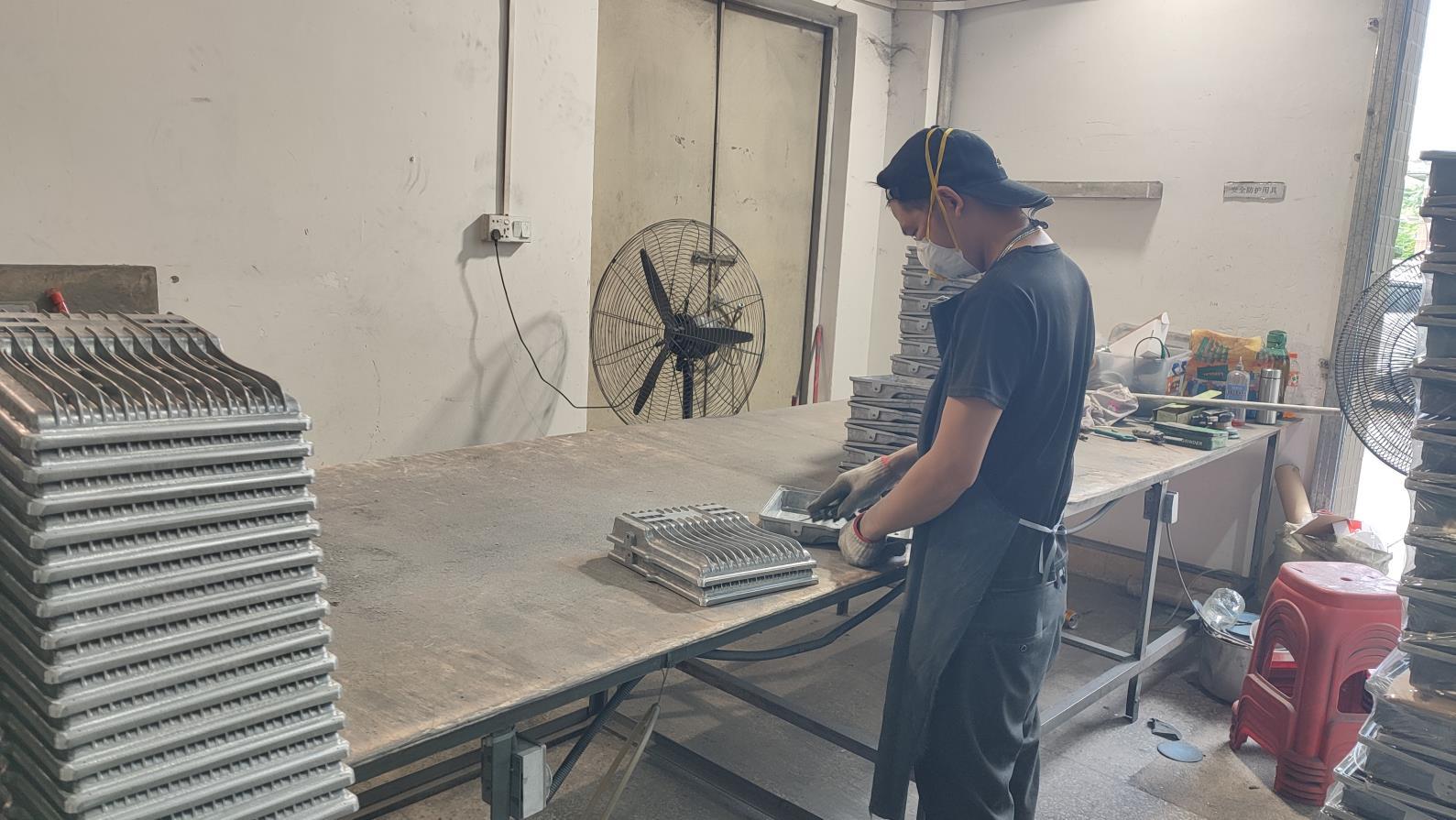
Outdoor lighting requirements differ significantly based on the installation environment. A standard luminaire layout that works well for a commercial plaza may not suit a coastal boardwalk or a college campus pedestrian zone.
Park settings require uniform, low-glare lighting to support visibility and safety for walkers and runners. Symmetrical Type V optical distributions are ideal for open lawns, while Type II linear optics direct light along narrow footpaths. Selecting warm color temperatures (3000K) helps minimize disruptions to local wildlife.
Commercial pedestrian zones focus on aesthetics and color rendering. High CRI (>80) LEDs ensure architectural details and landscaping appear natural. Incorporating smart photocells or motion sensors allows the system to dim during off-peak night hours, optimizing energy usage while retaining basic security illumination.
Coastal installations expose luminaires to high salt fog and humidity. For these environments, we use copper-free die-cast aluminum housings treated with multi-layer thermoset powder coatings. This finish protects the housing against galvanic corrosion and prevents degradation of the ingress seals.
Find detailed answers to key technical questions from engineering buyers and commercial lighting distributors.
Type III optics provide an asymmetric, forward-throw pattern, making them suitable for road perimeters, side paths, and area borders where back-light needs to be minimized. Type V optics distribute light in a symmetrical 360-degree pattern, which is ideal for central parking areas, open plazas, and wide park intersections.
Outdoor post top fixtures must withstand heavy wind loads (Effective Projected Area, or EPA ratings) and harsh weather. Die-cast aluminum (such as ADC12) provides high structural integrity, natural corrosion resistance, and excellent thermal conductivity. Effective thermal management keeps the junction temperature of the LED chips low, ensuring long-term lumen maintenance.
Our products undergo testing in third-party labs to secure CE, RoHS, TÜV, ENEC, VDE, SAA, C-Tick, and CB certifications. We also conduct regular internal tests, including integration sphere evaluations, goniophotometric profiling for IES file generation, IP waterproofing tests, and long-term thermal aging.
We offer 3-pin, 5-pin, and 7-pin NEMA receptacles, as well as modern Zhaga Book 18 sockets. These interfaces allow the integration of wireless control nodes (using protocols like LoRaWAN, Zigbee, or cellular IoT) to enable scheduled dimming, automated fault reporting, and remote power monitoring.
Yes, our engineering team provides full DIALux simulation services. Buyers submit their site layout drawings, target lux levels, mounting heights, and pole locations, and we generate a detailed calculation showing light distributions, uniformity ratios, and a complete bill of materials.
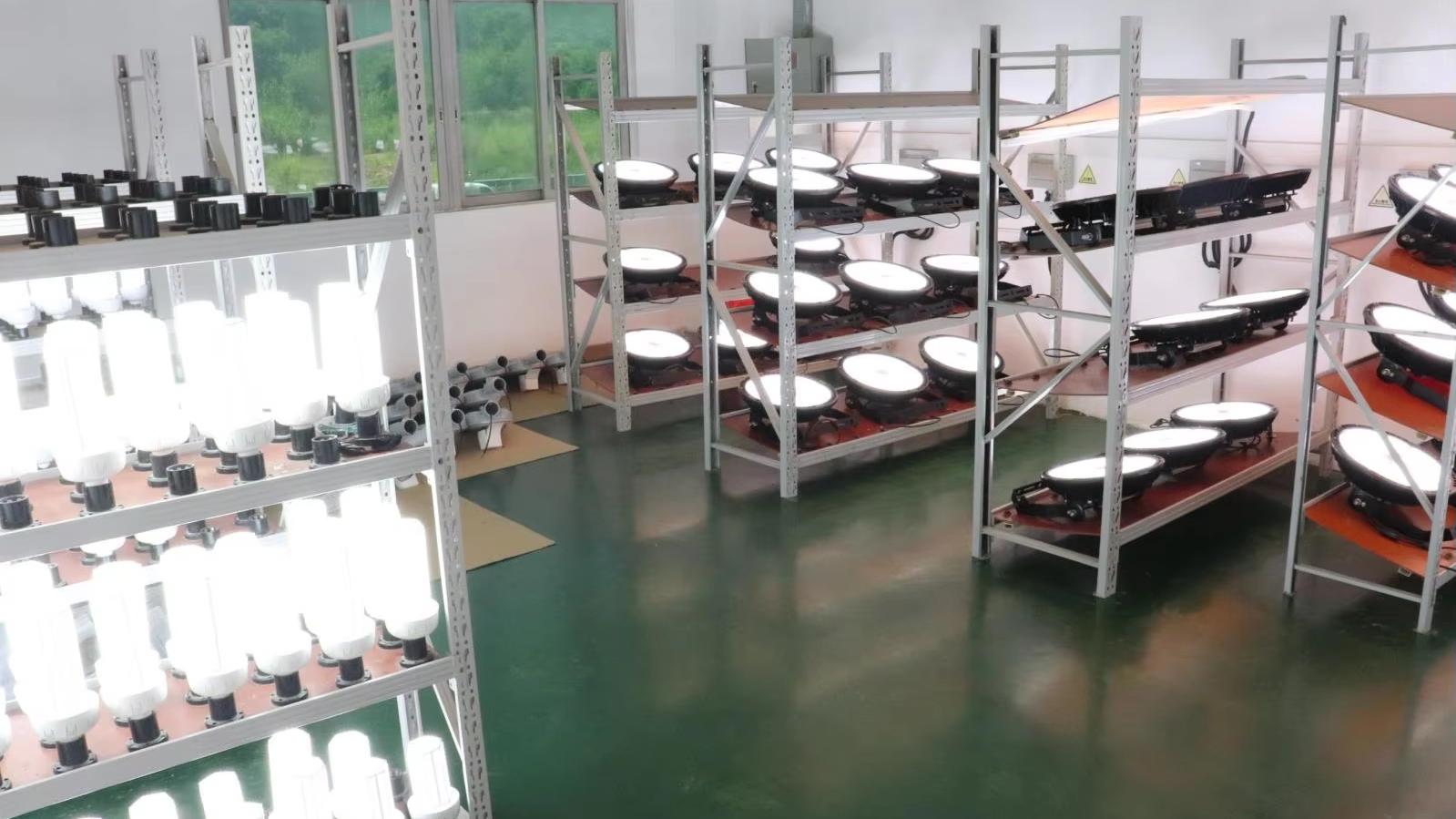
Our manufacturing line subjects every fixture to a continuous aging test (typically 24 to 48 hours) under full thermal load. This process helps identify potential infant mortality failures in drivers and LED diodes prior to packaging, helping maintain a low field failure rate.
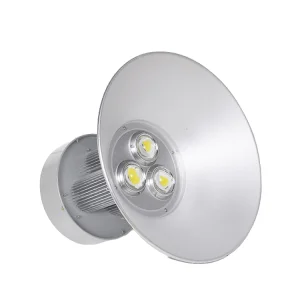
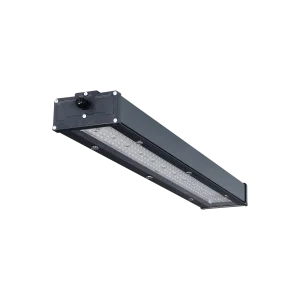
High-wattage floodlighting, specialized interior industrial high-bays, and commercial downlights designed to perform in challenging environments.
 Lijah Light