The global architectural and commercial lighting landscape is undergoing a structural transition. LED Under Cabinet Lighting is no longer treated as a purely secondary aesthetic element; instead, it has evolved into a key component of functional task lighting, workspace optimization, and localized safety design. Whether utilized in residential high-end kitchens, laboratory cleanrooms, commercial pantries, or manufacturing assembly benches, the demand for precision-engineered, under-shelf, and under-cabinet fixtures is surging.
Modern commercial workspaces demand circadian-aligned lighting profiles. Tunable White technology allows under cabinet fixtures to dynamically shift from a crisp 6000K daylight tone for high-precision daytime tasks to a warm 2700K environment for relaxed evening ambient requirements, balancing human energy cycles and improving occupant focus.
For culinary preparation, electronic inspection, and chemical labs, rendering colors accurately is critical. Modern procurement departments prioritize suppliers offering a high R9 value (rendering saturated reds) and a general CRI exceeding 90, reducing errors and enhancing visibility in safety-critical environments.
Hand-wave sensors, capacitive touch control, and integration with Zigbee, Matter, and Wi-Fi networks are standard configurations. Dynamic sensing eliminates manual switch contact, ensuring sanitary conditions in cleanrooms and food prep stations.
International procurement managers sourcing under cabinet lighting for distribution networks, retail brands, or large-scale construction developments face strict criteria. Sourcing is no longer just about unit cost; it encompasses regulatory compliance, design versatility, and logistics efficiency.
| Buyer Category | Primary Technical Criteria | Critical Sourcing Requirements | Regulatory Priorities |
|---|---|---|---|
| Wholesalers & Distributors | Modular connections, multi-CCT switchable design, compact drivers. | Minimum order flexibility, customizable packaging, stable pricing. | CE, RoHS, VDE, SAA, CB |
| Commercial Project Contractors | High lumens per watt (lm/W), seamless mechanical joining, long-term stability. | DIALux lighting simulations, custom lengths, prompt logistics. | TÜV, ENEC, UL/DLC (US markets) |
| Retail Brands (OEM/ODM) | Ultra-thin housing designs, touchless controls, elegant packaging. | Exclusive tooling rights, high volume capacity, prototyping speed. | LM79, LM80, C-Tick |
Ensuring compliance with localized certifications is the foundation of market access. In Europe, the ENEC and VDE marks signal conformity with safety standards, while the CE and RoHS designations guarantee environmental compatibility. In Oceania, the SAA and C-Tick certifications are mandatory, whereas North American developers require UL or DLC listing to qualify for municipal energy rebate programs.
Guangdong Lijah Light Co., Ltd. is a professional manufacturer specializing in the research, development, production, sales, and service of modern, energy-efficient, and intelligent LED lighting solutions. As a technology-driven enterprise, we are committed to providing innovative, reliable, and sustainable lighting products for industrial, commercial, and outdoor applications worldwide.
With years of industry experience, Lijah Light has become a trusted partner for distributors, wholesalers, contractors, and project developers across Europe, Oceania, Southeast Asia, the Middle East, and other international markets. By combining advanced manufacturing technologies with continuous product innovation, we provide customers with high-quality lighting solutions that deliver outstanding performance, long service life, and significant energy savings.
Innovation is the driving force behind our continued growth. Our experienced R&D team works closely with our engineering, marketing, and sales departments to develop advanced lighting solutions that meet the evolving demands of the global market. Through continuous investment in product development and technological innovation, we are able to introduce efficient, reliable, and intelligent lighting products that create greater value for our customers.
Quality is one of our core values. Our manufacturing processes are carried out under a strict quality management system to ensure every product consistently meets international standards. Our LED lighting products comply with CE and RoHS requirements, while many of our key products have also obtained internationally recognized certifications including TÜV, ENEC, VDE, SAA, C-Tick, CB, LM79, and LM80. These certifications demonstrate our commitment to product safety, environmental responsibility, and manufacturing excellence.
In addition to supplying high-quality LED lighting products, Guangdong Lijah Light provides professional lighting design support through DIALux simulation services. Our experienced engineers assist customers in optimizing lighting layouts, improving energy efficiency, and selecting the most suitable lighting solutions for industrial, commercial, and outdoor projects, helping to reduce installation costs while maximizing lighting performance.
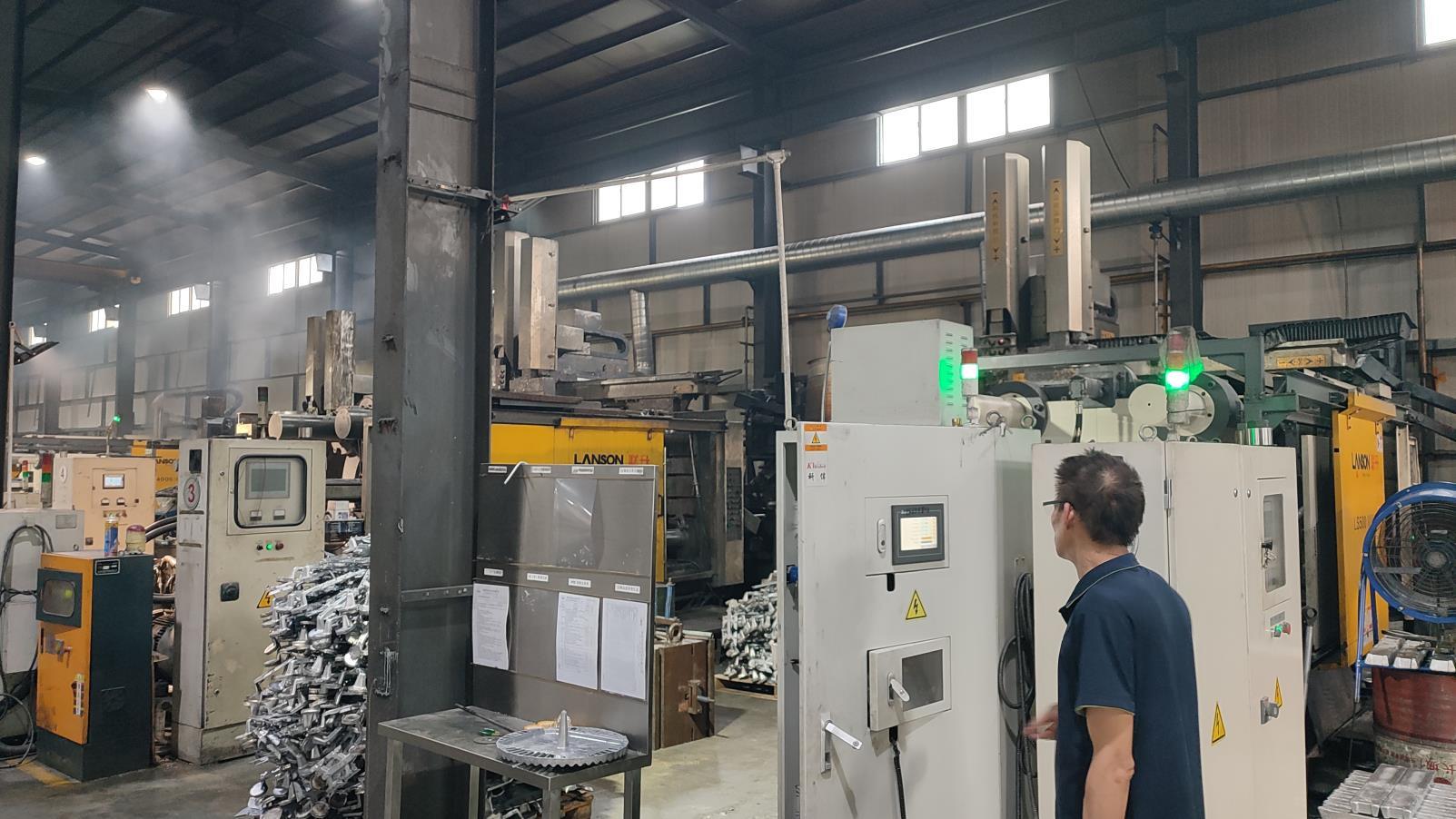
By leveraging advanced automation and integrated manufacturing pipelines, Guangdong Lijah Light Co., Ltd. embodies the principles of China’s Industry 4.0. From raw aluminum ingot to final packaging, every step of our manufacturing workflow is monitored, measured, and verified. This end-to-end integration reduces lead times by up to 35% compared to non-integrated suppliers, while ensuring total consistency in dimensional tolerance and optical output.
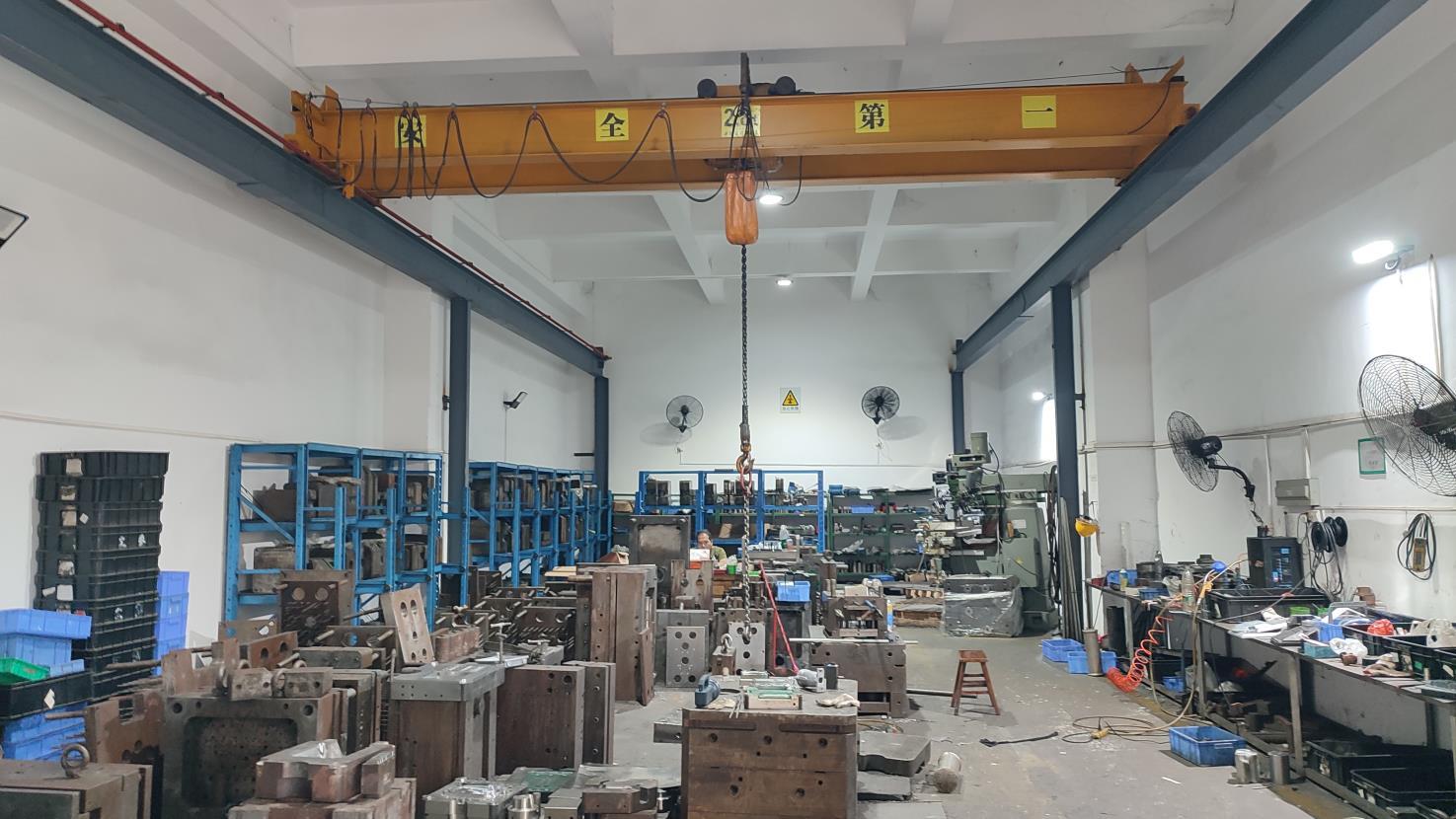
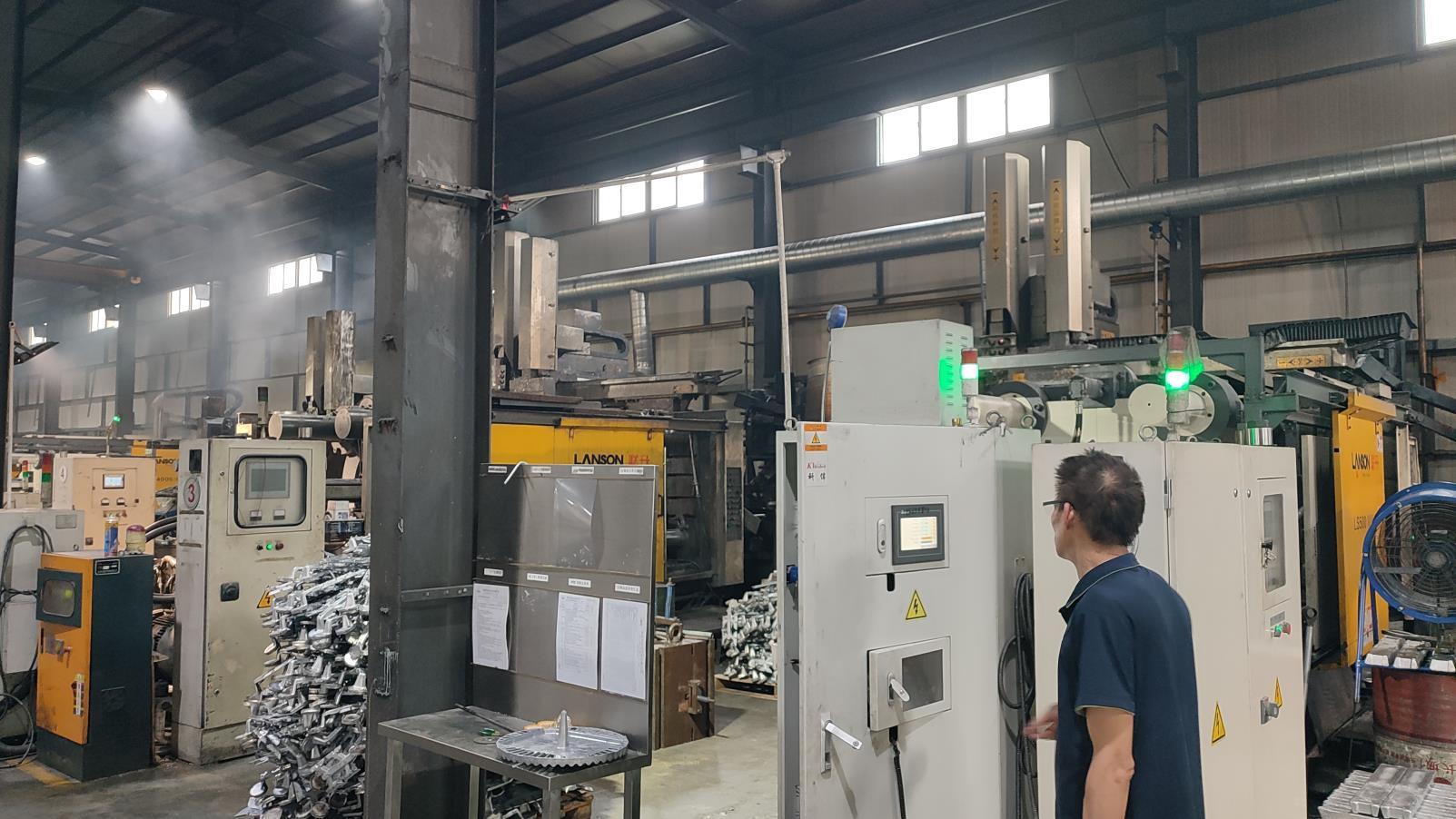
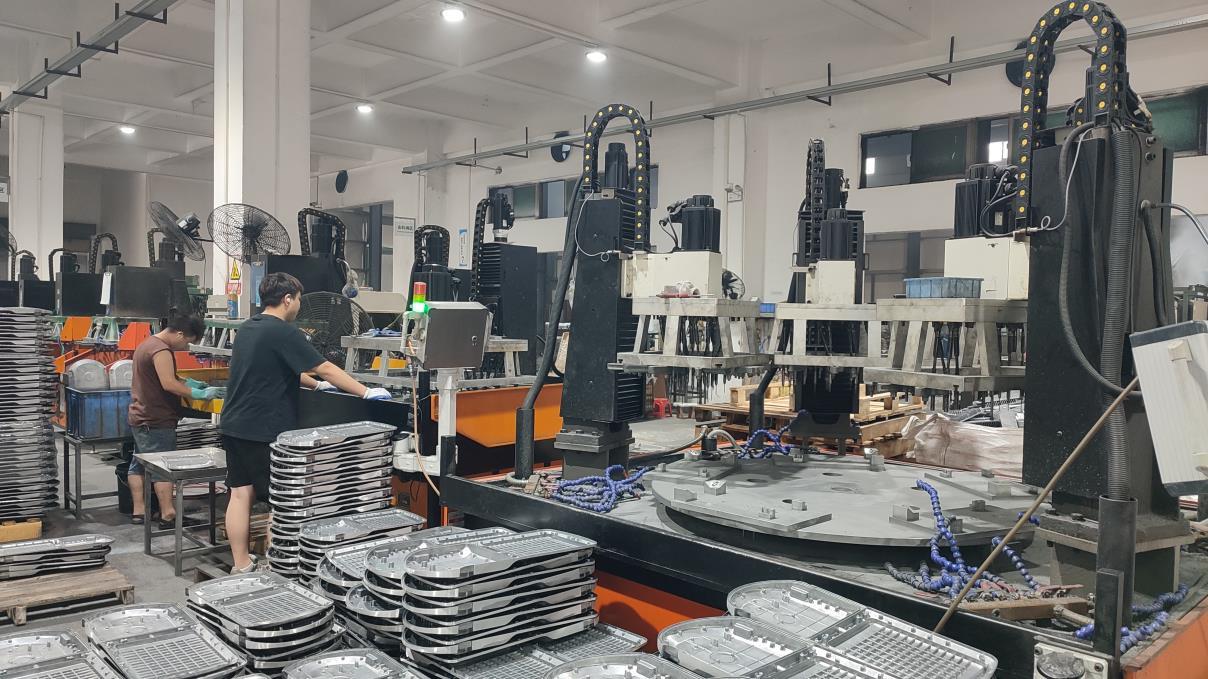
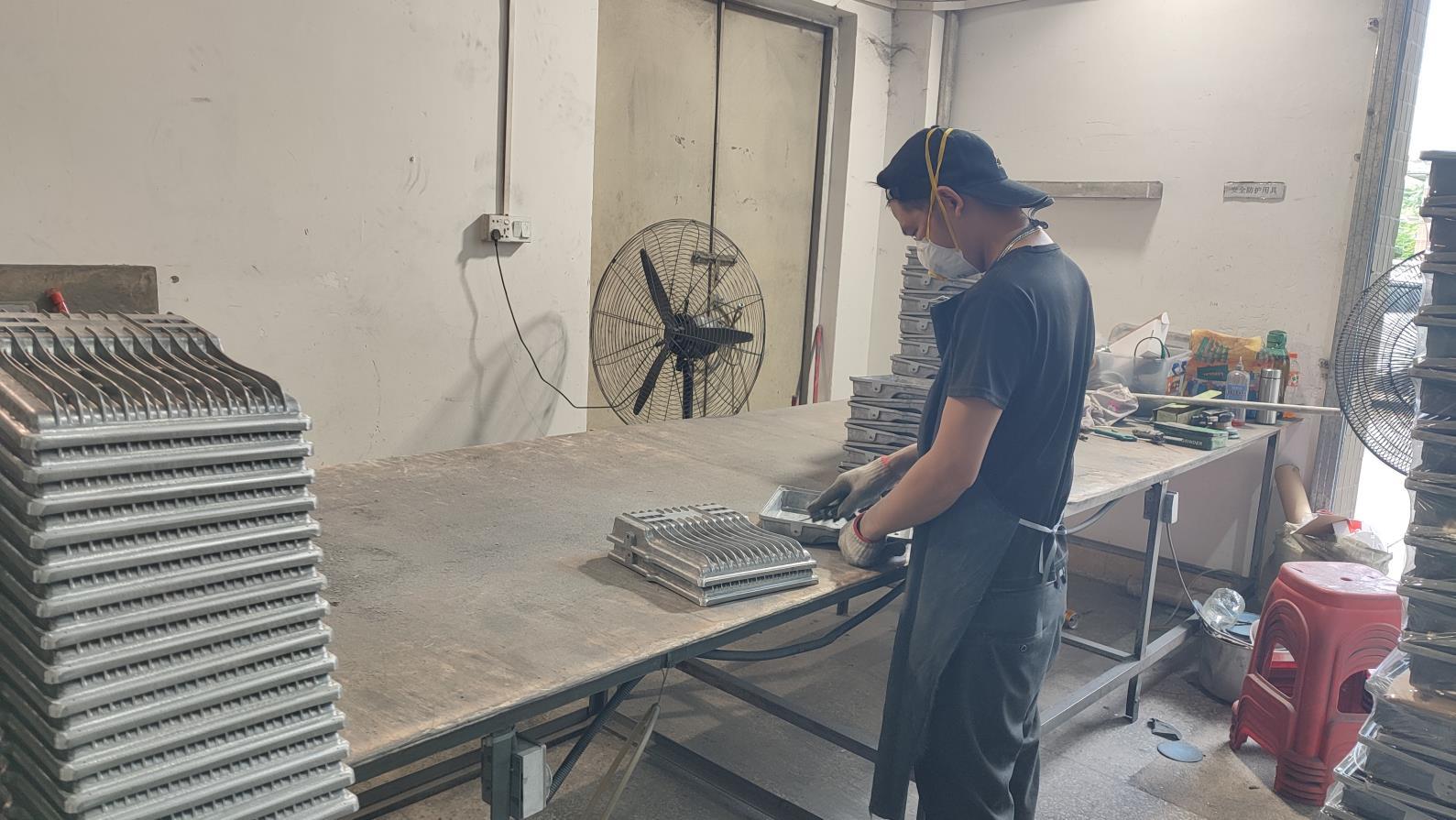
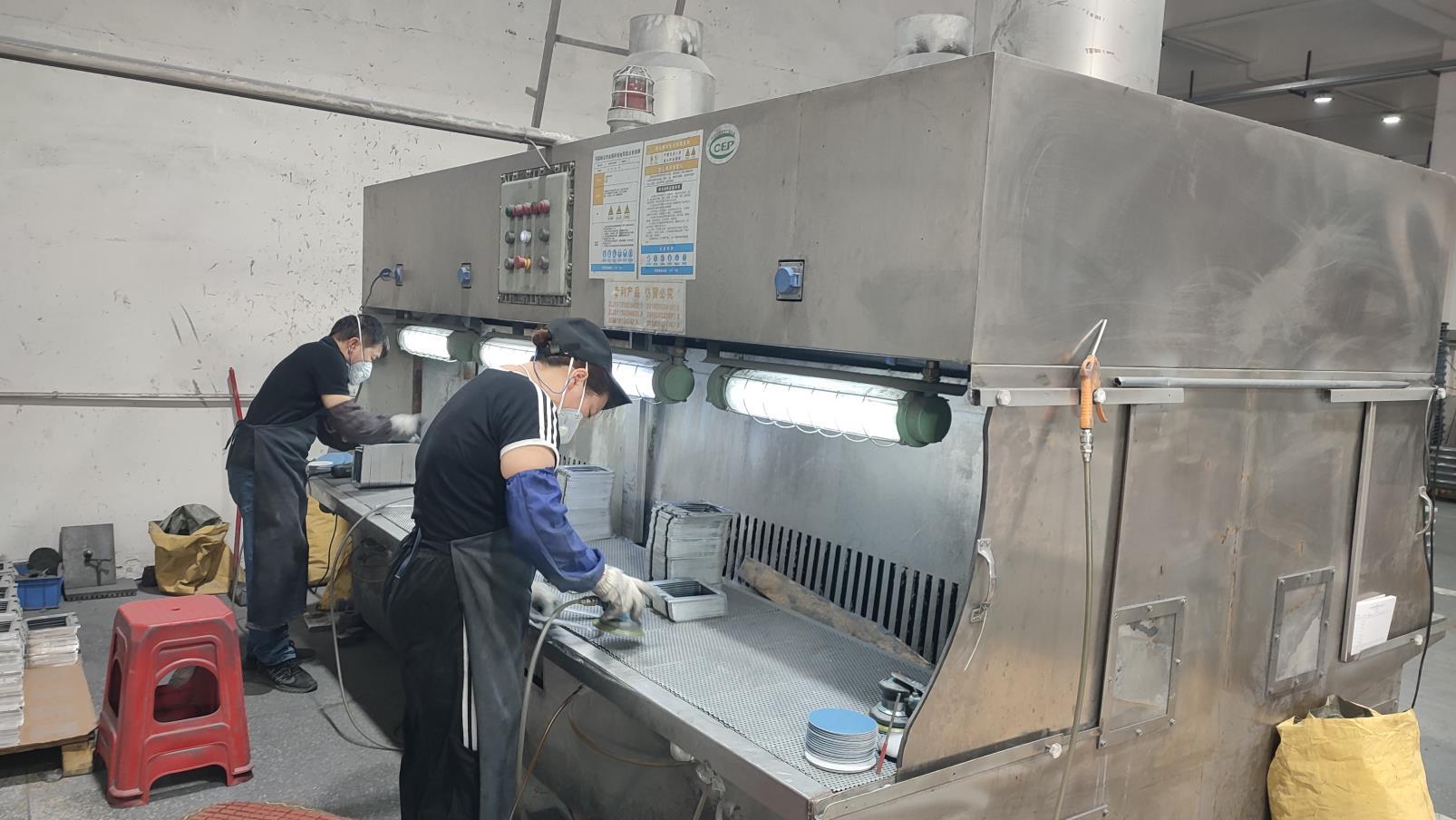
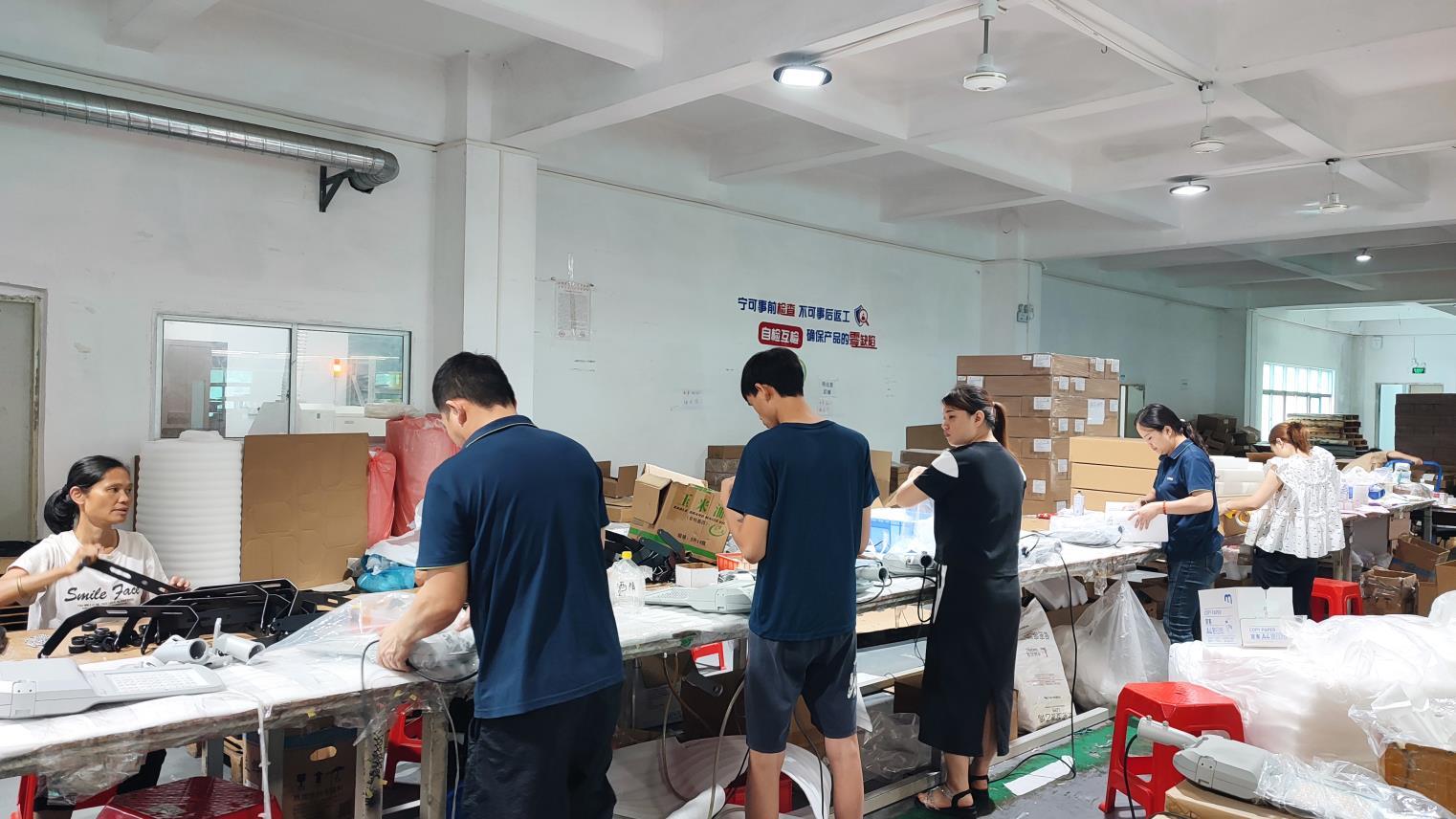
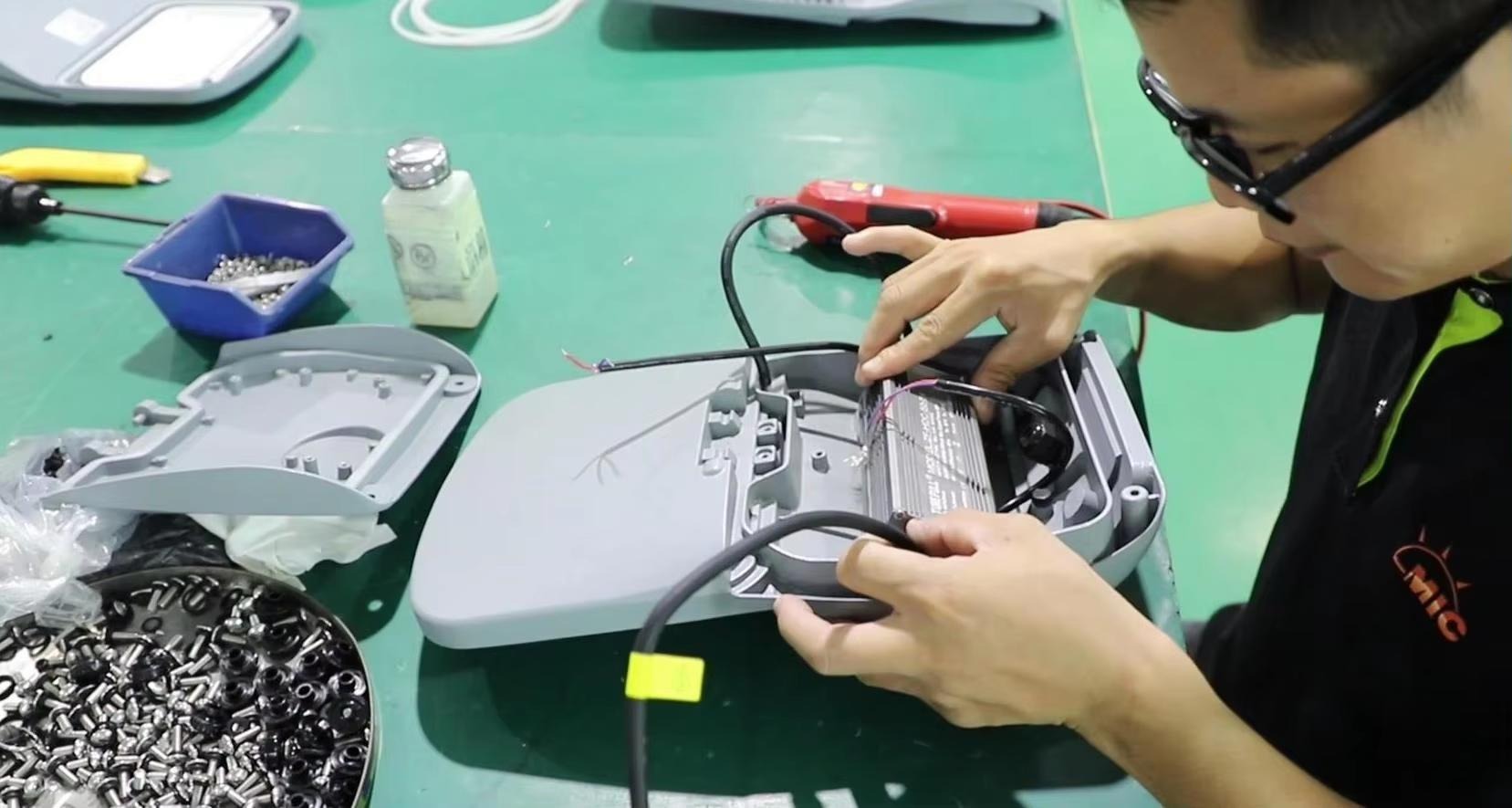
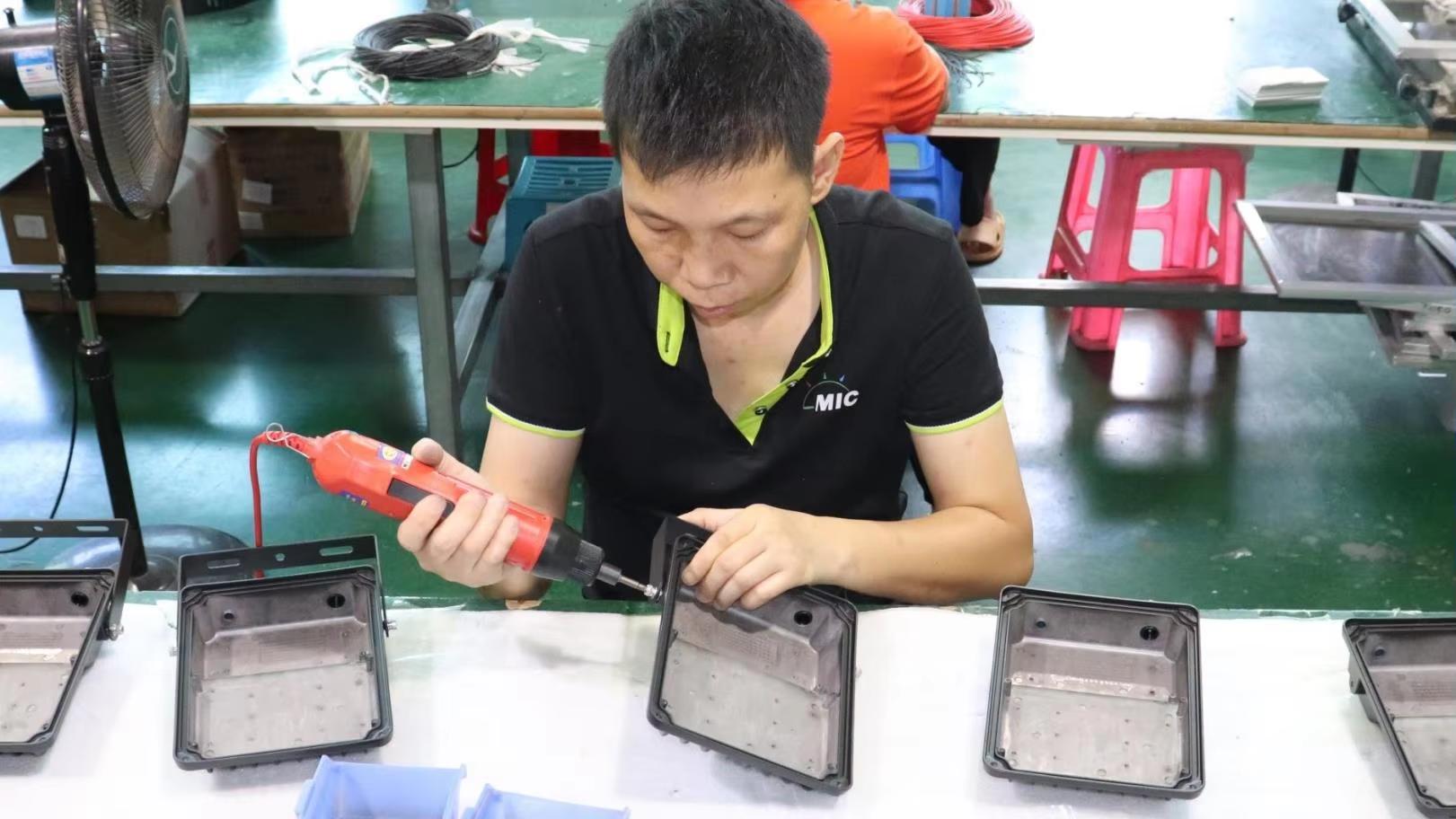
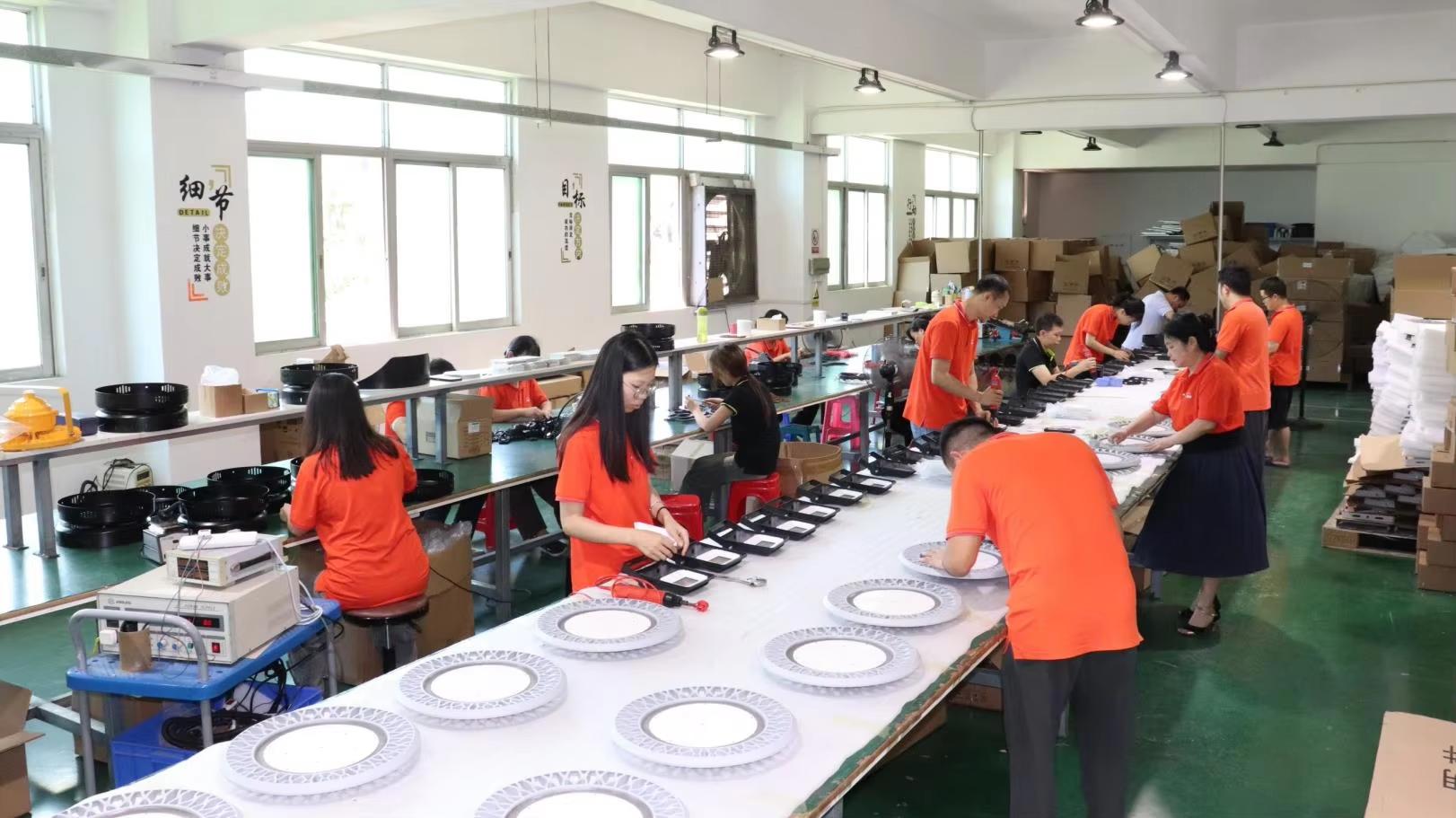
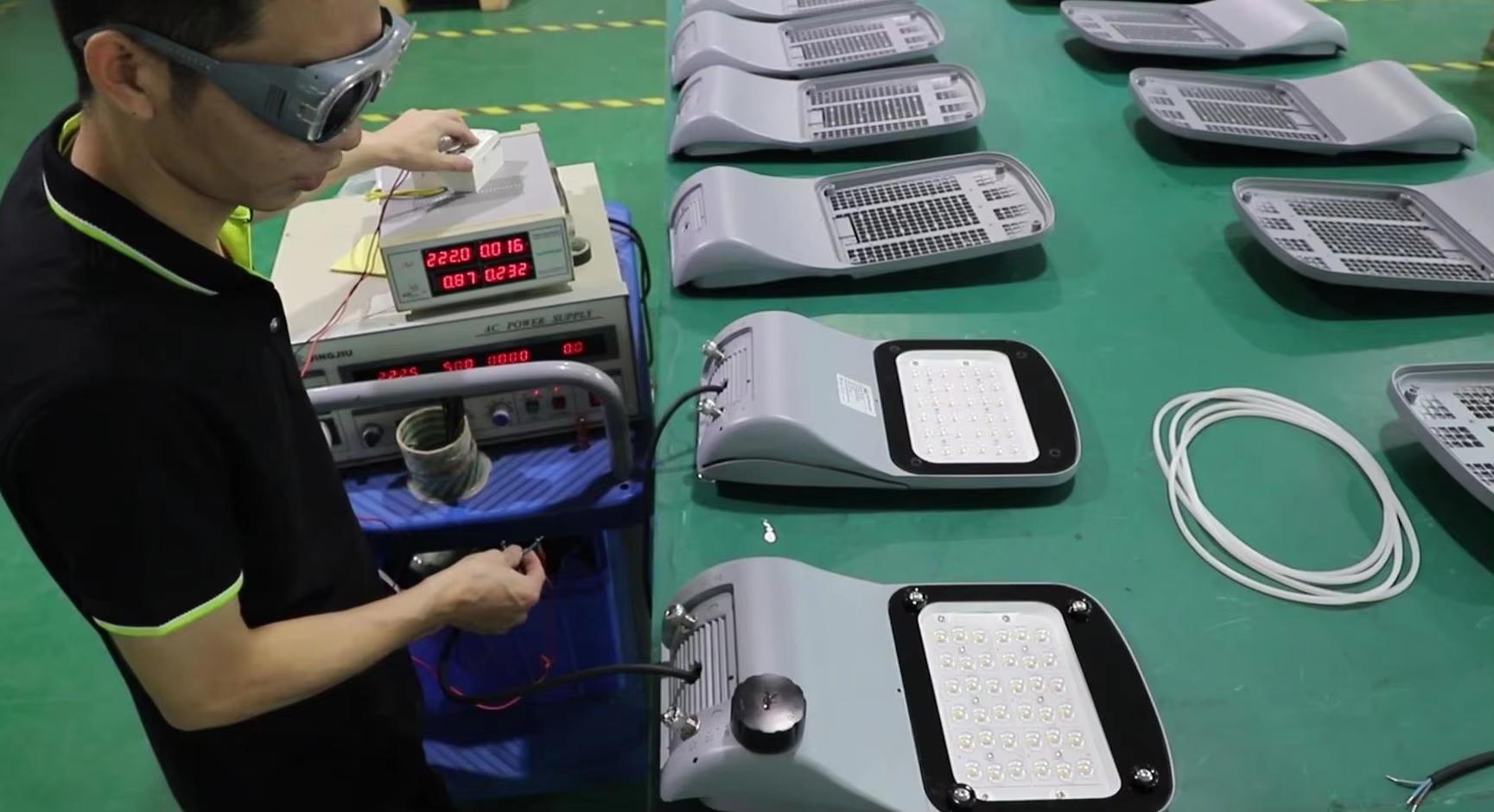
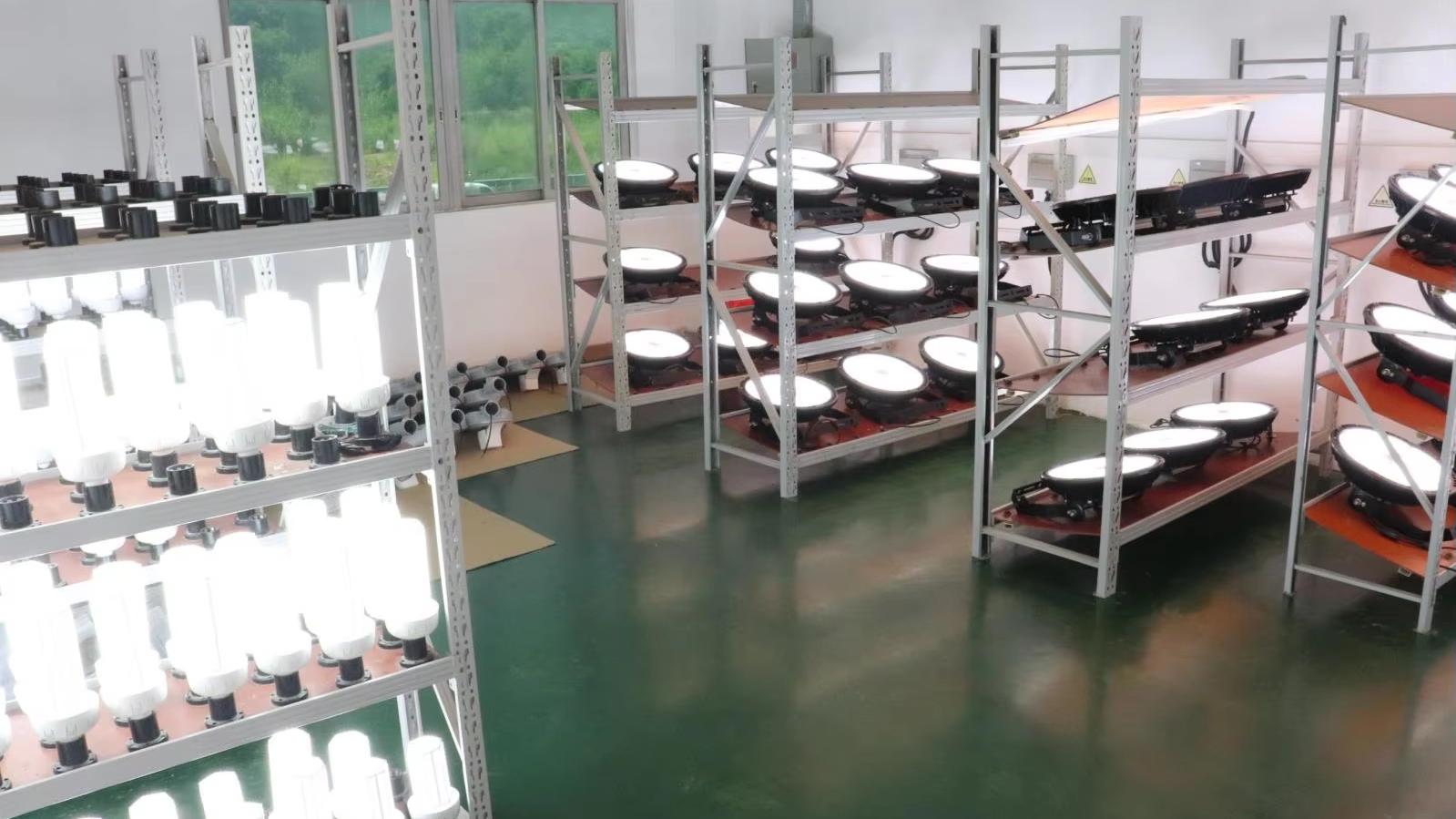
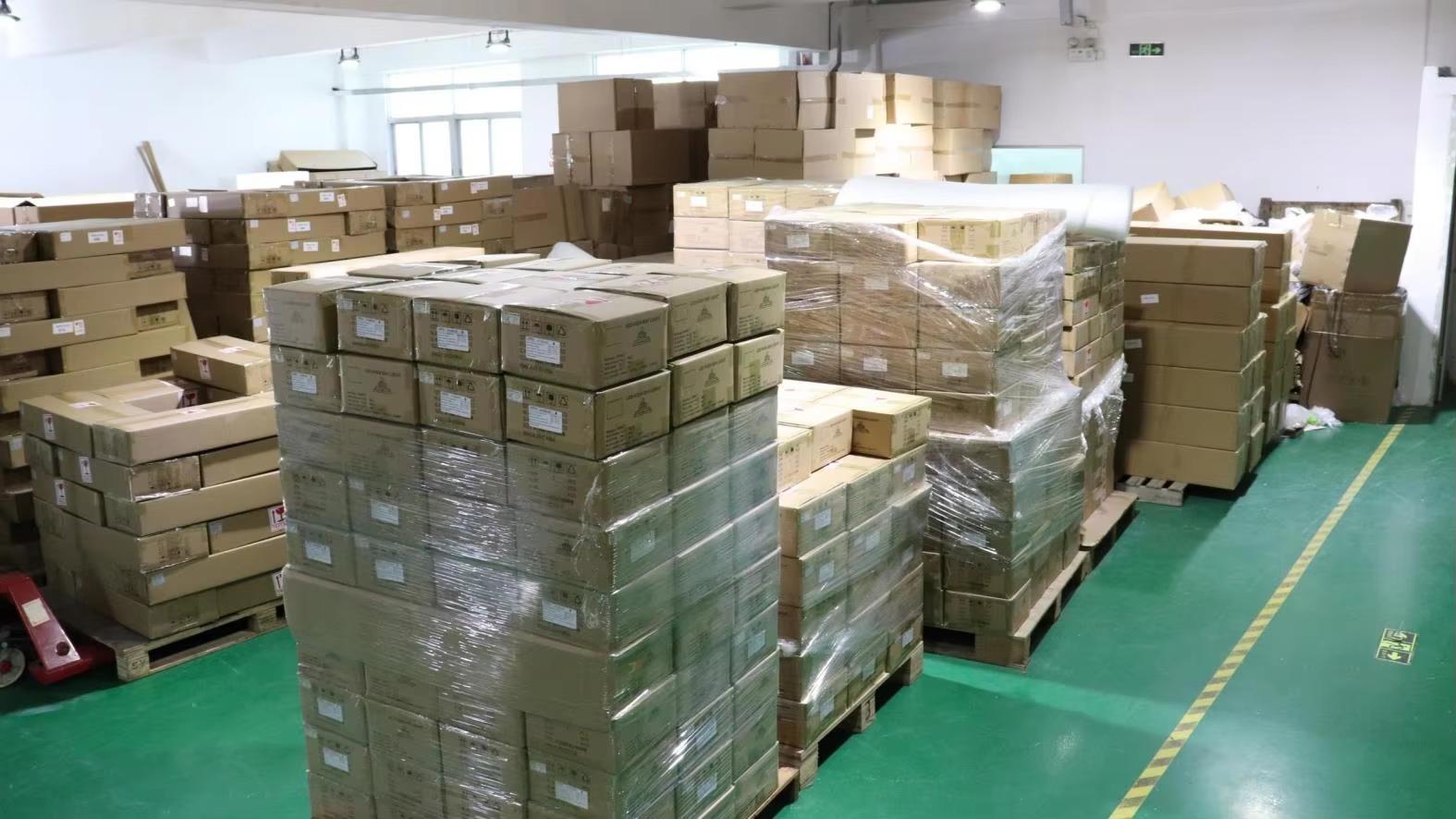
Under cabinet lighting applications vary significantly based on spatial architecture and local regulatory environments. Modern project planners design systems specifically targeted to resolve environmental constraints:
Kitchen environments produce steam, airborne grease, and localized heat. Under cabinet lights in these zones require a minimum of IP44 protection, smooth profiles that are easy to wipe clean, and a high color rendering index to ensure culinary safety and quality control.
Scientific cleanrooms require fixtures that are completely dust-tight and resistant to chemical sanitization. Heavy anodized aluminum housings with IP65 vapor-tight protection, combined with non-glare diffusers, prevent physical fatigue for lab technicians over extended inspection shifts.
For high-end merchandise, precision lighting is essential. UV-free LED emissions, combined with narrow beam optics and high CRI (95+), prevent thermal or photo-degradation of sensitive exhibits or luxury items while maximizing visual impact.
By employing professional DIALux simulation reports prior to deployment, Guangdong Lijah Light Co., Ltd. ensures that target illumination parameters (measured in lux) are precisely met, preventing over-specification and reducing unnecessary power consumption across global installations.
Analyzing the strengths of global market leaders provides essential insight for B2B buyers looking to optimize their supply chains:
Location: China. Known for cutting-edge Industry 4.0 integrated manufacturing, comprehensive international testing certifications (TÜV, ENEC, VDE, SAA), and detailed DIALux project simulation support.
Location: Netherlands. Leading the market in high-end consumer smart home integration, wireless mesh networking (Zigbee), and advanced dynamic ambient color-changing kits.
Location: Germany. Renowned for architectural hardware and premium integrated furniture LED systems, featuring plug-and-play modular connectivity.
Location: Germany / USA. Focuses on premium display lighting for commercial retail, high-efficiency task applications, and custom furniture integration.
Location: USA. Focuses on spec-grade architectural under cabinet fixtures, multi-CCT settings, and high-performance custom commercial components.
Location: USA. Specializes in versatile, low-profile LED paper-thin panels, flexible tape lights, and customized cabinet systems for commercial contractors.
Location: China. Large-scale domestic and international exporter of standard LED fixtures, offering cost-competitive mass production and broad retail reach.
Location: Canada. Specialist in architectural accentuation, rugged design characteristics, and certified safety runs for extreme ambient installations.
Location: USA. Provides architectural-grade linear systems, micro-fluorescent replacement LEDs, and robust custom extrusion services.
Location: USA. A leading name in residential kitchen and task lighting, offering traditional builder packages alongside modern low-voltage systems.
24V DC reduces voltage drop over longer linear distances. Because voltage drop is directly proportional to current draw, higher operating voltage halves the current for the same wattage output, enabling longer continuous runs without visual dimming at the far end of the fixture.
LM-80 is an IESNA-approved standard that measures the lumen maintenance of LED packages over time (typically 6,000 to 10,000 hours). Combined with TM-21 extrapolation calculations, it verifies that the product will not suffer rapid lumen degradation, ensuring the fixture maintains its brightness for its rated lifespan.
COB technology packs LEDs closer together on a single substrate, creating a continuous, dot-free line of light without the need for thick diffusers. SMD options are more common for lower-cost general illumination, but require a frosted cover to eliminate distracting glare on polished countertops.
Our factory employs automated sorting systems to ensure color-bin consistency (within a 3-step MacAdam Ellipse). This guarantees that every fixture ordered matches in color temperature, preventing noticeable color shifts when multiple units are installed side-by-side.
DIALux software allows electrical engineers and developers to build 3D models of a project site and simulate exact lighting performance. Sourcing managers can verify that selected products will meet target lux levels before ordering, minimizing construction delays and design modifications.
For Europe, products must bear the CE mark, satisfy RoHS directives, and ideally feature TÜV/GS or ENEC certifications for safety. In Australia and New Zealand, SAA certification and an R-Mark registration are required to ensure compliance with AS/NZS electrical standards.
 Lijah Light