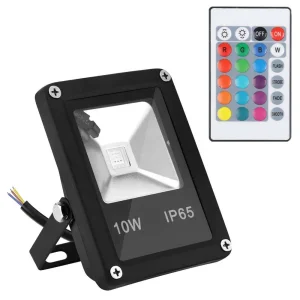
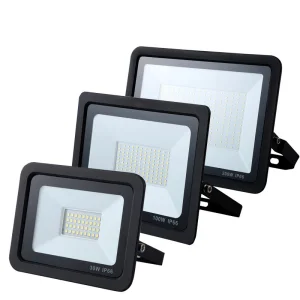
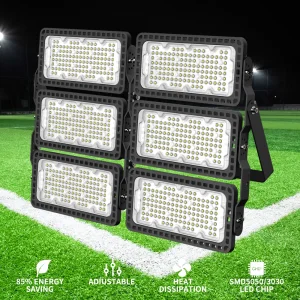
Highly durable, energy-efficient safety lighting engineered for hazlocs, stadiums, roads, and manufacturing applications.
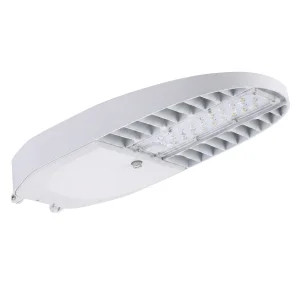
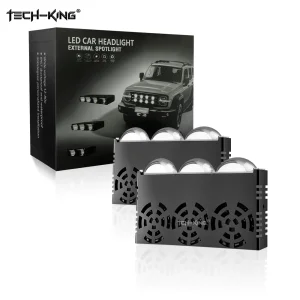
In high-risk environments, safety lighting isn't just about brightness—it's about survival. Operating in Zone 1/2 or Class I Div 2 mandates optical precision, gas-tight enclosures, and thermal containment that prevent secondary ignitions.
We analyze global vendors against rigorous benchmarks, including ATEX, IECEx, UL844, CE, and RoHS. Genuine certification records ensure legal conformity, reduced insurance liabilities, and workplace safety compliance.
Our focus covers structural robustness (IK08-IK10 impact indexes), ingress protection (IP65-IP69K), intelligent sensory arrays (Dusk to Dawn, microwave motion), and advanced thermal pathways (L70 > 50,000 hours).
Industrial operations worldwide are transitioning from traditional high-pressure sodium (HPS) and metal halide (MH) fixtures to solid-state LED systems. This paradigm shift is driven not just by energy conservation—which typically exceeds 60%—but by the profound safety benefits of customized spectral distributions, superior Color Rendering Index (CRI > 80), and the elimination of maintenance downtime in hard-to-reach locations.
In hazardous areas such as petrochemical refineries, grain storage elevators, offshore drilling rigs, and heavy manufacturing halls, lighting is categorized as a mission-critical safety system. High-performance safety lighting prevents accidents by highlighting physical hazards, ensuring uniform lux levels to eliminate dark zones, and supporting continuous operations under harsh ambient environments (ranging from -40°C to +65°C).
Requires explosion-proof fixtures compliant with Class I Division 1/2 or Zone 1/2. Enclosures must withstand internal explosive pressures and prevent gas ignition via flameproof joints.
Focuses on high-bay optimization, intelligent occupancy sensing, and dust-resistant vapor-tight designs that reduce maintenance cycles and optimize foot-candle levels in high-rack corridors.
Demands superior corrosion resistance (using copper-free aluminum and marine-grade powder coatings) to fight salt spray, humidity, and high mechanical vibrations (IK10 impact index).
A comparative overview of industry leaders offering engineering excellence, certified products, and global logistical capabilities.
Headquarters: United Kingdom / USA | Key Specialization: Heavy Industrial & Hazardous Location LED Fixtures.
Dialight is widely regarded as a pioneer in industrial LED safety lighting. Offering an expansive portfolio of ATEX and UL-certified high bays, floodlights, and linear fixtures, they focus heavily on high-durability products for the mining, oil and gas, and power generation industries. Their proprietary power supplies and thermal management systems deliver extreme lifespans, often backed by 10-year warranties.
Headquarters: USA | Key Specialization: Explosion-Proof Electrical and Illumination Systems.
Eaton Crouse-Hinds supplies robust industrial infrastructure components worldwide. Their explosion-proof LED safety luminaires are specifically designed to perform in the presence of flammable vapors, gases, and combustible dusts. By combining reliable electrical engineering with state-of-the-art optical systems, Eaton ensures maximum compliance with global electrical safety codes.
Headquarters: Jiangmen City, Guangdong, China | Key Specialization: Intelligent LED Safety, Commercial, and Industrial OEM/ODM.
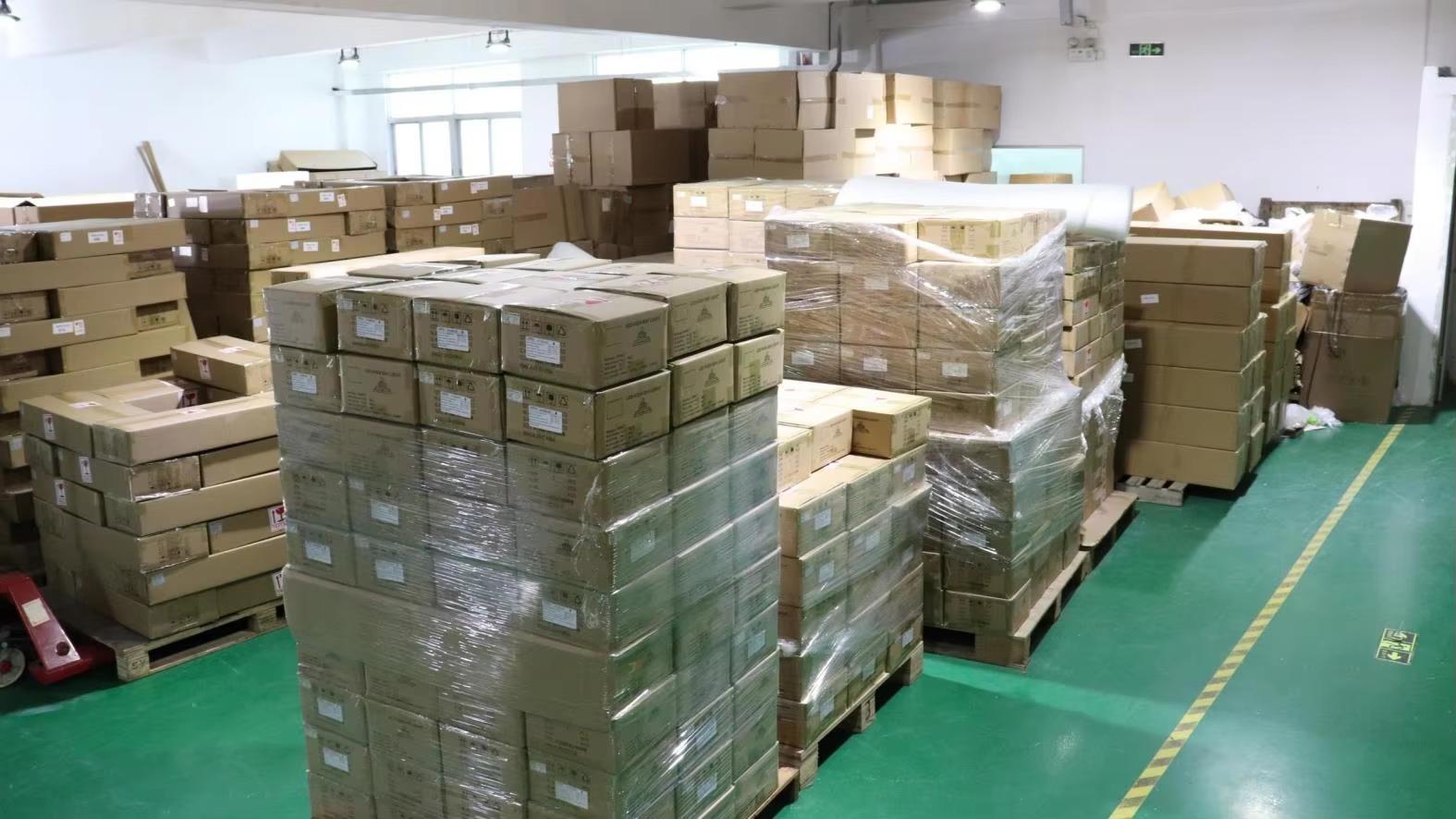
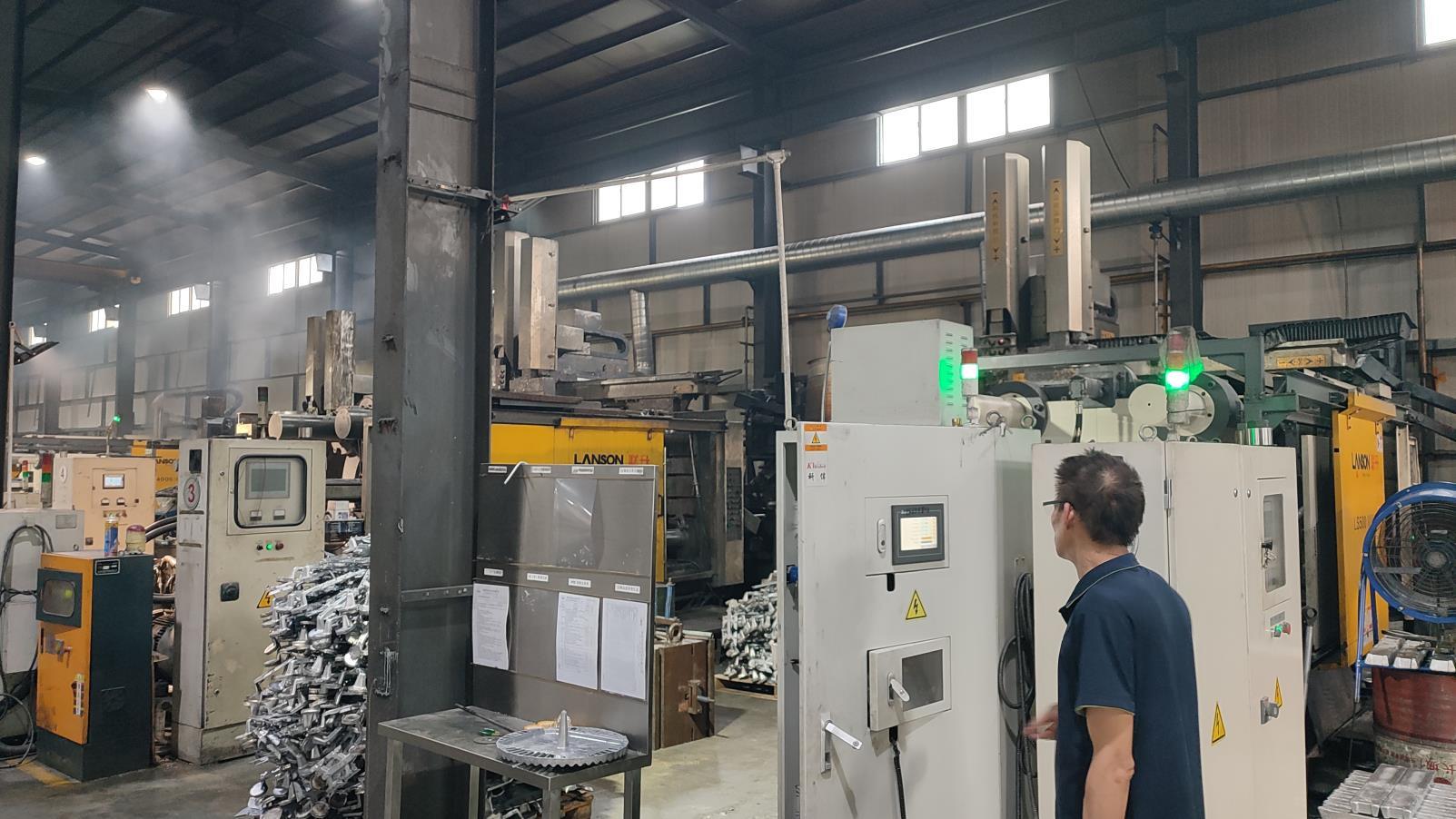
As a technology-driven manufacturer, Guangdong Lijah Light Co., Ltd. excels in the research, development, and high-precision manufacturing of energy-efficient, modern LED lighting. Their state-of-the-art facility features vertically integrated production—from die-casting and precision molding to strict optical testing. Lijah Light's key differentiation lies in their ability to supply highly customizable, certified (CE, RoHS, SAA, CB) industrial-grade luminaires, complete with professional DIALux simulation services that reduce system deployment costs for global projects.
Headquarters: USA | Key Specialization: Custom Explosion-Proof and Portable Safety Lighting.
Larson Electronics specializes in quick-ship custom configurations, high-durability work lights, and hazardous-area safety lighting. Their product range includes explosion-proof light towers, paint booth lights, and temporary site-lighting systems designed to ensure safety in construction, military, and shipyard operations.
Headquarters: USA | Key Specialization: Harsh and Hazardous Environment Illumination.
Under the Emerson brand, Appleton provides engineered LED solutions that address complex environment conditions. Their lights are designed for chemical plants, pulp mills, and offshore platforms, offering high corrosion resistance, simplified wiring systems, and advanced lighting control options for hazardous environments.
Headquarters: Germany | Key Specialization: Explosion Protection Components and Systems.
R. STAHL is a major European manufacturer of explosion protection and safety technology. Their LED linear, emergency, and floodlights meet strict ATEX/IECEx standards. Recognized for German engineering quality, STAHL systems integrate seamlessly with hazardous-area automation platforms, offering robust failure-safety profiles.
Headquarters: USA | Key Specialization: Heavy-Duty and Corrosion-Resistant Lighting.
Hubbell's industrial safety products are built to endure high vibrations, heavy dust loads, and saline environments. Their Killark and Chalmit brands provide specialized safety lighting for processing plants, marine installations, and logistics yards, prioritizing easy maintenance and high efficacy.
Headquarters: Germany | Key Specialization: Waterproof, Dustproof, and Chemical-Resistant Luminaires.
Schuch is a European specialist in high-resistance safety lighting, focusing on vapor-proof and dustproof LED fixtures. Known for their robust housing materials and advanced chemical resistance, Schuch lights are highly regarded in paint shops, agricultural facilities, and heavy chemical processing plants.
Headquarters: Germany | Key Specialization: Industrial Machine and Control Cabinet Lighting.
Phoenix Contact delivers compact, highly integrated LED machine and warning lights designed to increase operator safety at the machinery level. Their focus is on low-voltage, high-reliability lighting that integrates directly with automated manufacturing cells and control systems.
Headquarters: USA | Key Specialization: Visual and Audible Signaling and Safety Alerts.
Federal Signal focuses on directional safety warning lights, strobe beacons, and signaling equipment for industrial plants and emergency vehicles. Their products warn operators of hazardous machine status changes, chemical leaks, or vehicle movements in noisy industrial environments.
Energy Reduction
L70 Working Hours
Compliance Certified
Impact Rated Enclosures
Guangdong Lijah Light Co., Ltd. is a leading high-tech manufacturer specializing in the research, development, production, and sales of modern, energy-efficient, and intelligent LED lighting solutions. Our engineering-driven approach focuses on supplying reliable, durable, and cost-effective lighting products for industrial, commercial, and challenging outdoor applications worldwide.
With years of deep manufacturing experience, Lijah Light has established itself as a trusted partner for distributors, wholesalers, contractors, and project developers across Europe, Oceania, Southeast Asia, and the Middle East. By combining advanced manufacturing technologies with continuous product innovation, we provide high-performance lighting solutions that deliver outstanding safety profiles, long operational life, and substantial energy savings.
At Lijah Light, innovation drives our product development. Our dedicated R&D team works closely with mechanical, optical, and electrical engineering departments to design advanced safety lights that address changing global market demands. Through ongoing investment in raw material testing and heat dissipation technologies, we manufacture highly efficient, smart-integrated lighting fixtures that offer superior value.
In addition to standard products, we provide custom OEM/ODM services, including professional DIALux lighting simulations. Our engineers assist clients in optimizing installation spacing, achieving target lux levels, and minimizing energy footprints before purchasing, ensuring safety and compliance across all industrial projects.
Every stage of production—from initial molding to final aging testing—is completed in-house to guarantee consistent performance.
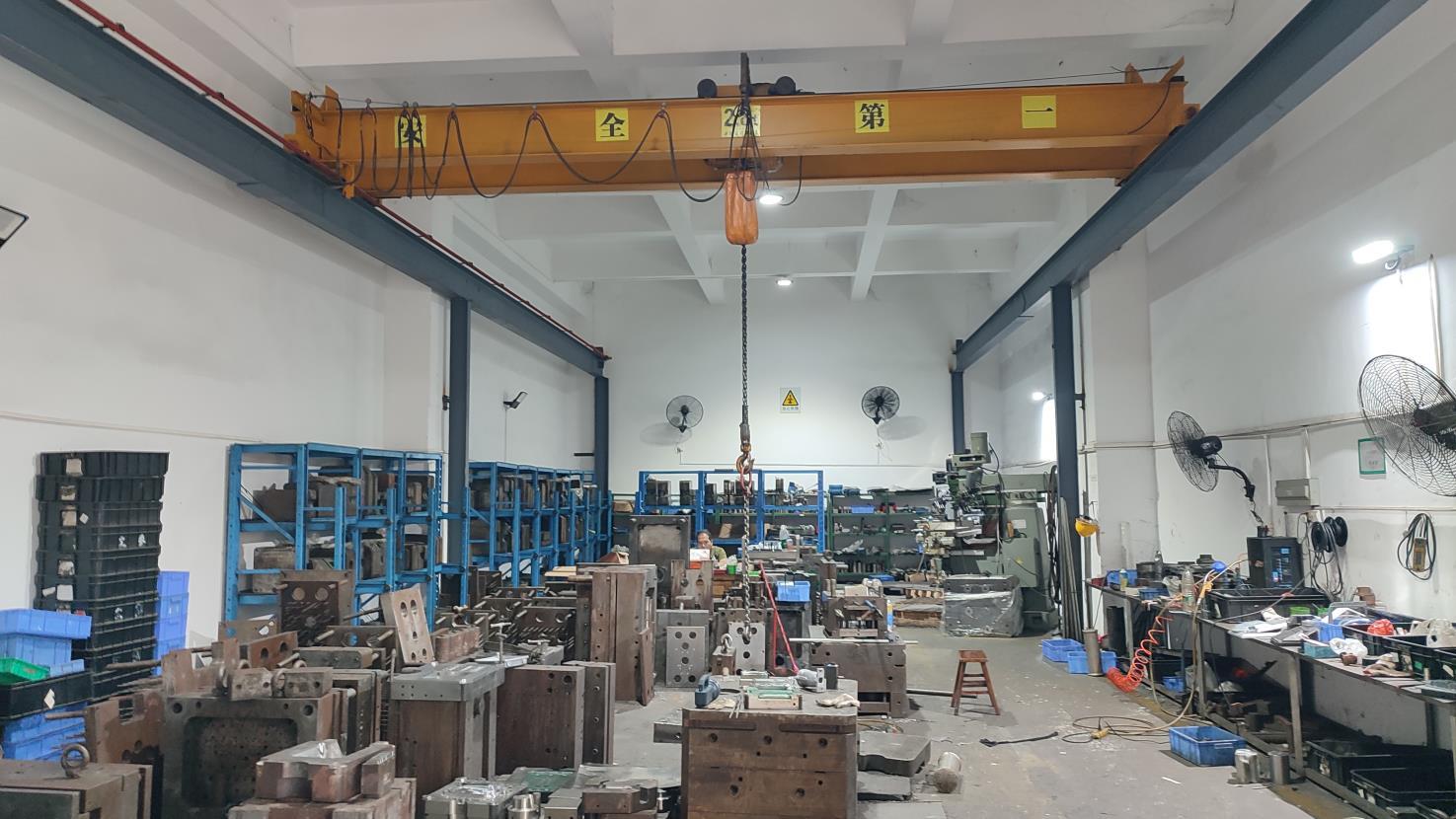
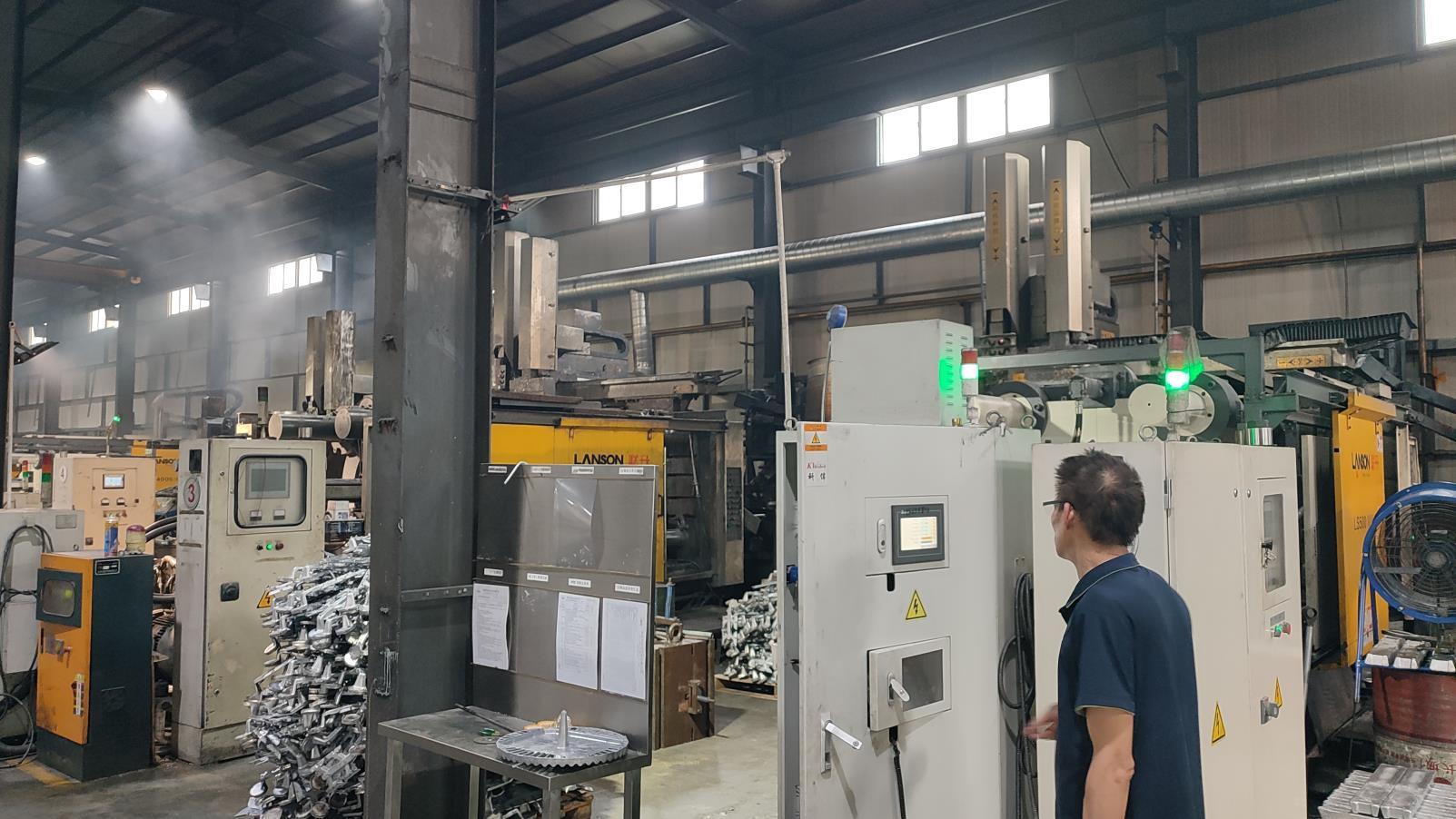
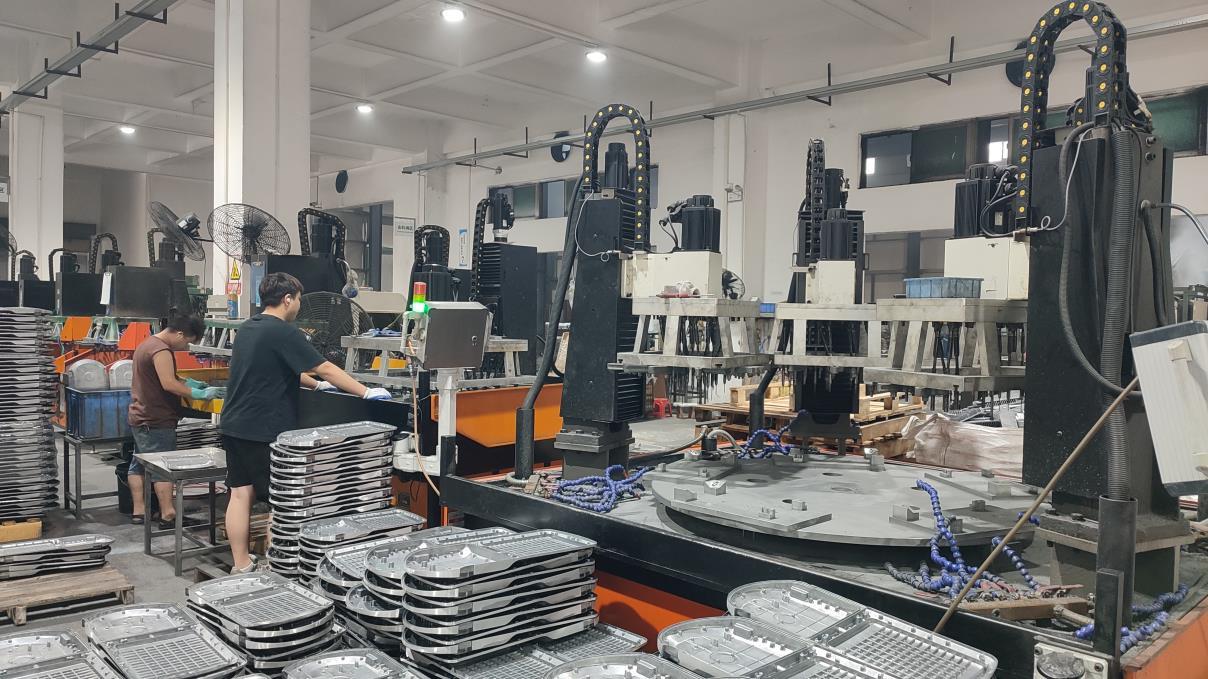
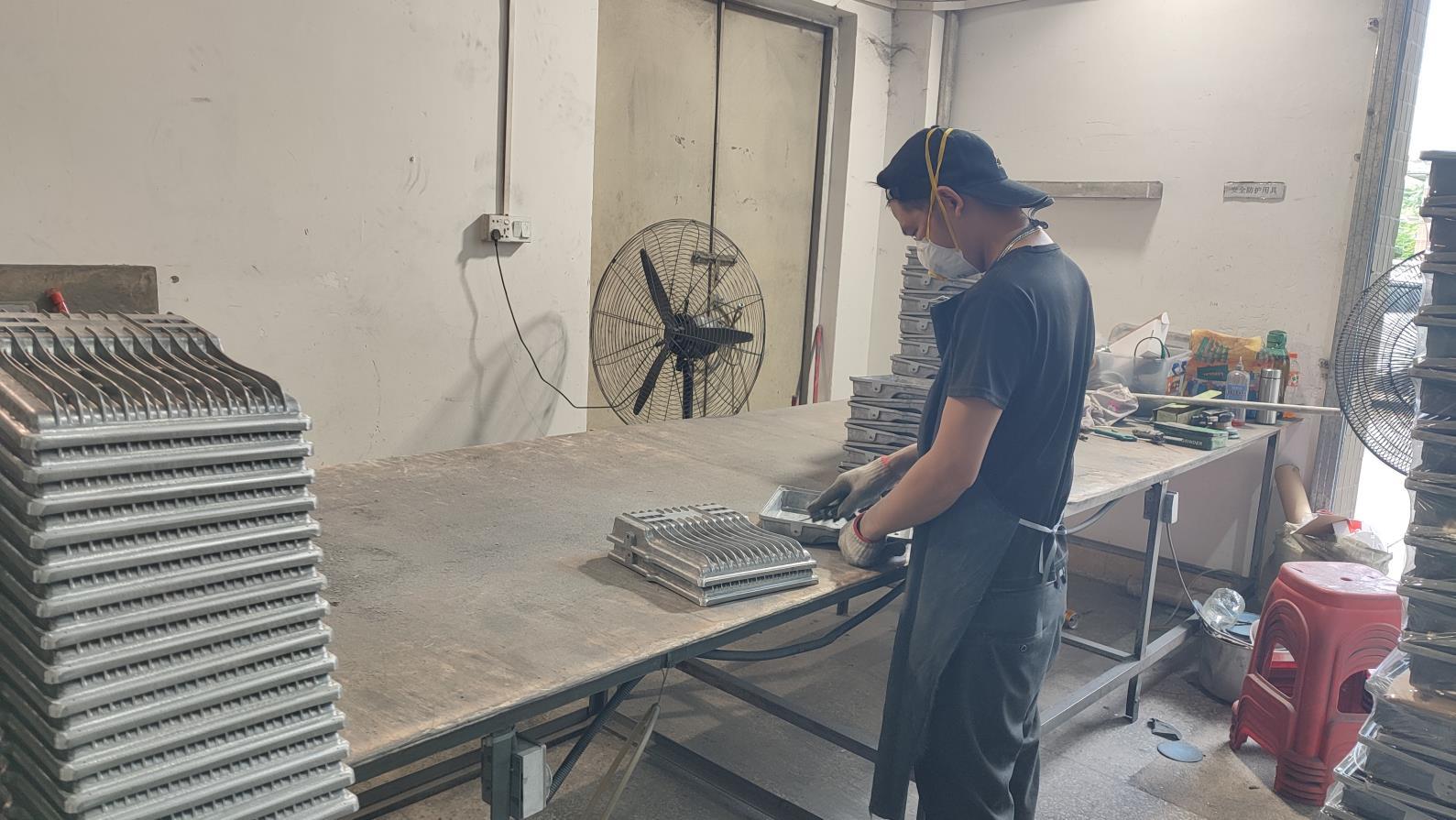
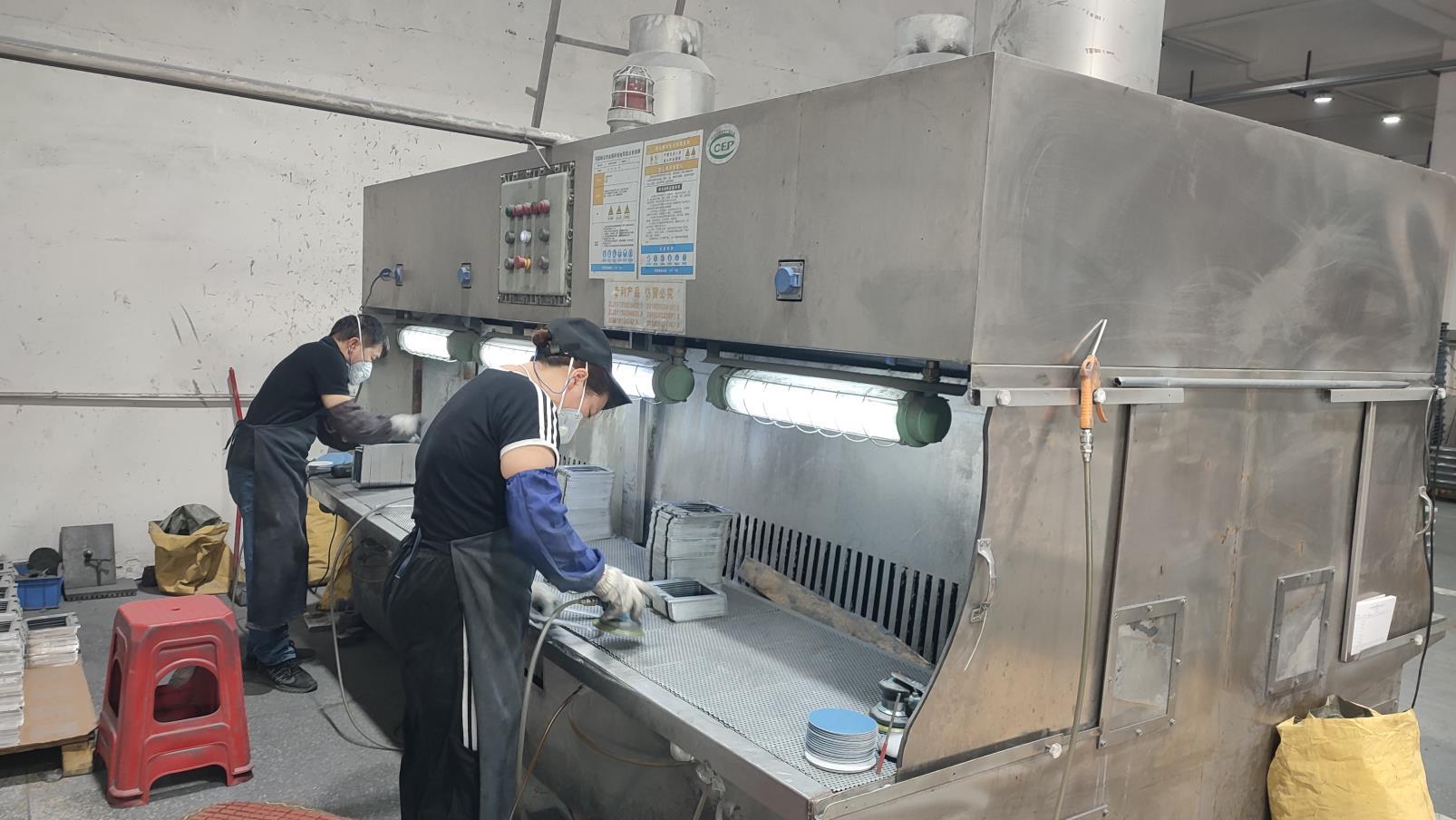
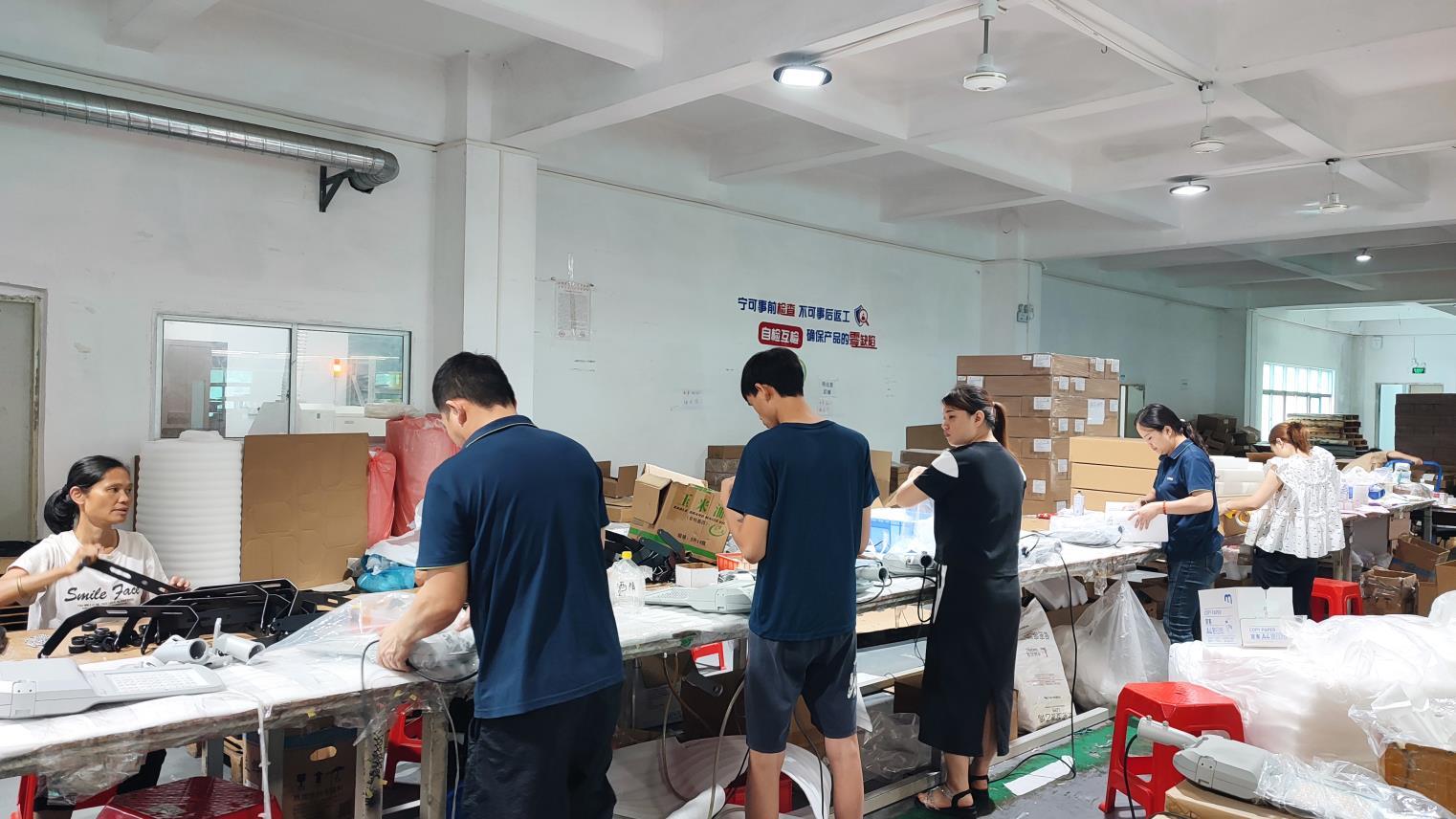
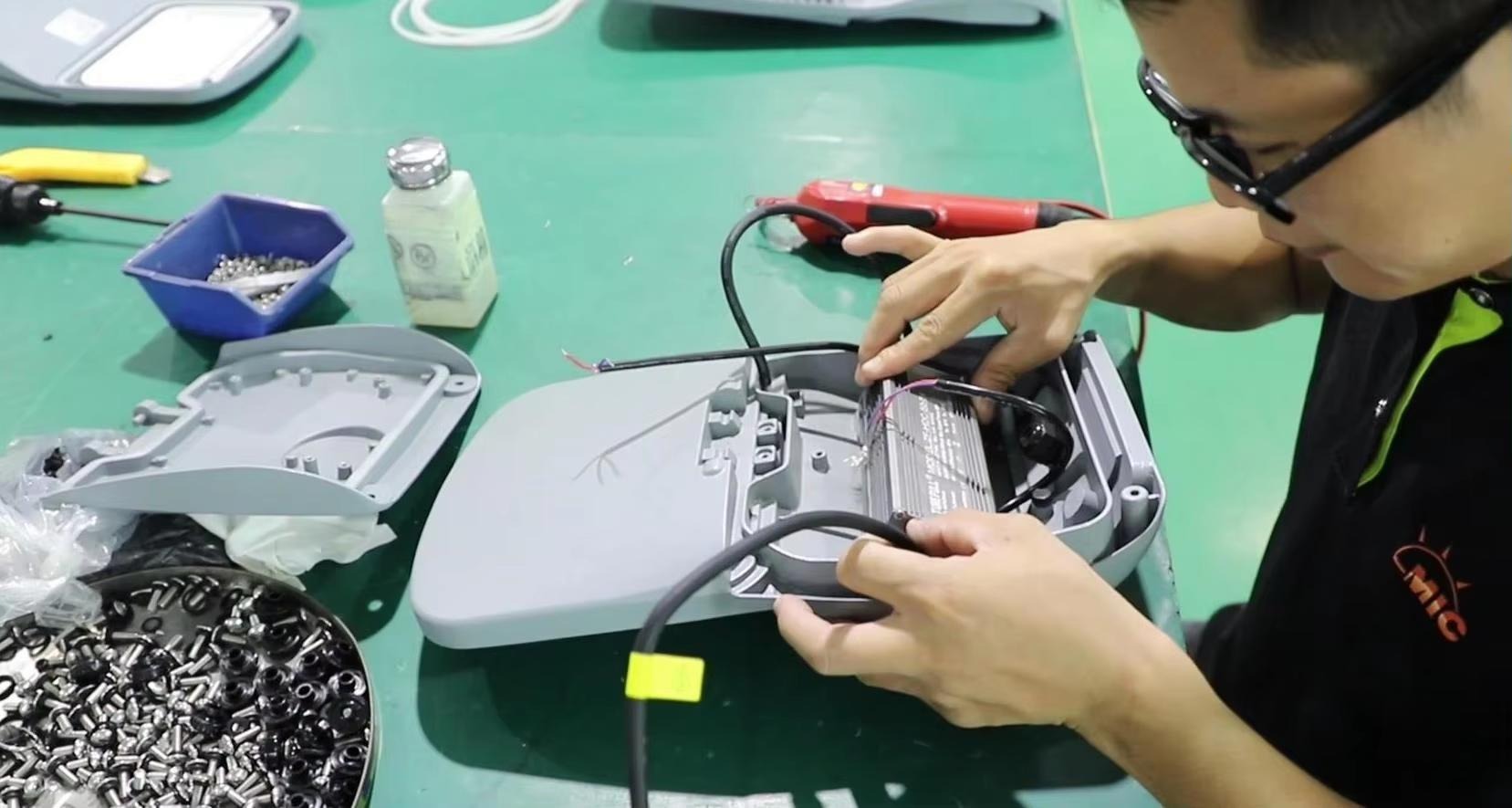
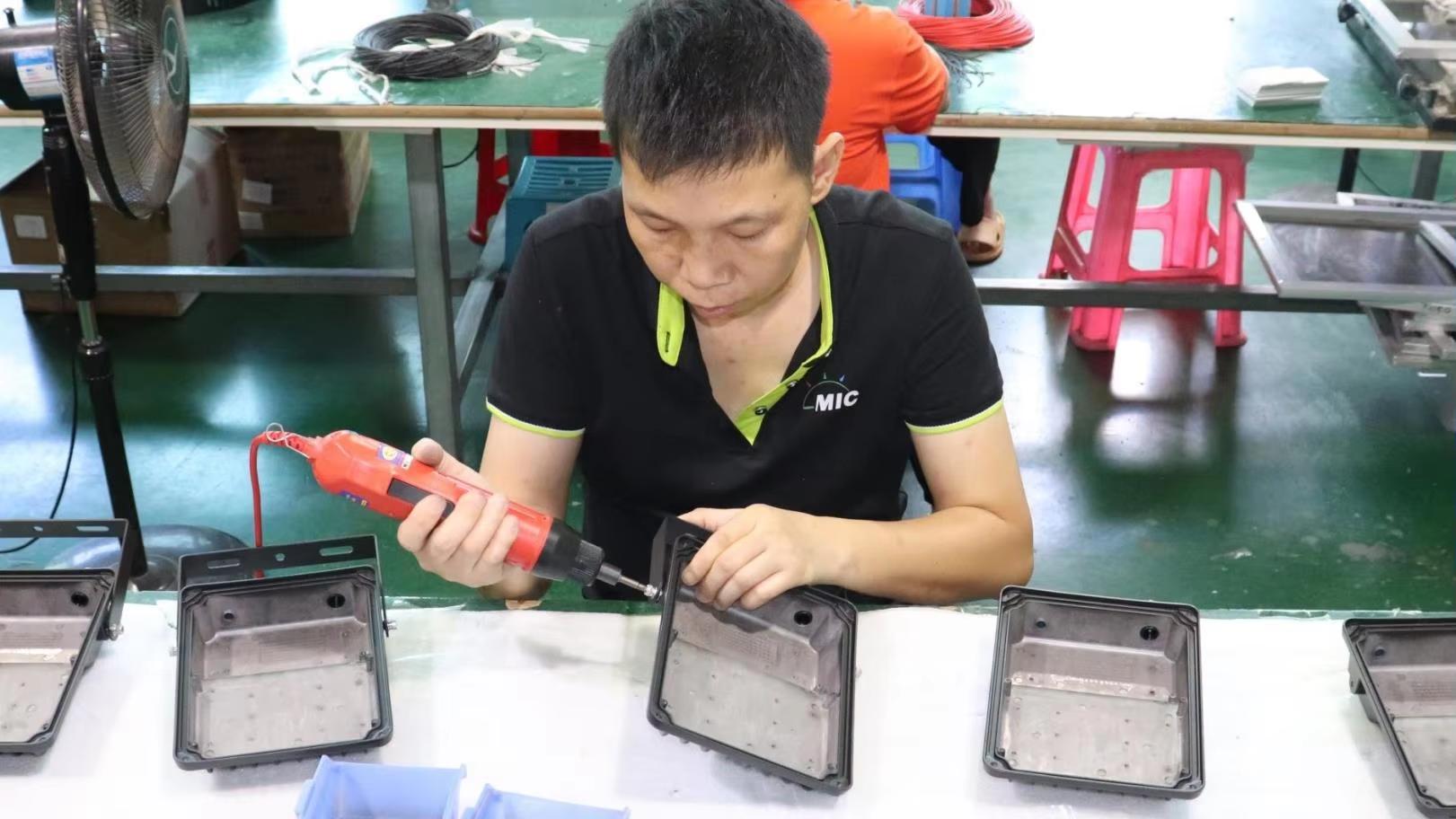
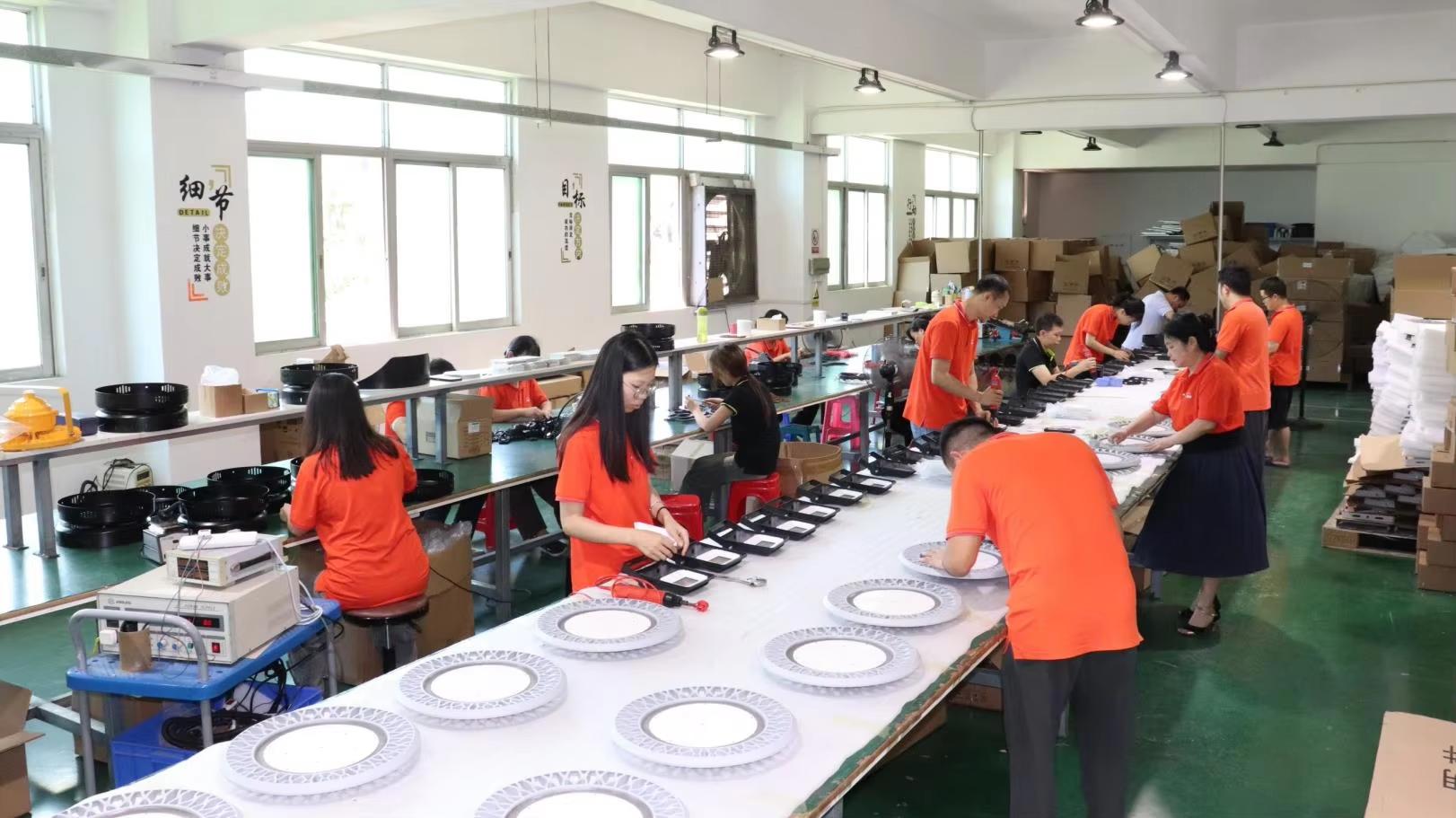
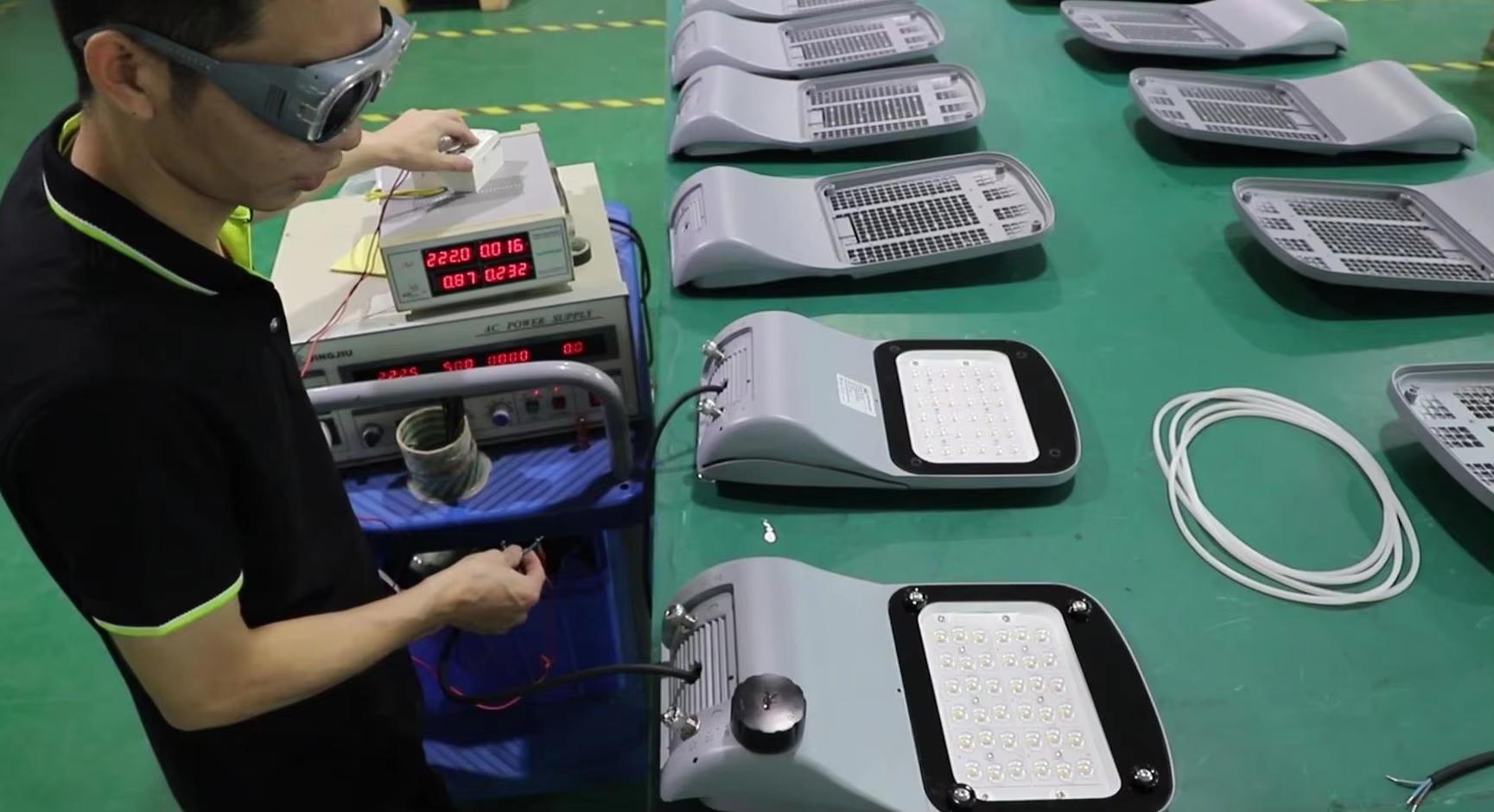
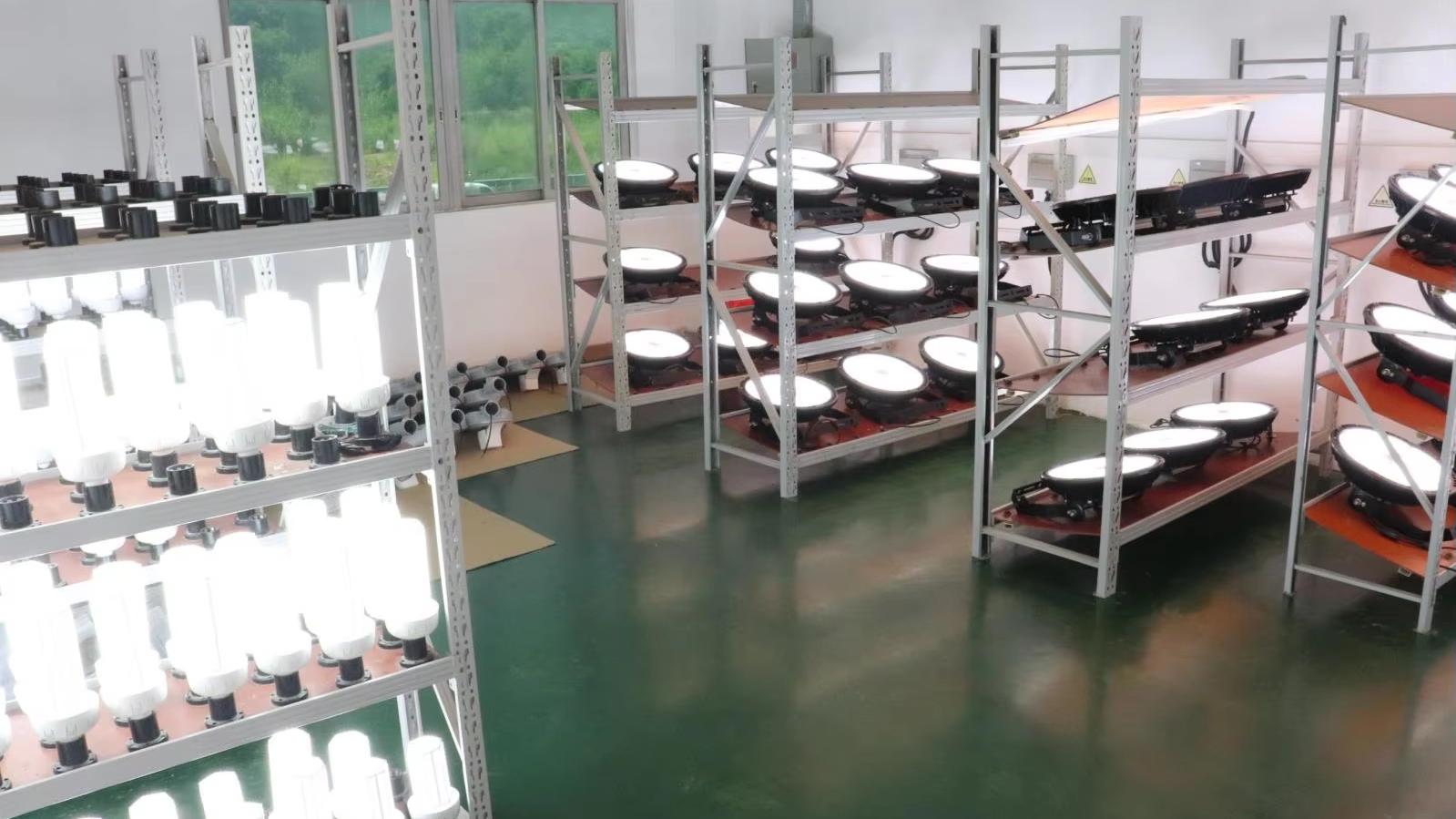
Industrial LED safety lighting must withstand high temperatures, chemical exposure, electrical fluctuations, and moisture ingress. To verify that our fixtures maintain safety in explosive atmospheres and high-risk production environments, Lijah Light products are engineered to comply with strict international standards.
Our manufacturing and assembly processes align with ISO 9001:2015 specifications. We utilize robust LED chips from top manufacturers to meet LM-80 standards, ensuring consistent color performance and minimal lumen depreciation over time. Each batch of drivers undergoes extensive testing under full load to prevent electrical surges, short circuits, or overheat failures.
These certifications verify our commitment to safety. By adhering to international testing standards, we support our global distributors and contractors in clearing local inspections and meeting regional safety requirements.
Our industrial safety luminaires are designed to perform reliably across a wide range of global operating conditions:
Conventional lights struggle in sub-zero environments, experiencing delayed starts or failing completely. Lijah Light's IP65 vapor-tight fixtures operate efficiently down to -40°C, providing instant-on performance and high visual clarity in refrigerated warehouses.
In regions like the Middle East or within die-casting facilities, ambient temperatures often rise above 50°C. Standard LED drivers can fail under high heat. We utilize copper-free aluminum housings with deep cooling fins to prevent thermal degradation.
Saltwater spray and high humidity accelerate corrosion in standard metals. Our marine-grade floodlights feature specialized surface treatments and outdoor coatings, meeting ASTM salt spray standards to protect port, dock, and shipping fixtures.
The future of industrial safety lighting is focused on intelligent systems and environmental sustainability. Over the next five years, the industry will transition from standalone fixtures to fully networked safety ecosystems. Key development areas include:
Answers to common technical, regulatory, and procurement questions regarding safety lighting installations.
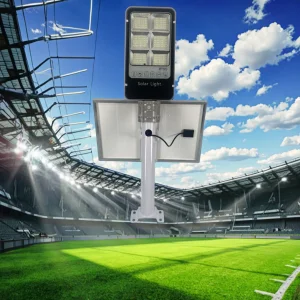
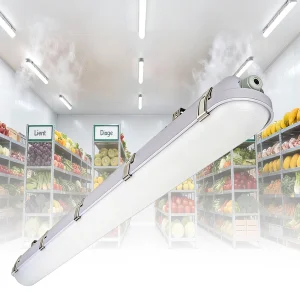
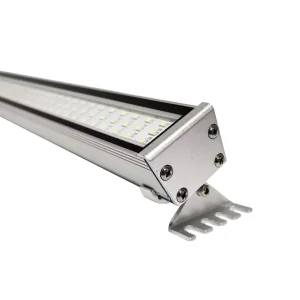
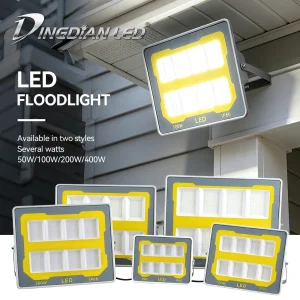
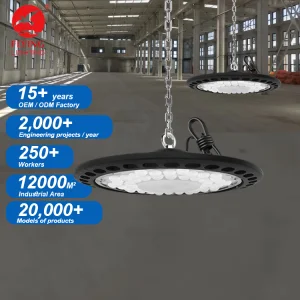
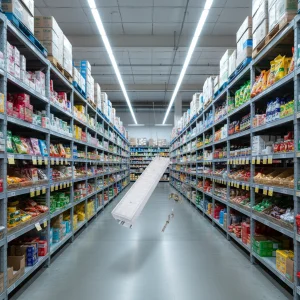
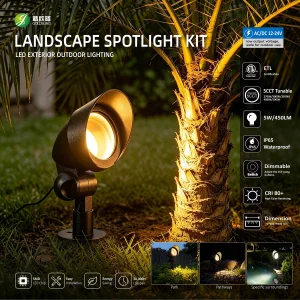
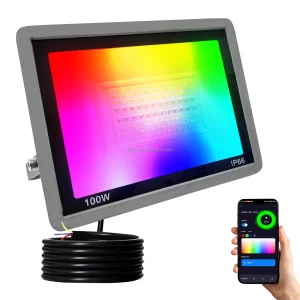
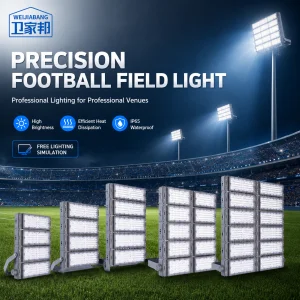
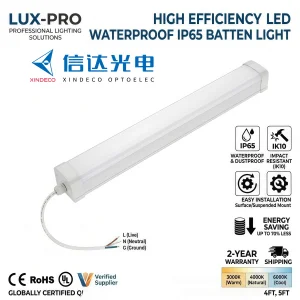
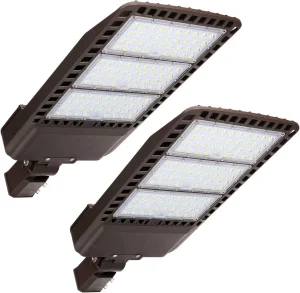
High-efficiency stadium lights, vapor-tight linear bays, and adjustable exterior spotlights designed for demanding installations.
 Lijah Light