The outdoor landscape and architectural lighting sector has undergone a profound structural shift over the past decade. What was once a market dominated by legacy metal-halide and high-pressure sodium fixtures has transitioned into an era of smart, highly efficient, and solid-state LED systems. Statistically, the global LED Garden and Landscape Lighting market is projected to reach USD 14.5 Billion by 2030, registering a compound annual growth rate (CAGR) of over 11.2%. This growth is primarily fueled by rapid urbanization, substantial municipal investments in public safety and parks, and the private residential demand for energy-efficient exterior spaces.
Historically centered around simple illumination, the contemporary industrial demand focuses heavily on integration. Today's commercial developments demand fixtures that harmonize with architectural elements while delivering precise light distribution. The supply chain has responded to these expectations by consolidating in specialized manufacturing hubs, notably in Guangdong, China. These hubs unite deep technical expertise in die-casting metallurgy, optics, and driver engineering. Consequently, global distributors, project contractors, and lighting designers increasingly seek out integrated OEM/ODM partners capable of providing extensive custom configurations, photometric simulations, and compliance certs for varied jurisdictions.
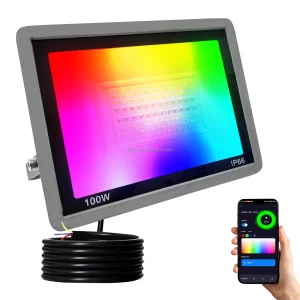
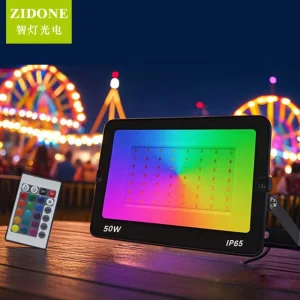
The emergence of Smart City infrastructures has integrated IoT controls directly into outdoor light luminaires. Modern commercial architectures leverage Tuya, Zigbee, DALI, and DMX512 controls to construct dynamic landscape scenes. Systems like the DOB Smart Floodlight RGBCCT offer multi-color tuning, automated dimming schedules, and remote cloud management, significantly reducing operational energy waste.
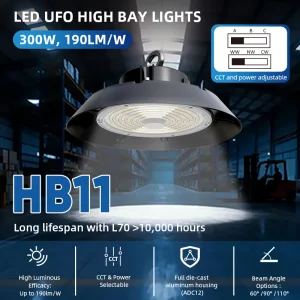
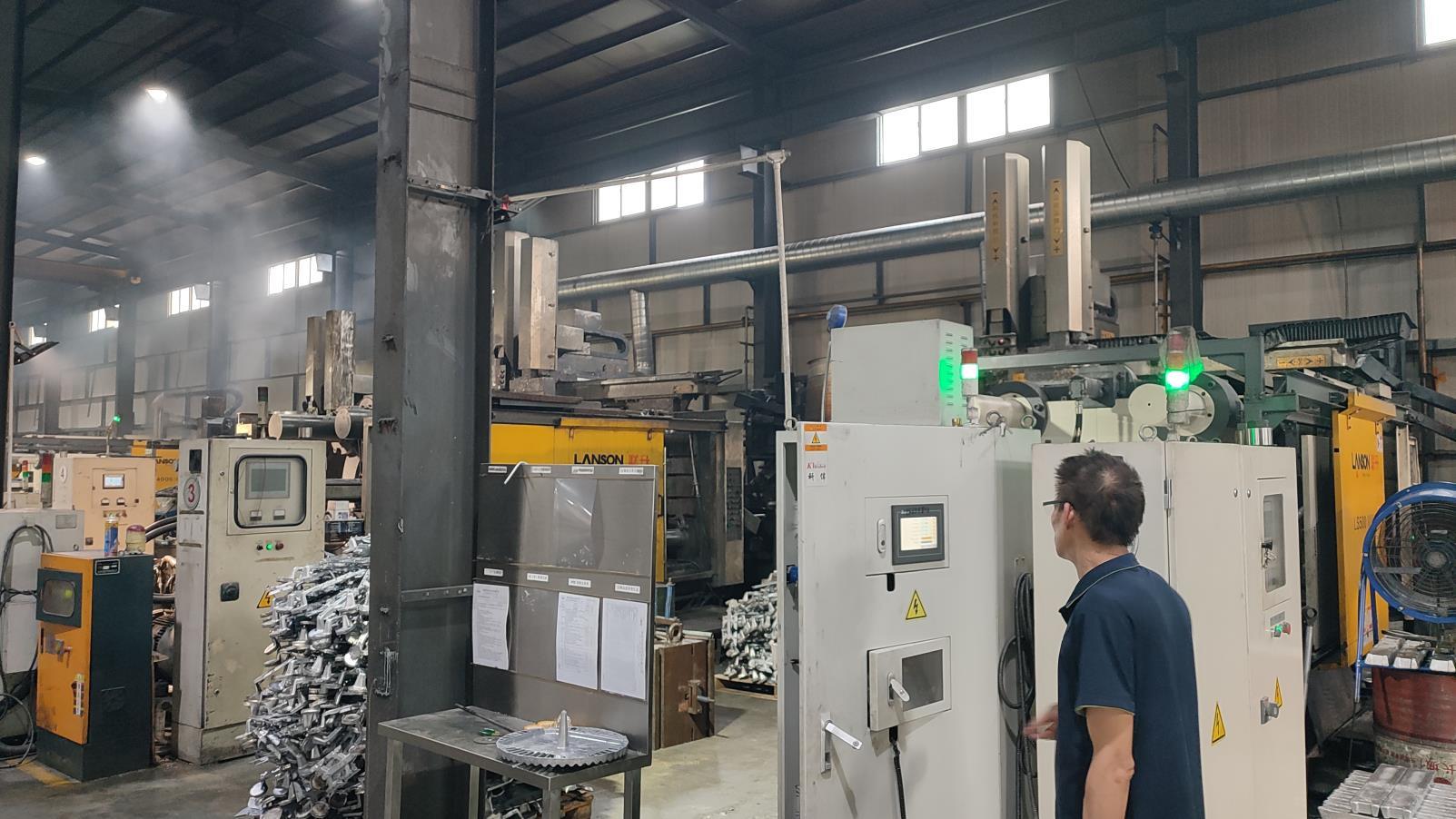
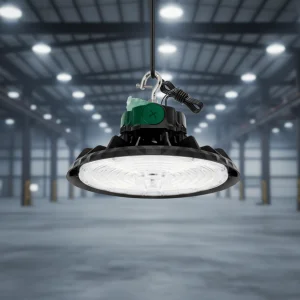
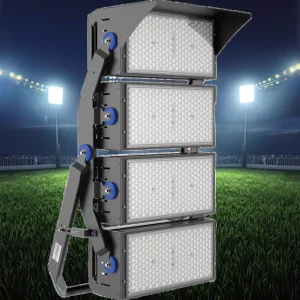
Heat is the primary cause of LED degradation. Manufacturers utilize high-conductivity ADC12 die-cast aluminum alloys configured with specialized heat dissipation channels. Modern layouts, including the popular UFO High Bay and stadium lights, separate driver housing from the LED optical engine. This guarantees junction temperatures remain well below 85°C, ensuring L70 lifespan exceeds 50,000 hours.
Light pollution is a critical regulatory concern. As a result, technical roadmaps now prioritize precise beam angles (ranging from narrow 15° spotlights to wide asymmetric street distributions) to eliminate upward light spill. Architectural layouts utilize warm CCTs (2200K - 3000K) to limit blue light scattering, protecting local wildlife while maintaining adequate public illumination.
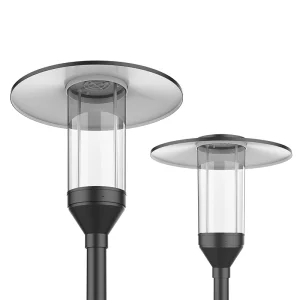
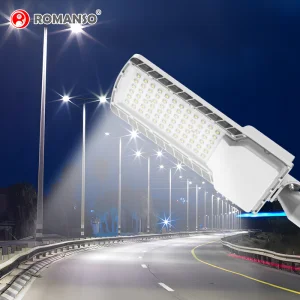
Selecting commercial outdoor lighting involves addressing broad macro-environmental challenges. Industrial parks, municipal roadways, and luxury hospitality destinations demand distinct safety and performance baselines. For example, municipal setups favor integrated structural stability, like the Catenary LED Aluminium Street Lamp Post. These installations must survive high wind loads, intense vibration, and long-term UV degradation, requiring certified IK10 impact ratings and IP67 waterproof protection.
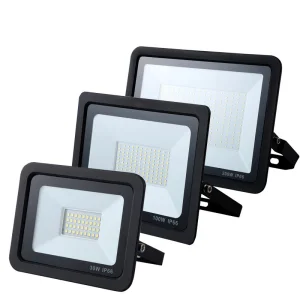
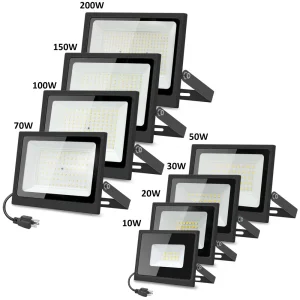
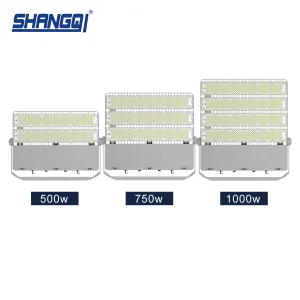
In commercial and industrial areas like freight yards and sports complexes, lighting serves as a pillar of perimeter security. High-wattage LED floodlights (ranging from 100W up to 1500W) provide bright, glare-controlled illumination that eliminates dark spots. This allows CCTV surveillance systems to capture clear footage. Additionally, incorporating smart microwave sensors or photocells ensures fixtures operate at low idle outputs, raising output only when motion is detected. This strategy achieves a balanced optimization of security and energy efficiency.
Salty air causes rapid galvanic corrosion. In coastal resorts or ports, standard steel or low-grade alloy lights fail within months. Industrial-grade garden and floodlights must feature premium C5-M class anti-corrosion powder coatings, 316 stainless steel hardware, and double-sealed silicone gaskets to withstand aggressive, humid marine environments.
In desert environments like the Middle East, ambient temperatures can exceed 50°C. Heavy solar radiation can push external fixture surfaces past 80°C. To ensure longevity under these harsh conditions, systems incorporate high-grade isolated drivers, derating technology, and robust thermal structures. This prevents driver failure from overheating.
Northern European and Canadian winters subject fixtures to sub-zero temperatures down to -40°C. Standard LED drivers fail to boot in extreme cold. Specialty configurations require sub-zero temperature start drivers, low-temp silicone cabling that resists cracking, and protective smooth glass covers to prevent thick ice buildup.
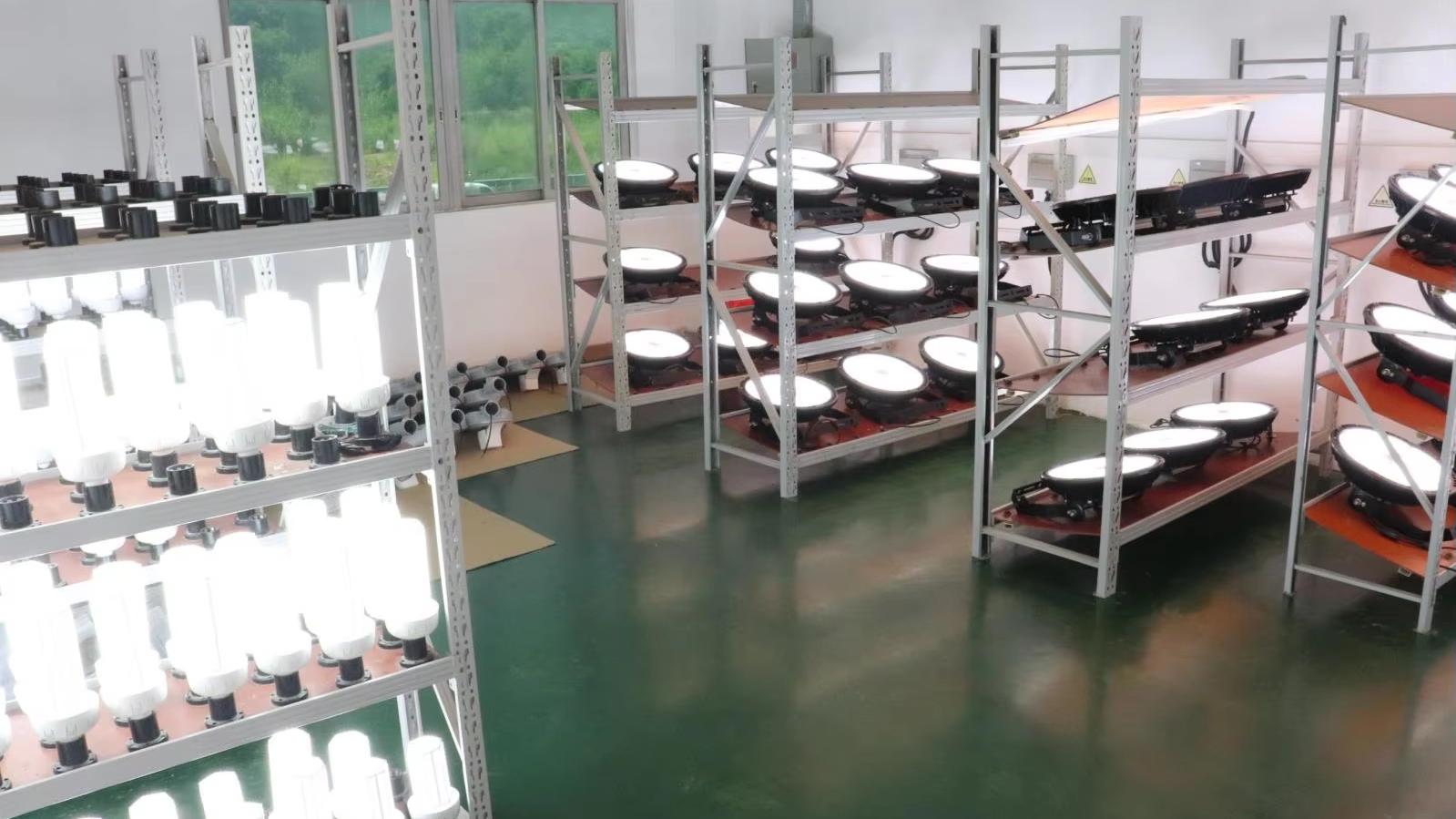
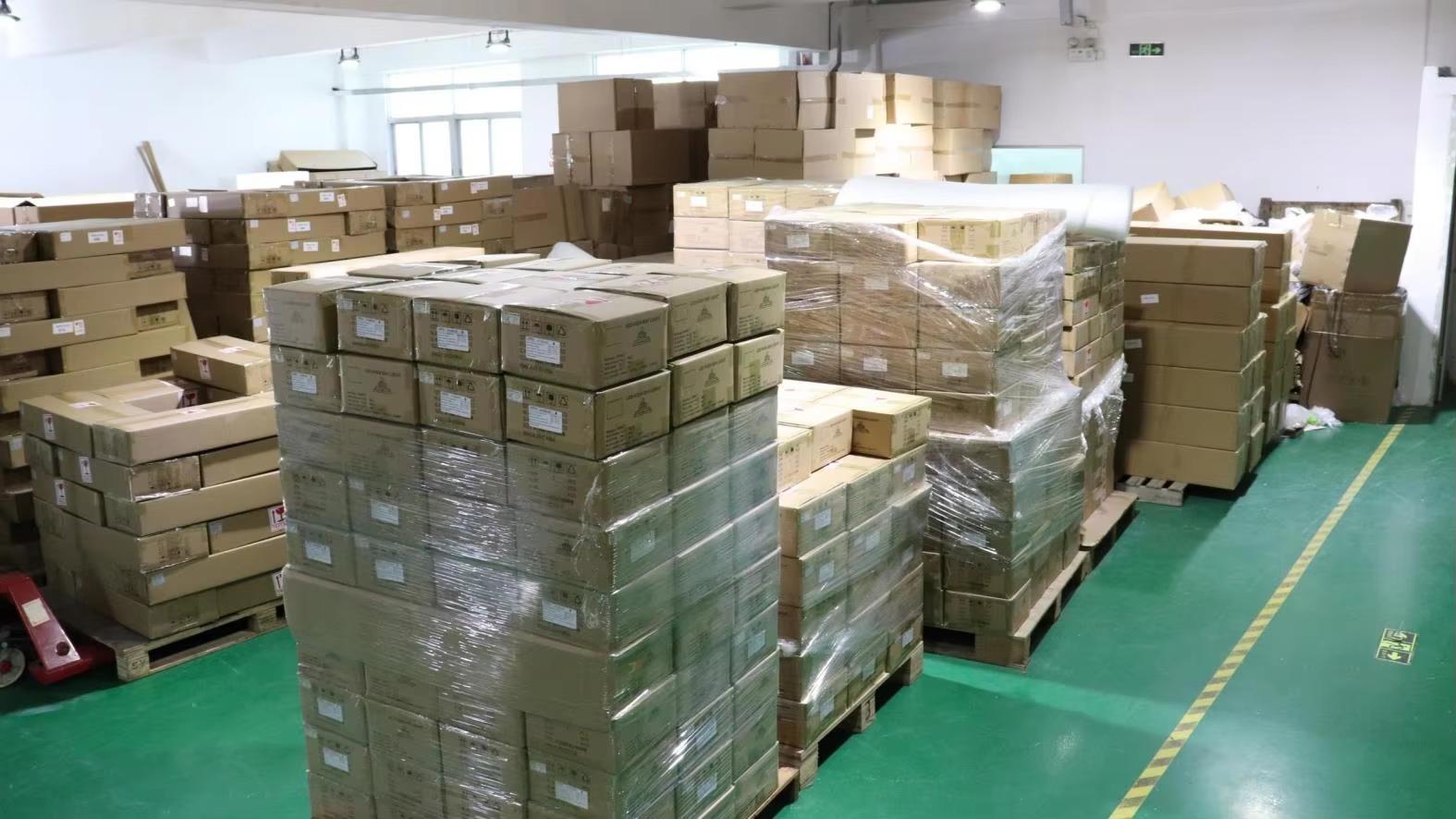
Guangdong Lijah Light Co., Ltd. is a professional manufacturer specializing in the research, development, production, sales, and service of modern, energy-efficient, and intelligent LED lighting solutions. As a technology-driven enterprise, we are committed to providing innovative, reliable, and sustainable lighting products for industrial, commercial, and outdoor applications worldwide.
With years of industry experience, Lijah Light has become a trusted partner for distributors, wholesalers, contractors, and project developers across Europe, Oceania, Southeast Asia, the Middle East, and other international markets. By combining advanced manufacturing technologies with continuous product innovation, we provide customers with high-quality lighting solutions that deliver outstanding performance, long service life, and significant energy savings.
Innovation is the driving force behind our continued growth. Our experienced R&D team works closely with our engineering, marketing, and sales departments to develop advanced lighting solutions that meet the evolving demands of the global market. Through continuous investment in product development and technological innovation, we are able to introduce efficient, reliable, and intelligent lighting products that create greater value for our customers.
Quality is one of our core values. Our manufacturing processes are carried out under a strict quality management system to ensure every product consistently meets international standards. Our LED lighting products comply with CE and RoHS requirements, while many of our key products have also obtained internationally recognized certifications including TÜV, ENEC, VDE, SAA, C-Tick, CB, LM79, and LM80. These certifications demonstrate our commitment to product safety, environmental responsibility, and manufacturing excellence.
In addition to supplying high-quality LED lighting products, Guangdong Lijah Light provides professional lighting design support through DIALux simulation services. Our experienced engineers assist customers in optimizing lighting layouts, improving energy efficiency, and selecting the most suitable lighting solutions for industrial, commercial, and outdoor projects, helping to reduce installation costs while maximizing lighting performance.
Driven by continuous innovation and a commitment to excellence, Guangdong Lijah Light Co., Ltd. is dedicated to becoming a globally recognized brand in industrial and commercial LED lighting. We will continue to develop smarter, greener, and more energy-efficient lighting solutions that help customers reduce energy consumption, improve operational efficiency, and create safer, more sustainable environments for the future.
Guangdong Lijah Light Co., Ltd. — Lighting the Future with Innovation, Quality and Reliability.
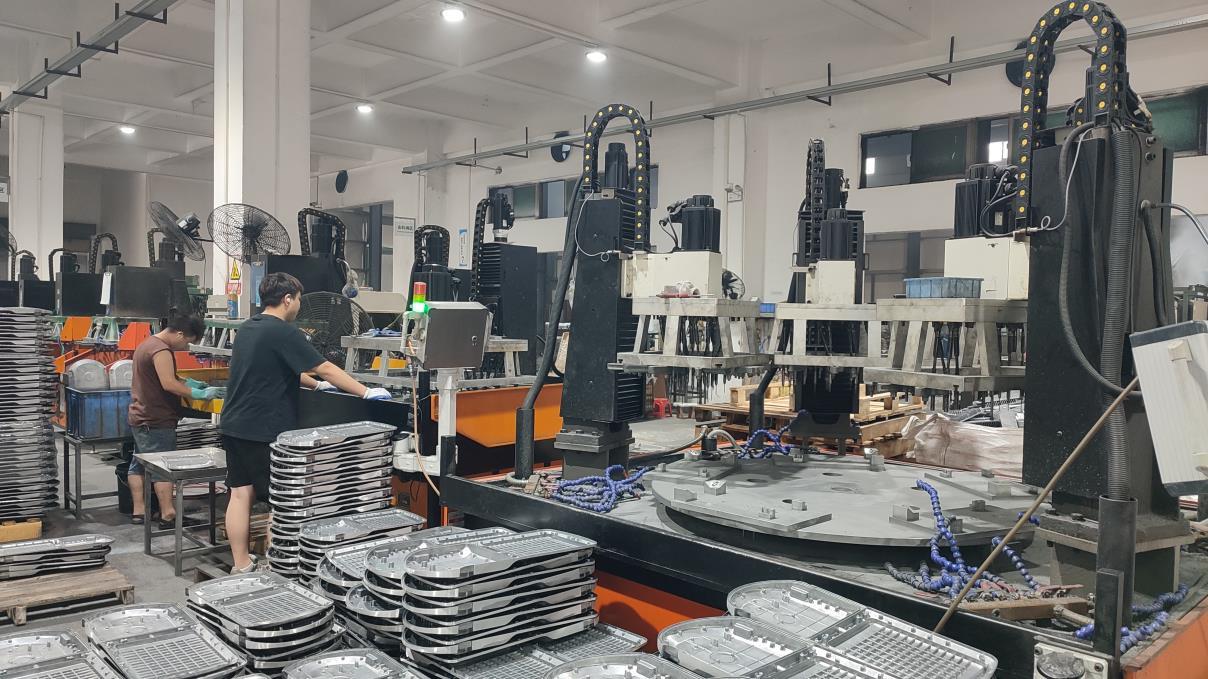
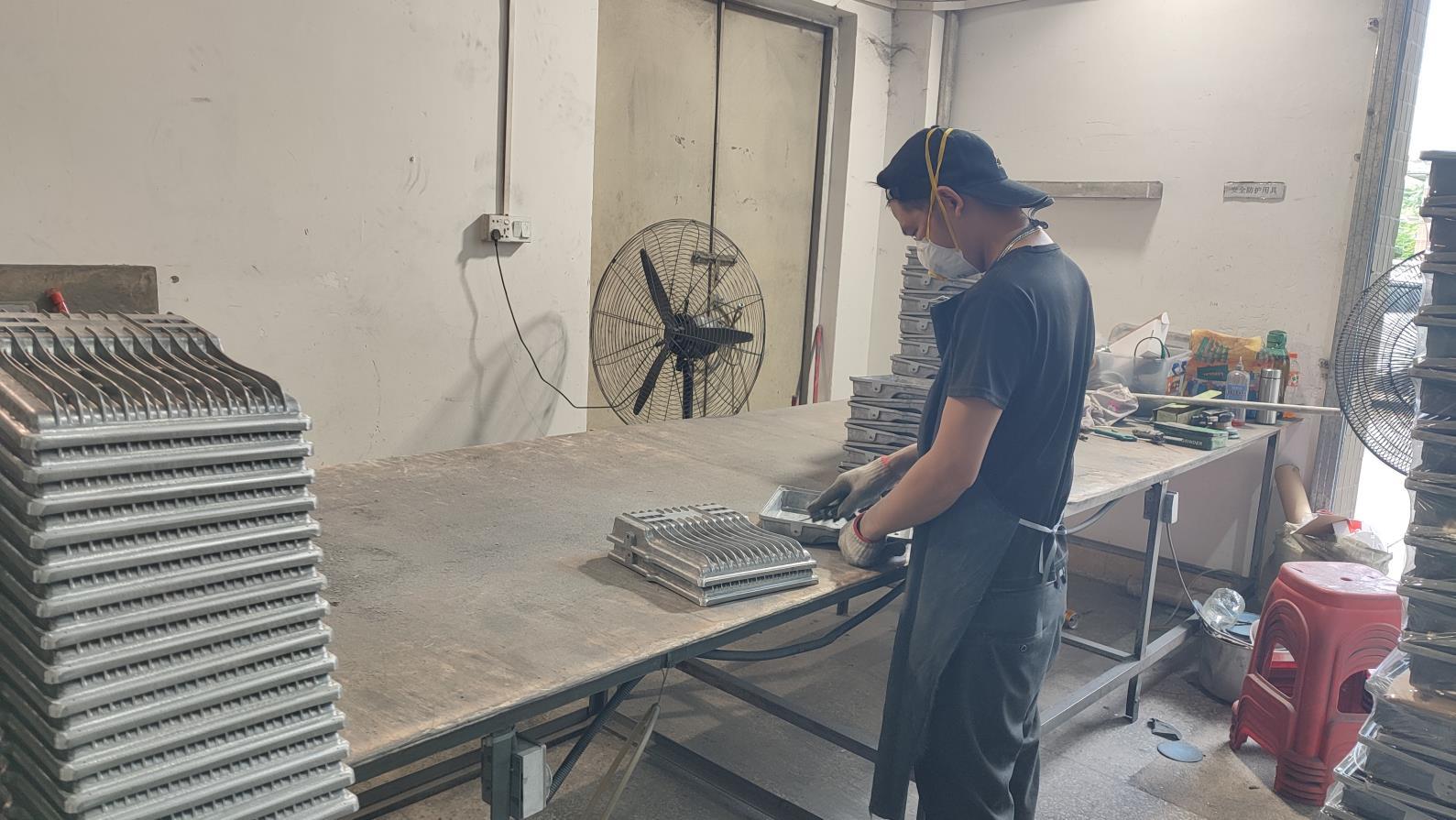
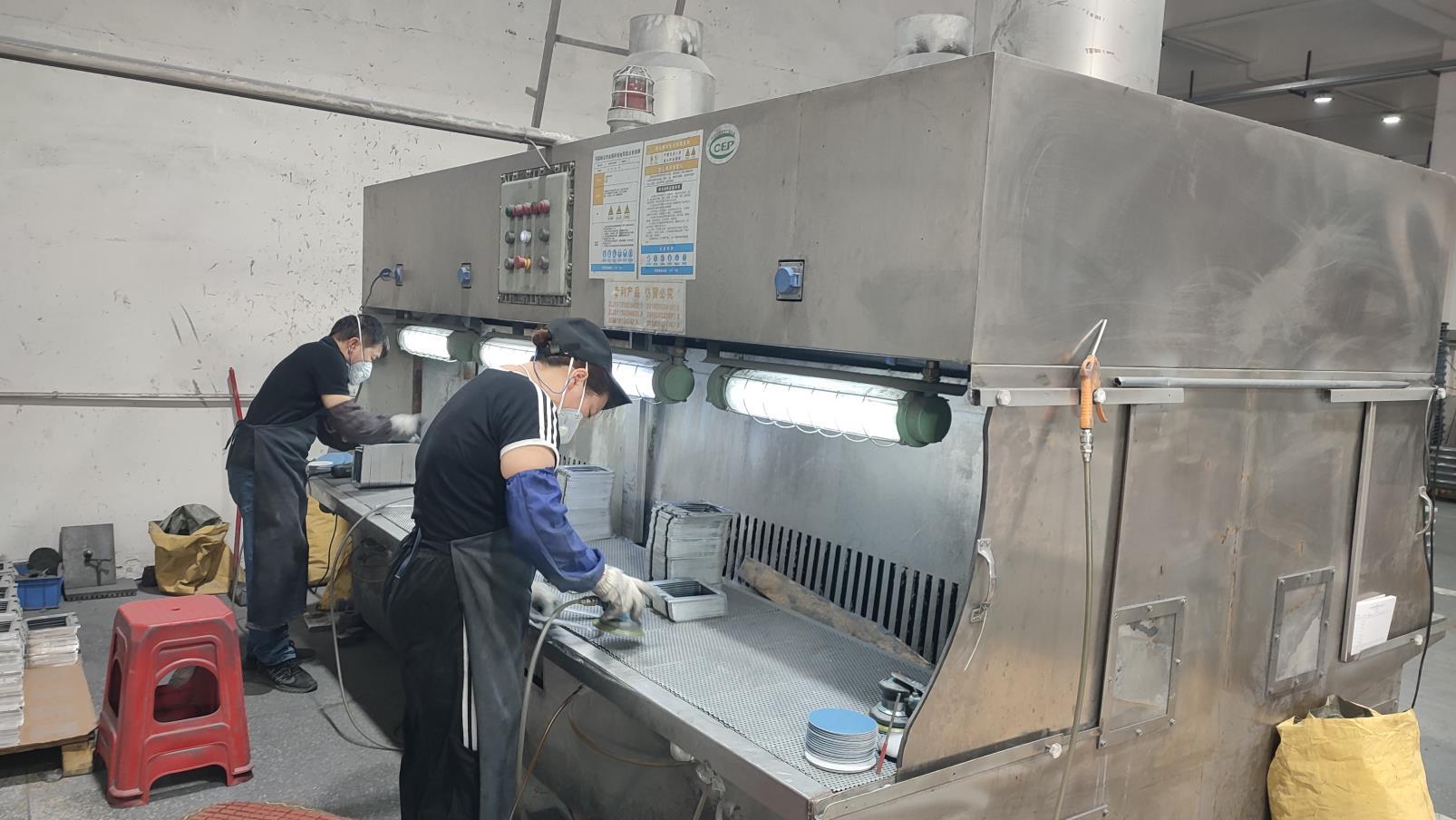
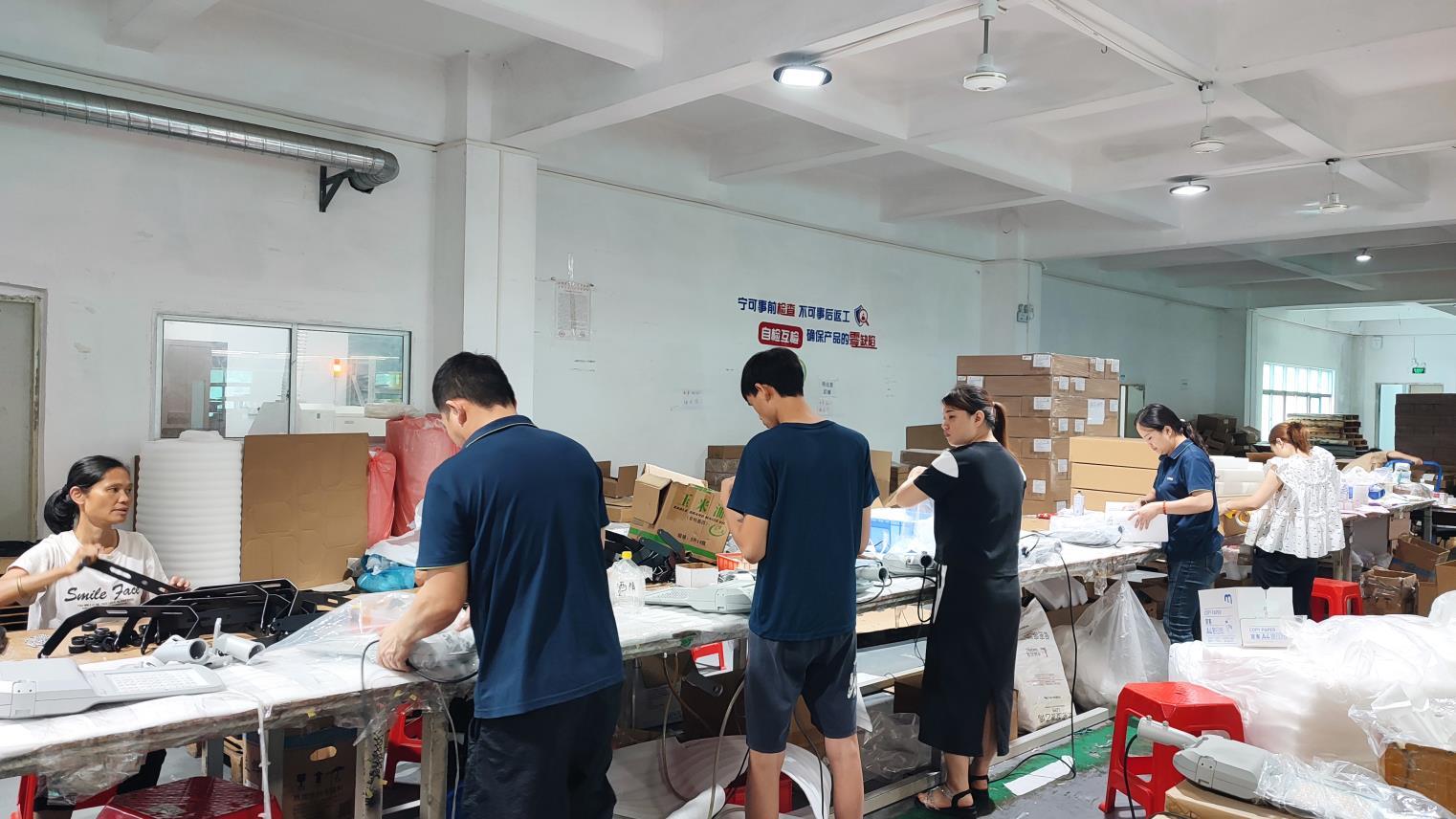
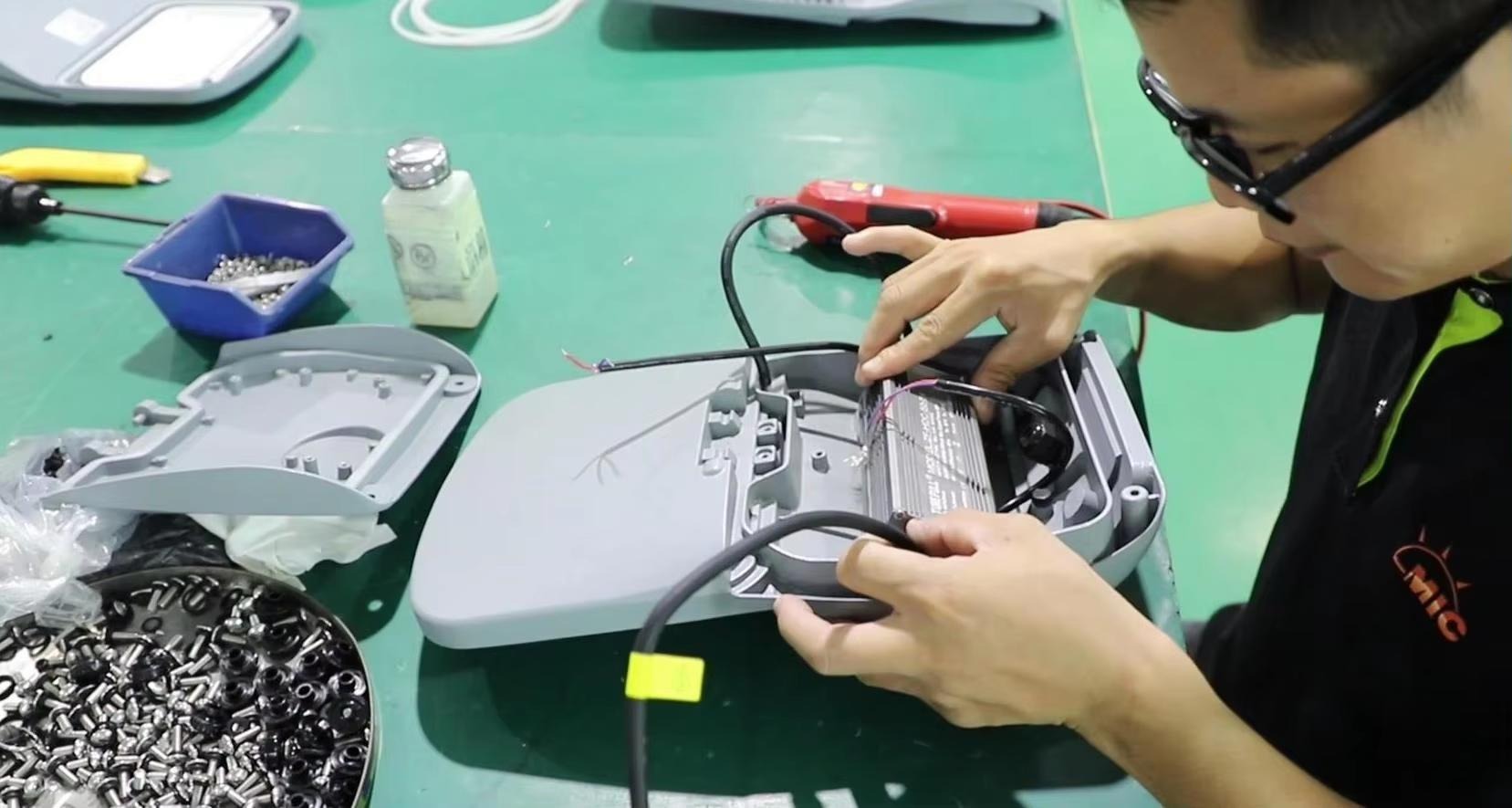
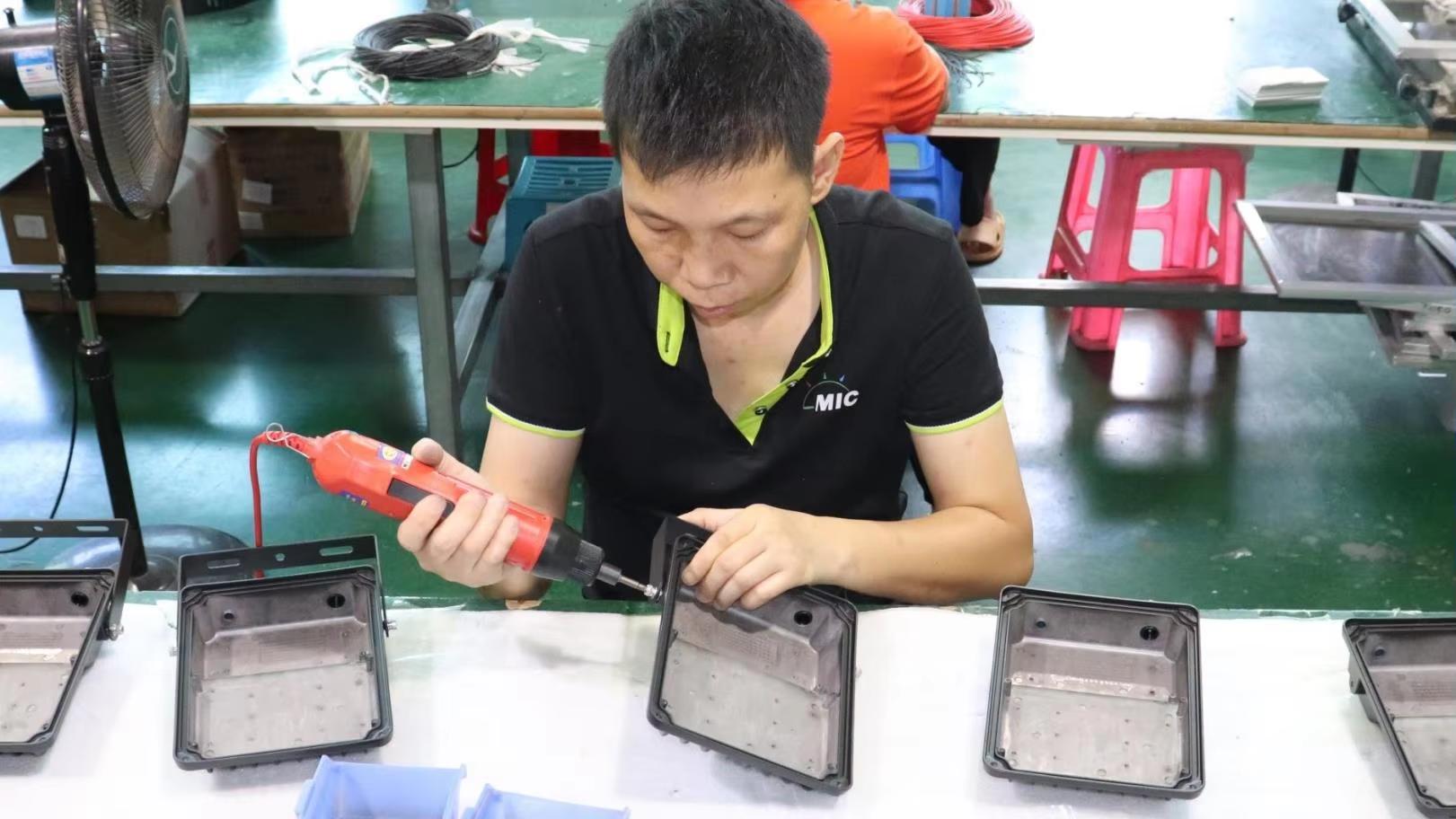
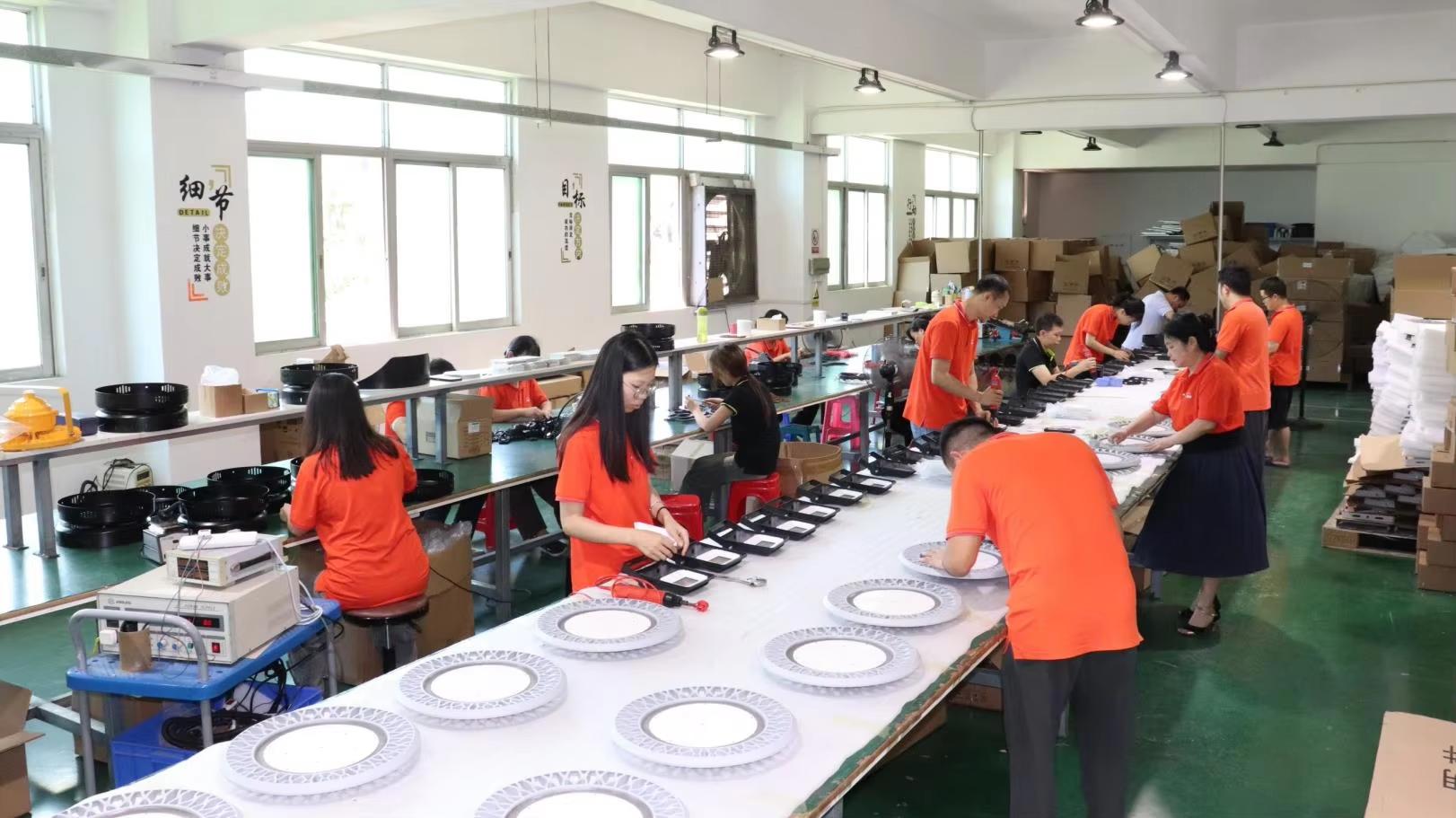
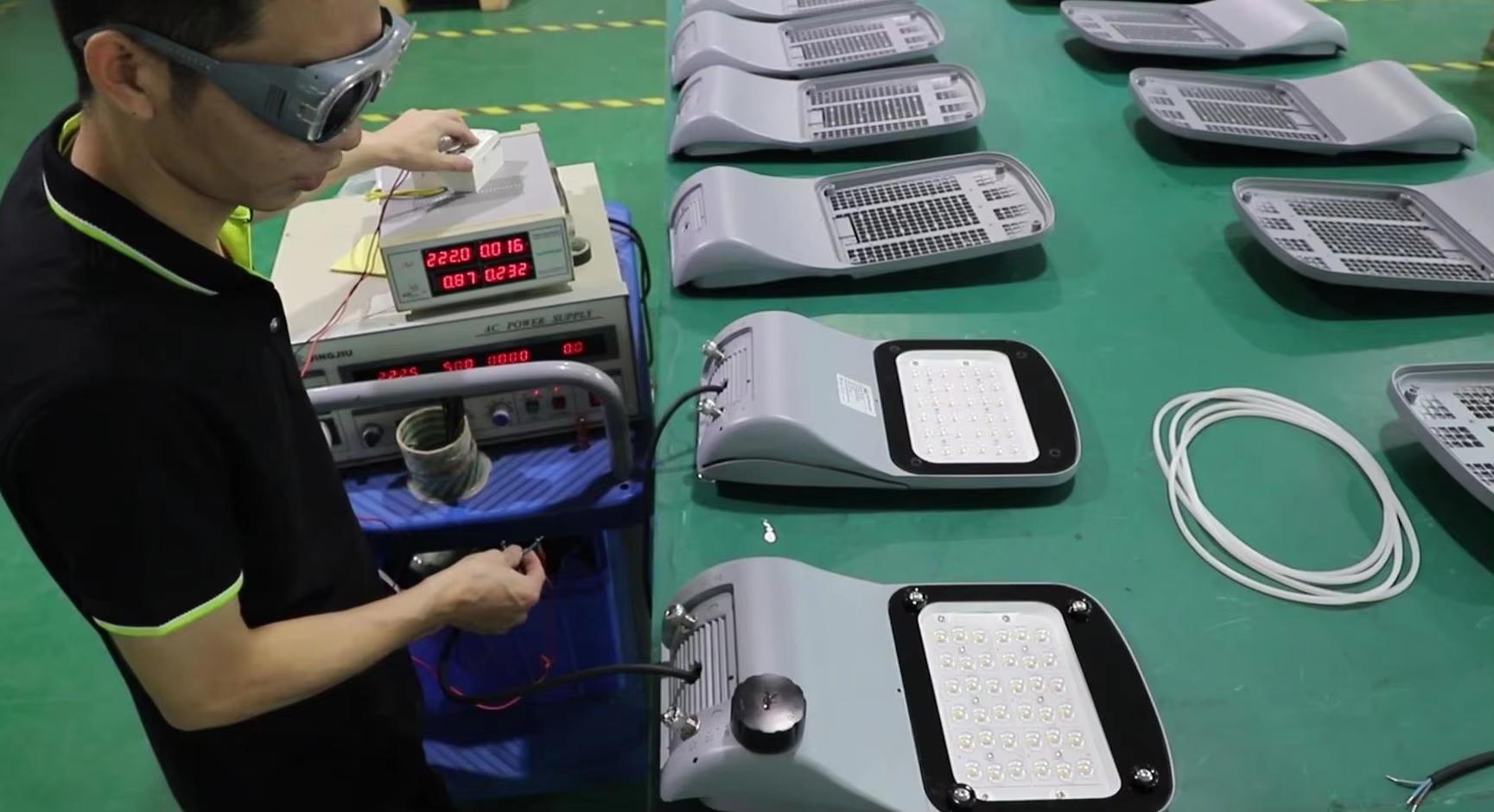
B2B buyers, distributors, and engineering contractors must carefully evaluate manufacturer capabilities before sourcing outdoor LED equipment. Relying solely on price calculations often leads to early field failures. For outdoor architectures, a reliable product assessment should prioritize the following verification checkpoints:
An IP65 rating protects against low-pressure water jets from any direction. IP66 steps this up to withstand high-pressure water sprays, making it ideal for standard stormy regions. IP67 protects against temporary water submersion up to 1 meter deep for 30 minutes, which is necessary for landscape uplights installed in low-lying, flood-prone ground positions.
DOB configurations place driver components directly on the aluminum substrate alongside the LED chips. This eliminates electrolytic capacitors, reducing structural size and failure points, and making them highly cost-effective. However, high-power or heavy commercial outdoor setups still favor isolated external drivers for superior heat dissipation, surge protection, and maintenance access.
Smart protocols enable dynamic management of commercial and residential outdoor spaces. Designers can program CCT white tuning (2700K to 6500K) or RGB color changes, dim fixtures based on daylight levels, group zones for scheduled operations, and monitor energy consumption in real time via mobile apps or centralized dashboards.
CRI measures how accurately a light source reveals colors. In landscape designs, fixtures with a high CRI (Ra ≥ 80 or Ra ≥ 90) are essential for bringing out the vibrant, natural greens of foliage and textures of stone, preventing the washed-out, gray appearance caused by low-CRI alternatives.
 Lijah Light