Premium outdoor architectural floodlights, dynamic stadium spotlights, and intelligent industrial warehouse solutions designed to exceed global compliance standards.
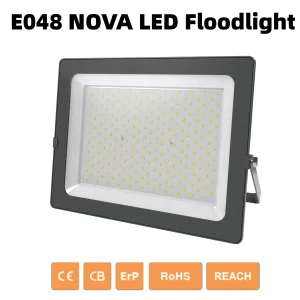
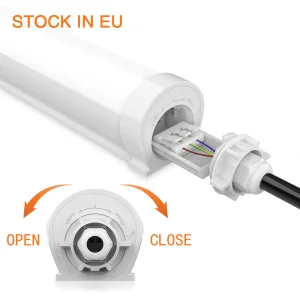
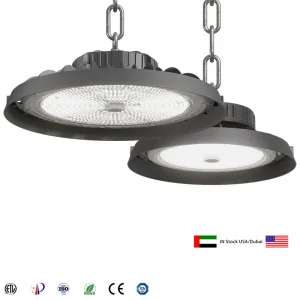
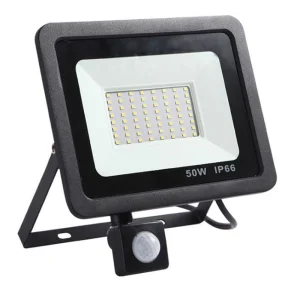
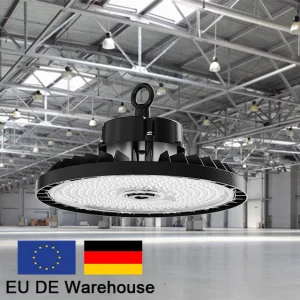
A comprehensive whitepaper examining energy efficiency, flicker-free broadcasting standards, and technical compliance in high-mast sports venues.
Modern sports facilities are transitioning rapidly from outdated metal halide (MH) fixtures to high-efficiency LED solid-state systems. Historically, ballpark operators grappled with high power consumption, multi-minute hot-restrike startup delays, and poor rendering indexes. Today, the global trend revolves around intelligent systems that provide instant illumination, high color consistency, and dimming capabilities compatible with multiple lighting control protocols (DMX512, DALI, and Zigbee/LoRa wireless architectures).
This shift is not merely driven by carbon footprint reductions. The proliferation of ultra-high-definition (UHD) and slow-motion video broadcasting requires specialized photometrics. Modern broadcasting networks demand flicker-free performance (ripple currents kept under 1% to 2% to ensure slow-motion replays show zero visual modulation). Furthermore, precision-engineered optics restrict spill light to surrounding residential sectors, aligning modern ballparks with Dark-Sky initiatives.
Traditional lighting design utilized generic floodlighting layouts that flooded the general playfield, resulting in significant spill-light pollution and glare for both players and spectators. Advanced sport illumination relies on customized asymmetric optical distribution profiles. By using PC or PMMA optical lens plates with varying distributions (such as 15°, 30°, 45°, and 60°x120° configurations), engineers target exact zones on fields, tracks, and pitches.
By utilizing integrated physical visors (shields) and asymmetric lens matrix modules, modern ballpark lighting minimizes the Unified Glare Rating (UGR < 19) along player sightlines. This structural control ensures high-altitude fly balls remain visible without blinding athletes, boosting player safety while preventing light intrusion in adjacent neighborhoods.
Additionally, integration with Building Management Systems (BMS) allows ballpark operations to program various lighting scenes—shifting from high-lux professional sports levels down to local training modes, cleaning levels, or dramatic concert illumination profiles with a single touch control. This dynamic flexibility saves operating costs and increases the utilization rates of public stadiums.
Acquiring heavy-duty luminaires for institutional, commercial, or municipal ballparks involves strict technical standards. Wholesalers, engineering, procurement, and construction (EPC) contractors, and municipal authorities cannot risk utilizing uncertified products. Depending on the geographical target market, specific regulatory pathways must be verified.
Beyond basic electrical certifications, mechanical structural testing is critical. Stadium floodlights are subjected to extreme wind loads and dynamic weather conditions. Exporters must provide certified EPA (Effective Projected Area) data sheets to evaluate wind resistance, alongside vibration test reports (such as 3G vibration standards) to verify integrity when mounted on high-mast poles. Corrosive protection (ISO 9227 salt-spray test ratings up to 1000 hours) is also required for coastal ballparks.
While upfront hardware costs are a vital variable, long-term operational expenditures define true ROI. OEM/ODM exporters optimize heat-sink designs to lower LED junction temperatures (kept below 75°C under nominal ambient environments of 40°C), significantly reducing thermal degradation. Highly engineered driver topologies (utilizing Inventronics, SOSEN, or MeanWell components) boast power factor ratings >0.95 and total harmonic distortion (THD) under 15%, leading to substantial energy savings and long-term operating reliability.
Integrating advanced production automation, strict quality control systems, and complete supply chain resilience for international markets.
Guangdong Lijah Light Co., Ltd. is a professional manufacturer specializing in the research, development, production, sales, and service of modern, energy-efficient, and intelligent LED lighting solutions. As a technology-driven enterprise, we are committed to providing innovative, reliable, and sustainable lighting products for industrial, commercial, and outdoor applications worldwide.
With years of industry experience, Lijah Light has become a trusted partner for distributors, wholesalers, contractors, and project developers across Europe, Oceania, Southeast Asia, the Middle East, and other international markets. By combining advanced manufacturing technologies with continuous product innovation, we provide customers with high-quality lighting solutions that deliver outstanding performance, long service life, and significant energy savings.
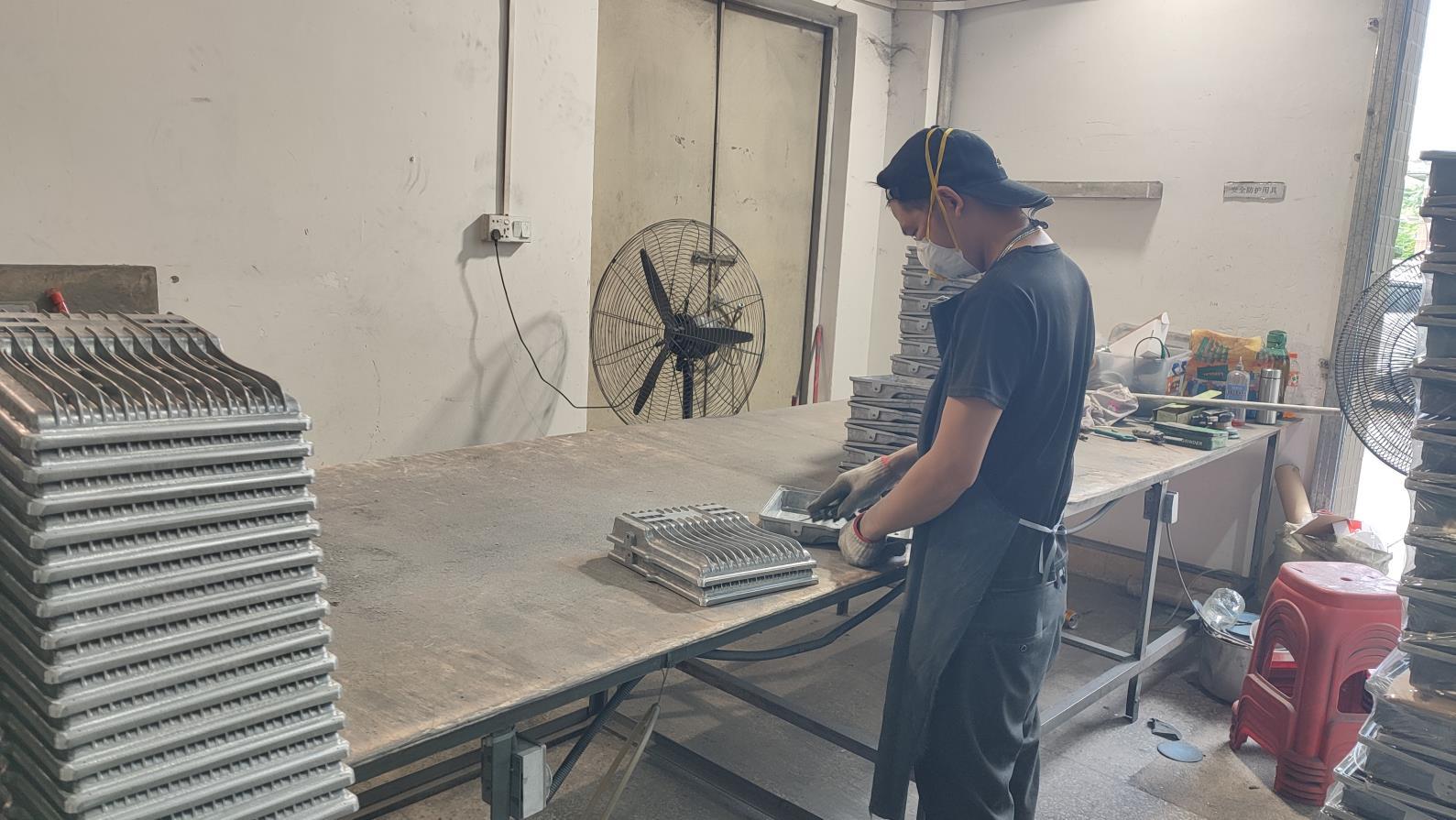
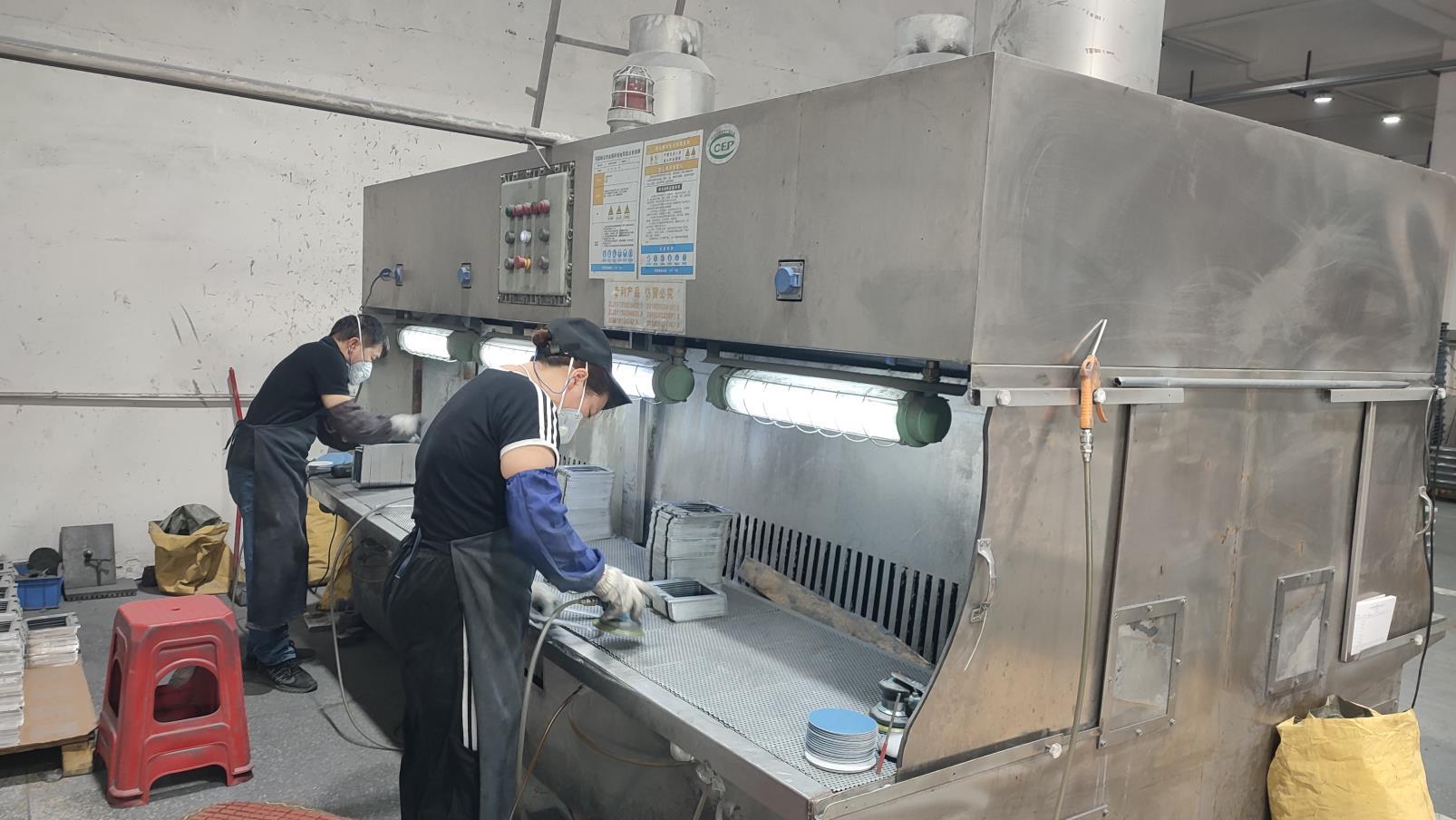
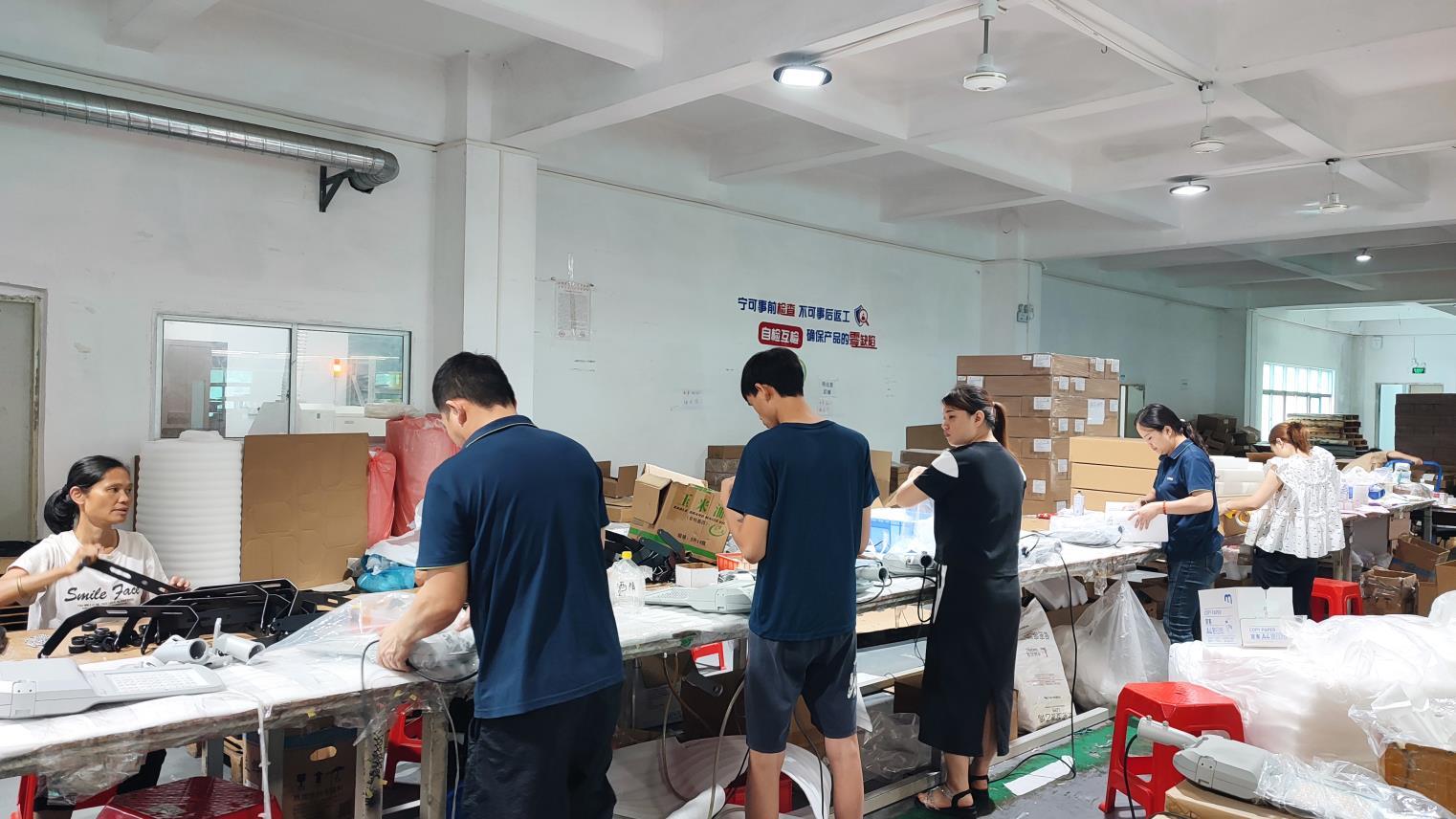
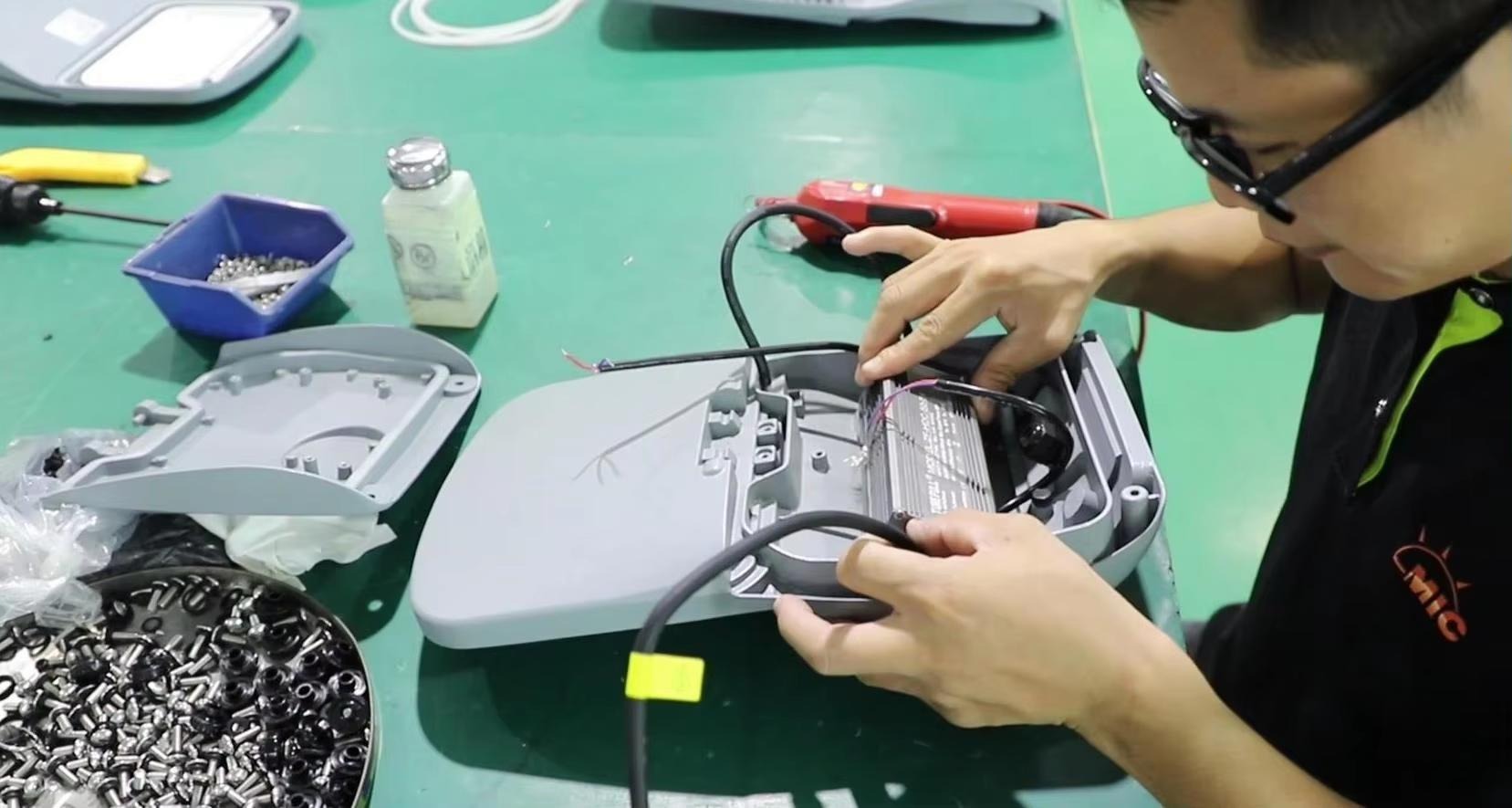
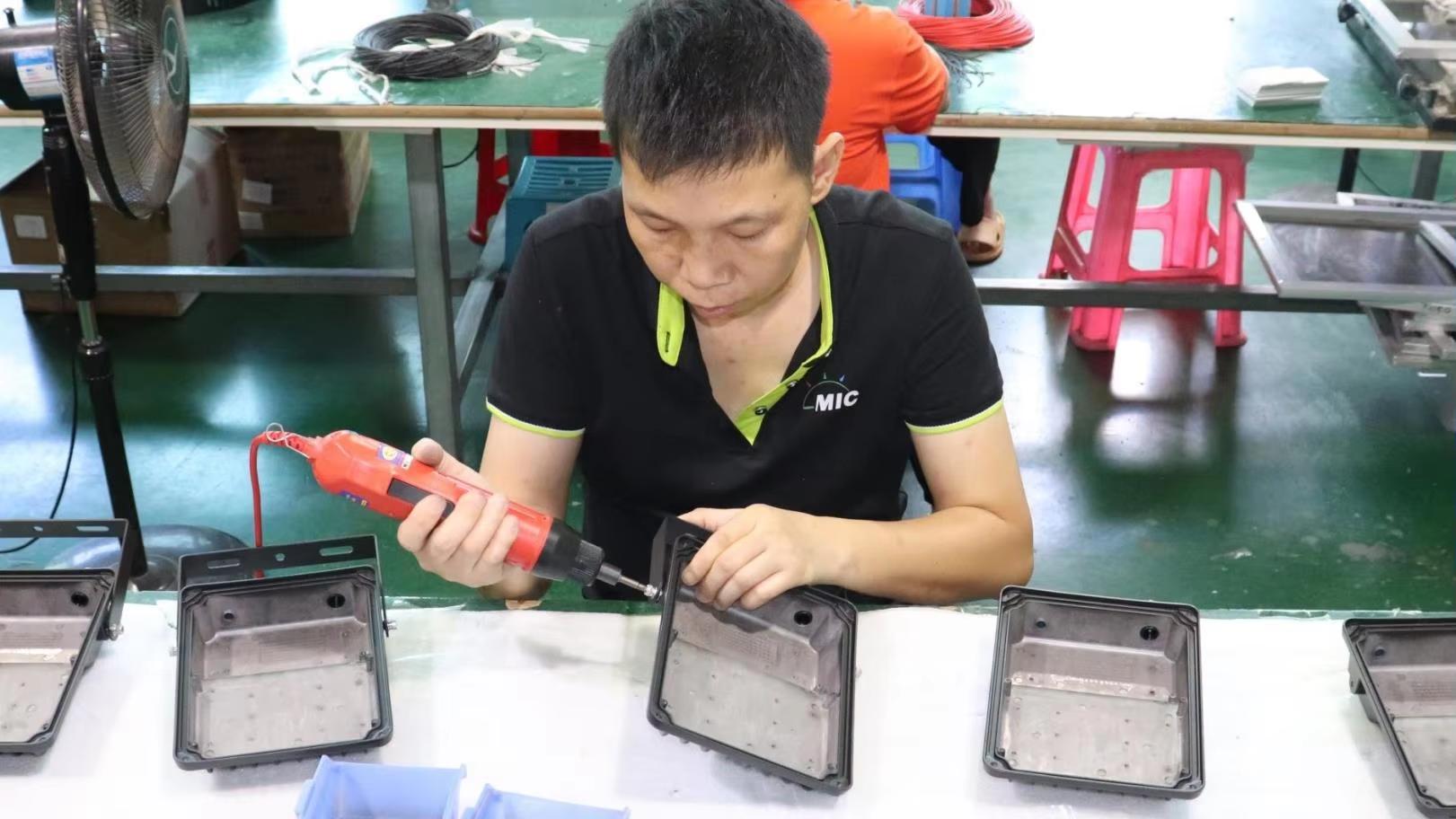
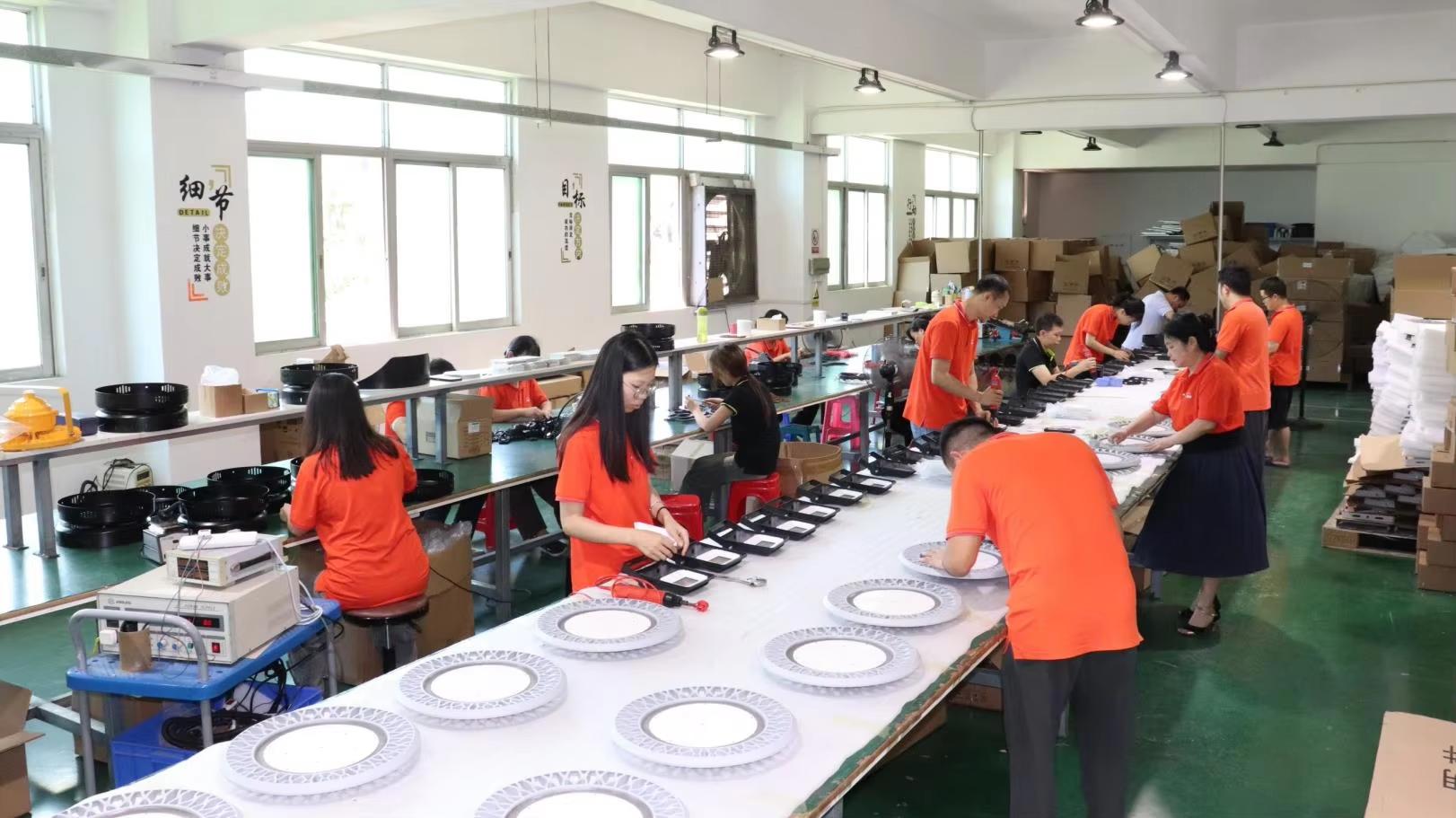
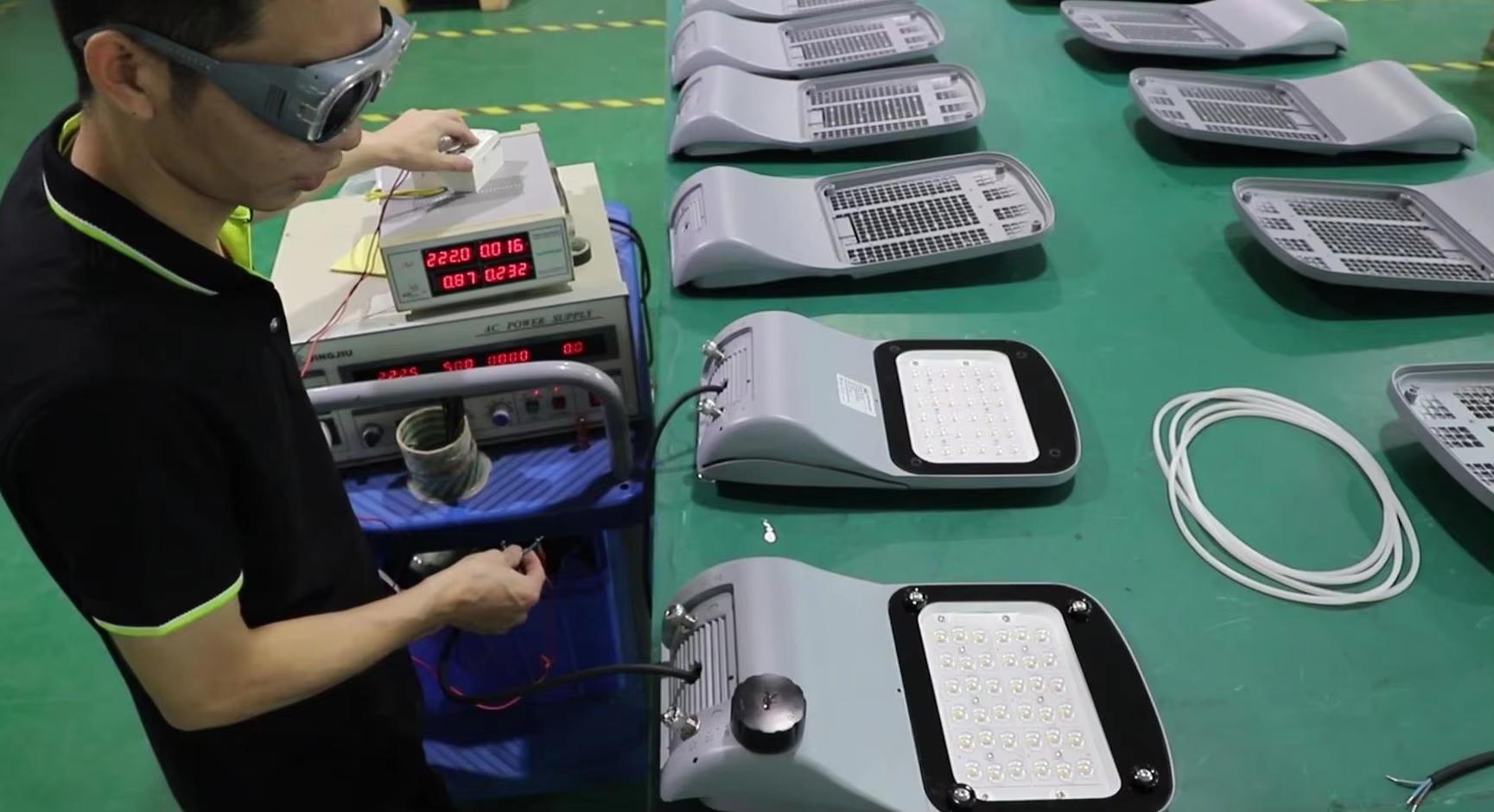
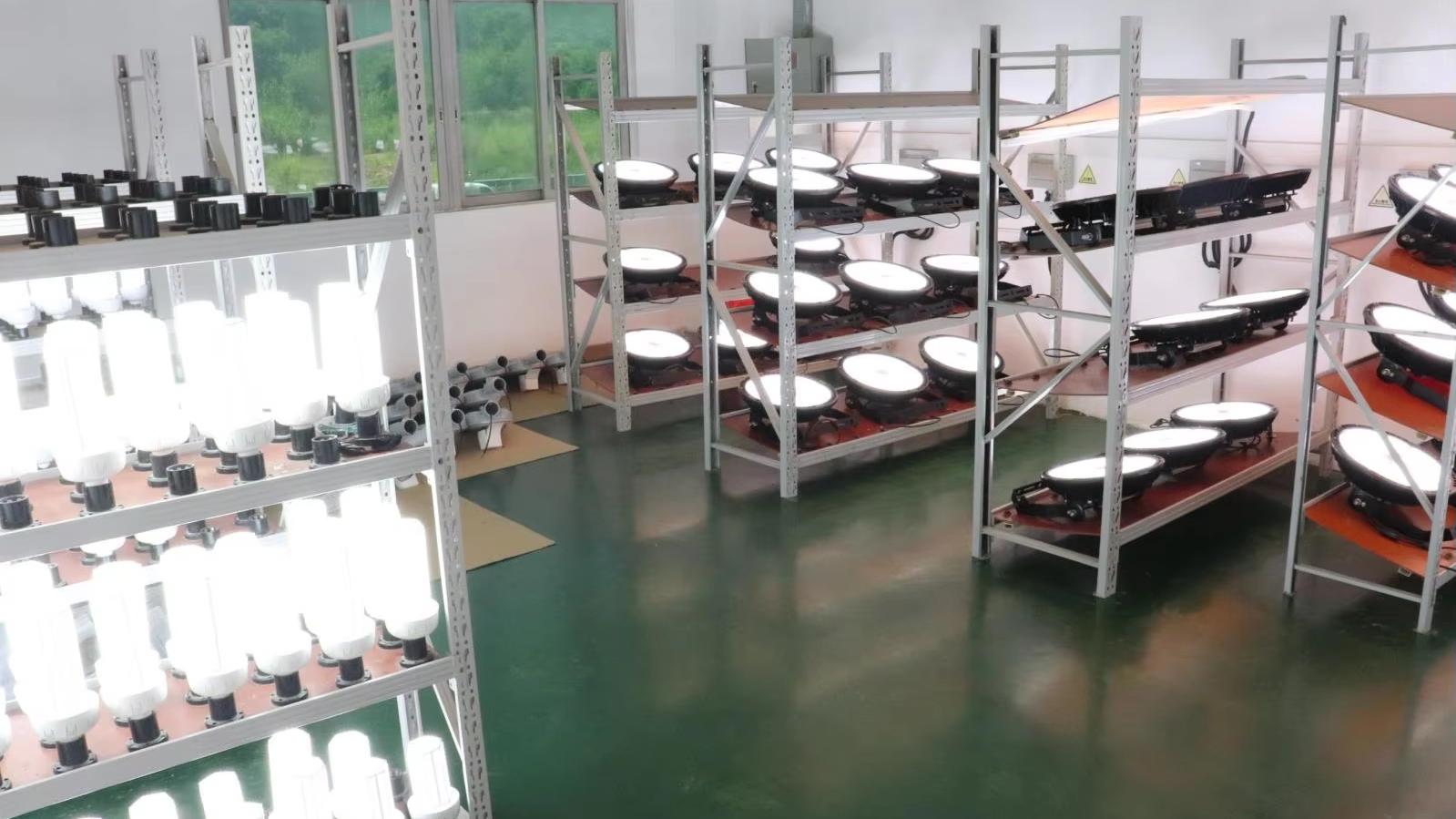
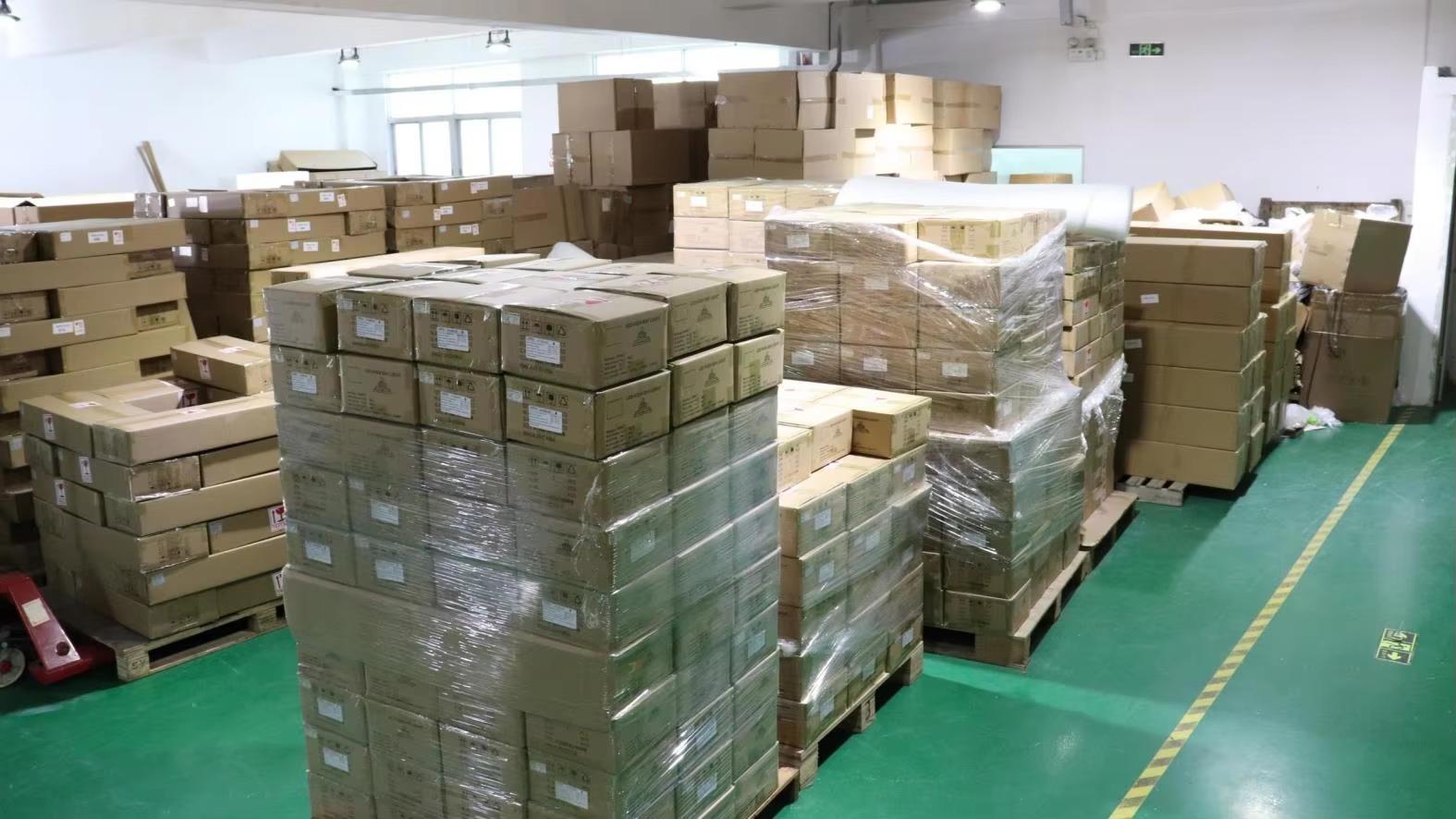
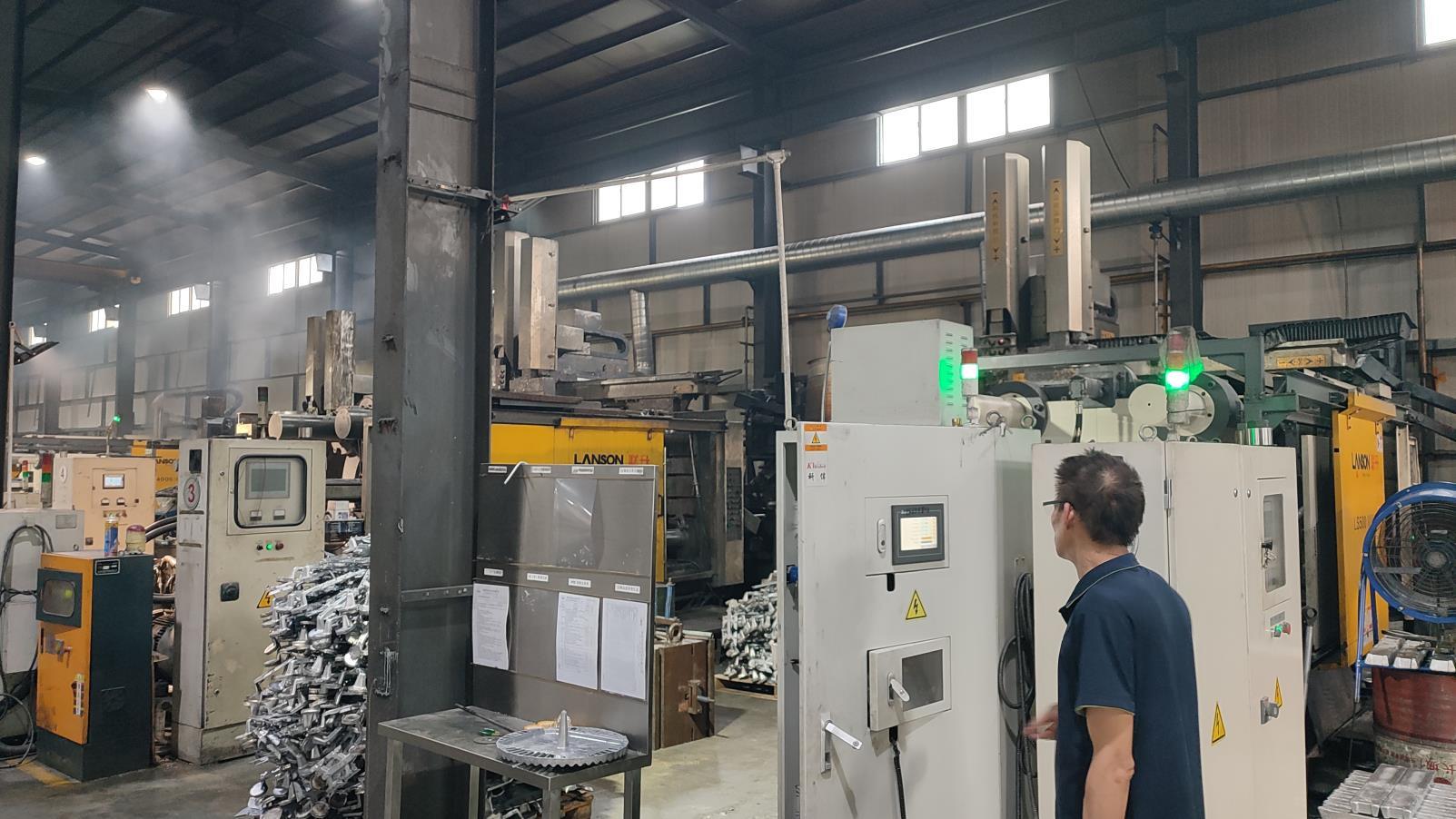
Our core manufacturing philosophy centers around "Factory 4.0" automation. By integrating automated die-casting, high-precision CNC machining, robotic assembly, and 100% computerized aging systems, we achieve consistent product quality and high throughput capacity. This vertically integrated supply chain enables us to offer competitive pricing, agile OEM customization, and quick turnaround times, minimizing supply chain vulnerabilities for our clients.
In addition to supplying high-quality LED lighting products, Guangdong Lijah Light provides professional lighting design support through DIALux simulation services. Our experienced engineers assist customers in optimizing lighting layouts, improving energy efficiency, and selecting the most suitable lighting solutions for industrial, commercial, and outdoor projects. This specialized engineering assistance helps project managers calculate average illuminance (lux), uniformity values (U0), and Unified Glare Ratings (UGR) before procurement, ensuring perfect field performance and reducing overall installation costs.
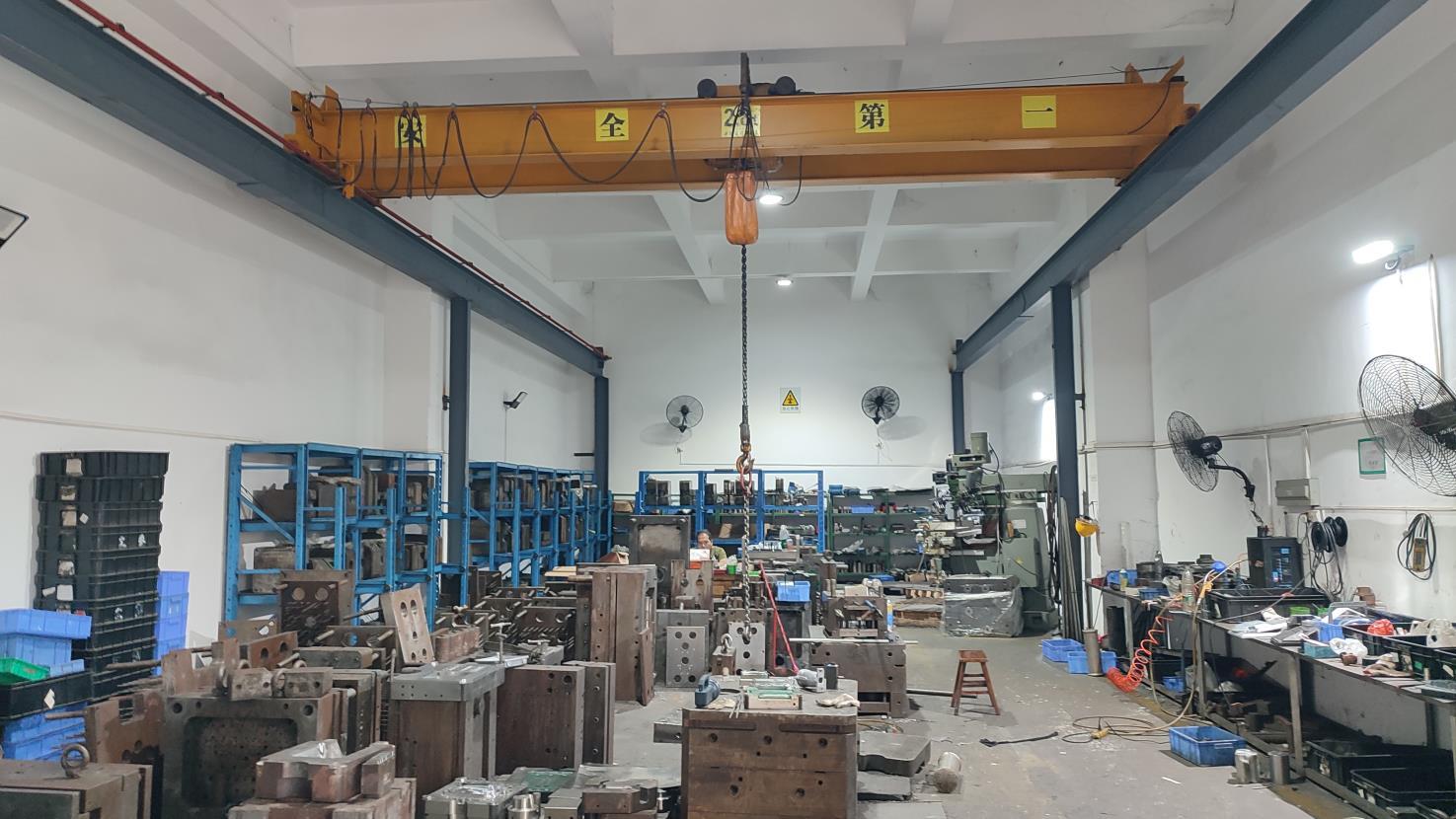
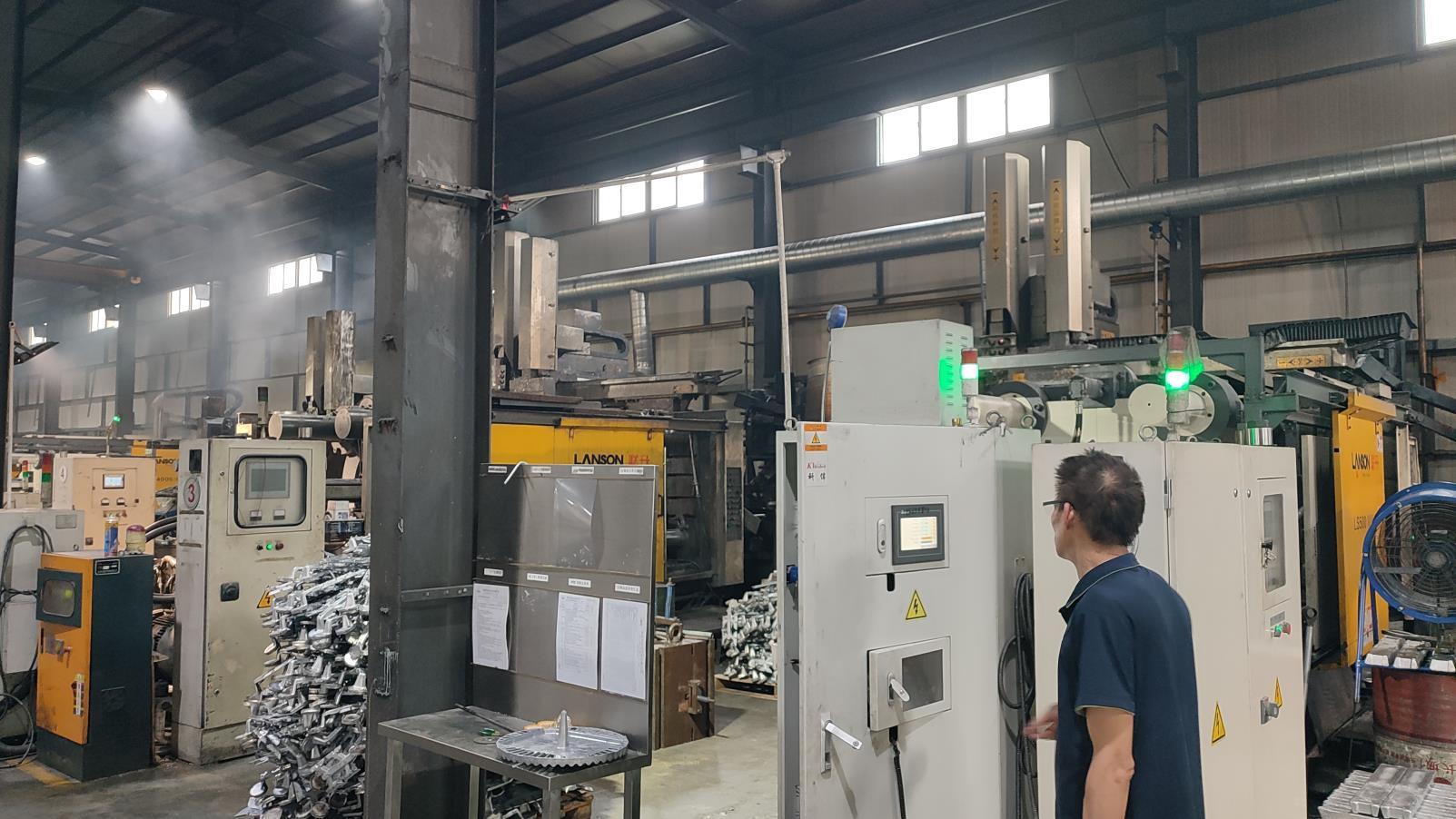
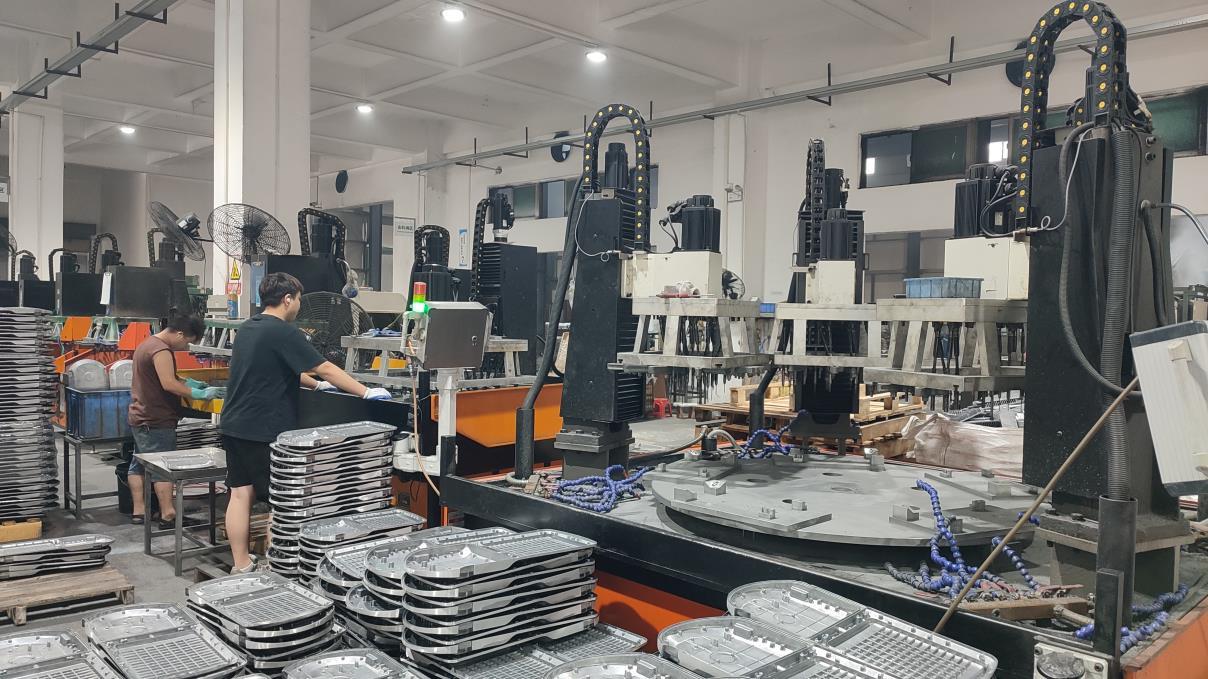
Analyzing localized demands, environmental stresses, and structural requirements across diverse sports field topologies.
For suburban softball, youth baseball, and local soccer venues, light spill reduction and ease of installation are critical. Systems require integrated optical shields to prevent light intrusion in surrounding residential zones, alongside lightweight housings to fit existing utility poles.
Freight yards, seaport terminals, and container depots require heavy-duty high-mast fixtures that operate continuously. These fixtures feature IP66/IP69K ratings to withstand high-pressure water cleaning, combined with robust 10kV/20kV surge protection devices (SPD) to resist electrical network fluctuations.
National-level arenas demand precise color rendition (CRI > 80, TLCI > 90) and high vertical illuminance levels. These requirements ensure broadcast cameras capture sharp slow-motion replays without visual flicker, while maintaining highly uniform light levels across the entire field of play.
Expert answers addressing the critical challenges encountered by lighting engineers, electrical contractors, and wholesale importers.
Explore our wider range of high-efficiency stadium floodlights, specialized food-processing industrial bays, and off-road work lighting systems.
 Lijah Light