Engineered to deliver high lumen-per-watt efficiency, thermal survivability, and longevity under harsh exterior environments.
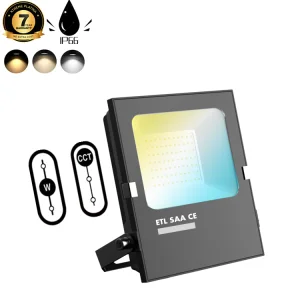
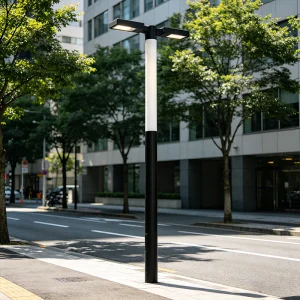
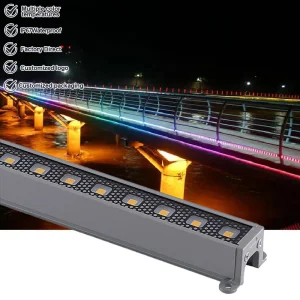
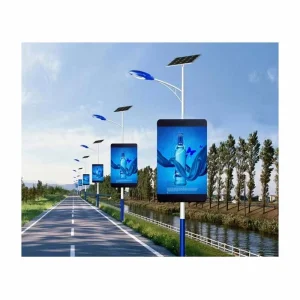
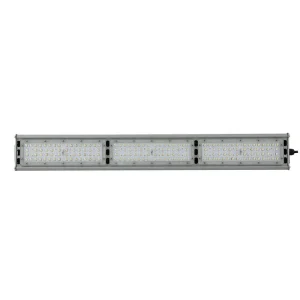
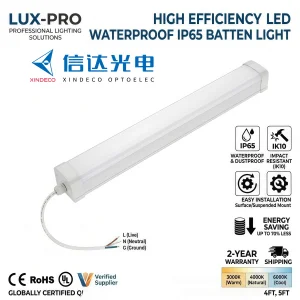
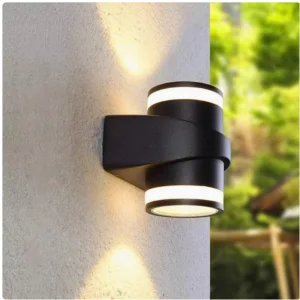
Analyzing global urban lighting demands, energy-saving pathways, and hardware topologies for municipal and commercial decision-makers.
Modern public lighting has expanded far beyond simple visibility. Today, LED streetlight solutions represent the structural backbone of smart city initiatives. As municipal budgets face pressures from fluctuating energy costs and carbon reduction mandates (such as the EU Green Deal and global net-zero targets), the transitioning of high-pressure sodium (HPS) and metal halide (MH) fixtures to Solid-State Lighting (SSL) technologies has become imperative.
The progression of streetlighting is marked by a structural shift toward high efficacy (lm/W), adaptive optics, and dynamic controls. Early generations of LED lamps delivered modest energy savings but struggled with glare control and thermal management. Today, advanced architectures combine state-of-the-art COB (Chip-on-Board) and SMD (Surface Mounted Device) arrays with sophisticated PMMA lenses to direct light precisely where it is required, limiting light pollution and minimizing wasted upward output (Zero ULR - Upward Light Ratio).
Large-scale purchasing of LED streetlights by EPC (Engineering, Procurement, and Construction) contractors, utility companies, and global wholesalers requires rigorous balance across key metrics. The total cost of ownership (TCO) calculation dominates procurement decisions. While initial capital expenditure (CAPEX) remains a consideration, the operational expenditure (OPEX)—governed by energy consumption and replacement intervals—constitutes over 80% of a lighting system's lifetime cost.
Contractors require products backed by verified, long-term warranty metrics (typically 5 to 7 years) to eliminate maintenance overhead. A key vulnerability in outdoor lighting systems is driver failure; hence, specifying Tier-1 programmable LED drivers (such as Inventronics, MeanWell, or Sosen) with built-in 10kV/20kV surge protection devices (SPD) is critical to withstanding erratic utility grids and lightning strikes in tropical or coastal environments.
A premier technology-driven manufacturer delivering state-of-the-art industrial, commercial, and outdoor lighting solutions to the global market.
Guangdong Lijah Light Co., Ltd. is a professional manufacturer specializing in the research, development, production, sales, and service of modern, energy-efficient, and intelligent LED lighting solutions. As a technology-driven enterprise, we are committed to providing innovative, reliable, and sustainable lighting products for industrial, commercial, and outdoor applications worldwide.
With years of industry experience, Lijah Light has become a trusted partner for distributors, wholesalers, contractors, and project developers across Europe, Oceania, Southeast Asia, the Middle East, and other international markets. By combining advanced manufacturing technologies with continuous product innovation, we provide customers with high-quality lighting solutions that deliver outstanding performance, long service life, and significant energy savings.
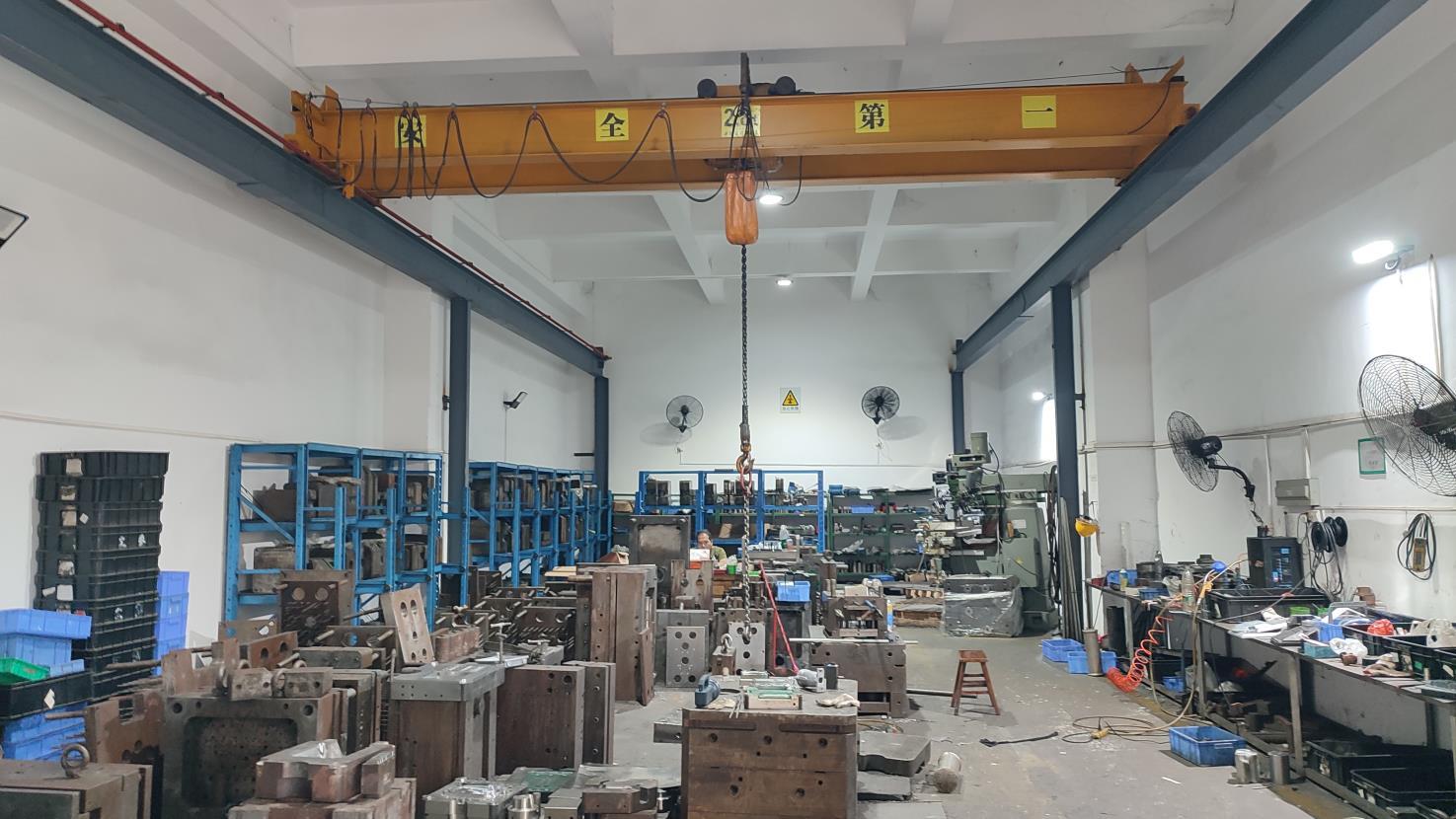
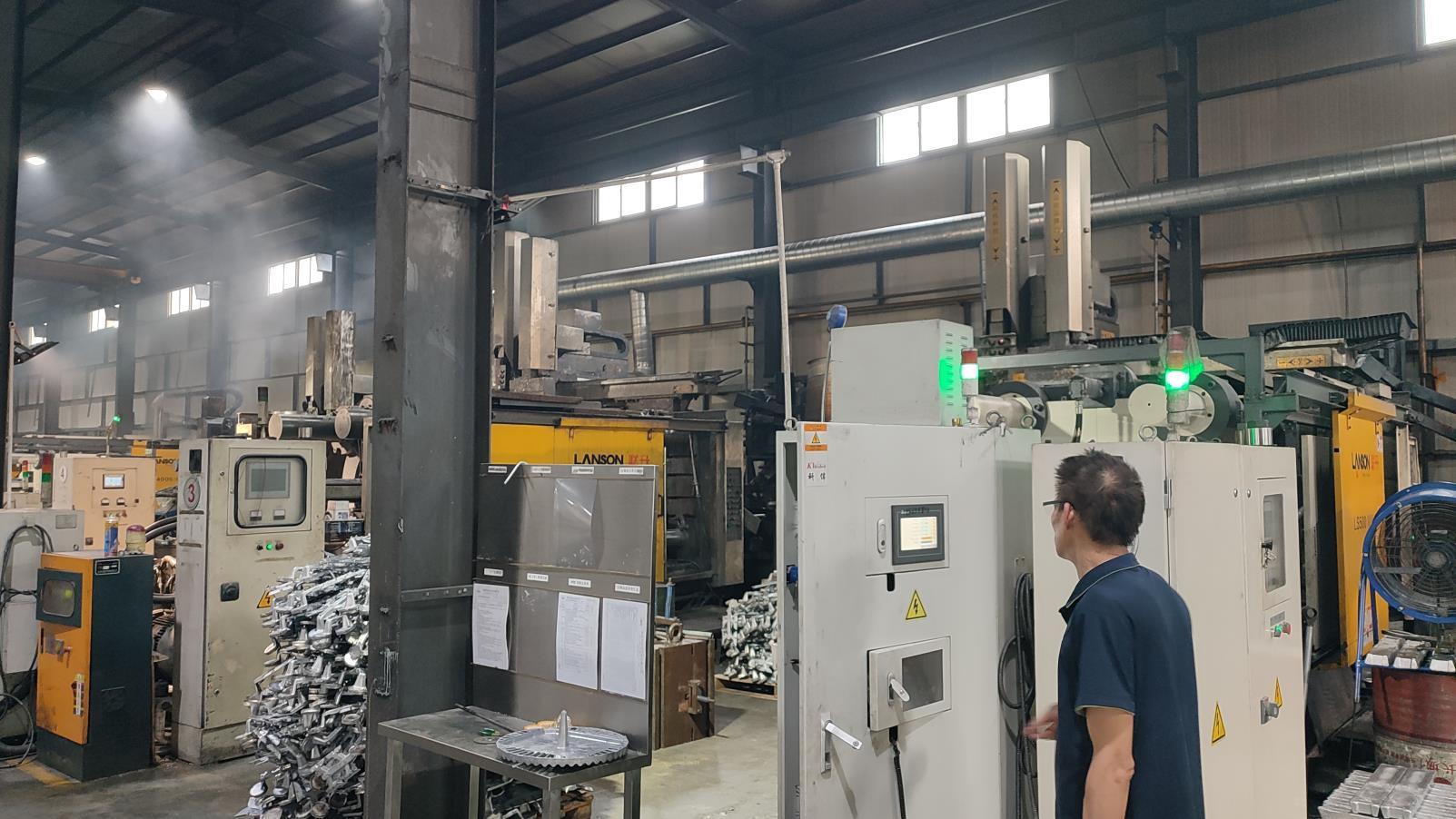
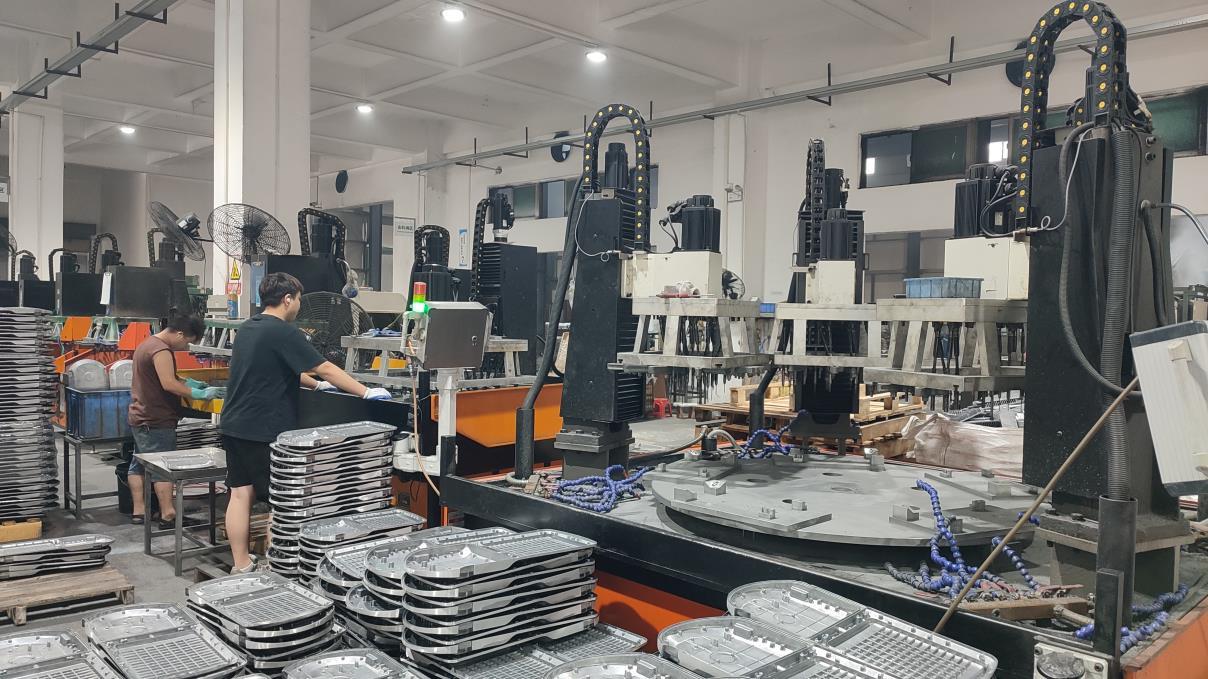
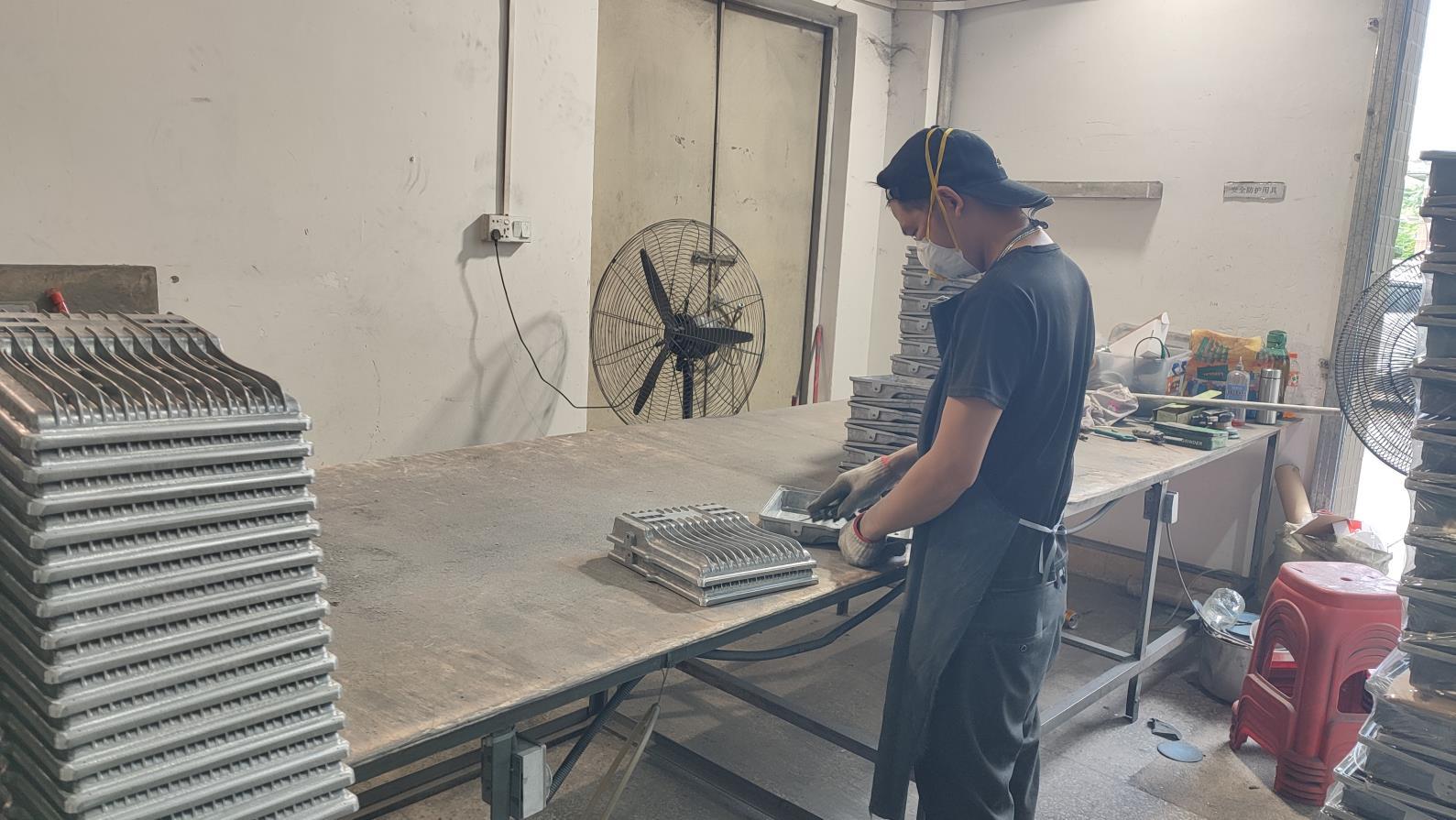
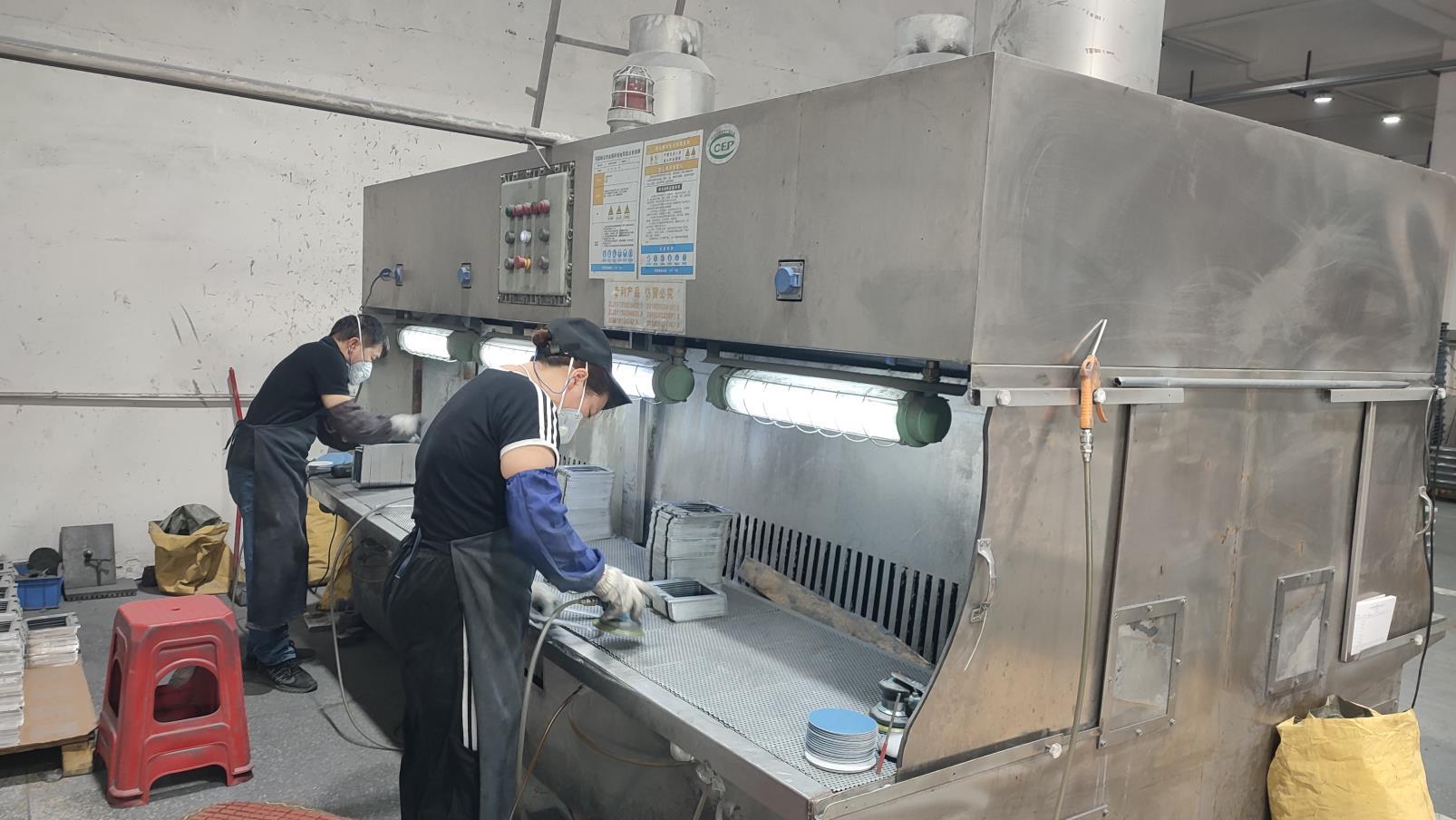
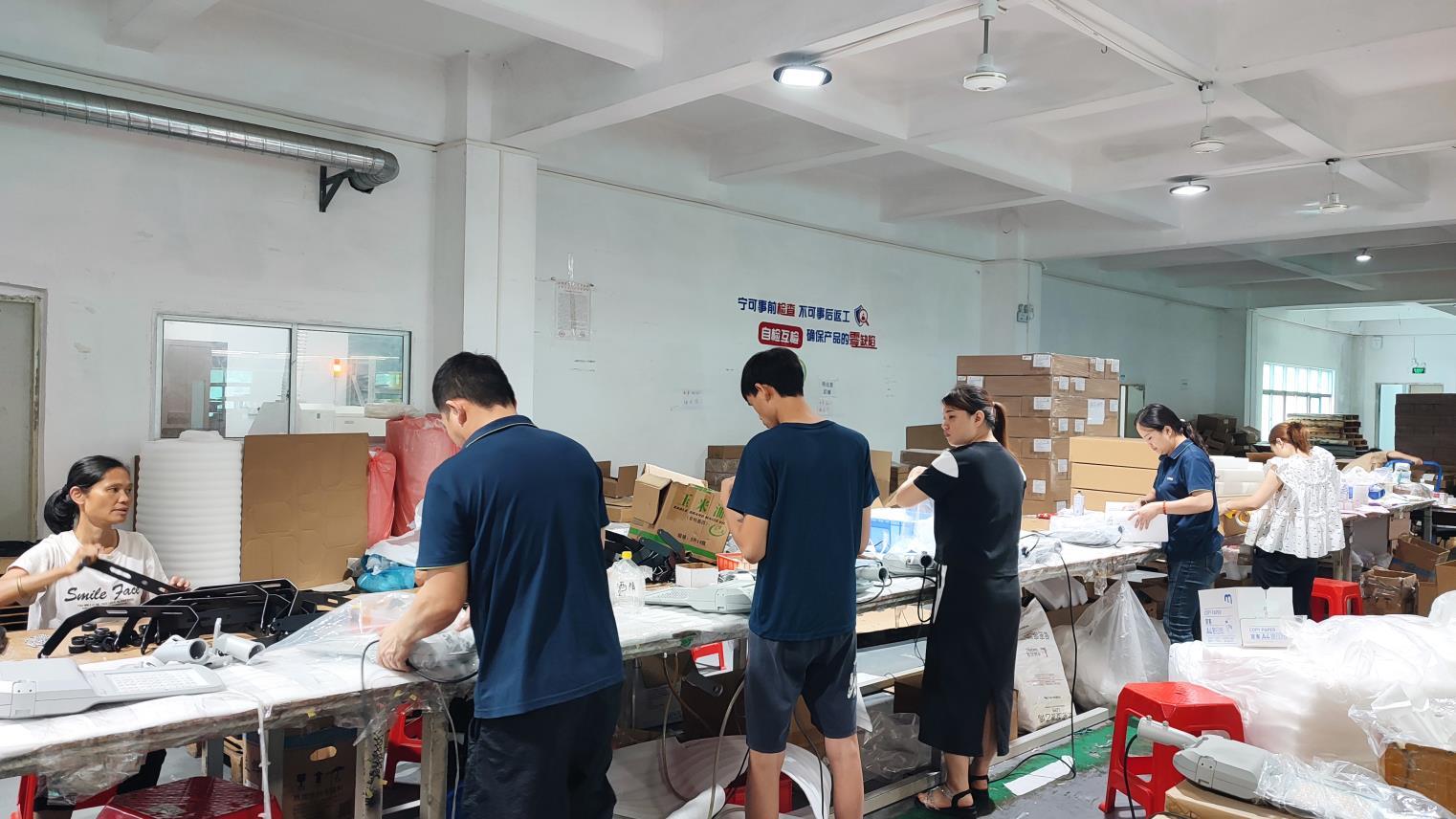
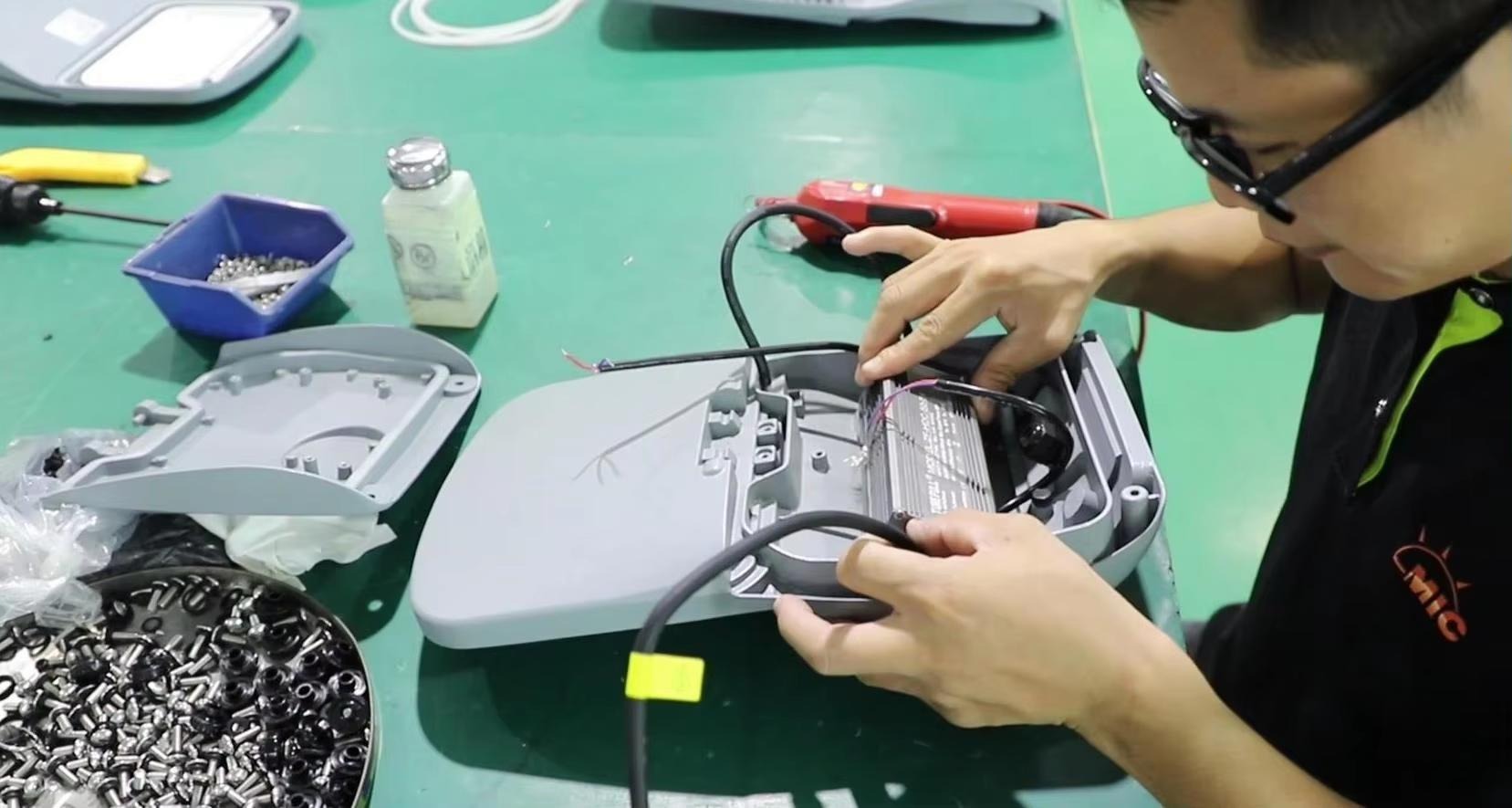
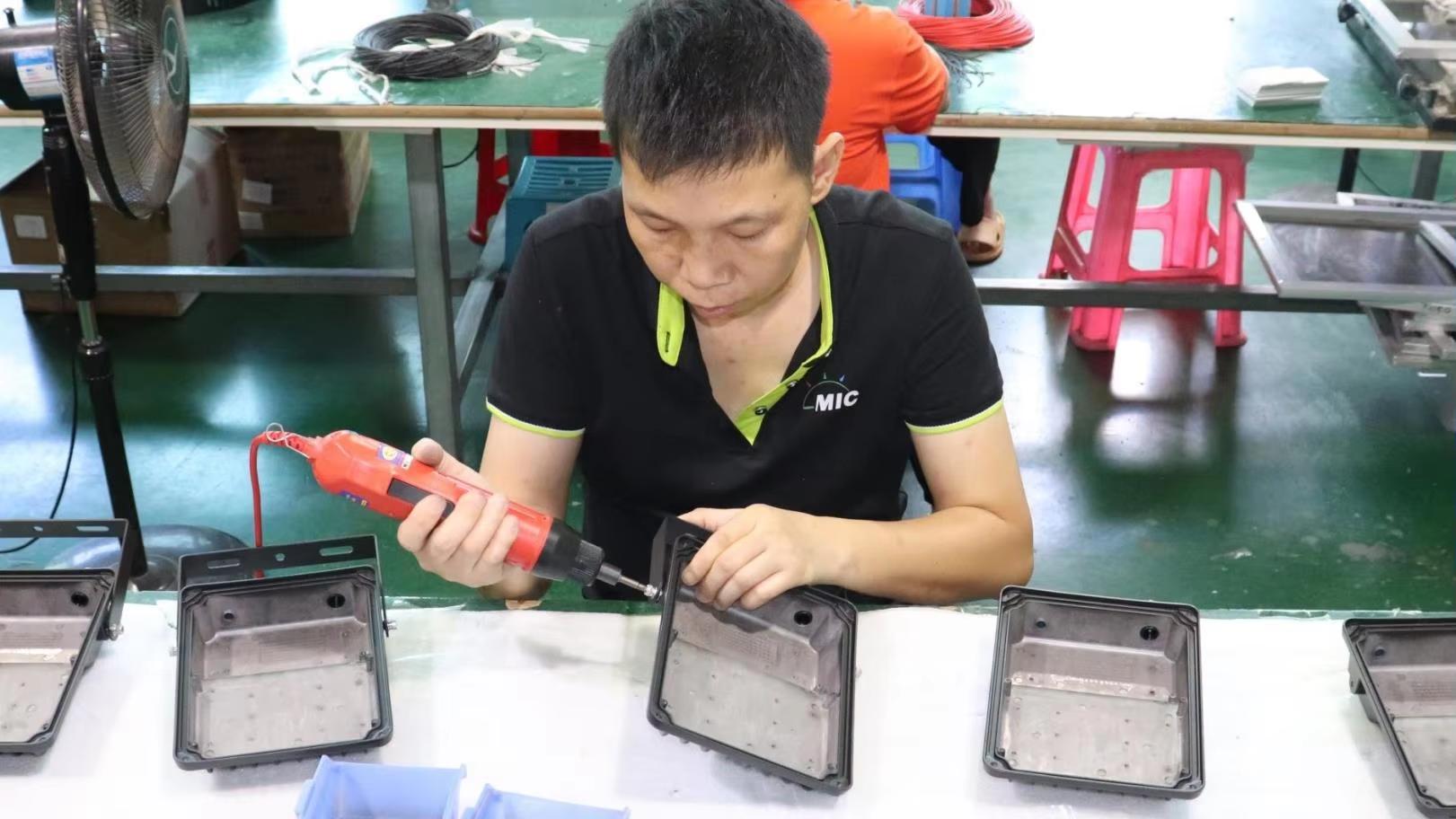
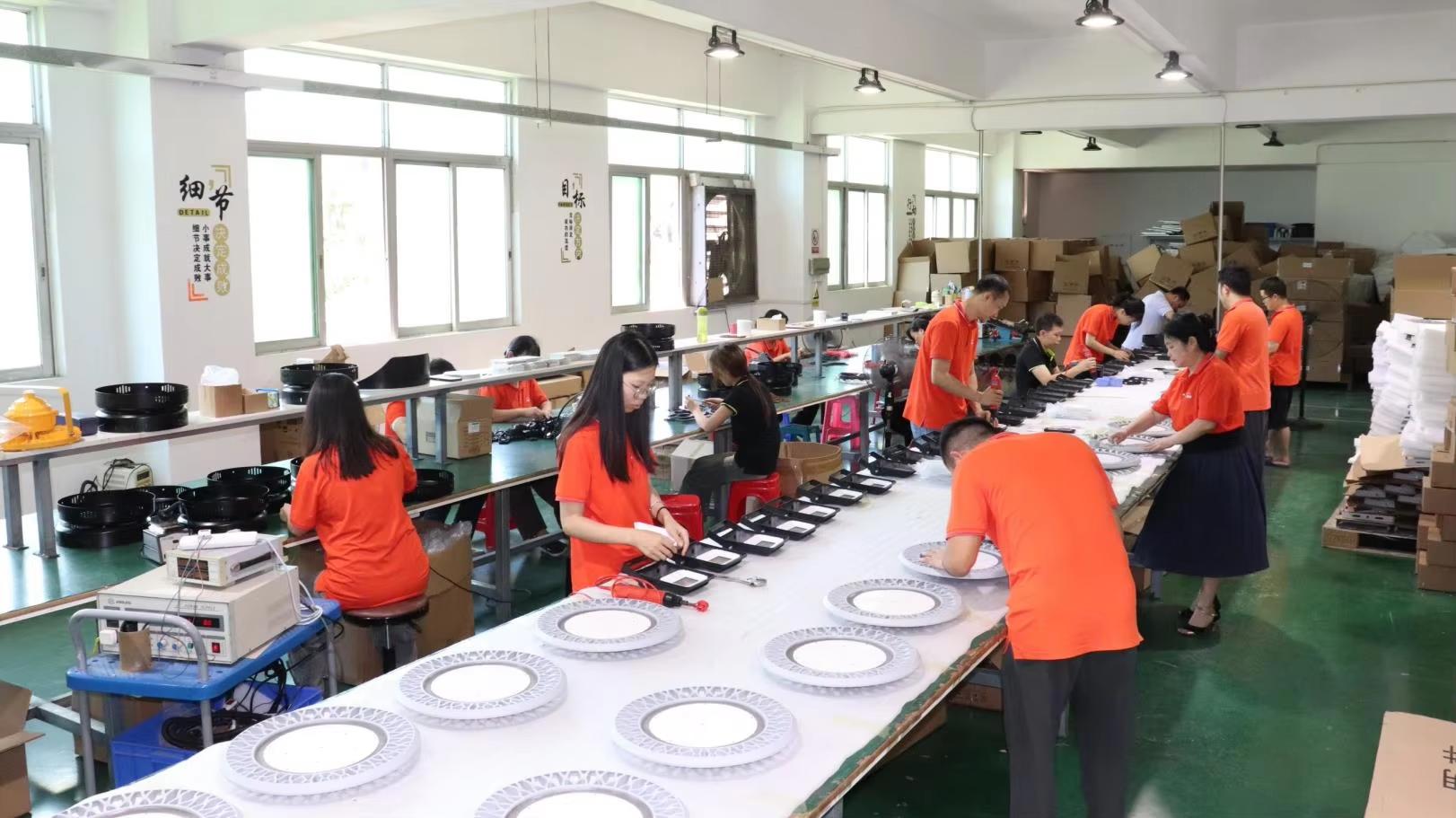
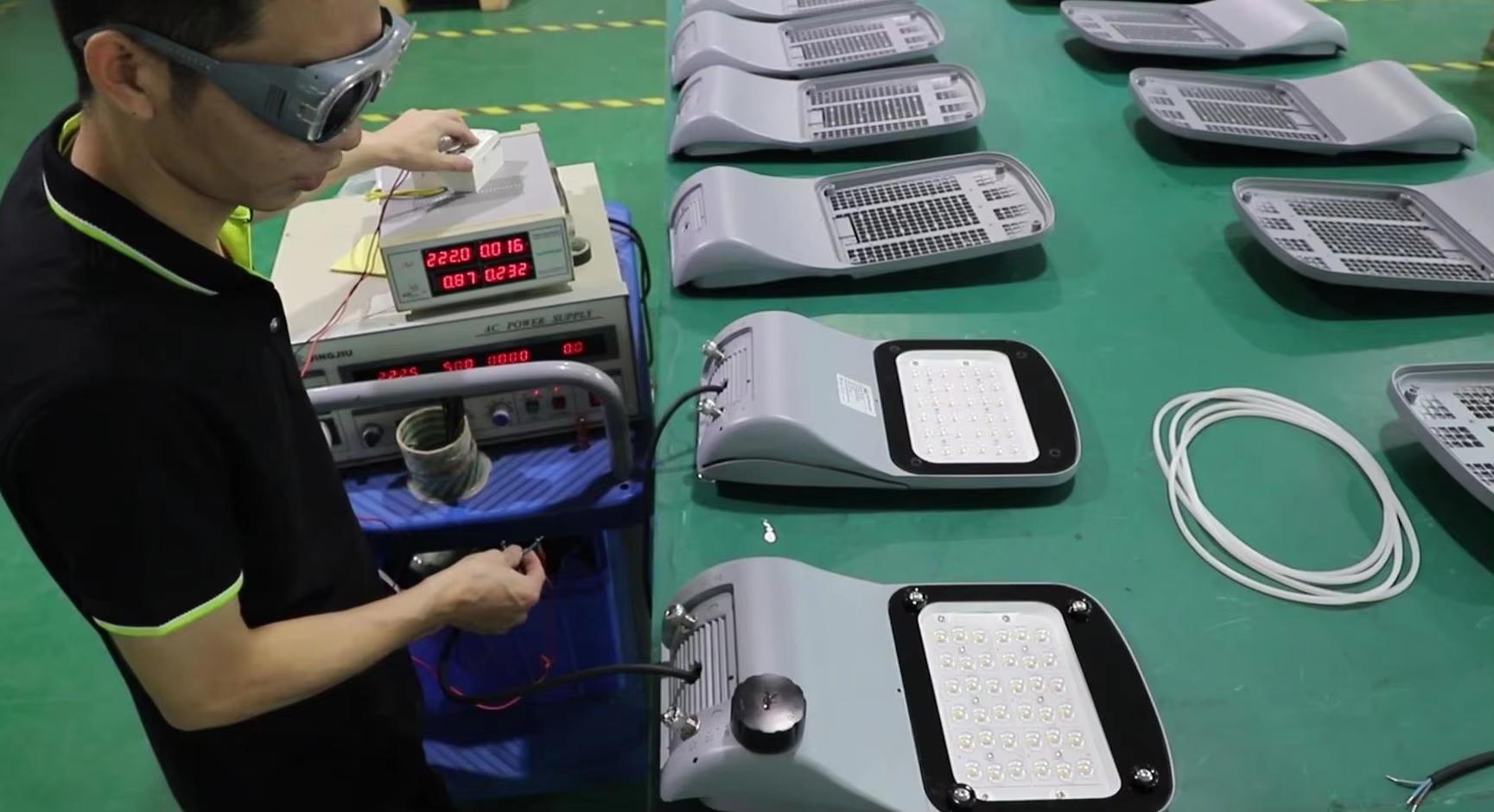
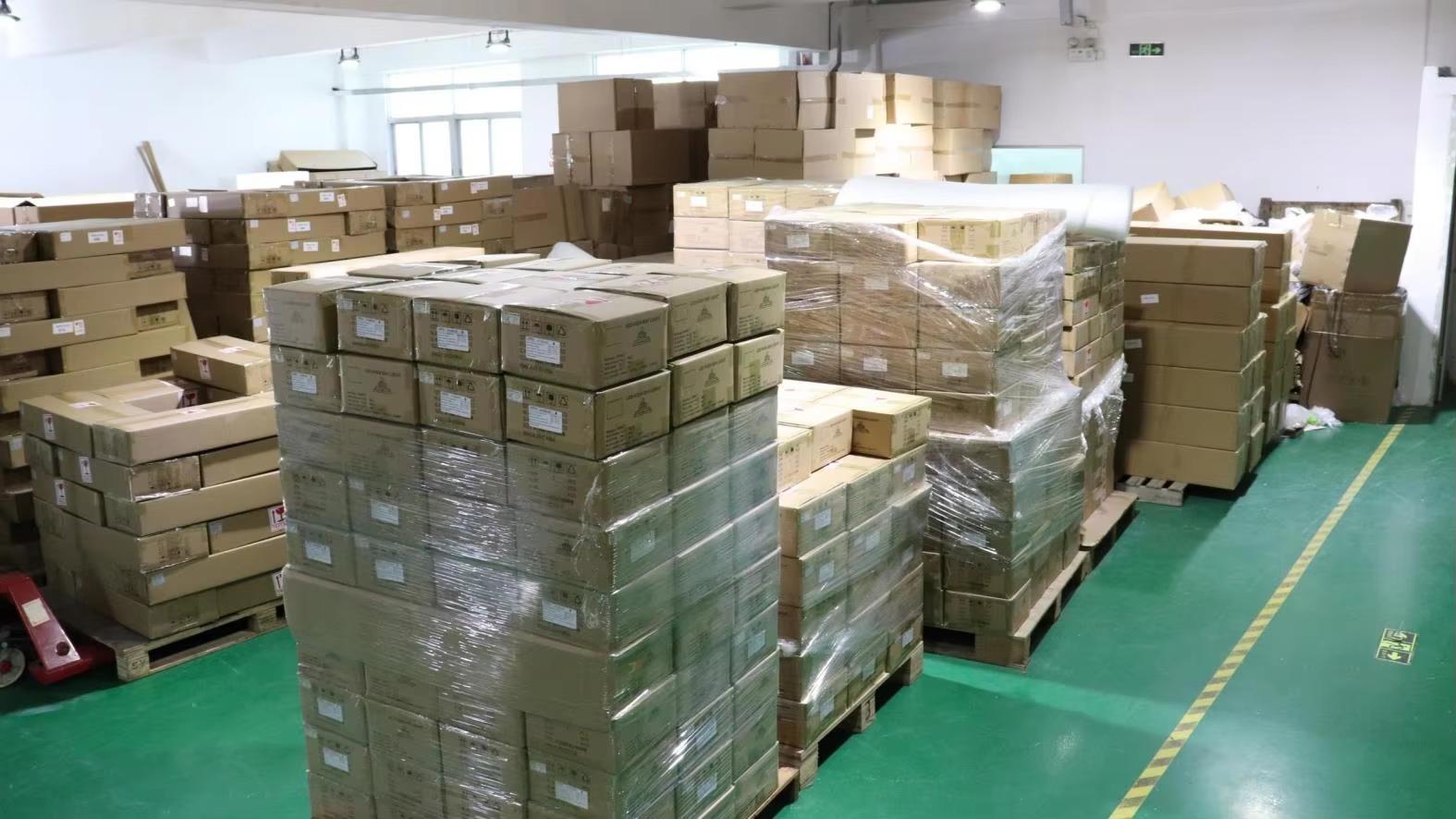
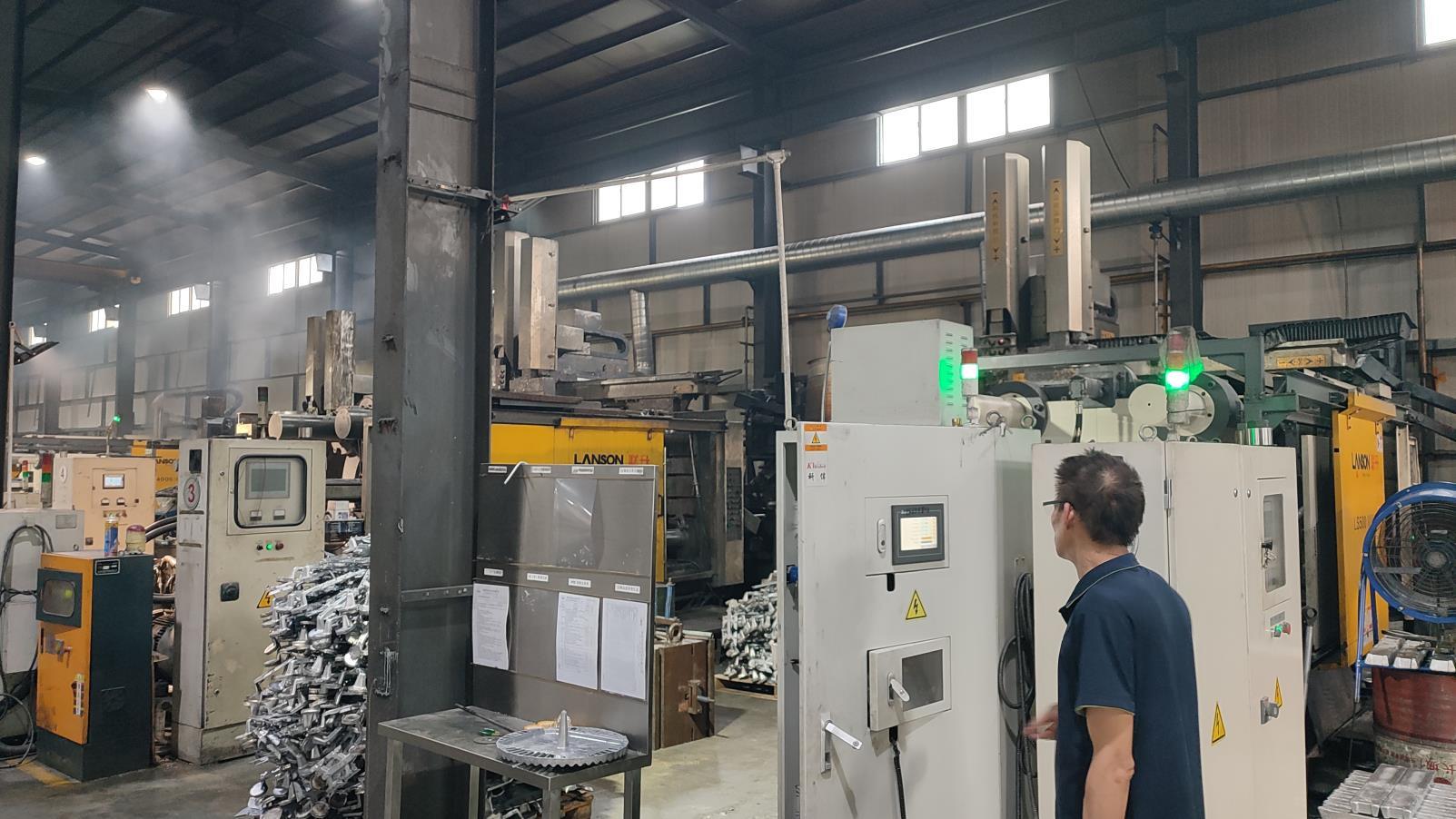
At our production facilities in Guangdong, quality is engineered directly into every step. We control the complete manufacturing cycle from tooling design to final quality control. This vertical integration allows us to achieve strict manufacturing tolerances, rapid prototype iterations, and competitive pricing for bulk municipal bids.
Effective streetlighting design demands specialized asymmetric distribution curves to ensure uniform illuminance across multilane highways and pedestrian sidewalks without blinding drivers. Modern schemes utilize varied optic classes to optimize light dispersion:
Designed for narrow to medium width roadways. Projects light forward and outward, maximizing pole-to-pole distance and reducing overall fixture counts.
Utilizing high-grade ADC12 / A380 die-cast aluminum housing. Specially designed cooling fins channel heat away from the LED chips, maintaining junction temperatures below 75°C.
Equipped with integrated 10kV standard (upgradable to 20kV) surge suppression, IP66 waterproof rating, and IK08/IK10 mechanical impact protection.
For municipal installations, compliance with regional regulatory standards is non-negotiable. Guangdong Lijah Light Co., Ltd. ensures that its manufacturing processes align with strict global benchmarks. Our product lines meet CE and RoHS requirements, and our key fixtures have secured certifications including TÜV, ENEC, VDE, SAA, C-Tick, CB, LM79, and LM80.
Beyond certifications, our facility relies heavily on DIALux Simulation Services. This enables engineering teams to input actual roadway width, mounting heights, overhangs, and pole spacing to generate exact 3D lux-level maps. This process guarantees that planned designs comply with international roadway standards, such as EN 13201 or RP-8-18, prior to logistics deployment.
| Evaluation Parameter | Legacy HPS Fixtures | Lijah LED Systems | Technical Impact |
|---|---|---|---|
| System Luminous Efficacy | 70 - 90 lm/W | 140 - 160+ lm/W | Up to 50% energy footprint reduction |
| Lumen Maintenance (L70) | 15,000 - 24,000 Hrs | > 100,000 Hrs (TM-21) | Substantial decrease in maintenance cycles |
| Color Rendering Index (CRI) | < 25 Ra (poor detail) | > 70 / 80 Ra (high contrast) | Improved roadway safety and CCTV visibility |
| Smart Node Integration | Analog photocells only | 7-Pin NEMA, Zhaga Book 18 | Enables IoT and localized dimming schedules |
The contemporary streetlighting industry is shifting from standalone luminaires to networked, data-enabled IoT endpoints. This integration relies on standardization. By including standardized 5-pin or 7-pin NEMA receptacles or Zhaga sockets on the fixture canopy, suppliers ensure compatibility with central management systems (CMS) using protocols like LoRaWAN, NB-IoT, and Zigbee.
These smart lighting nodes allow municipalities to program adaptive dimming schedules based on traffic density, weather conditions, or time of day. This dynamic operation can yield an additional 20-30% energy savings on top of the base LED conversion, accelerating project payback periods to under three years in many jurisdictions.
Providing technical answers for project managers and procurement officers seeking heavy-duty outdoor lighting solutions.
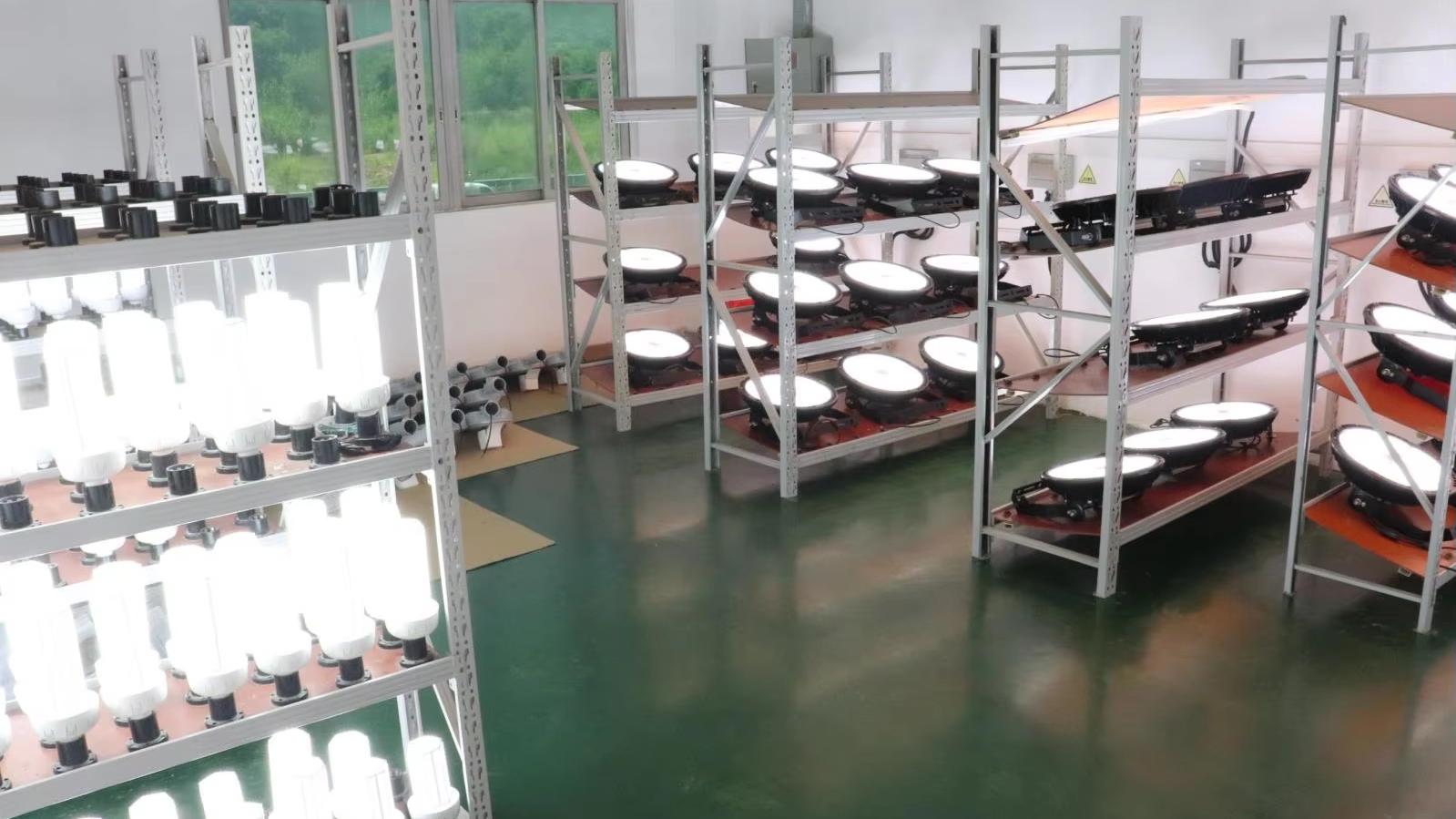
Our streetlights use high-grade LEDs with certified LM-80 test data. Combined with rigorous in-house testing—including 24 to 48-hour continuous aging cycles under voltage load—and high-thermal conductivity aluminum casings, we keep junction temperatures low to ensure L70 lifetimes exceed 100,000 hours.
High-speed highways typically demand Type II-M or Type III-M optics to cast light widely down multilane roadways. Local streets and pedestrian walkways generally use Type II-S or Type I-S lenses to reduce backward glare onto private properties while keeping paths safe.
Yes. We partner with top-tier driver manufacturers like Inventronics, MeanWell, and Sosen to configure wide-input voltage options (e.g., 90-305V or 347-480V for industrial grids). These are paired with 10kV/20kV surge protection components to ensure continuous operation through voltage spikes.
Our technical team provides detailed DIALux simulations. By analyzing pole height, spacing, lane width, and required lux/uniformity targets, we configure the ideal optical configuration and wattage. This detailed reporting can be submitted directly with your municipal tender documents.
Our luminaires carry ENEC and CE marks for European markets, and SAA and C-Tick approvals for Australia and New Zealand. Certified test reports, including CB, LM79, and LM80, are available to facilitate customs clearance and local utility rebates.
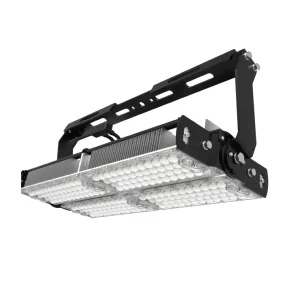
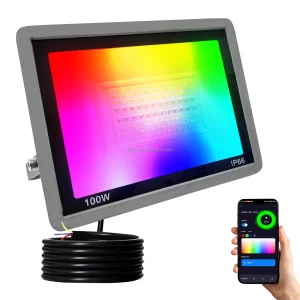
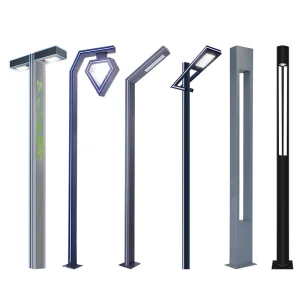
Explore our high-performance stadium, parking lot, and structural fixtures engineered to withstand extreme exterior applications.
 Lijah Light