Explore our highly-engineered LED products designed for commercial and industrial outdoor applications.
Analyzing Optical Dynamics, Engineering Standards, and Global Facade Architecture Requirements
Modern architectural schemes no longer treat lighting as an afterthought; instead, it is configured as a central pillar of structural expression. High-efficacy LED Wall Washers function as the primary instrument for landscape designers seeking to convey texture, depth, and spatial bounds on large vertical structures. From skyscrapers to heritage bridges, the optical distribution must be calculated precisely. By delivering uniform vertical illuminance, our systems eliminate shadows and highlight subtle stone textures or composite architectural facades.
Historically, low-efficiency halogen or metal halide units suffered from substantial lumen depreciation and severe chromatic shifting. Today's commercial requirements demand high color-rendering index (CRI > 80) values and tight MacAdam Ellipse bins (typically <3 SDCM). This ensures uniform chromatic consistency across long linear stretches, removing visual distractions and fulfilling the strict requirements of municipal lighting master plans.
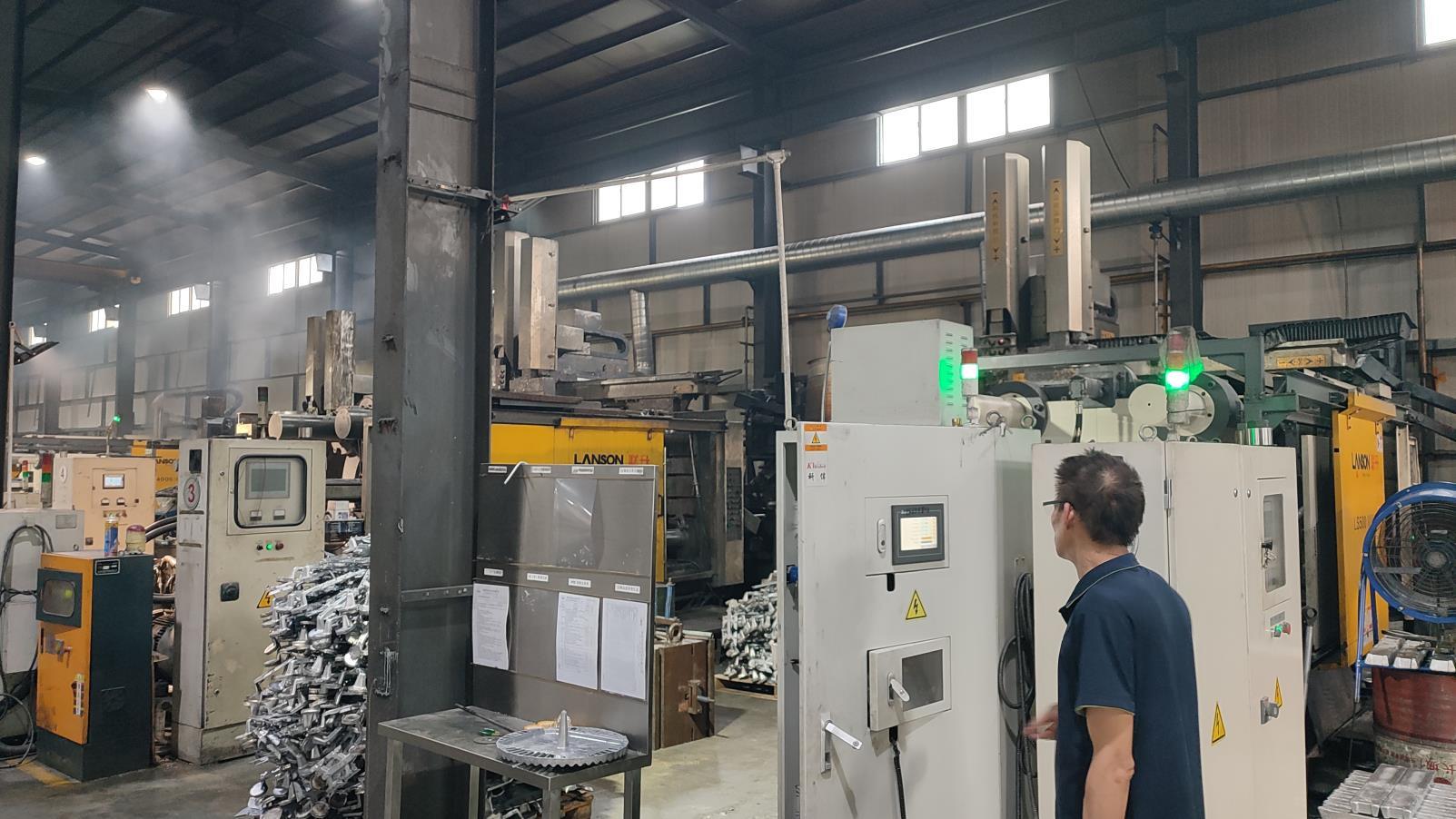
The operational longevity of a wall washer is directly related to its thermal management system. High-power LEDs generate localized heat fluxes that, if unmanaged, cause rapid junction temperature rises. This results in permanent color shifts and diminished luminescent output. At Guangdong Lijah Light Co., Ltd., we utilize marine-grade, die-cast aluminum alloys (ADC12) featuring integrated thermal channels. These channels guide heat away from the PCB substrate via convection currents, keeping junction temperatures below 75°C under high ambient heat conditions.
Additionally, outdoor configurations face demanding ingress risks from driving rain, condensation, and atmospheric particulates. Our fixtures feature a dual-chamber structural seal with IP66 and IP67 protection ratings. A high-durability, anti-condensation valve matches internal pressure with ambient shifts, preventing micro-condensation on internal optics and preserving optical clarity over decades of operation.
Choosing the correct optical distribution is critical. Symmetrical optics scatter light evenly in a circular cone, suitable for broad floodlighting. Asymmetrical lens configurations, however, tilt the optical axis, targeting the luminous intensity vector towards the wall surface. This reduces light spill and optimizes energy efficiency by directing light precisely where it is required.
To operate effectively in international markets, compliance with local safety and quality standards is essential. Different regions have varying performance and safety mandates. In Europe, CE and RoHS compliance provides baseline safety, while certifications such as TÜV, ENEC, and VDE verify long-term performance under load. In the Oceania market, SAA and C-Tick markers are required, ensuring compliance with strict electromagnetic interference rules.
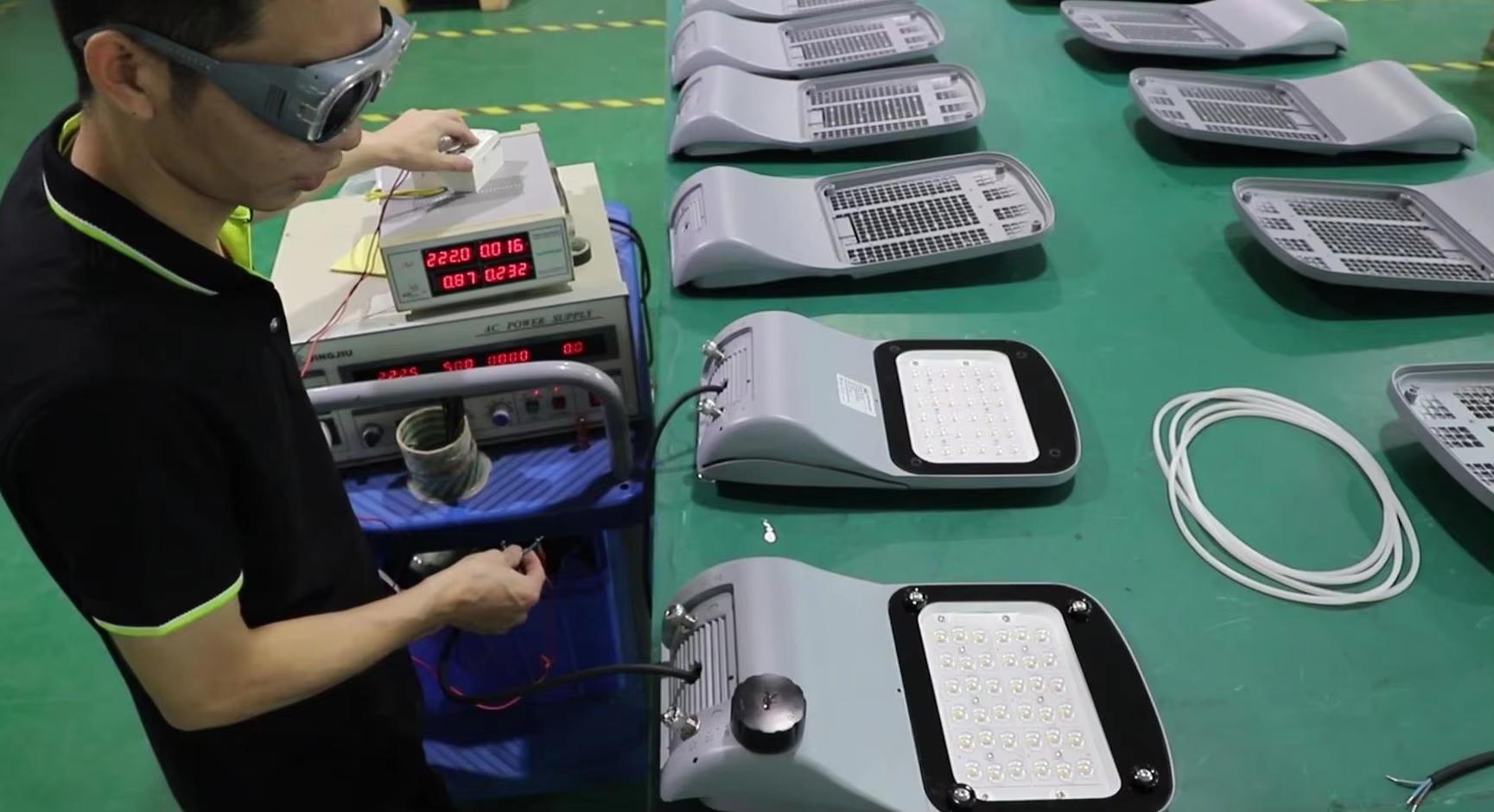
For large public and government contracts, photometrical and environmental validation must be verified by accredited third parties. Our manufacturing facilities provide full LM79 (luminous flux, electrical power, and efficacy measurements) and LM80 (lumen maintenance tests over 6,000+ hours) test data. This data provides global engineering offices with the reliable metrics needed for complex simulation models and ensures approval by municipal inspection authorities.
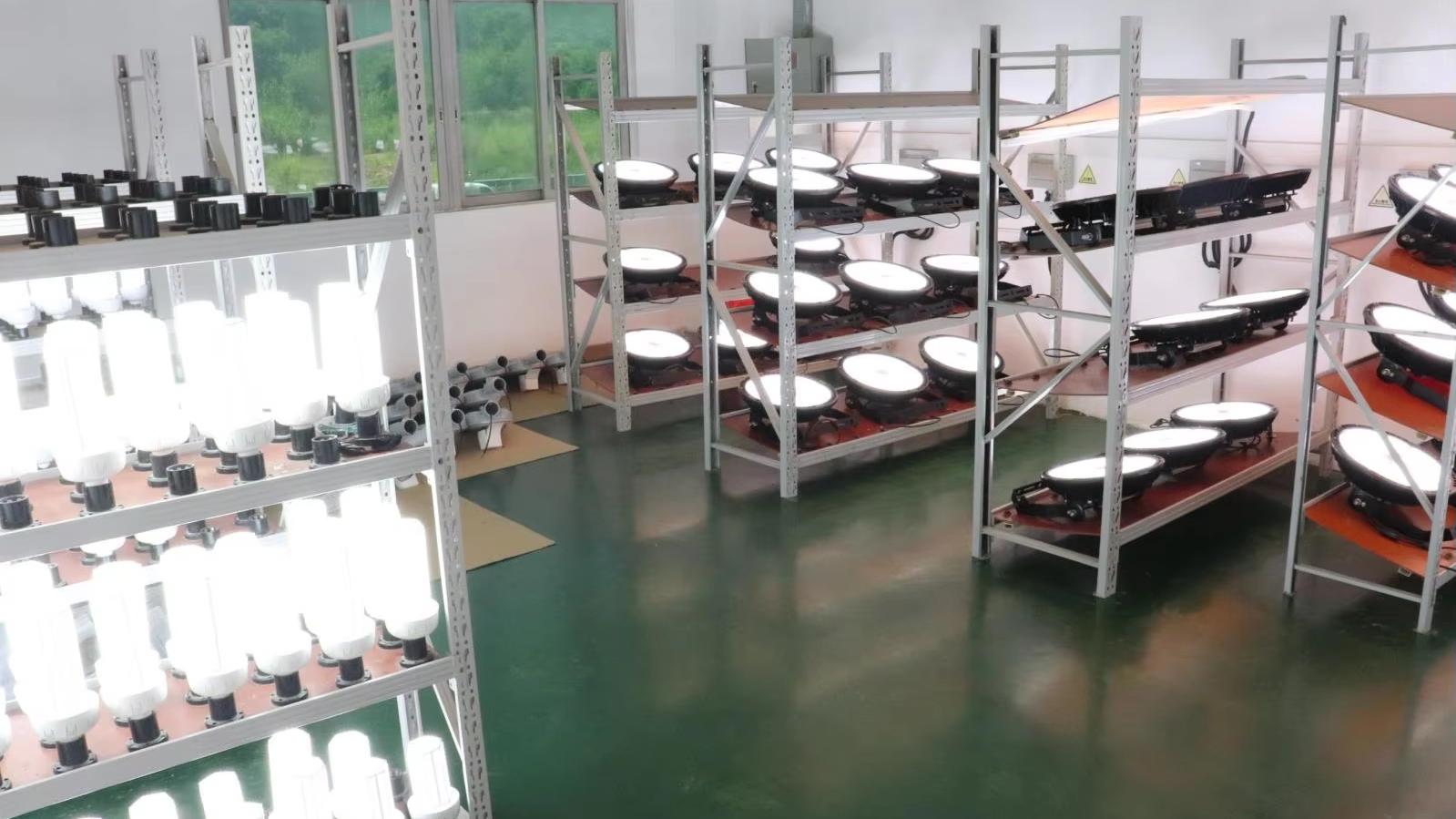
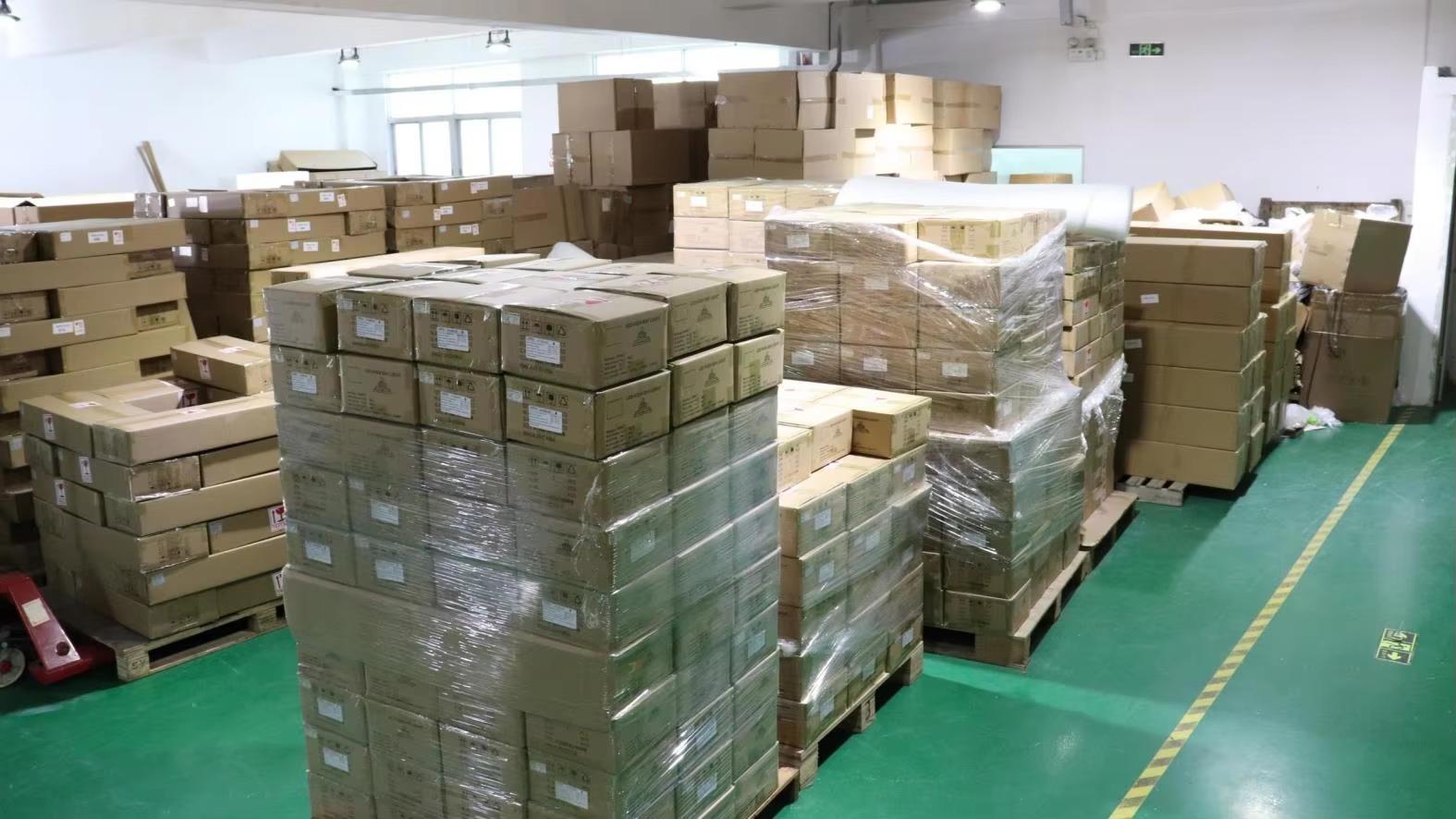
Inside the Guangdong Lijah Light Manufacturing Facility. Quality assurance and manufacturing precision at every step.
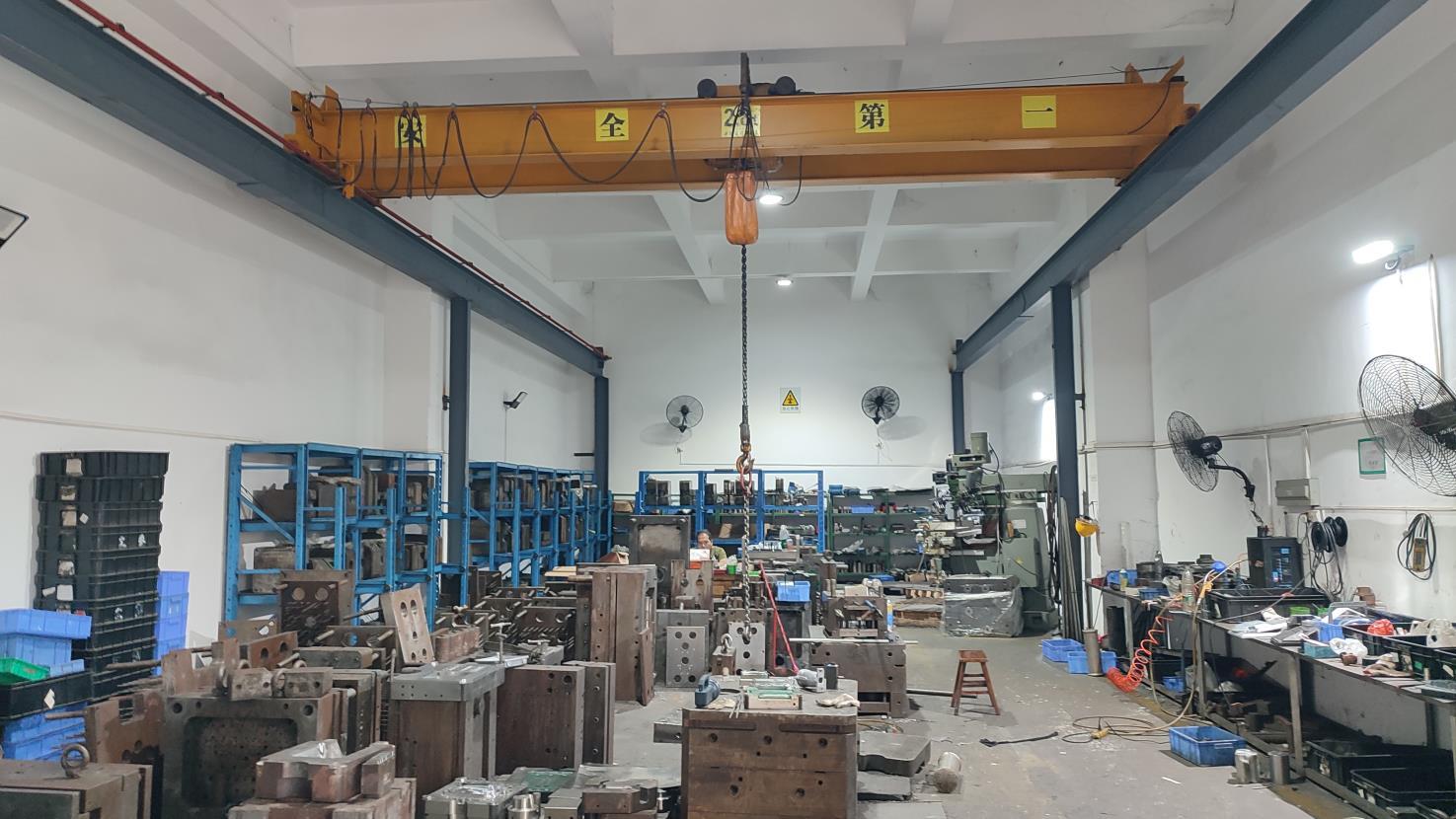
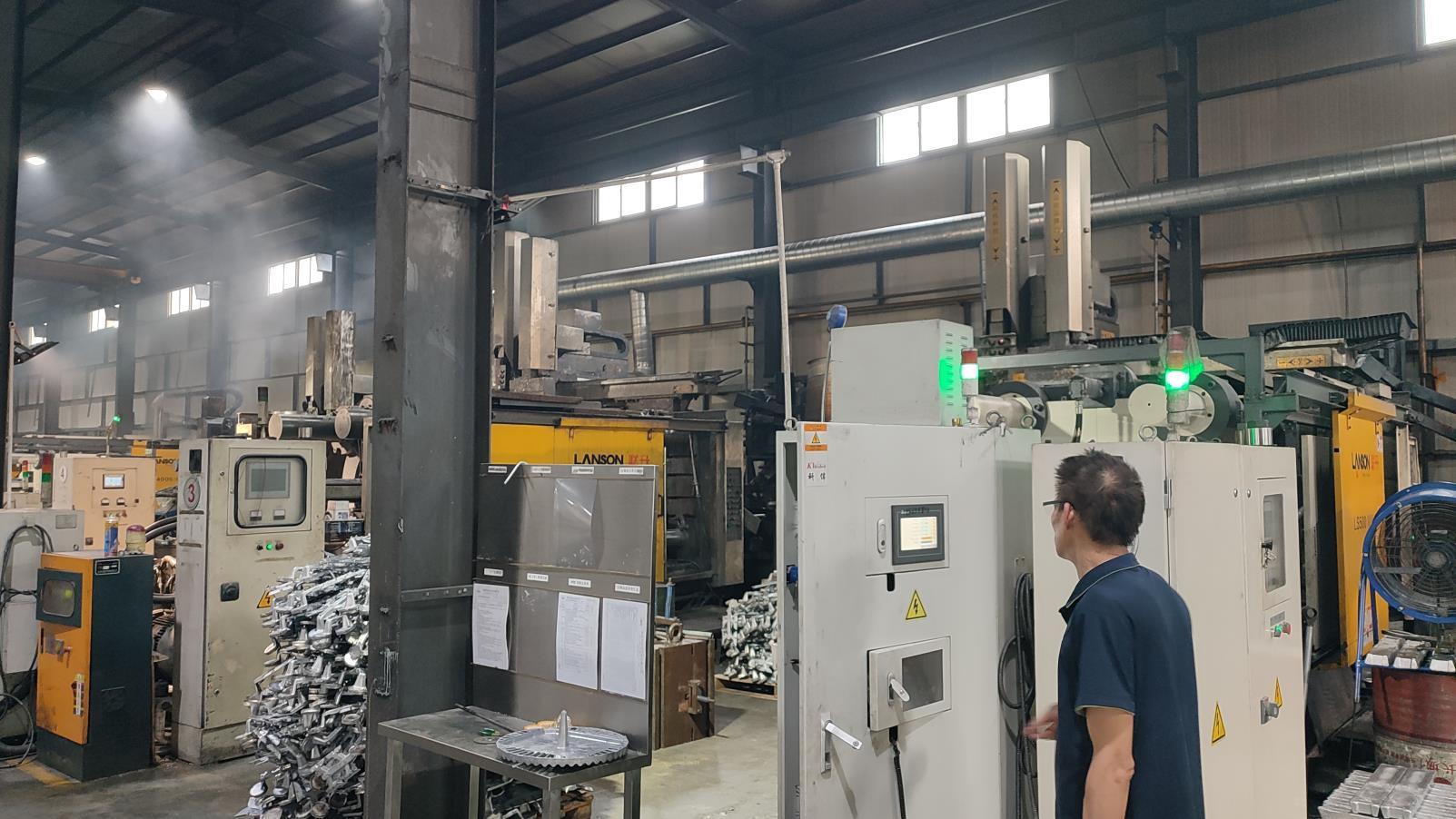
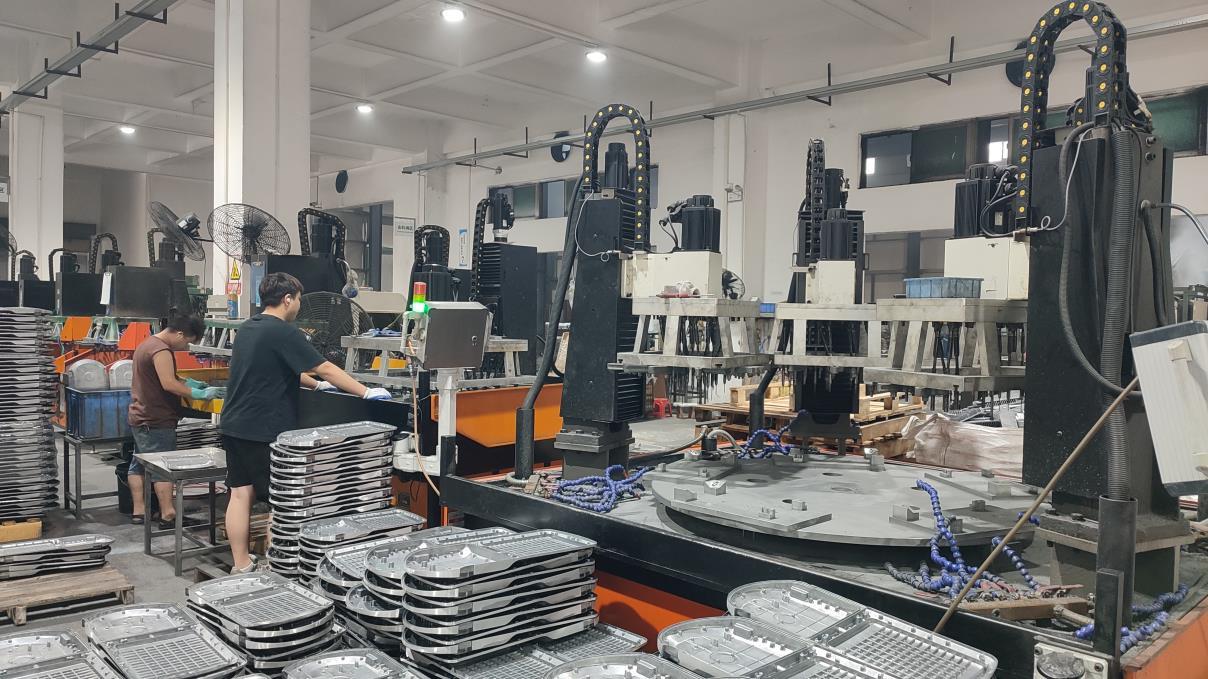
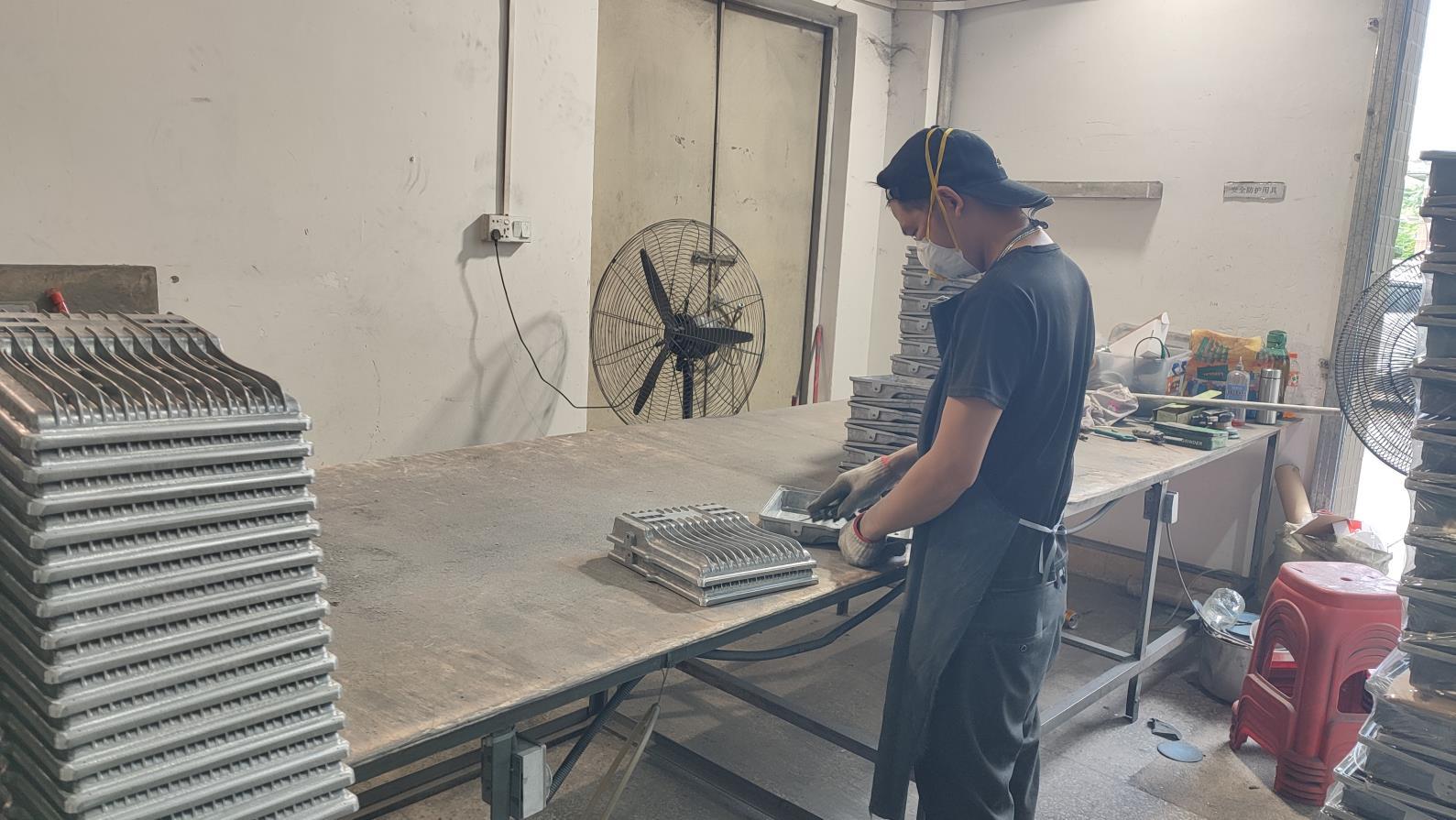
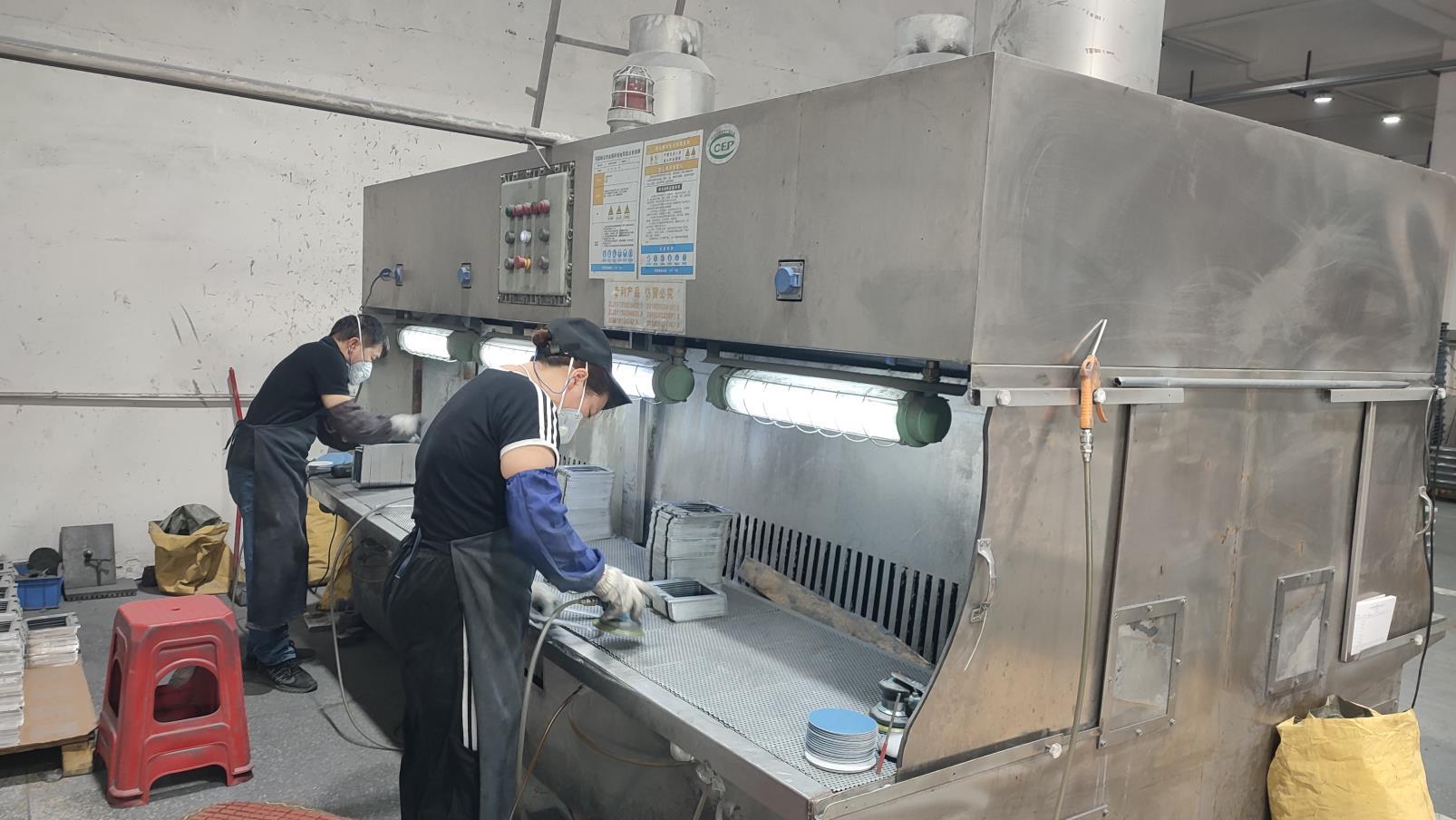
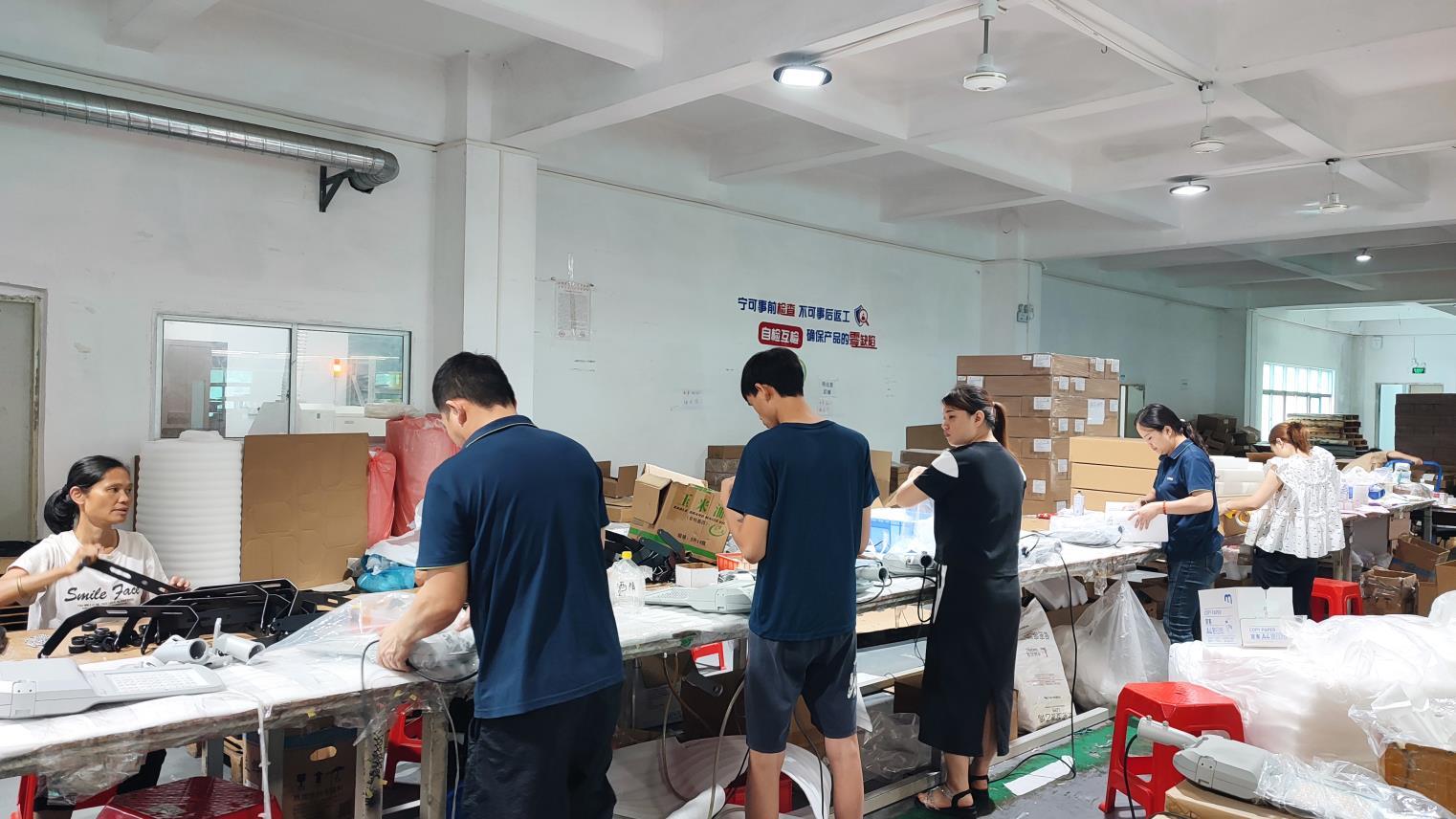
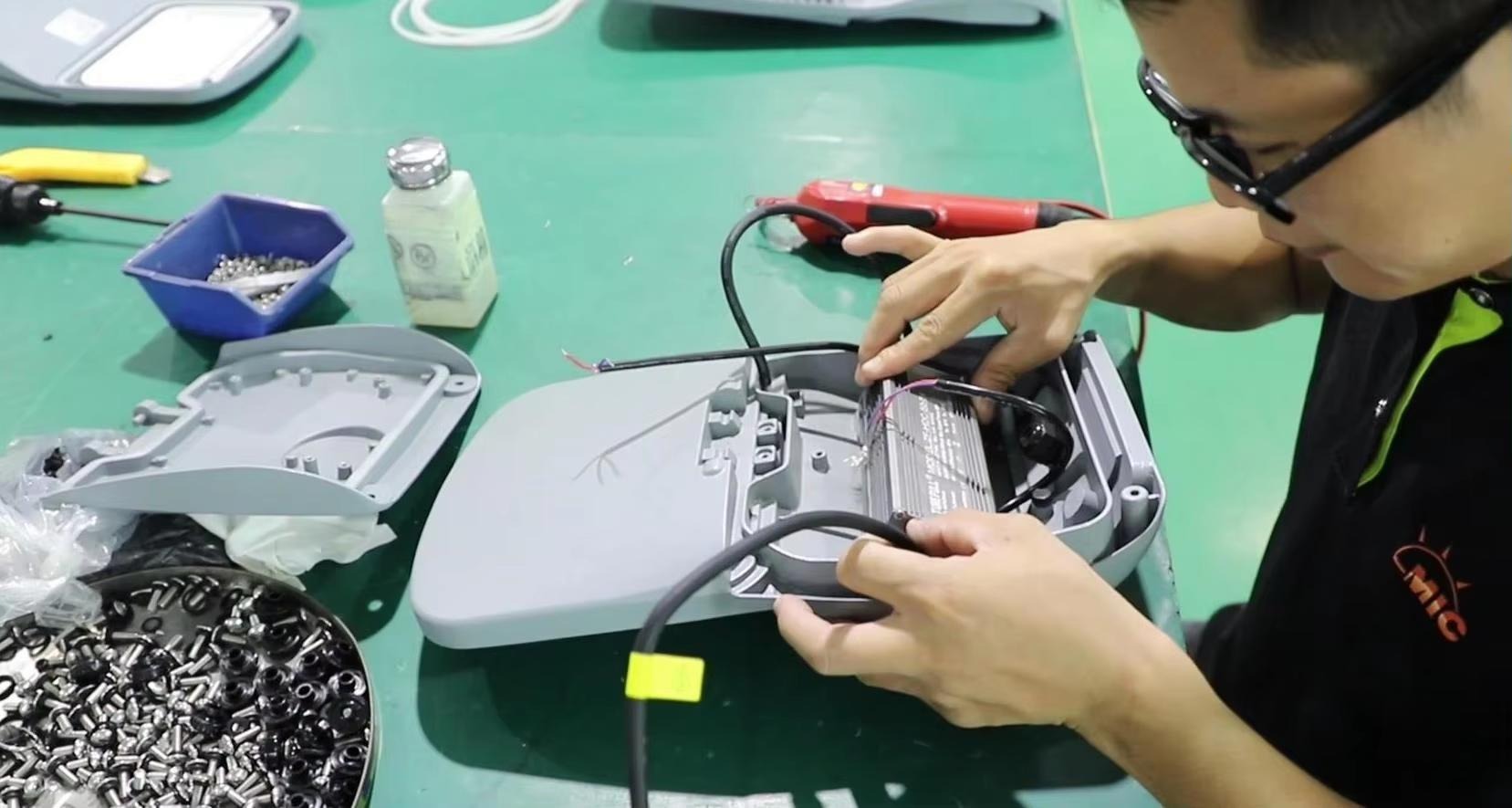

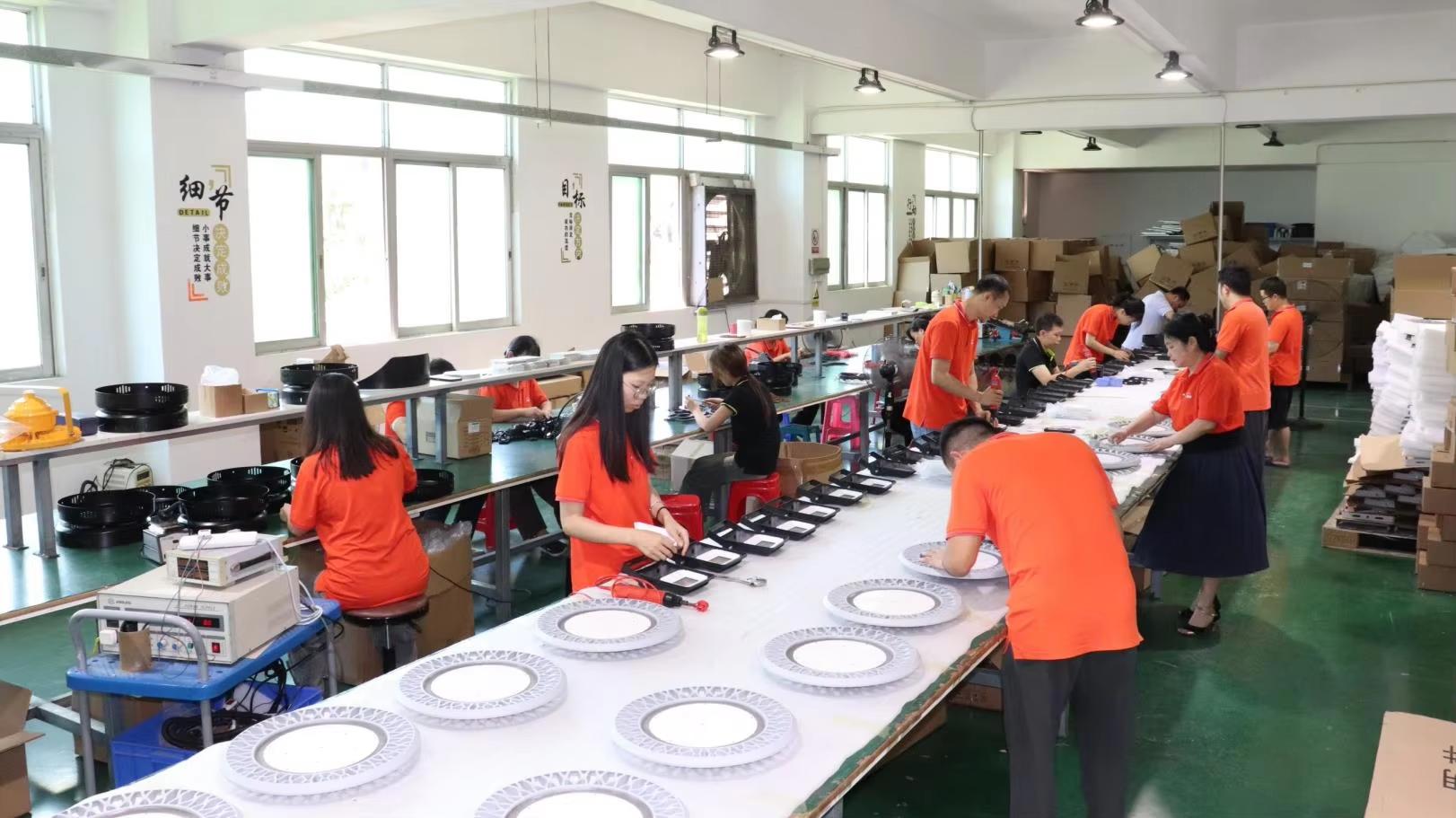
Providing the engineered core of modern illumination for projects requiring precise light placement.
We provide accurate DIALux software planning, modeling beam throw, lux intensity distribution, and shadow vectors prior to purchasing.
Our solutions feature digital pixel addressing, supporting seamless color-changing patterns and system configurations.
Choose from bespoke light source outputs, custom mounting structures, and specialized anti-glare louvers tailored to your site.
Wall grazing and wall washing are distinct design techniques. Wall washing provides uniform illumination across a vertical surface, minimizing the appearance of surface textures. This is ideal for signage or gallery walls where clean uniformity is required. The optical distance from the wall generally matches a 1:3 ratio relative to the wall height.
Wall grazing, conversely, places the fixtures closer to the surface (usually less than 30 cm) to direct light at an acute angle. This highlights textures in stone, brick, or stucco. Wall grazing requires precise beam distribution (e.g., $10^\circ \times 60^\circ$ linear lenses) to maintain intensity over tall facades while minimizing glare for occupants nearby.
Modern commercial lighting systems are increasingly integrated into smart city IoT networks. Lighting schemes must adapt dynamically to seasonal shifts, holidays, and weather conditions. Our line of DMX-enabled wall washers supports standard interfaces including RDM (Remote Device Management), allowing technicians to monitor temperature, runtime, and diode health remotely.
Integrating these systems with central Building Management Systems (BMS) via BACnet or KNX protocols optimizes energy usage. Dynamic dimming schedules can reduce energy consumption by up to 60% during off-peak hours, helping projects meet LEED, BREEAM, and WELL building certifications.
The lighting industry is moving towards spectral customization. Research in photobiology highlights the environmental impact of artificial light on local ecosystems. Our development pipeline focus includes amber-dominant and low-blue-wavelength outdoor fixtures that reduce ecological disruption while maintaining architectural clarity.
Simultaneously, LED chip advancements are driving efficiency goals toward 200 Lm/W at the system level. These gains are supported by high-reflectance internal chambers and improved driver circuits that reduce conversion losses, minimizing operational costs for building owners.
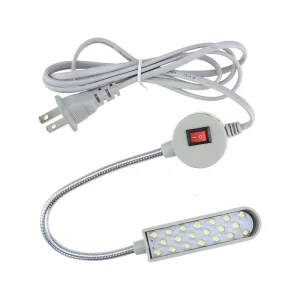
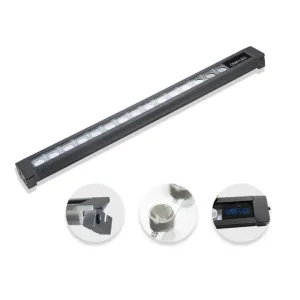
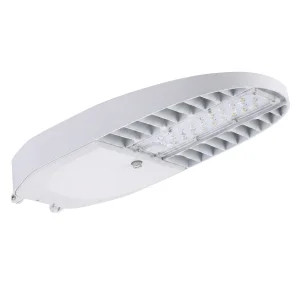
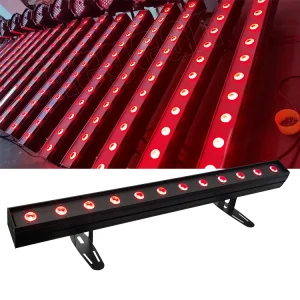
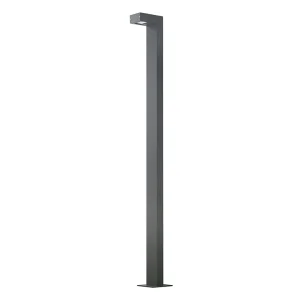
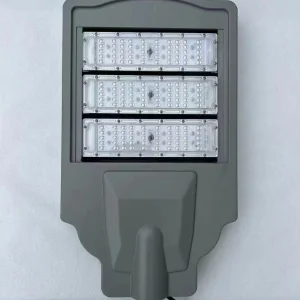
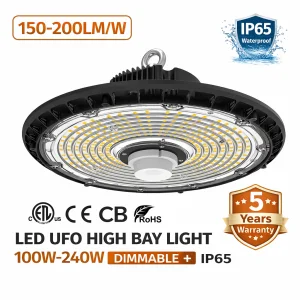
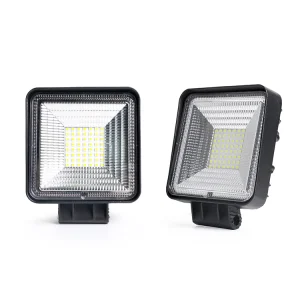
Heavy-duty, precision machinery lights, street illumination, and customizable architectural pixel washers.
Technical guidance and planning answers from our engineering division.
For wall grazing applications, fixtures are typically placed 15 to 30 cm from the wall surface. This acute angle highlights surface textures. Symmetrical installations for broad wall washing are generally placed at a distance equal to 1/3 of the wall height.
DMX512 point pixel control allows each segment of the fixture to be addressed and programmed individually via control software, enabling complex dynamic patterns. Master-slave mode links all fixtures to replicate the output of the primary unit, suitable for uniform static displays.
The LM80 report documents lumen maintenance and degradation characteristics over a minimum of 6,000 hours of testing. This verified data allows lighting designers to calculate the project's long-term light output performance and determine the system's operational lifetime.
We use high-purity ADC12 die-cast aluminum with a multi-stage chromate treatment and polyester powder coating. Hardware is constructed from 304 or 316-grade stainless steel to prevent corrosion in marine or industrial environments.
 Lijah Light