Explore our highly durable, energy-efficient fixtures engineered for demanding industrial, commercial, and outdoor operational environments.
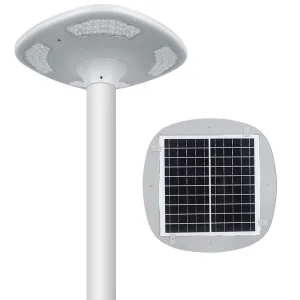
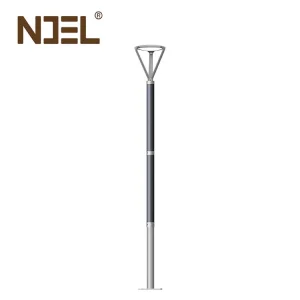
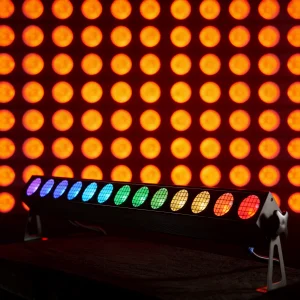
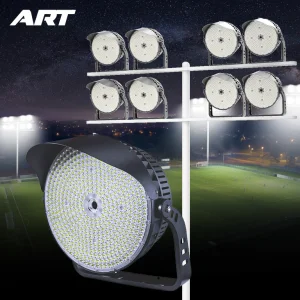
A premier manufacturer driving the global transition to high-efficacy, intelligent LED lighting systems through rigorous research and state-of-the-art production.
Guangdong Lijah Light Co., Ltd. is a professional manufacturer specializing in the research, development, production, sales, and service of modern, energy-efficient, and intelligent LED lighting solutions. As a technology-driven enterprise, we are committed to providing innovative, reliable, and sustainable lighting products for industrial, commercial, and outdoor applications worldwide.
With years of industry experience, Lijah Light has become a trusted partner for distributors, wholesalers, contractors, and project developers across Europe, Oceania, Southeast Asia, the Middle East, and other international markets. By combining advanced manufacturing technologies with continuous product innovation, we provide customers with high-quality lighting solutions that deliver outstanding performance, long service life, and significant energy savings.
Certified to meet strict international benchmarks. Complies fully with TUV, ENEC, VDE, SAA, CE, RoHS, CB, LM79, and LM80 standards.
Our dedicated R&D division creates customized spectrum solutions, thermal structures, and advanced driver topologies for maximum PPF efficacy.
We provide full-scope light planning and architectural DIALux simulations to ensure optimal PPFD delivery while minimizing layout costs.
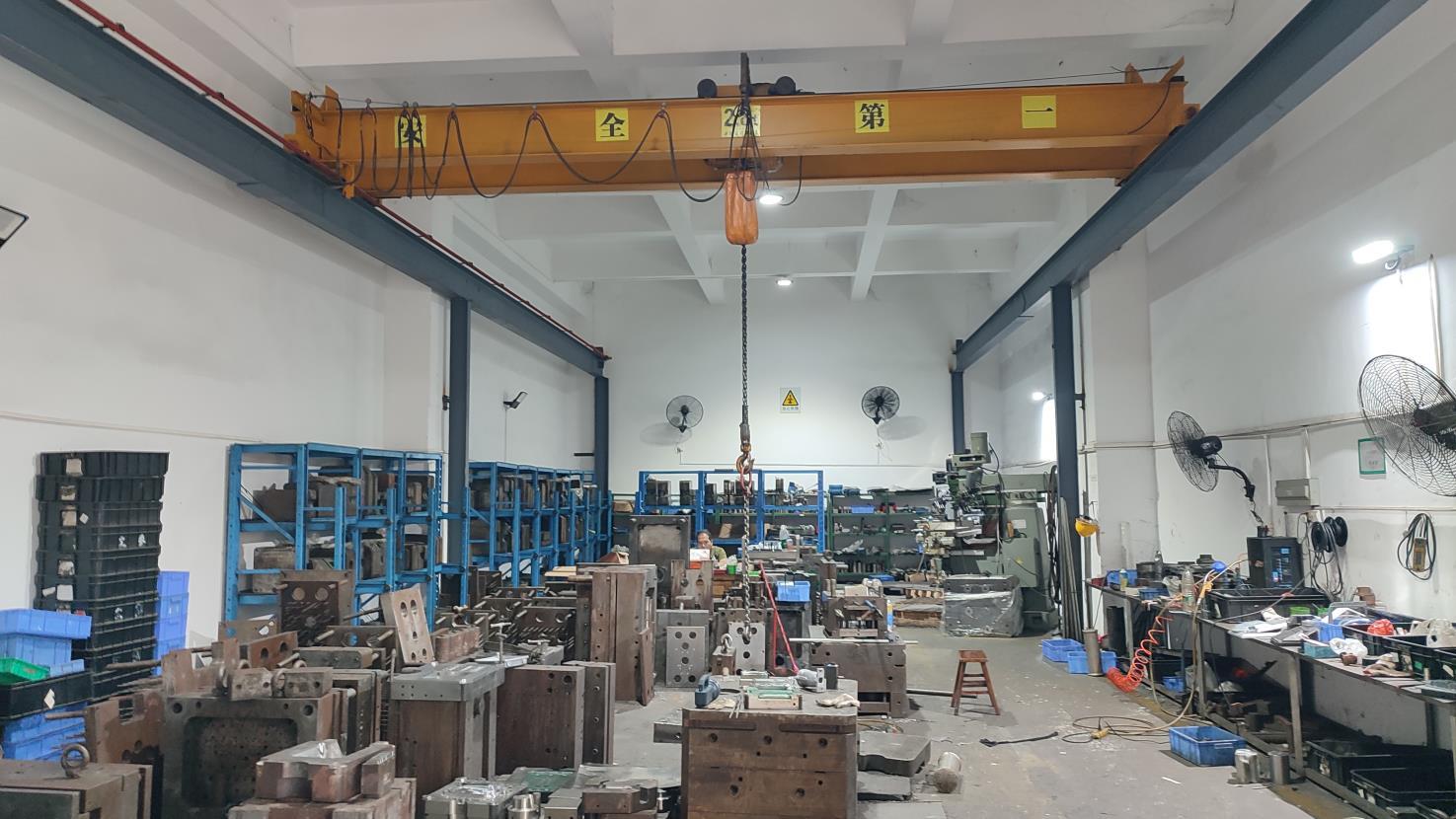
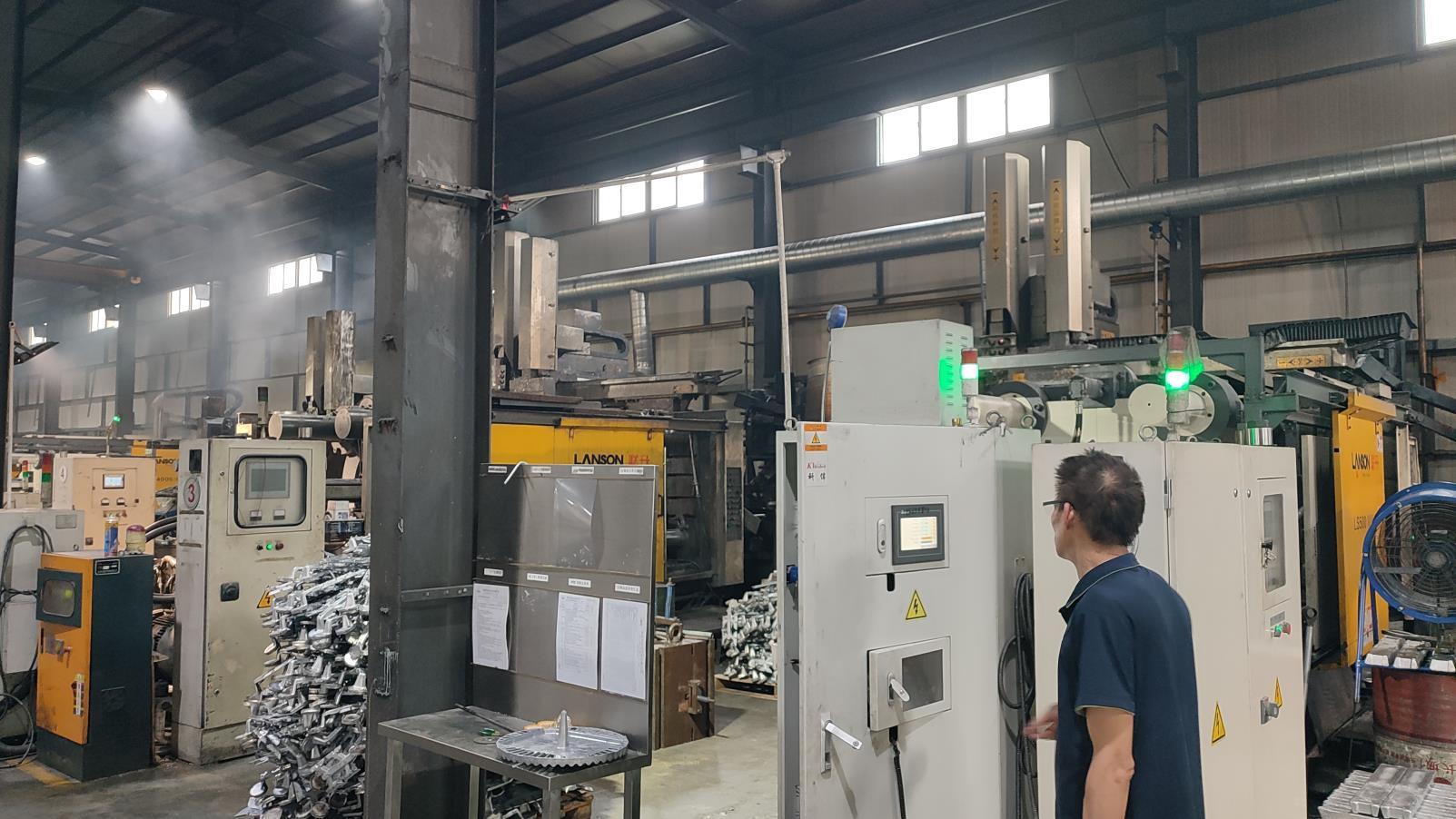
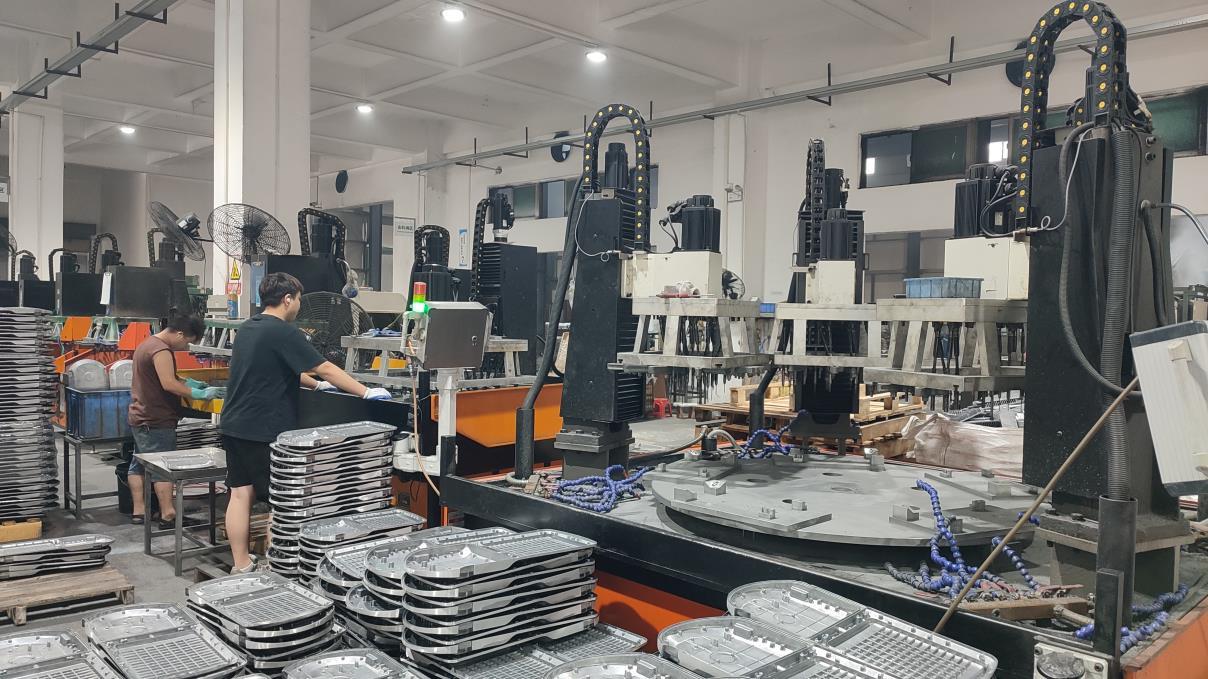
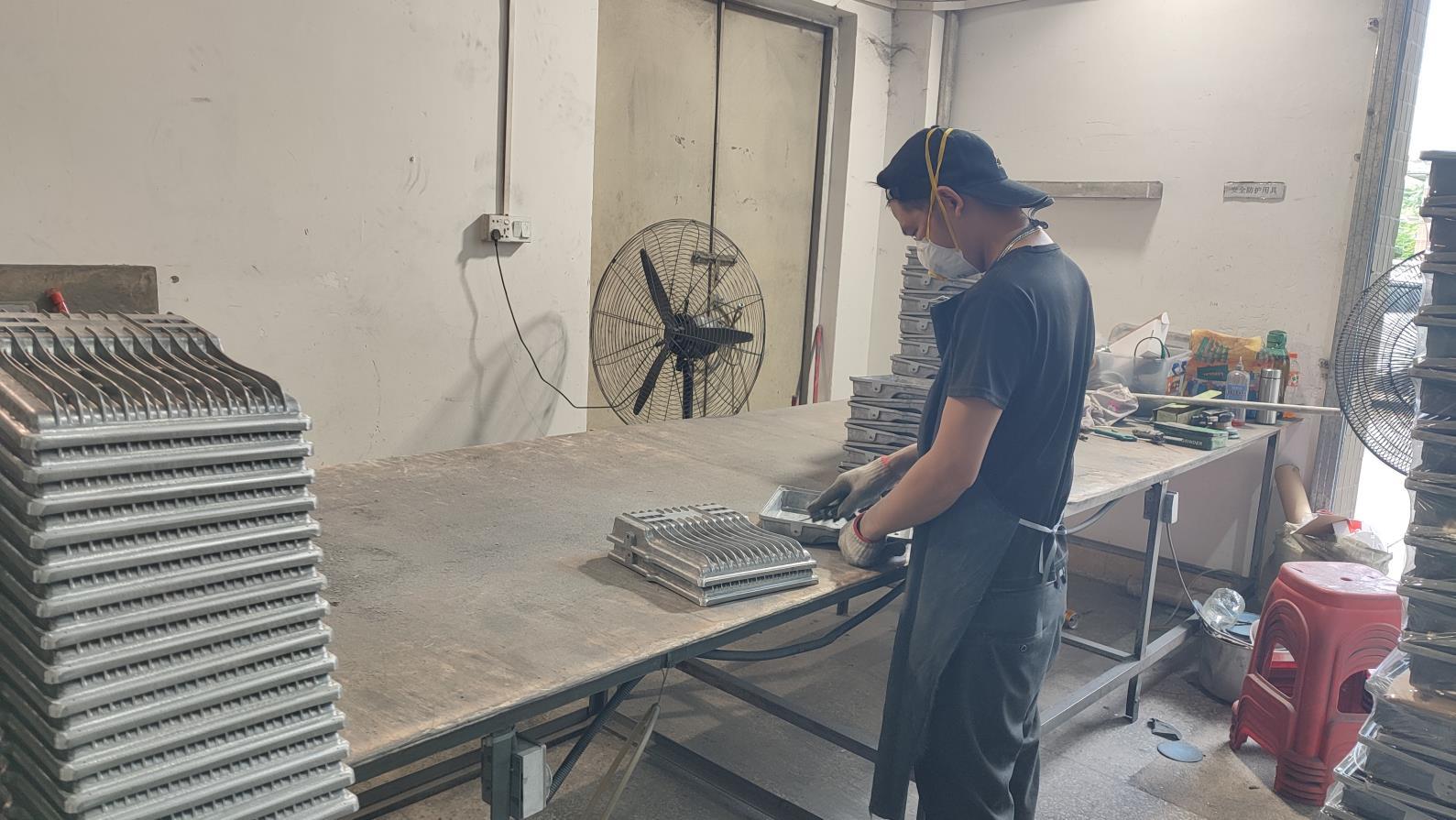
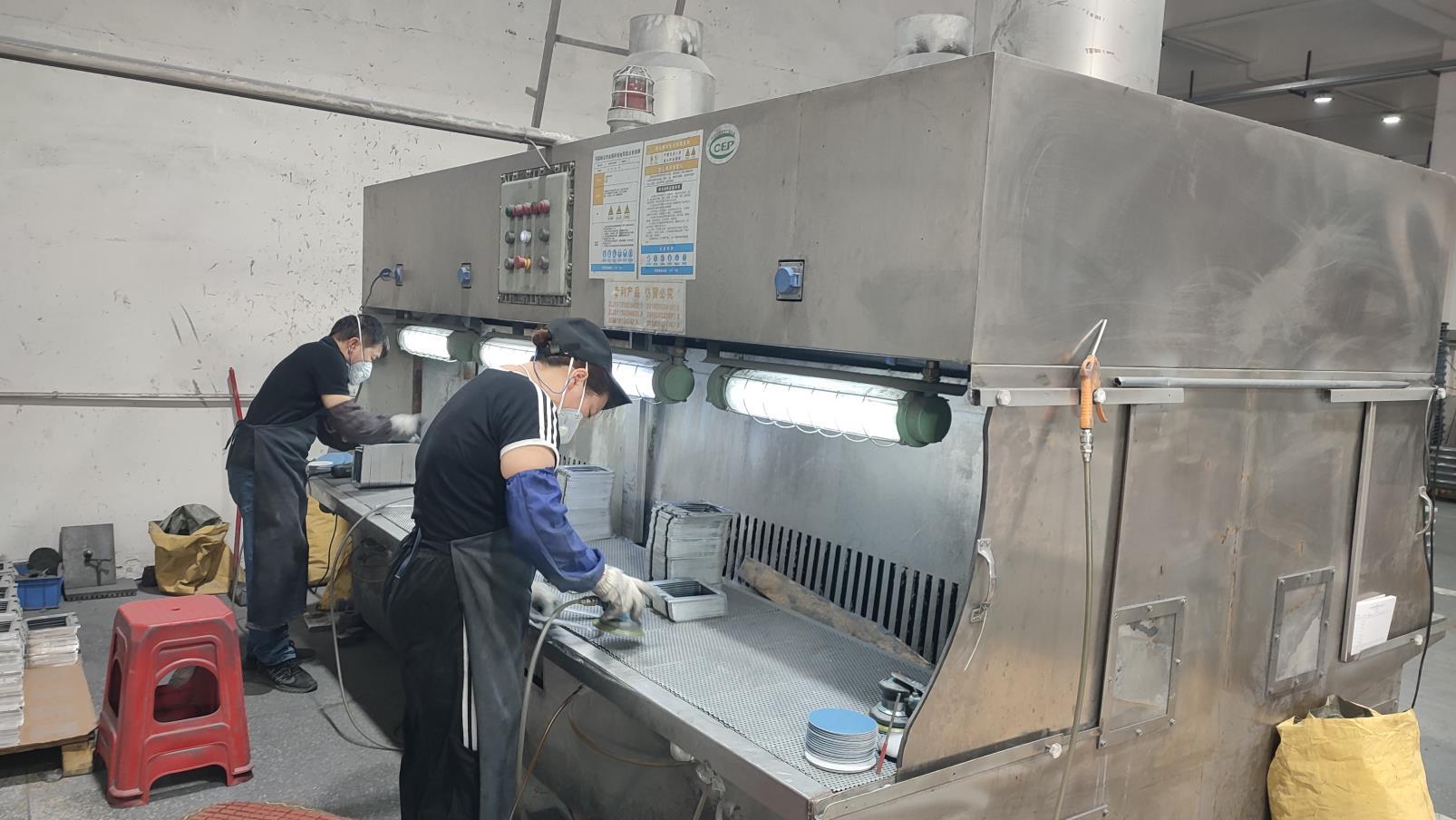
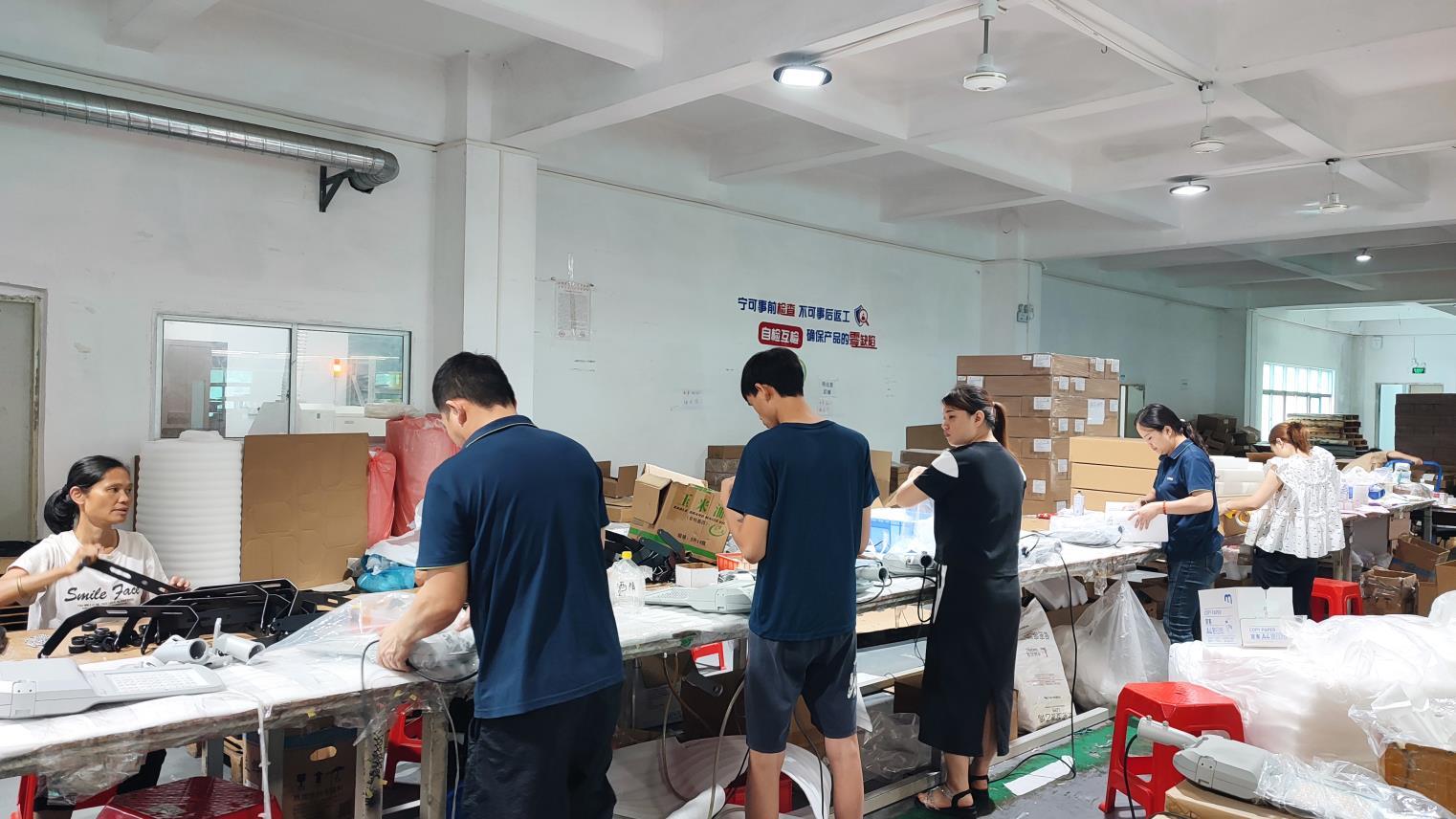
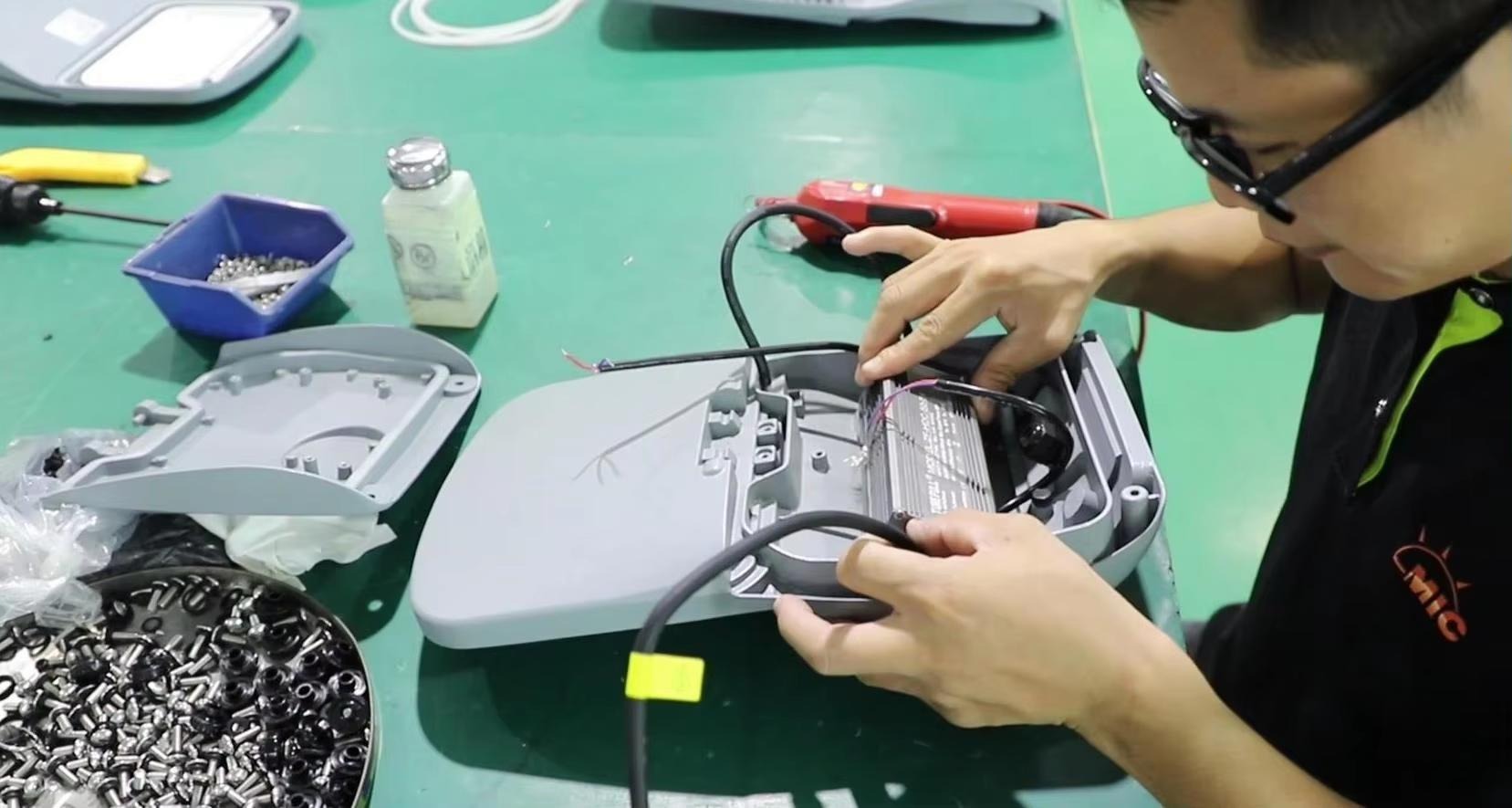
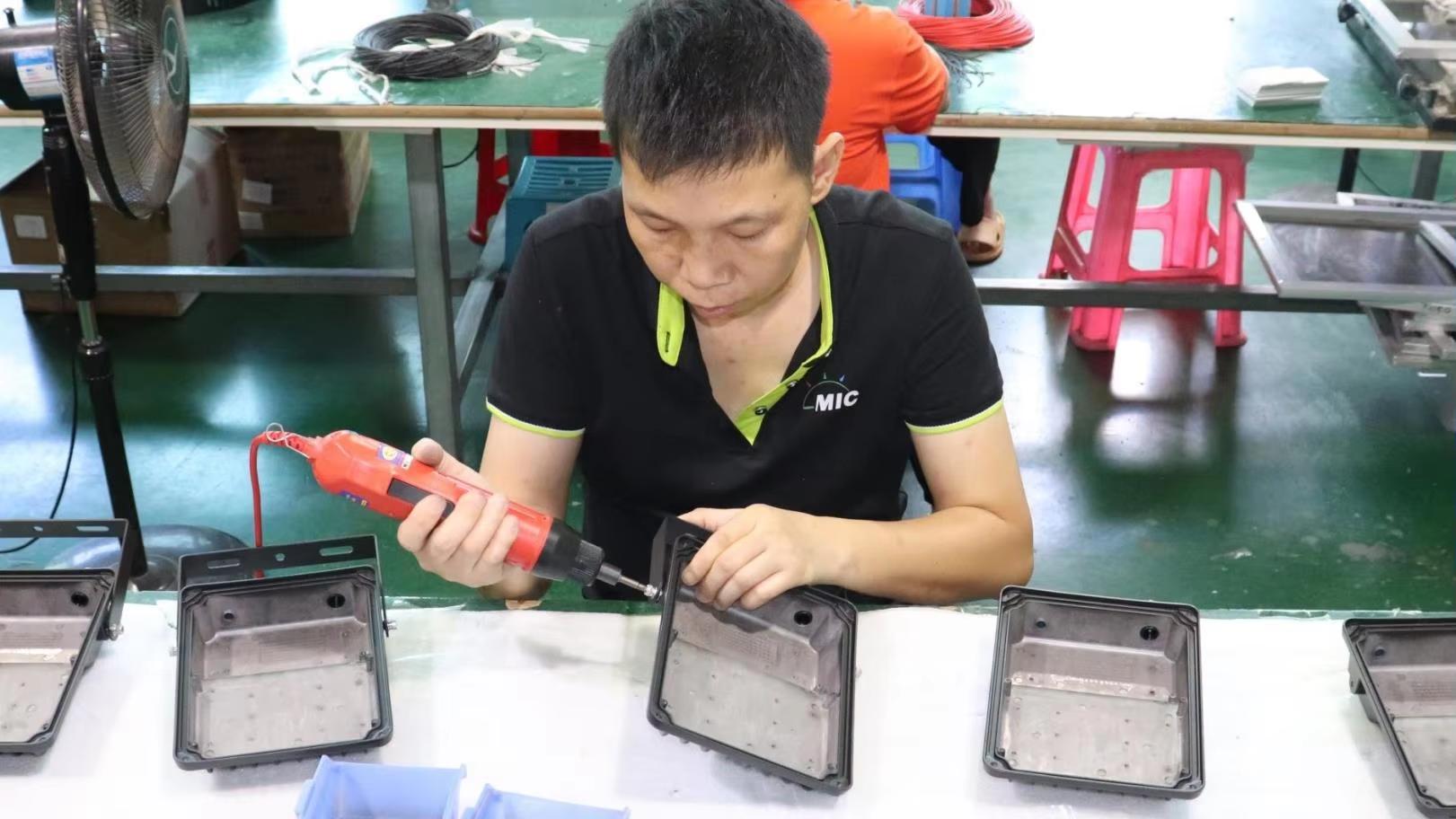
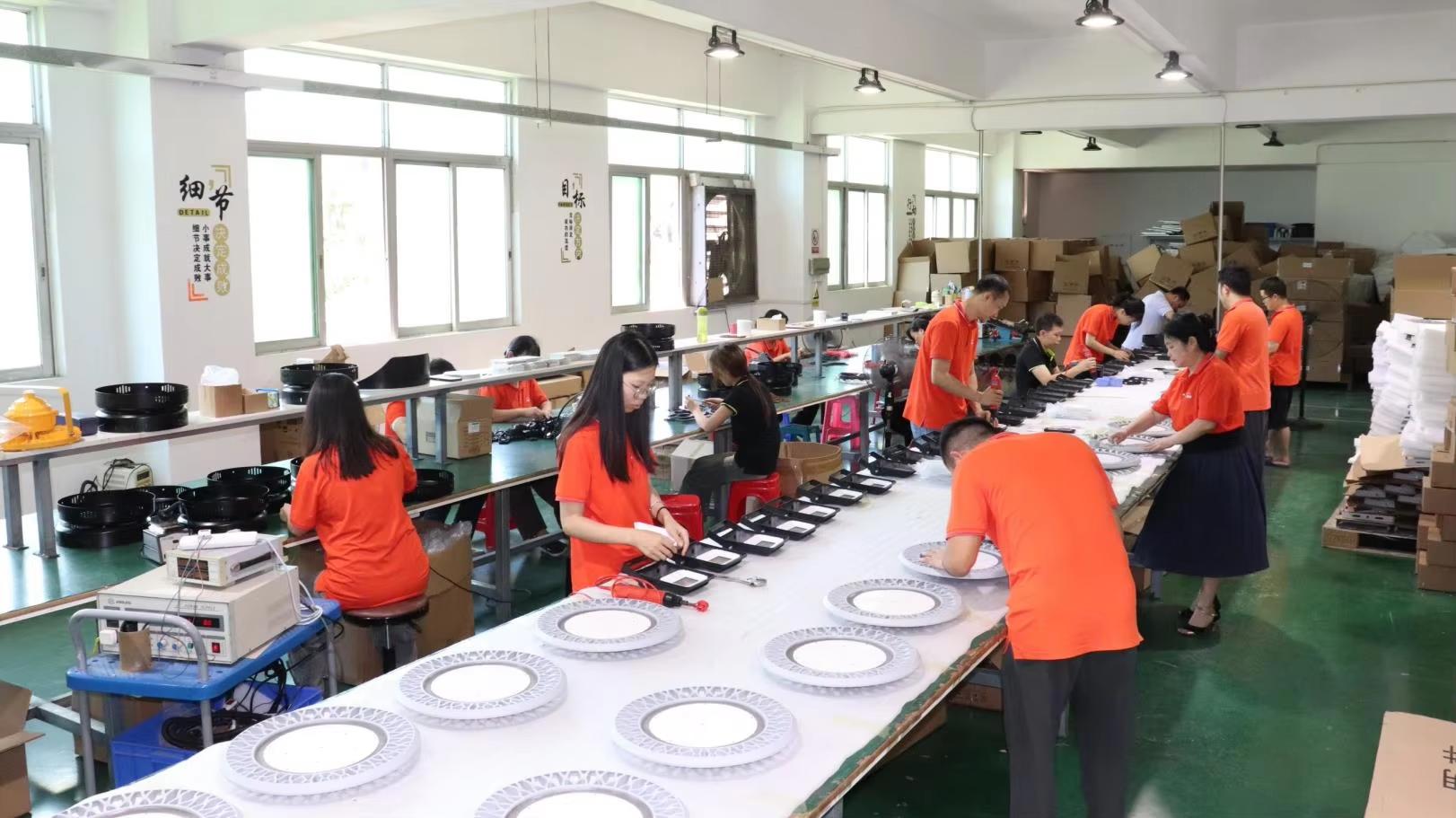
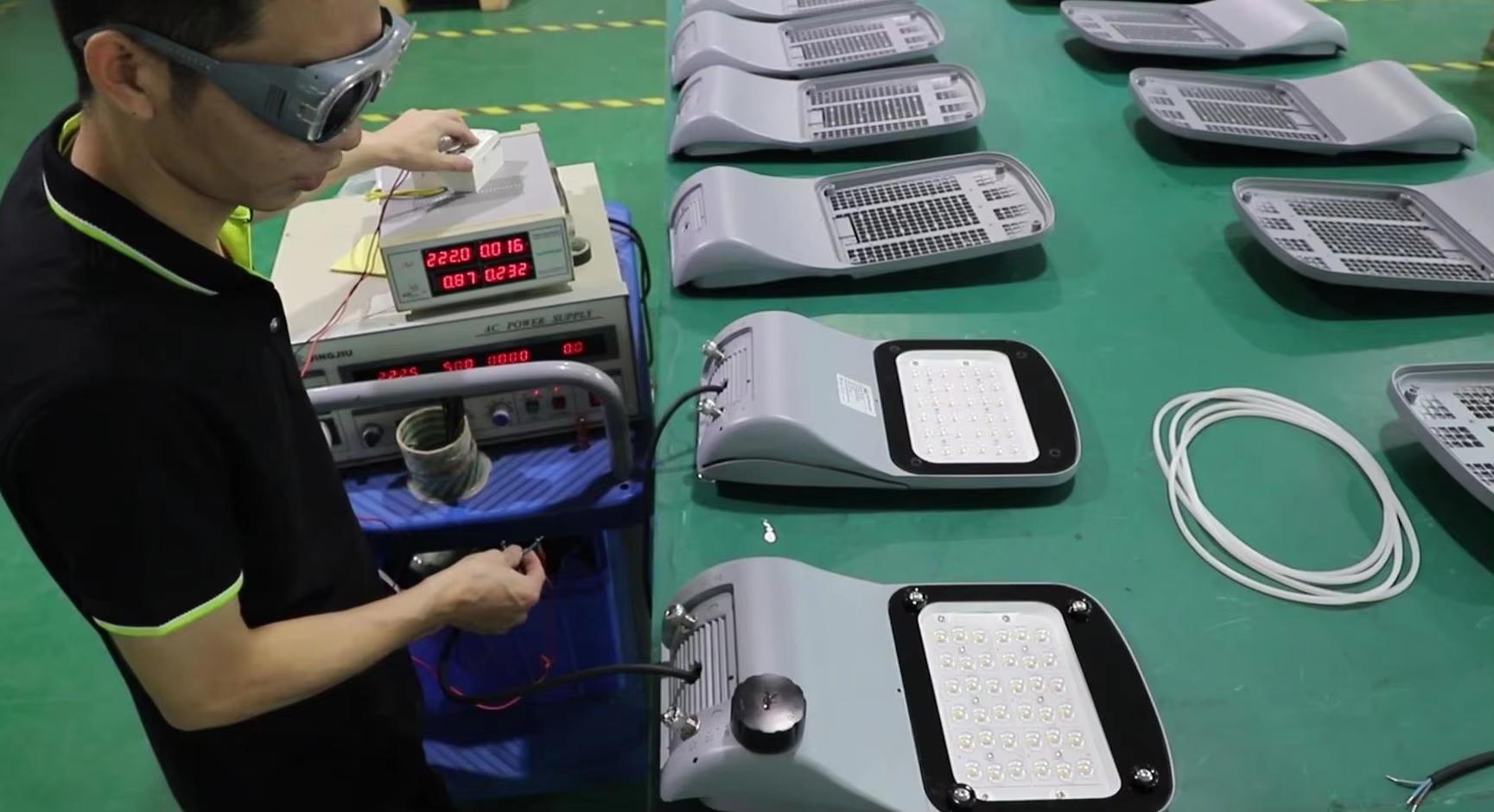
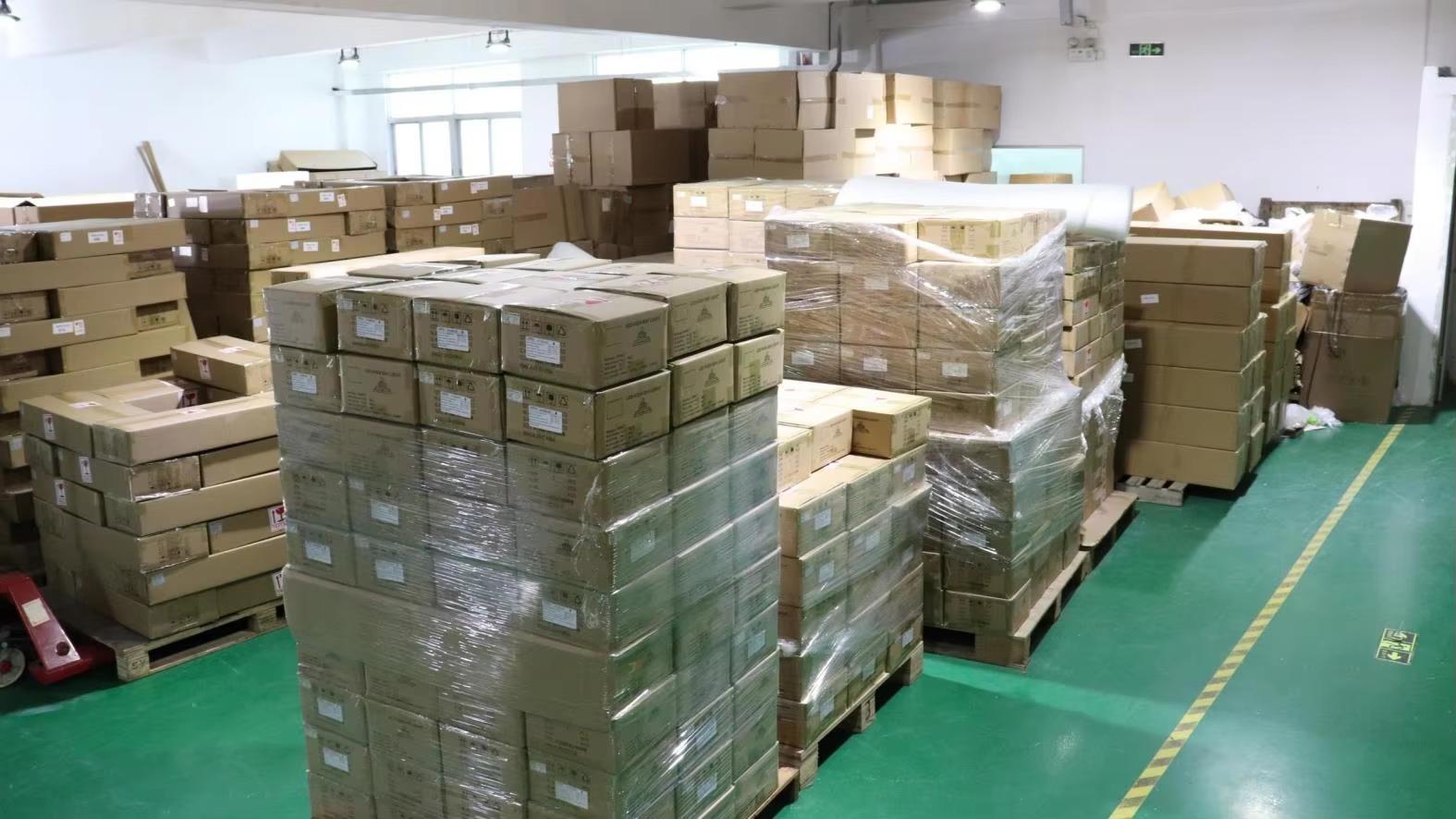
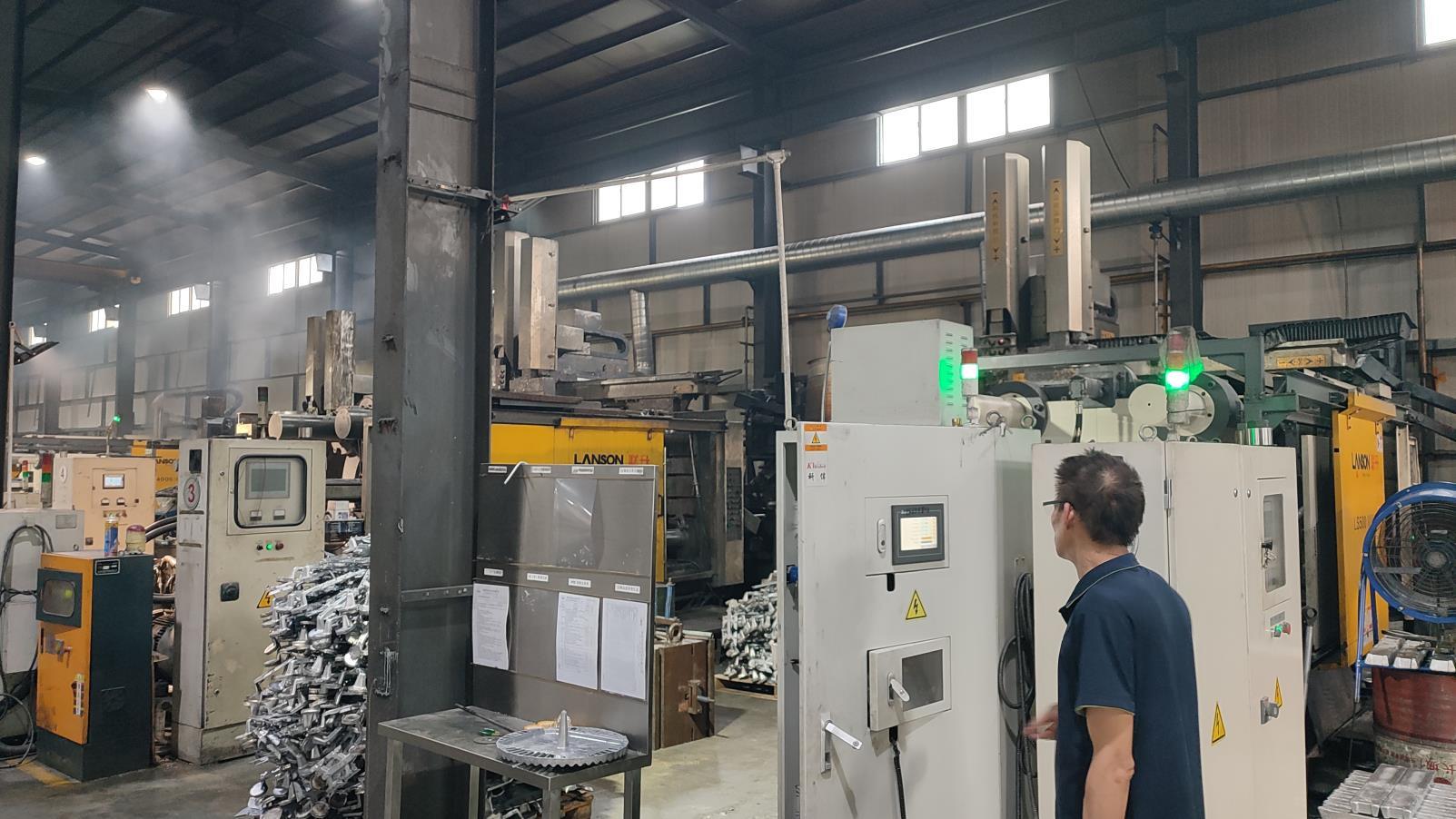
Leveraging high-end automated die-casting, precision assembly, and rigorous testing setups to maintain massive production throughput.
An authoritative analysis of spectral optimization, thermal dynamics, regulatory compliance, and total cost of ownership (TCO) for modern agricultural operators.
Unlike standard human-centric commercial lighting, which is measured in lumens (tailored to the human eye's sensitivity, peaking at 555nm), plant development depends on photosynthetically active radiation (PAR). PAR spans the waveband from 400 to 700 nanometers (nm). Inside this range, plants utilize specific photons to drive the chemical conversion of water and carbon dioxide into sugars.
To accurately gauge the performance of a horticultural fixture, growers and procurement specialists must focus on three core metrics:
Phytochromes and cryptochromes within plant cells respond selectively to different light wavelengths. Deep Red (660nm) accelerates chlorophyll absorption and drives flowering and biomass accumulation. Deep Blue (450nm) guides stomatal opening, prevents stretching (internodal elongation), and builds strong vegetative structures. Far-red (730nm) triggers the Emerson enhancement effect when combined with red light, accelerating photosynthetic rates and steering photoperiod reactions.
The industrial cultivation market is transitioning from simple static spectra to dynamic, smart lighting systems. As LED technology advances, several key developments are redefining operational standards:
Large-scale growers utilize LED systems across various facility types, each presenting distinct environmental and spatial demands:
Multi-Tier Vertical Farms: Vertical farming relies on close canopy-to-light spacing. To prevent leaf burn and heat damage, low-profile linear LED fixtures with wide optical distributions (e.g., 120°) are essential. These setups require highly efficient heat dissipation systems to keep indoor HVAC systems from working overtime.
Commercial Hybrid Greenhouses: Greenhouses use grow lights to supplement natural sunlight, particularly during winters or overcast periods. Supplying lights for hybrid greenhouses requires slim, linear form factors that minimize shadows, allowing natural sunlight to reach the plants during the day.
Controlled Environment Agriculture (CEA) Facilities: High-performance grow light setups are critical in medical-grade cultivation facilities, where biosecurity and consistent chemical profiles are paramount. Fixtures must feature robust ingress protection (IP65/IP66) to withstand frequent washdowns, chemical cleaning agents, and high humidity levels.
Operating a profitable commercial grow facility requires absolute safety and compliance. Regulatory oversight protects workers and ensures the longevity of your physical assets:
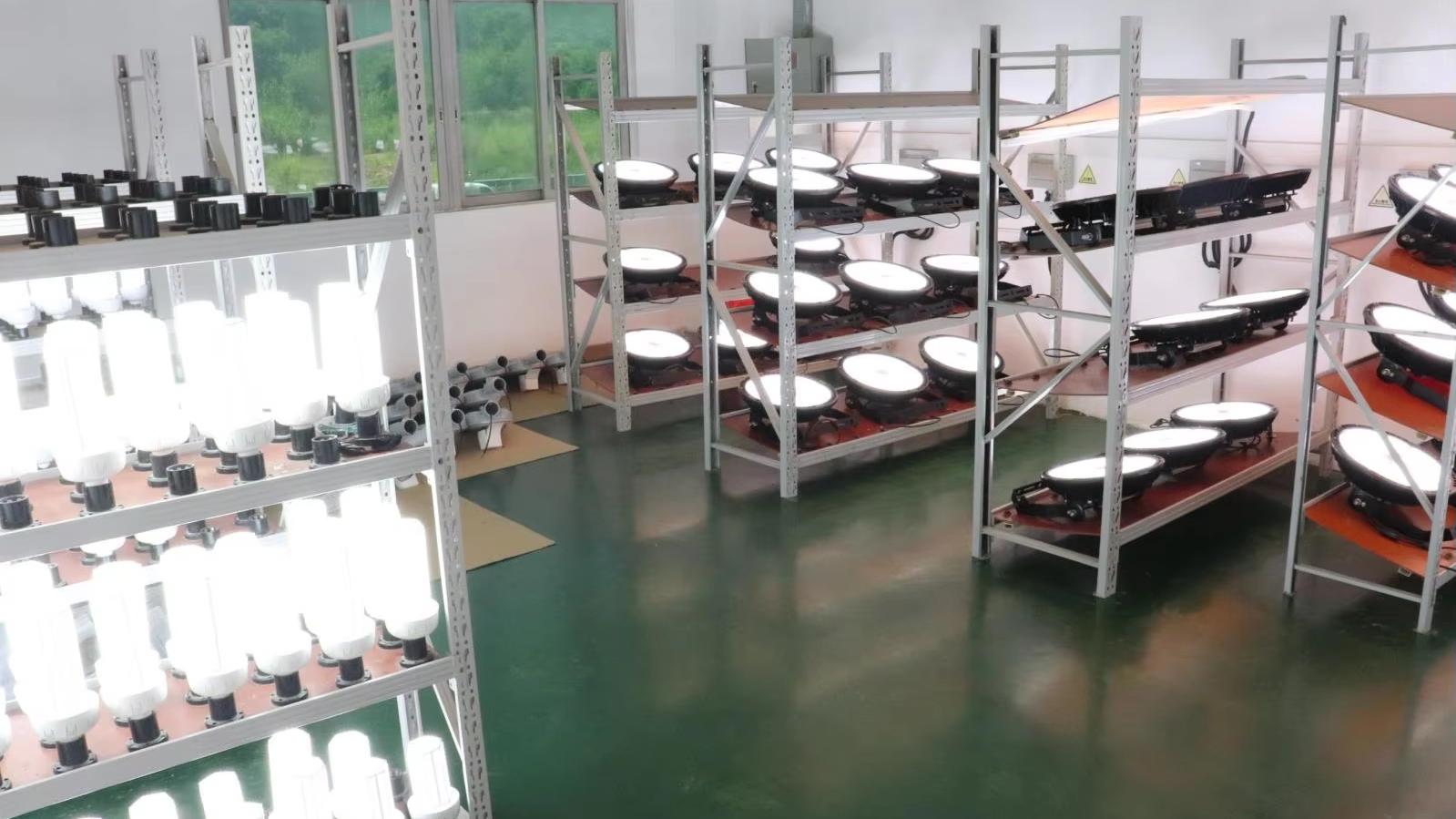
Step inside Guangdong Lijah Light's advanced production facility. We combine vertical integration, automated die-casting, and strict quality assurance to ensure reliable global delivery.
A practical framework for commercial growers evaluating long-term costs, energy footprints, and supplier capabilities.
Purchasing professional grow lights at an industrial scale requires evaluating more than just upfront unit costs. Buyers must run comprehensive Total Cost of Ownership (TCO) calculations over a 5 to 10-year period. Key financial factors include:
1. Daily Power Consumption (kWh): Lighting accounts for a significant portion of a facility's monthly operating expenses. Upgrading from older double-ended 1000W HPS fixtures to high-efficiency LED grow lights can reduce lighting energy consumption by up to 40% while maintaining equivalent or superior PPFD at the canopy level.
2. HVAC Integration & Heat Output: HPS lamps operate at extremely high temperatures, converting a large percentage of their power consumption into radiant heat. LED grow lights run significantly cooler, reducing the heat load on indoor cultivation setups. This cooling efficiency can lower overall HVAC operational costs by 30% to 50% depending on the facility layout.
3. Maintenance and Lamp Replacement Cycles: Traditional HID and HPS bulbs degrade relatively quickly, requiring replacements every 12 to 18 months to maintain target yields. In contrast, premium LED fixtures utilize robust diodes and high-performance drivers that last up to 50,000 hours, virtually eliminating maintenance downtime and labor costs.
4. Localized Support & Warranty Services: It's critical to partner with suppliers that offer comprehensive guarantees. A solid manufacturer's warranty should cover not only the LED arrays but also driver degradation, wiring configurations, and water-resistance ratings over a minimum 5-year period.
Get answers to the most common engineering and application questions regarding CE certified LED grow lights.
Discover more high-efficacy outdoor, industrial, and specialty architectural solutions built to perform in challenging environments.
 Lijah Light