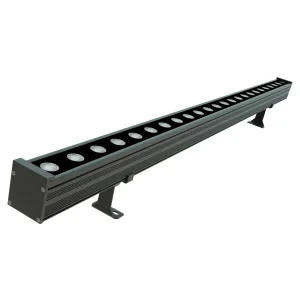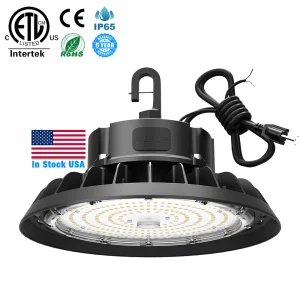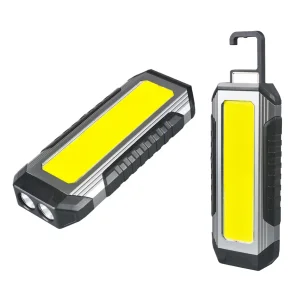
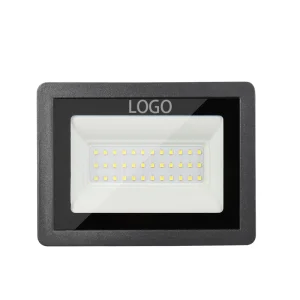
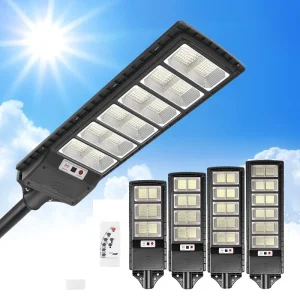
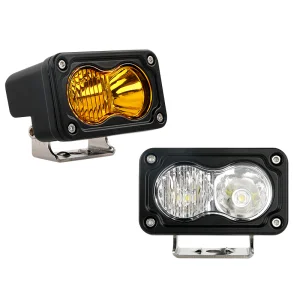
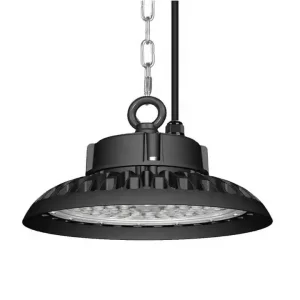
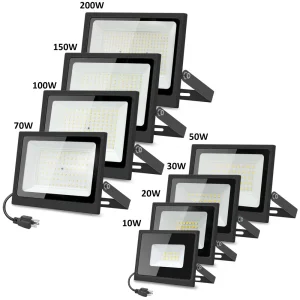
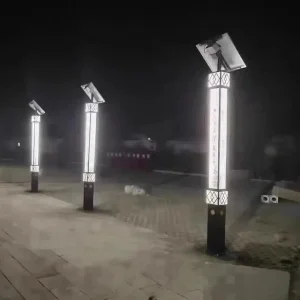
The industrial and commercial sectors are undergoing a significant energy transition. In this landscape, high-efficacy overhead lighting is no longer just a utility but a critical component of operational strategy. LED canopy lights, specifically designed for under-canopy environments such as fuel stations, logistical ports, loading bays, parking garages, and toll gates, represent a vital segment of the industrial lighting market.
Historically, canopy lighting relied on metal halide (MH) or high-pressure sodium (HPS) fixtures. While functional, these legacy systems posed substantial disadvantages: high power consumption, rapid lumen depreciation, poor color rendering indices (CRI), and significant safety risks associated with delayed restrikes. Modern commercial requirements demand a transition to advanced solid-state lighting (SSL) technologies. Under-canopy fixtures must operate continuously, often 24/7, under demanding outdoor conditions. This has driven the industry toward highly engineered, CE-certified LED canopy lights that offer robust ingress protection (IP65/IP66), high efficacy (often exceeding 150-190 lm/W), and intelligent thermal management.
Driven by strict global decarbonization mandates and energy conservation directives—such as the European Union’s Eco-design Directive—industrial enterprises are standardizing their procurement specifications. Only factories that possess rigorous CE certification and comply with safety directives are qualified to participate in major European municipal and commercial supply chains. CE certification represents not only basic regulatory compliance but a baseline assurance of electrical safety, electromagnetic compatibility (EMC), and minimal hazard risks in high-exposure public locations.
Industrial facility managers, municipal engineering offices, and global procurement consortiums utilize sophisticated metrics to evaluate LED lighting suppliers. Procurement is no longer focused solely on low initial acquisition costs. Enterprise-level buyers prioritize the **Total Cost of Ownership (TCO)**, which evaluates the lifetime economics of the fixture. The essential components of this calculation include:
Guangdong Lijah Light Co., Ltd. is a professional manufacturer specializing in the research, development, production, sales, and service of modern, energy-efficient, and intelligent LED lighting solutions. As a technology-driven enterprise, we are committed to providing innovative, reliable, and sustainable lighting products for industrial, commercial, and outdoor applications worldwide.
With years of industry experience, Lijah Light has become a trusted partner for distributors, wholesalers, contractors, and project developers across Europe, Oceania, Southeast Asia, the Middle East, and other international markets. By combining advanced manufacturing technologies with continuous product innovation, we provide customers with high-quality lighting solutions that deliver outstanding performance, long service life, and significant energy savings.
Innovation is the driving force behind our continued growth. Our experienced R&D team works closely with our engineering, marketing, and sales departments to develop advanced lighting solutions that meet the evolving demands of the global market. Through continuous investment in product development and technological innovation, we are able to introduce efficient, reliable, and intelligent lighting products that create greater value for our customers.
Quality is one of our core values. Our manufacturing processes are carried out under a strict quality management system to ensure every product consistently meets international standards. Our LED lighting products comply with CE and RoHS requirements, while many of our key products have also obtained internationally recognized certifications including TÜV, ENEC, VDE, SAA, C-Tick, CB, LM79, and LM80. These certifications demonstrate our commitment to product safety, environmental responsibility, and manufacturing excellence.
In addition to supplying high-quality LED lighting products, Guangdong Lijah Light provides professional lighting design support through **DIALux simulation services**. Our experienced engineers assist customers in optimizing lighting layouts, improving energy efficiency, and selecting the most suitable lighting solutions for industrial, commercial, and outdoor projects. This process helps to reduce installation costs while maximizing optical performance.
Driven by continuous innovation and a commitment to excellence, Guangdong Lijah Light Co., Ltd. is dedicated to becoming a globally recognized brand in industrial and commercial LED lighting. We will continue to develop smarter, greener, and more energy-efficient lighting solutions that help customers reduce energy consumption, improve operational efficiency, and create safer, more sustainable environments for the future.
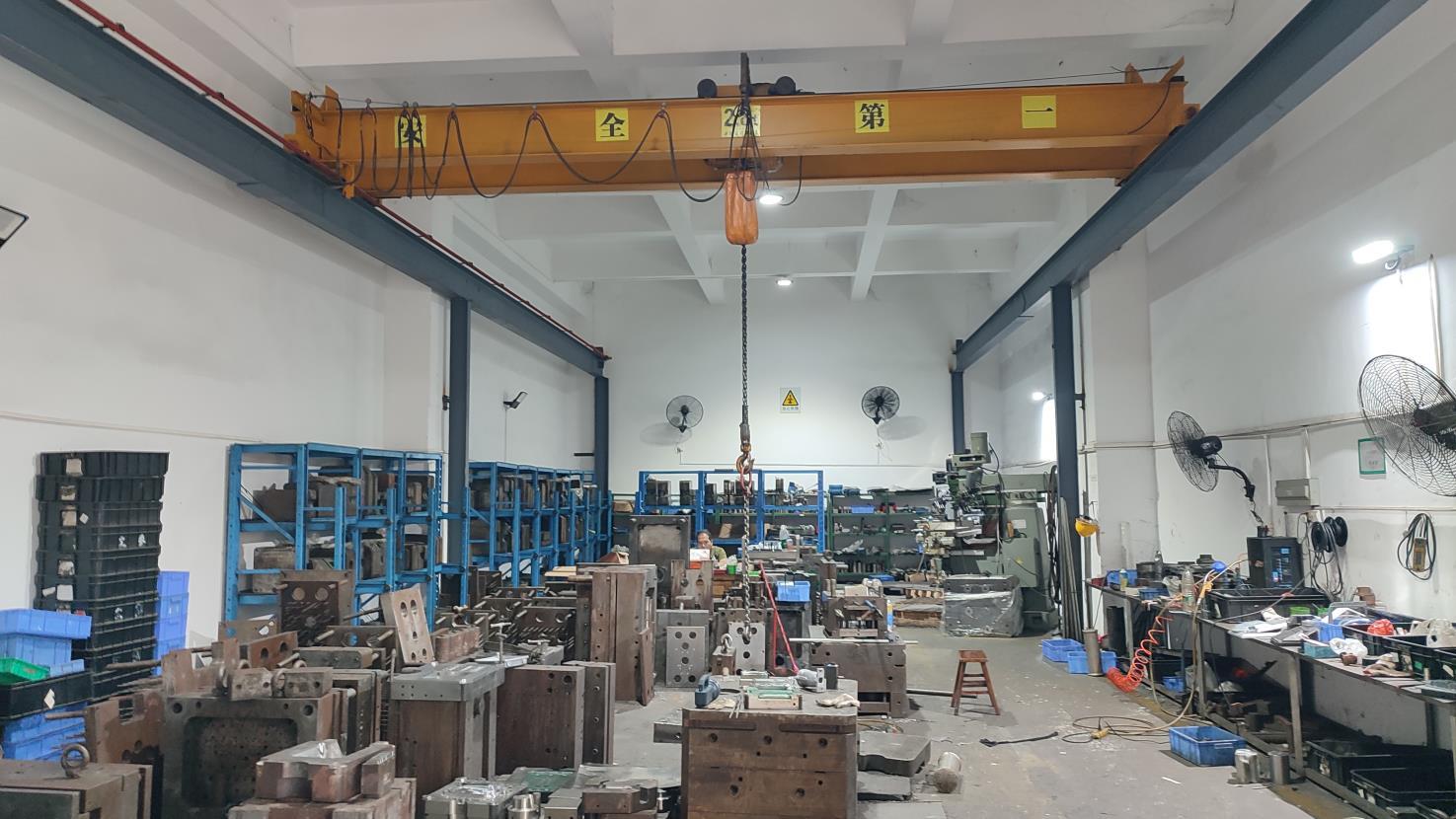
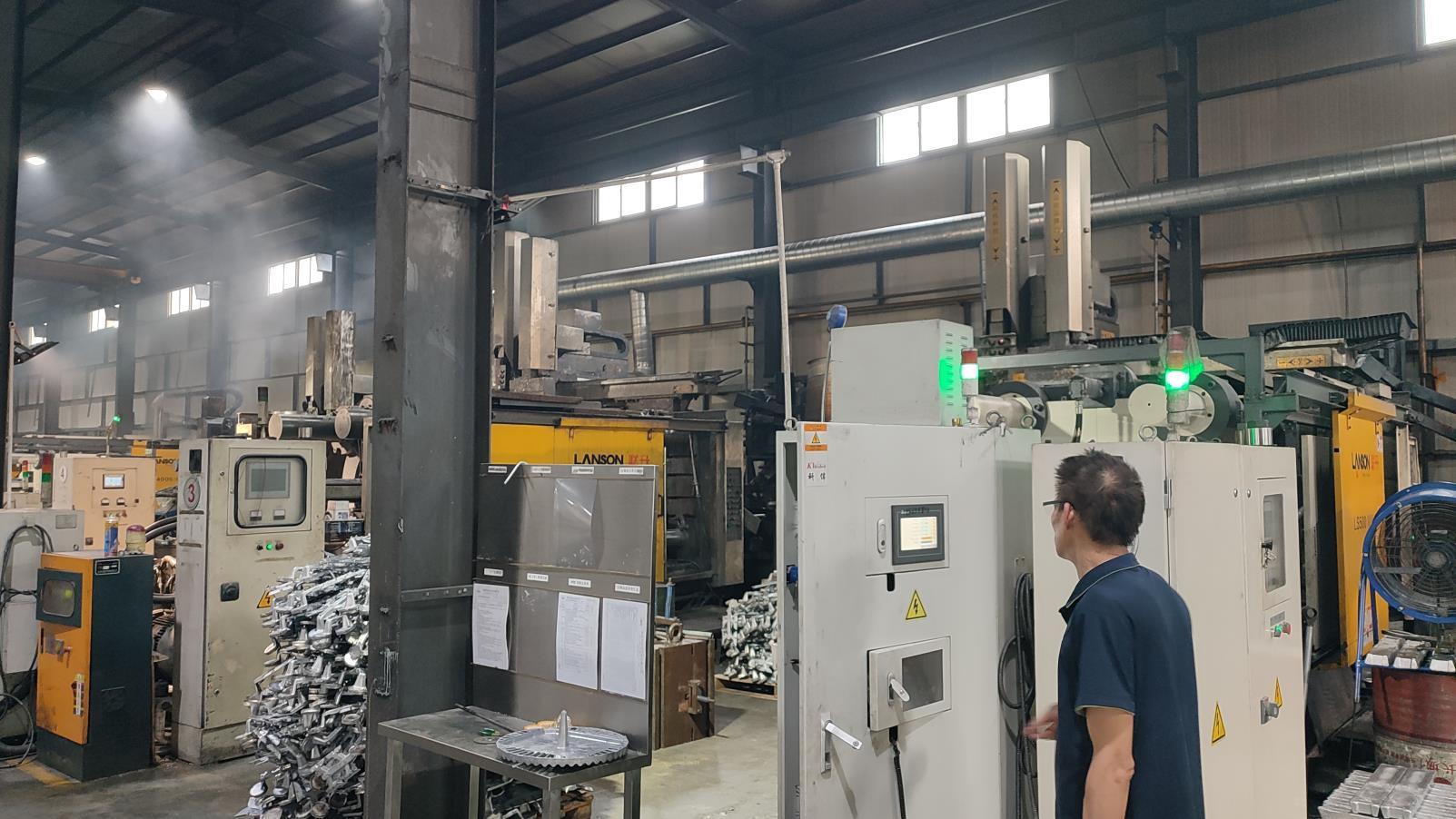
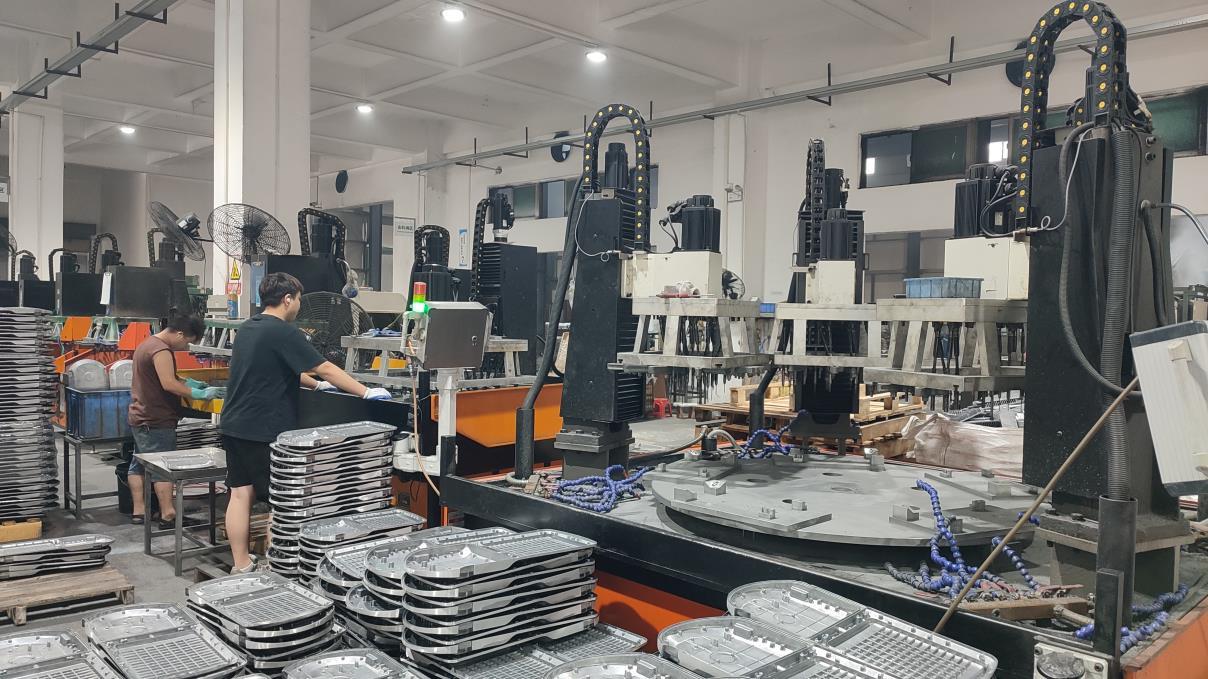
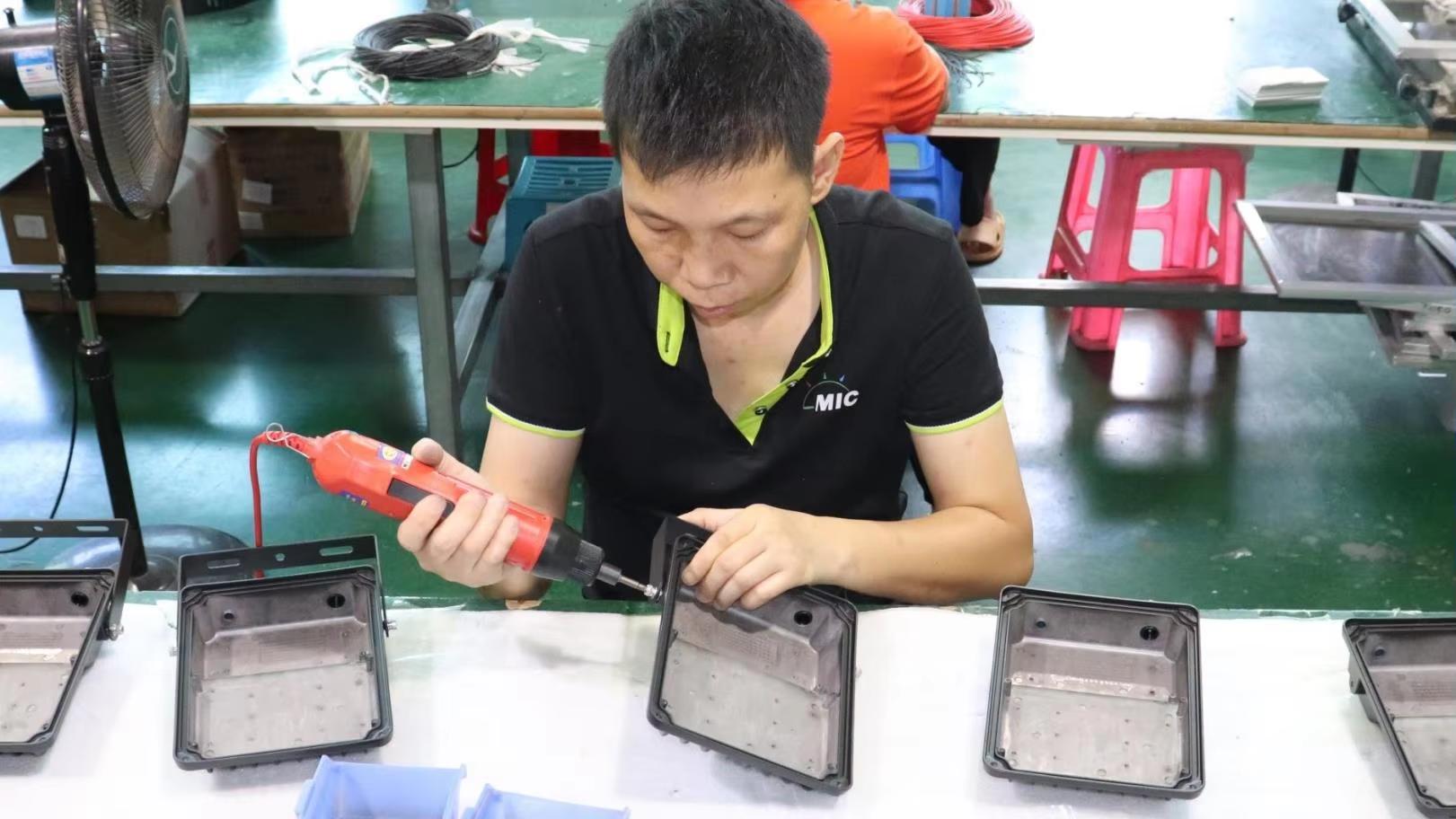
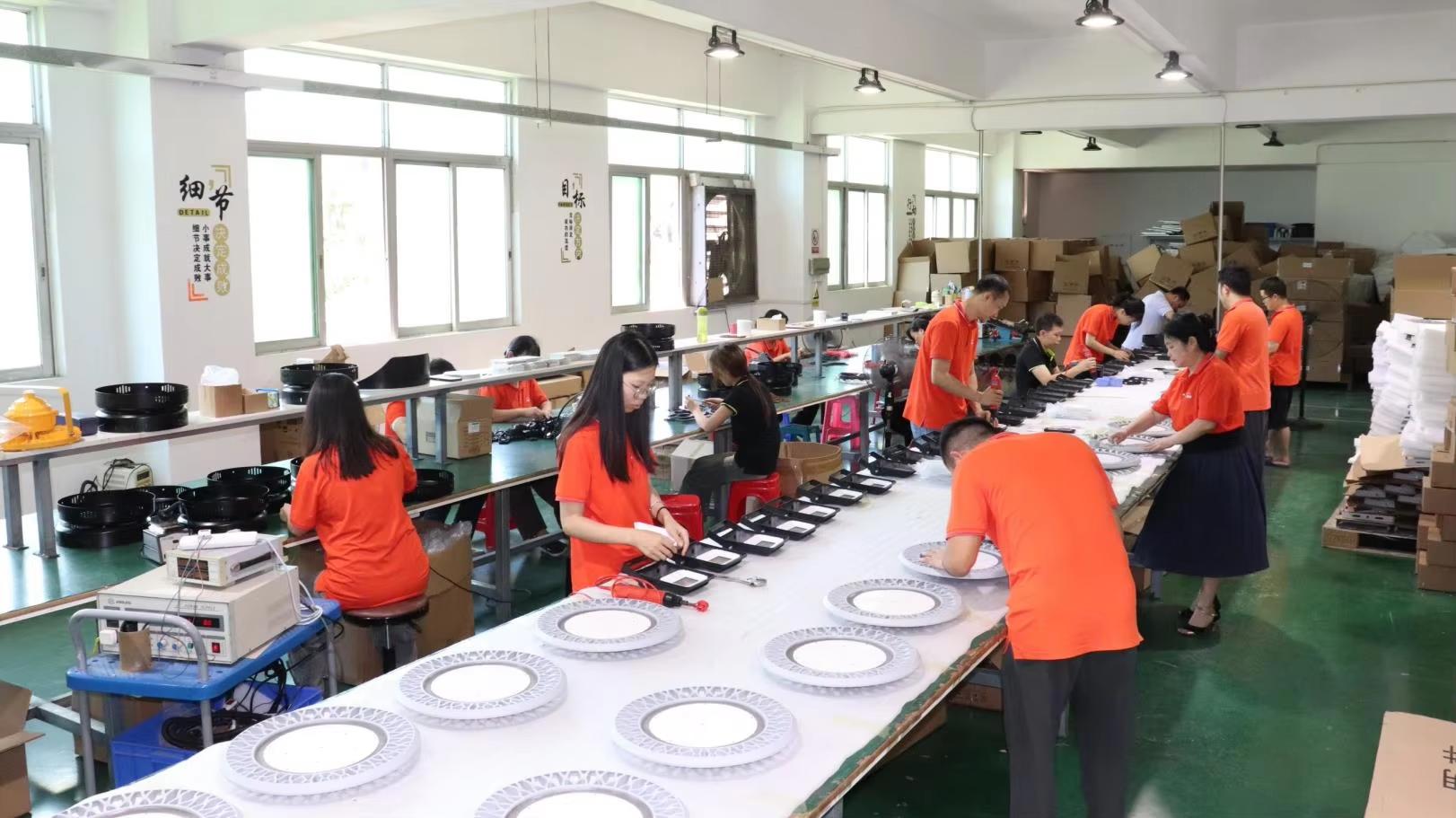
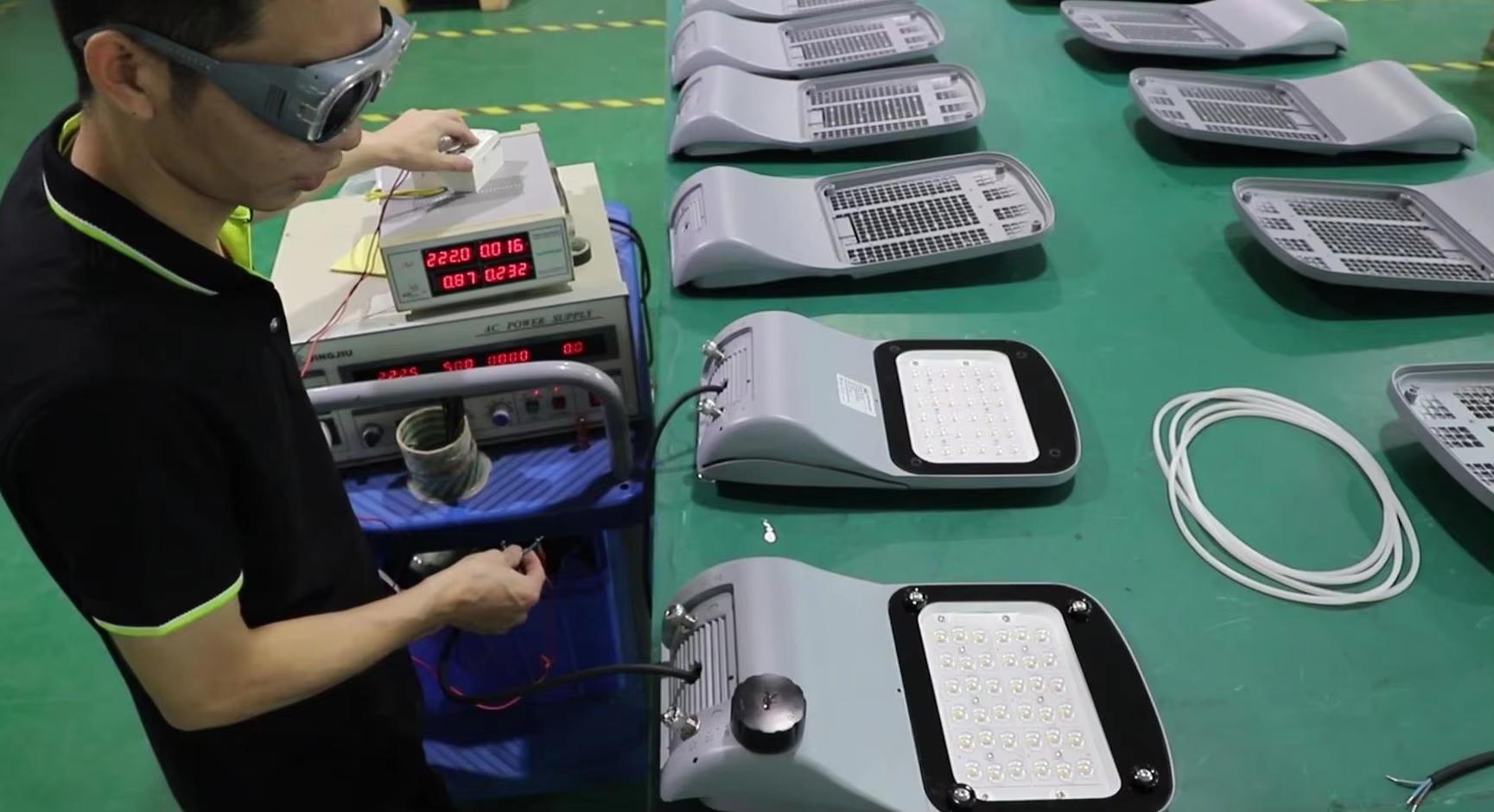
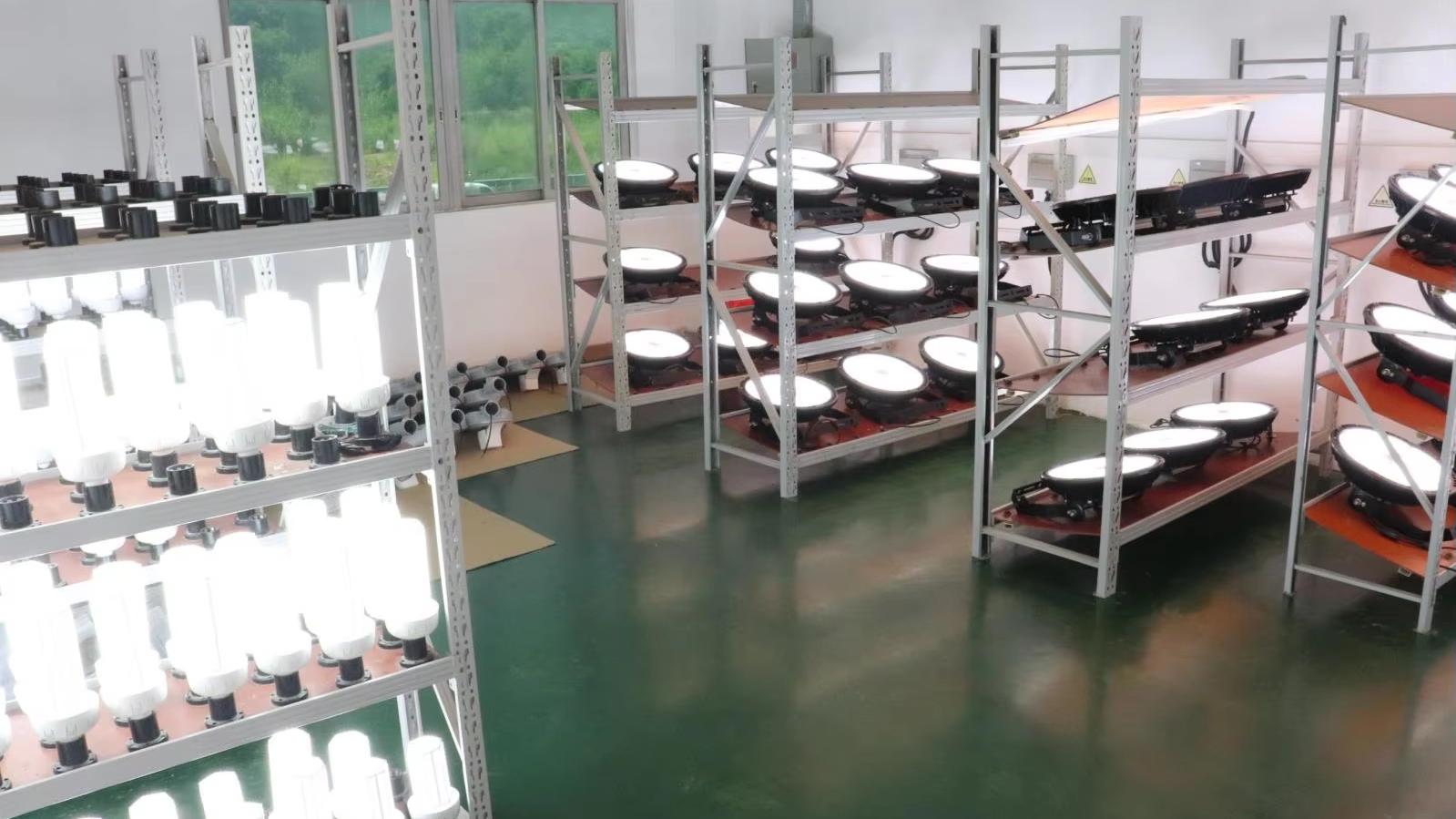
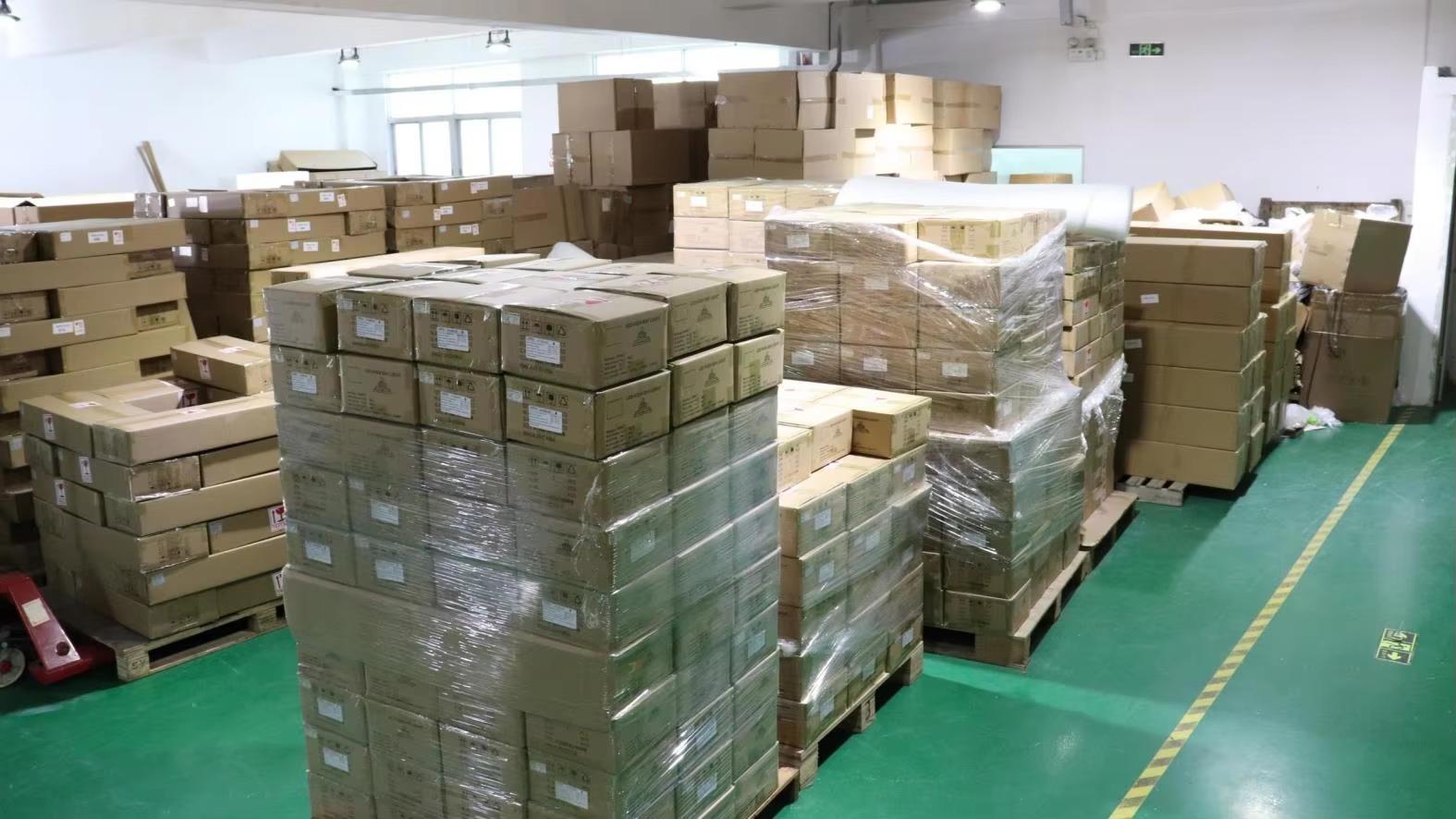
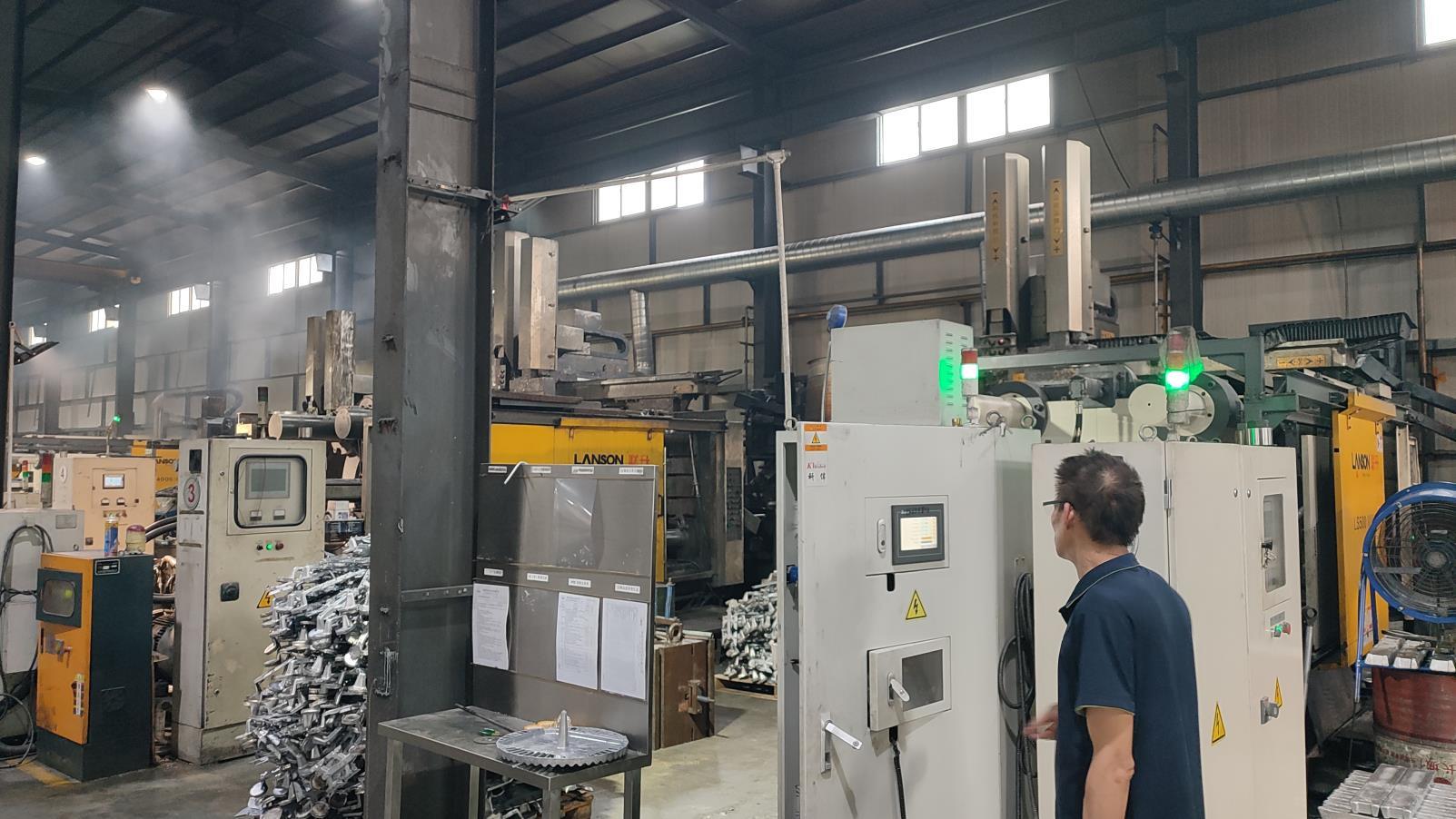
Inside Guangdong Lijah Light's advanced manufacturing facility. We maintain vertical integration across our supply chain, from raw die-casting to computerized aging tests, ensuring consistent quality control and production efficiency.
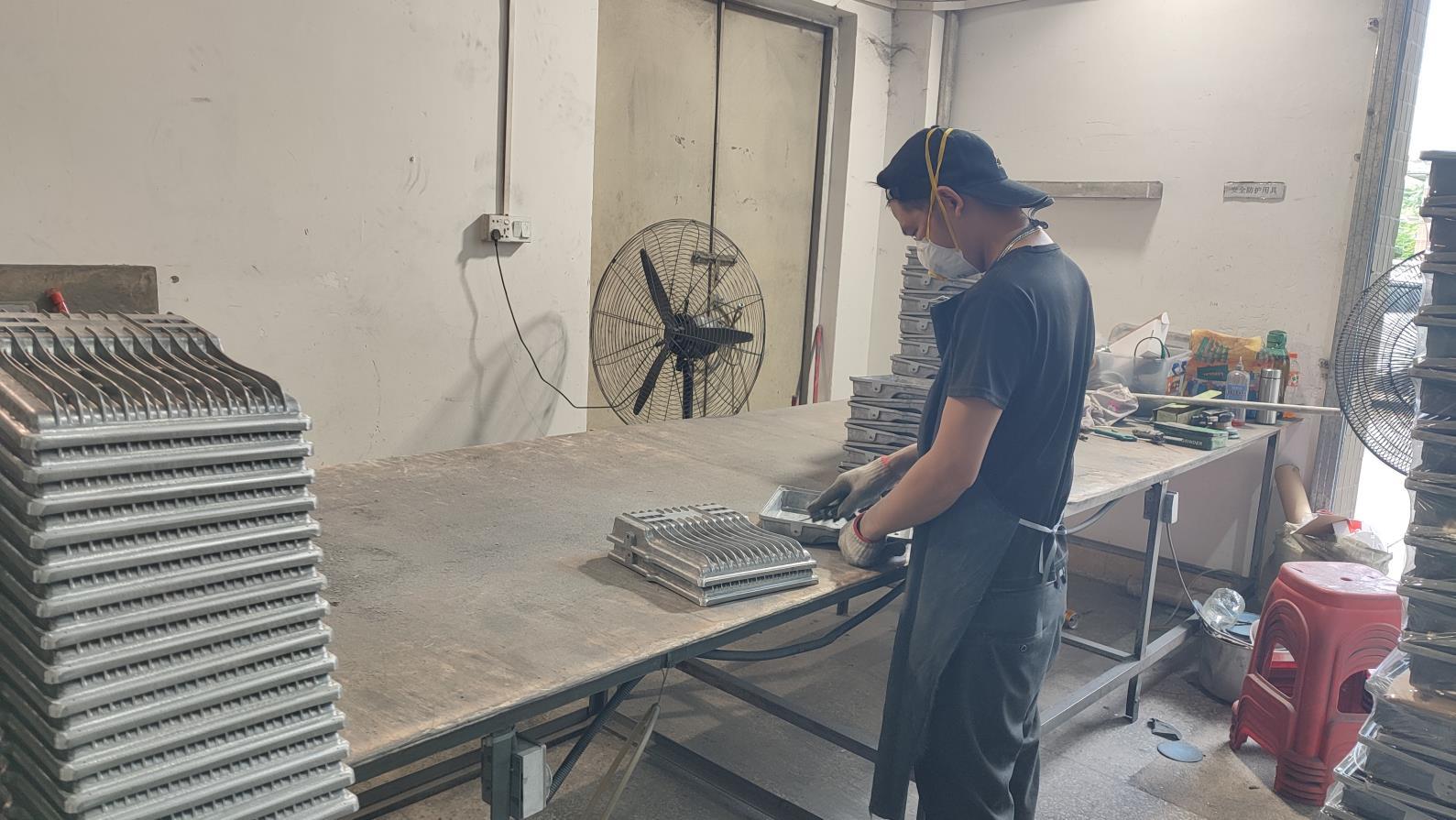
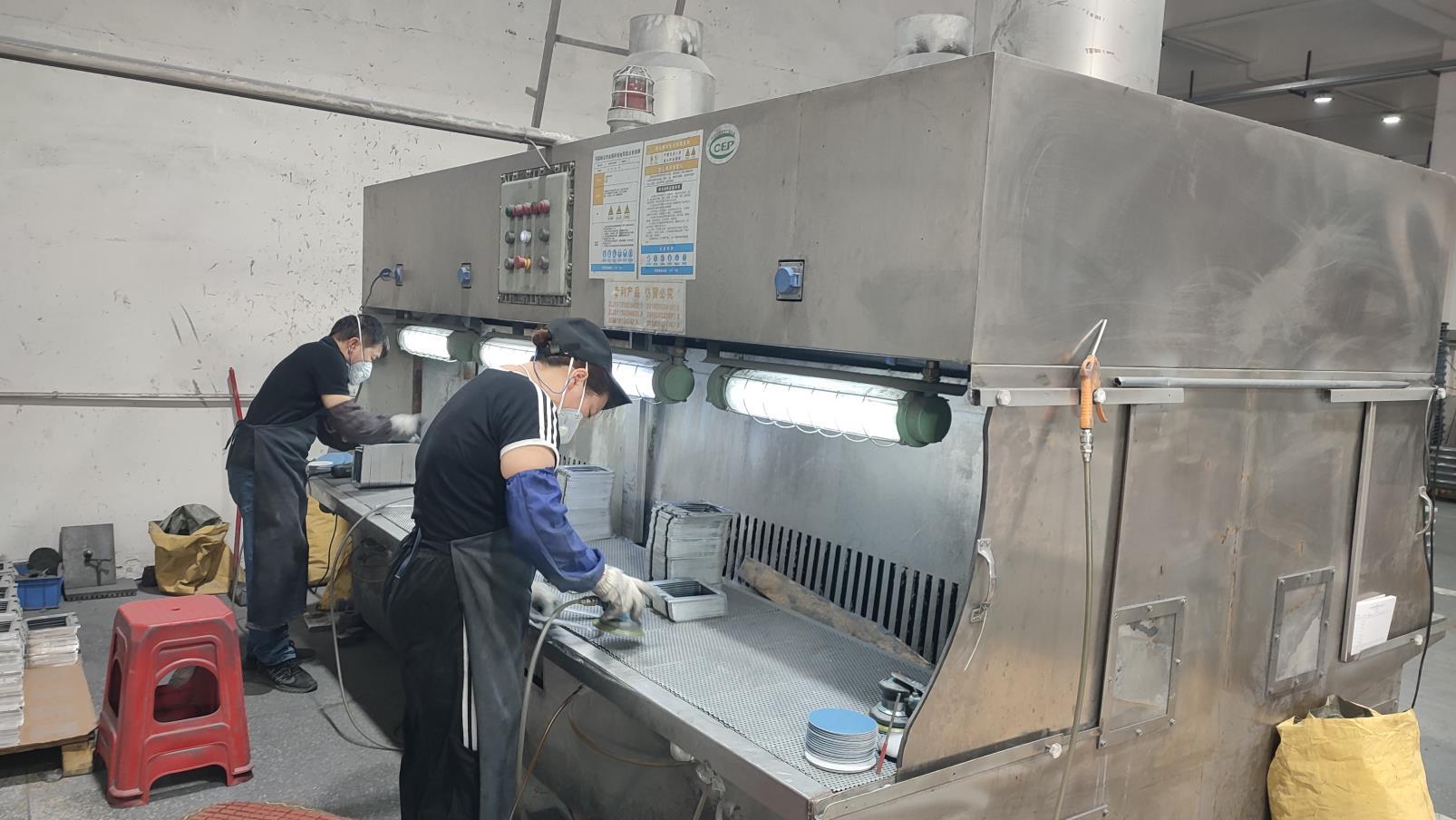
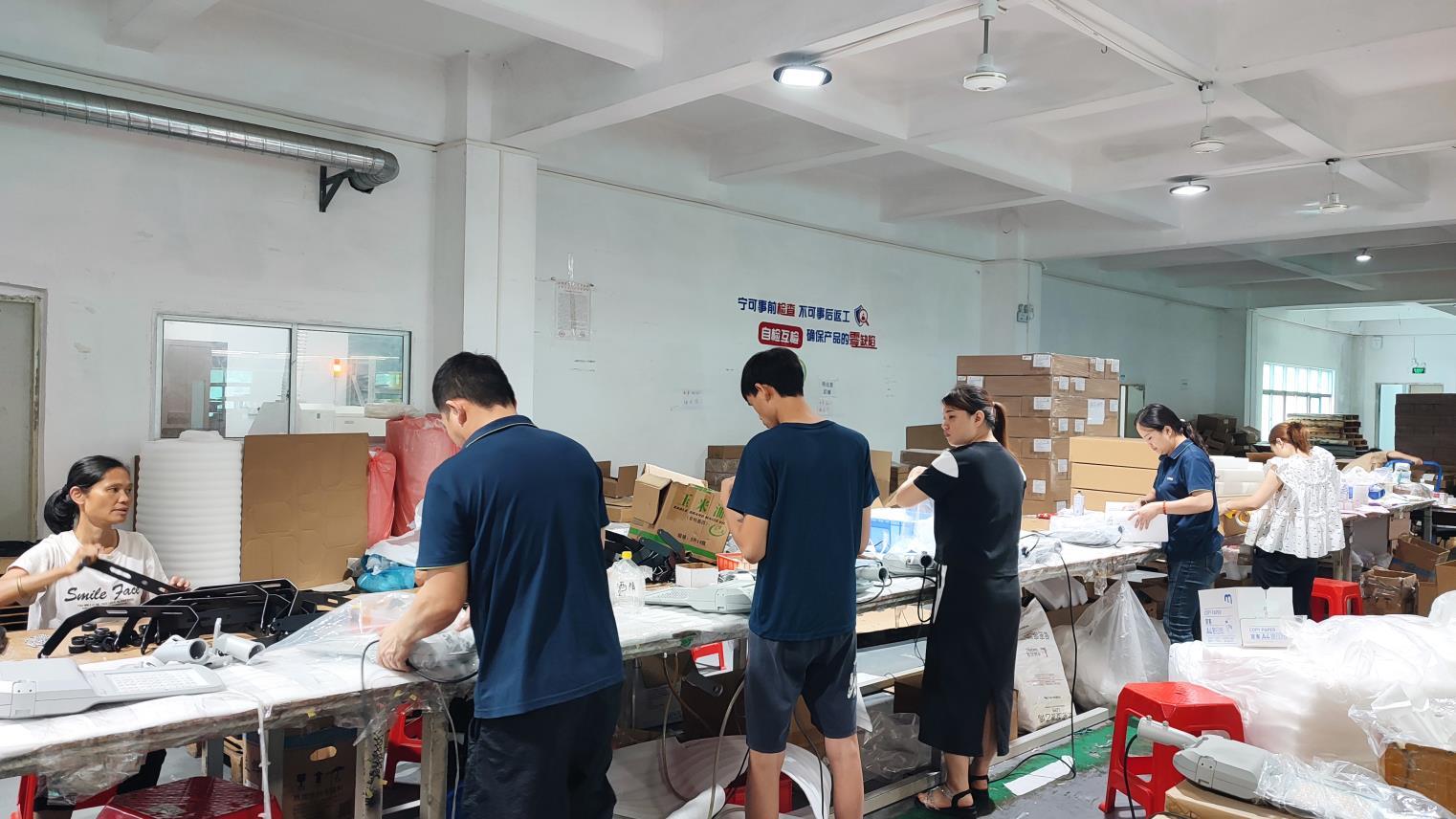
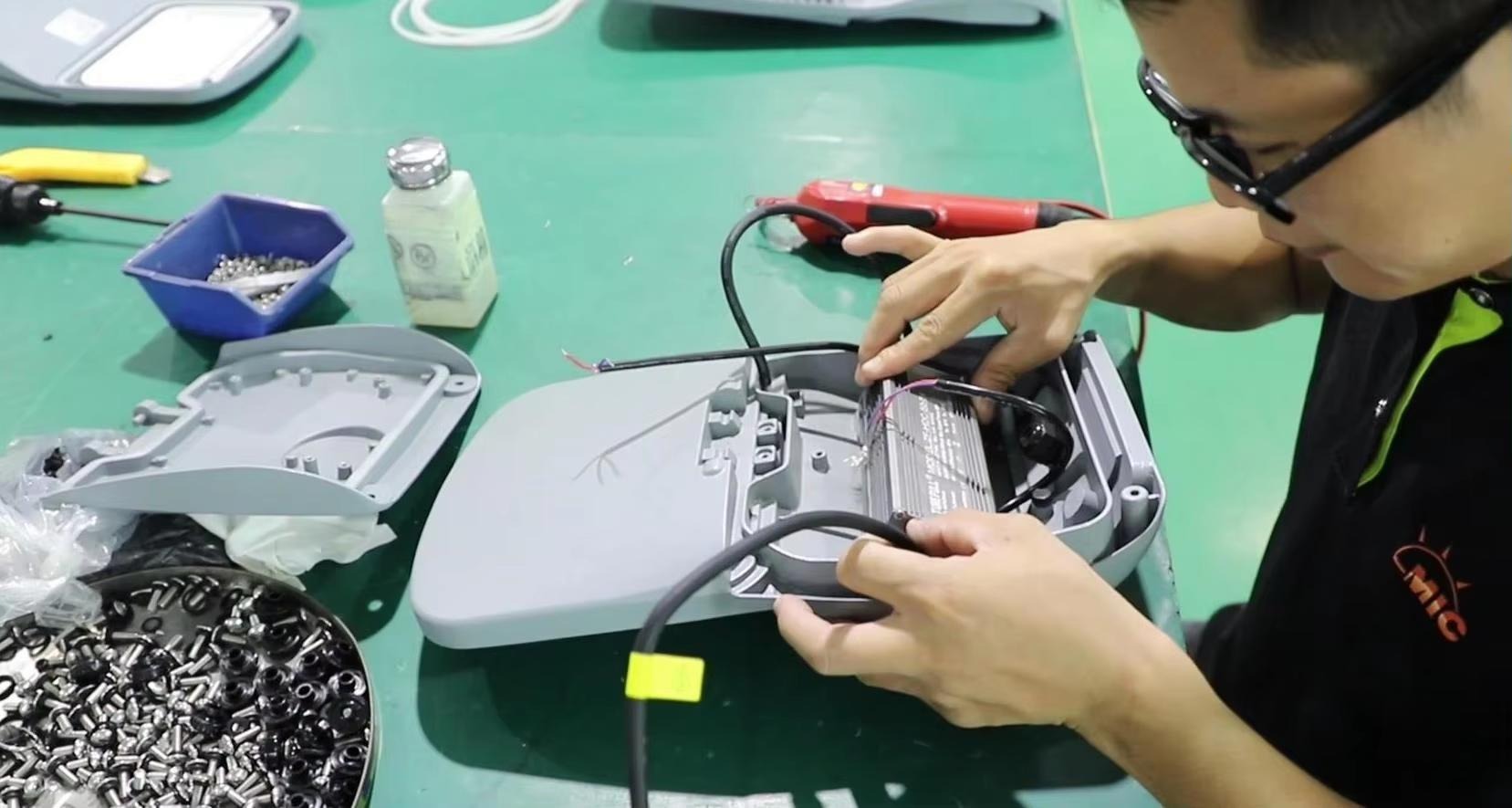
Designing outdoor canopy lighting fixtures requires addressing a range of electrical, mechanical, and thermal challenges. Standard designs are often inadequate for environments with high humidity, heavy rainfall, salt spray, or extreme temperatures. To ensure long-term durability, professional-grade LED canopy lights must incorporate specialized engineering features:
In coastal logistical hubs or gas stations located near oceans, salt spray accelerates the corrosion of metal housings. Modern solutions require die-cast aluminum alloys treated with multi-layer, electrostatically applied thermo-cured polyester powder coatings. These protective coatings must successfully pass ASTM salt spray tests. Additionally, the use of 316-grade stainless steel fasteners prevents galvanic corrosion between metal surfaces.
Canopy lighting is often installed directly under metal structures that absorb solar radiation, leading to high ambient temperatures inside the canopy ceiling. If thermal management is poorly engineered, the junction temperature ($T_j$) of the LED chips will exceed critical thresholds, leading to rapid lumen degradation or driver failure. High-quality fixtures incorporate integrated aerodynamic thermal venting and high-purity aluminum heat sinks. These designs facilitate efficient natural convection, keeping junction temperatures well within safe operational limits even in ambient temperatures up to $50^\circ\text{C}$.
Canopy lighting requires customized secondary optics to ensure high uniformity and minimal glare. Using precision-engineered polycarbonate or tempered glass lenses, manufacturers can control light distribution to meet specific site requirements. For example, symmetrical distributions are ideal for standard fuel stations to ensure even coverage, while asymmetrical patterns are preferred for loading docks and drive-through lanes to redirect light precisely where it is needed.
 Lijah Light