In recent years, the importance of effective lighting in sports stadiums has gained significant attention. Glare, a common issue, can compromise athlete performance and viewer experience. According to a report by the International Lighting Commission, around 40% of spectators cite glare as a major distraction during events. Understanding how to reduce glare in sports stadium lighting is crucial for enhancing visibility and safety.
Lighting expert Dr. Emily Hartman emphasizes, “Properly designed lighting minimizes glare and maximizes enjoyment for all attendees.” This insight highlights the need for a strategic approach to stadium illumination. Factors such as light placement, intensity, and fixture selection play critical roles in glare management.
While advancements have been made, challenges remain. Not all venues deploy optimal lighting solutions. Inconsistent designs can lead to uneven light distribution, causing discomfort. Ultimately, addressing glare is essential for creating an enjoyable sporting atmosphere. As we explore how to reduce glare in sports stadium lighting, we must consider both technological improvements and universal design principles.
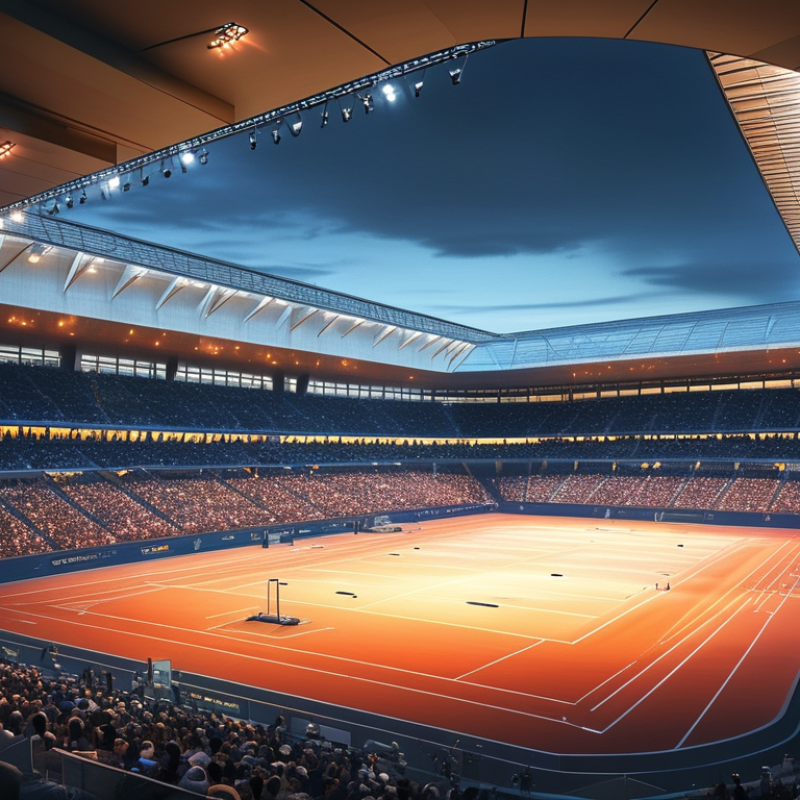
Glare in sports stadiums significantly impacts players and spectators alike. Bright lights can create an uncomfortable atmosphere. Understanding the sources of glare helps in making effective adjustments. The primary culprit is often the angle of the floodlights. When lights are positioned too low or too high, they direct excess light into the eyes of both players and audiences.
Research suggests that up to 30% of spectators report visual discomfort caused by glare. This discomfort can affect game enjoyment and player performance. To combat this, stadiums should consider the use of LED lighting, which can minimize glare through better distribution. Studies show that angled lighting can reduce glare by as much as 50%, enhancing visibility.
Another source of glare is the reflection off playing surfaces. For example, artificial turf can create an intense reflective effect, further complicating visibility issues. Regular assessments of both lighting design and field surfaces should be conducted. Football fields, for instance, often require a careful balance of light intensity and angle to optimize conditions. A reflective surface combined with poorly directed lights can escalate glare problems significantly.
In sports stadiums, glare from lighting fixtures can hinder athletes and diminish the viewer experience. Choosing the right fixtures is essential for minimizing this issue. Opt for fixtures with adjustable beam angles. This allows for targeted illumination, reducing excess light scattering. Fixtures should have high-quality optical systems. This ensures even light distribution without creating hotspots.
Consider the color temperature of the lighting. A cooler temperature can enhance visibility without overwhelming the field. Moreover, it's important to use fixtures with dimming capabilities. They allow venues to adjust brightness based on the activity, thus reducing glare when it is not needed.
Thinking about placement is crucial as well. Mounting fixtures at strategic angles can greatly lessen direct glare. Yet, achieving the perfect angle often requires testing and adjustments. It's a process that may not have an immediate solution. Regular assessments will help in understanding what works best. Ultimately, choosing the right lighting requires patience, experimentation, and a willingness to adapt for the best results.
In sports stadiums, glare can hinder players and spectators alike. One effective solution involves adjusting lighting angles and positions. By carefully aligning lights, we can reduce shadows and eliminate harsh reflections. This simple adjustment greatly enhances visibility during games.
Tip: Position lights at a higher angle. This way, they cast less direct light into players’ eyes. Aim for a 30-degree angle for optimal effect. Furthermore, consider the placement of fixtures. Position them to avoid obstruction and achieve uniformity in brightness across the field.
Tip: Utilize diffusers as well. Diffusers can scatter light, softening its intensity. They help minimize harsh spots that cause distractions. Regular checks of the lighting setup can ensure that everything remains effective over time. However, adjustments may need frequent reviews as the environment changes. Always strive for improvement in lighting design.
| Lighting Angle (Degrees) | Position Relative to Field | Luminance (Lux) | Glare Reduction Technique |
|---|---|---|---|
| 30 | Above Southern End | 1500 | Use of Anti-Glare Shields |
| 45 | Above Western Side | 1200 | Adjustable Light Fixtures |
| 60 | Corners of the Stadium | 1800 | Diffused Lens Installation |
| 20 | Near Center Field | 1600 | Smart Lighting Control |
| 50 | Above Eastern Side | 1400 | Use of Reflective Surfaces |
In sports stadiums, glare can disrupt the experience for players and fans. Implementing advanced technologies offers a solution. Various strategies focus on reducing the intensity and direction of light. Using smart lighting systems is one approach. These systems can adjust brightness automatically based on the conditions. This creates a more pleasant environment without compromising visibility.
Another effective technique is the integration of glare reduction materials in lighting fixtures. These materials can diffuse light, minimizing harsh reflections. Innovations like LED technology play a vital role too. LEDs provide better control over light distribution. They can be programmed to minimize direct glare towards spectators and athletes.
It's worth noting that achieving optimal lighting requires ongoing evaluation. Each stadium has unique architectural features and audience needs. Therefore, continuous testing and adjustments are necessary. Not every strategy works perfectly in every setting. Experimentation is essential, and learning from failure can lead to significant improvements. Ultimately, the goal is to enhance the overall experience while prioritizing safety and comfort.
Consistent lighting quality is essential for sports stadiums. Regular maintenance practices often determine how well the lighting performs, especially regarding glare reduction. Surveys indicate that nearly 30% of stadiums experience lighting issues due to inadequate upkeep. Regular inspections help to identify problems early, preventing larger issues that could lead to inconsistent light output.
One effective method is to clean fixtures regularly. Dust and dirt accumulation can significantly diminish lighting quality. Reports suggest that cleaning can enhance brightness by up to 20%. This straightforward task ensures that players and fans enjoy optimal visibility during events.
Regularly checking and replacing outdated bulbs will also maintain quality. Studies show that older bulbs may emit uneven light, contributing to glare. Implementing a bulb replacement schedule can help mitigate these issues effectively. It is also vital to review lighting designs periodically. Inefficient layouts might create hotspots leading to serious glare problems.
Tips: Utilize adaptive lighting technology. It can adjust to ambient conditions, minimizing glare while enhancing visibility. Moreover, consider using diffusers or specialized lenses to distribute light more evenly across the field. These strategies can significantly improve the fan experience and athlete performance.
: Adjusting lighting angles can reduce glare and shadows, enhancing visibility during games.
Aiming for a 30-degree angle helps cast less direct light into players' eyes.
Diffusers soften light intensity and minimize harsh spots, reducing distractions for players and fans.
Regular checks are necessary to maintain effectiveness, especially as environments change.
Smart lighting systems can automatically adjust brightness, improving conditions without losing visibility.
These materials diffuse light and minimize harsh reflections, enhancing the overall experience.
Each stadium has unique features; ongoing testing and adjustments are crucial for optimal results.
No, not every strategy works perfectly everywhere. Experimentation can lead to better solutions.
LEDs allow better control over light distribution, minimizing direct glare towards spectators and athletes.
Reflecting on what didn’t work can inform better strategies and lead to significant enhancements.
This article explores how to reduce glare in sports stadium lighting effectively by first understanding the primary sources of glare that can impact visibility for players and spectators. It emphasizes the importance of selecting appropriate lighting fixtures designed to minimize glare, as well as strategically adjusting the angles and positions of these fixtures to optimize overall visibility.
Additionally, the article discusses the implementation of advanced technologies that can significantly enhance glare reduction. Regular evaluation of maintenance practices is also highlighted, ensuring that lighting quality remains consistent over time. By following these guidelines, stadiums can create a more enjoyable viewing experience while maintaining safety and performance on the field.

Lijah Light