Why Do Industrial LED Lights Fail Prematurely in China?

Time:2026-07-13 Author:Charlotte
0%

Industrial LED lights have gained popularity in China for their energy efficiency and longevity. However, a pressing concern is why do industrial LED lights fail prematurely in this market. Understanding the factors that contribute to these failures is crucial for manufacturers and end-users alike.

Many LED lights experience failures due to poor quality components. Low-quality power supplies often lead to reduced performance. Additionally, environmental factors such as humidity and temperature fluctuations play a significant role. Inadequate thermal management can also accelerate deterioration.

There's also a need for better adherence to industry standards. Manufacturers may cut corners to reduce costs, impacting reliability. Upgrading testing protocols could help ensure products meet rigorous quality benchmarks. Addressing these issues requires collective effort and awareness in the industry. By closely examining the root causes, steps can be taken to improve the lifespan and performance of industrial LED lighting solutions.
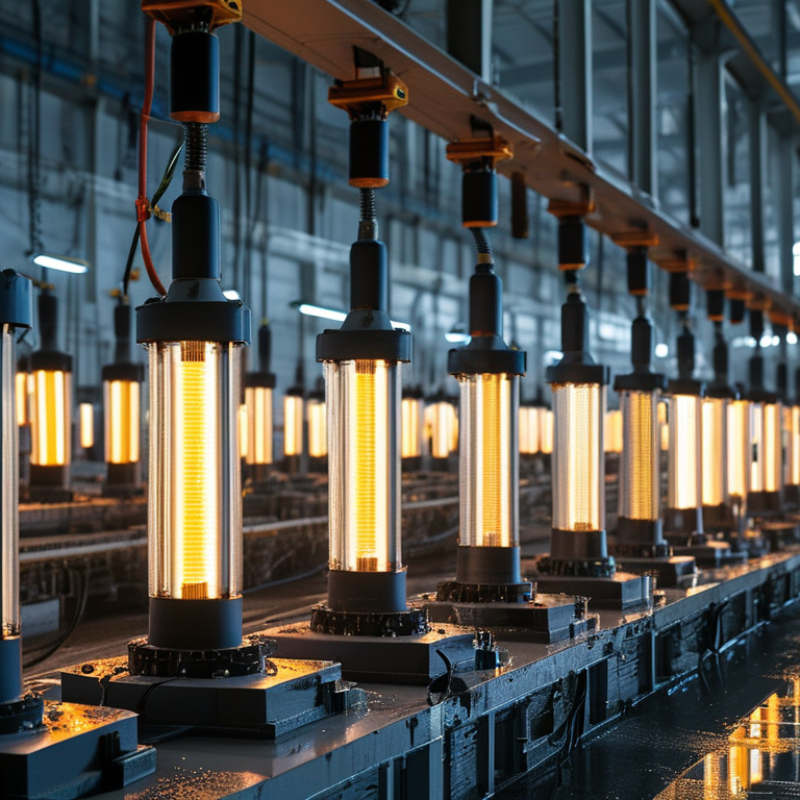
Why Do Industrial LED Lights Fail Prematurely in China?

Factors Contributing to Premature Failure of Industrial LED Lights in China

Premature failure of industrial LED lights in China poses significant challenges. One main issue is the quality of materials used in manufacturing. Many producers prioritize low costs over durability, leading to inconsistent performance. This unfortunate choice can shorten the lifespan of LED products drastically.

In addition to material quality, inadequate heat management plays a critical role. Industrial environments often have high temperatures. If LED lights are not built to withstand this heat, they overheat and fail prematurely. Many manufacturers neglect proper heat dissipation techniques, which is a crucial factor.

Finally, the installation and maintenance of these lights can contribute to their early demise. In some cases, improper installation can lead to electrical issues. Regular maintenance is also often overlooked, which can exacerbate existing problems. These mishaps reflect a need for better practices in the industry. By addressing these factors, stakeholders can improve longevity and reliability in industrial lighting.

Quality Control Issues in LED Manufacturing Processes Affecting Lifespan

Quality control in LED manufacturing is crucial for ensuring longevity. In China, many industrial LED lights fail early due to inconsistent production practices. Some manufacturers overlook essential testing procedures. This negligence can lead to defects in components, such as drivers and diodes. Inadequate quality checks may result in overheating or flickering lights, which frustrate users.

Another factor is the raw materials used in production. Poor-quality materials can compromise the integrity of LED products. For instance, substandard phosphors can reduce light output and lifespan. Some companies may prioritize cost over quality, leading to further issues. Without strict adherence to quality control, the entire manufacturing process suffers.

The problem is often systemic. Many factories lack well-trained staff focused on quality assurance. Insufficient training leads to mistakes that could easily be avoided. Addressing these issues requires a shift in mindset. Cultivating a culture of quality is essential for improving the lifespan of industrial LED lights in China.

Impact of Environmental Conditions on LED Performance and Durability

In China, industrial LED lights often fail prematurely. One reason is the impact of harsh environmental conditions. High humidity and extreme temperatures negatively affect LED components. These factors can lead to quicker degradation and reduced performance over time.

Additionally, dust and pollution accumulate on fixtures. This buildup can obstruct light output and generate excess heat, further shortening lifespan. In urban areas, air quality plays a critical role in driving these failures. Industrial settings may lack proper air filtration, heightening these risks.

Proper installation and regular maintenance are vital. Neglecting these aspects can exacerbate performance issues. Even the best-quality LEDs can falter if not managed effectively. Adapting to local conditions and addressing these challenges is essential for enhancing durability.

Impact of Environmental Conditions on Industrial LED Light Failures in China

Role of Subpar Components in LED Light Failure Rates in the Chinese Market

Premature failure of industrial LED lights in China is often tied to subpar components. Many manufacturers cut corners to save costs. This leads to products that do not meet necessary quality standards. According to a recent study, over 30% of LED lights fail within the first two years of use in the Chinese market. This statistic highlights a pressing issue for both consumers and businesses.

The use of low-quality materials is a significant cause of these failures. Poor-grade capacitors and inadequate thermal management components are common offenders. They can reduce the lifespan of LED lights drastically. Reports indicate that up to 40% of failures may stem from these inferior components. This raises important questions about quality control practices in the industry.

Importantly, not all failures can be attributed to the components alone. Some designs may not account for local environmental conditions. High humidity and dust levels can impact performance as well. Manufacturers must rethink their design strategies. There is a pressing need for more rigorous testing and improved standards. Only then can the reliability of industrial LED lights be increased in China.

Lack of Industry Standards and Regulations Leading to Quality Discrepancies

The industrial LED lighting market in China faces significant challenges. A key issue is the lack of unified industry standards. According to a report by the China Lighting Association, over 70% of manufacturers do not adhere to any specific guidelines. This discrepancy leads to variations in product quality and performance, resulting in premature failures.

The absence of regulations allows low-quality materials to enter the market. A 2022 study indicated that nearly 40% of LED lights failed within the first three years of use. This short lifespan is often due to poor thermal management and inadequate driver designs. Many manufacturers prioritize price over quality, raising concerns about long-term reliability.

Consumers are paying the price for these inconsistencies. High failure rates impact energy savings, and maintenance costs increase as a result. Consequently, experts recommend the establishment of stricter standards and thorough testing protocols. Without these measures, the industry will struggle to achieve credibility and customer satisfaction, leaving room for improvement and reflection on quality assurance practices.

FAQS

: Why do many industrial LED lights fail early?

: Many fail due to inconsistent manufacturing practices and lack of testing.

What are common defects found in poorly made LEDs?

Defects include issues with drivers and diodes, leading to flickering or overheating.

How do raw materials impact LED quality?

Poor-quality materials, like substandard phosphors, reduce light output and lifespan.

What role does training play in LED manufacturing quality?

Inadequate training leads to mistakes in production that could be avoided.

How do environmental conditions affect LED performance?

Harsh conditions like high humidity and extreme temperatures can degrade LED components.

What maintenance is required for LEDs?

Regular maintenance helps address performance issues and prevents early failure.

Can dust and pollution lead to LED failures?

Yes, accumulation can obstruct light output and increase overheating risks.

Why is a culture of quality important in LED manufacturing?

Cultivating quality focus improves the longevity and performance of LED products.

How does installation impact LED durability?

Proper installation is critical; neglect can cause even high-quality LEDs to fail.

What is a common oversight in LED production?

Many manufacturers prioritize cost over quality, compromising product integrity.

Conclusion

The article "Why Do Industrial LED Lights Fail Prematurely in China?" explores several critical factors leading to the premature failure of these lighting solutions. Key contributors include quality control issues within LED manufacturing processes that significantly affect product lifespan. Additionally, environmental conditions prevalent in various industrial settings can negatively impact LED performance and durability, making them more susceptible to failure.

Furthermore, the use of subpar components in the production of industrial LEDs greatly influences failure rates, particularly in the Chinese market. The lack of standardized industry regulations exacerbates these quality discrepancies, resulting in a wide variance in LED reliability. Understanding why industrial LED lights fail prematurely is essential for improving manufacturing standards and enhancing the longevity and effectiveness of these lighting systems in industrial applications.

Charlotte

Charlotte

Charlotte is a seasoned marketing professional with a deep understanding of the company's portfolio and a passion for elevating its presence in the market. With a keen eye for detail and a commitment to excellence, she ensures that our professional blog is regularly updated with insightful articles......